
The spin cycle is a crucial function of your washing machine, removing excess water from clothes to reduce drying time. When the spin cycle fails, it can leave clothes soaking wet and disrupt your laundry routine. Understanding the common causes of spin cycle issues and how to repair them can help restore your washing machine’s functionality.
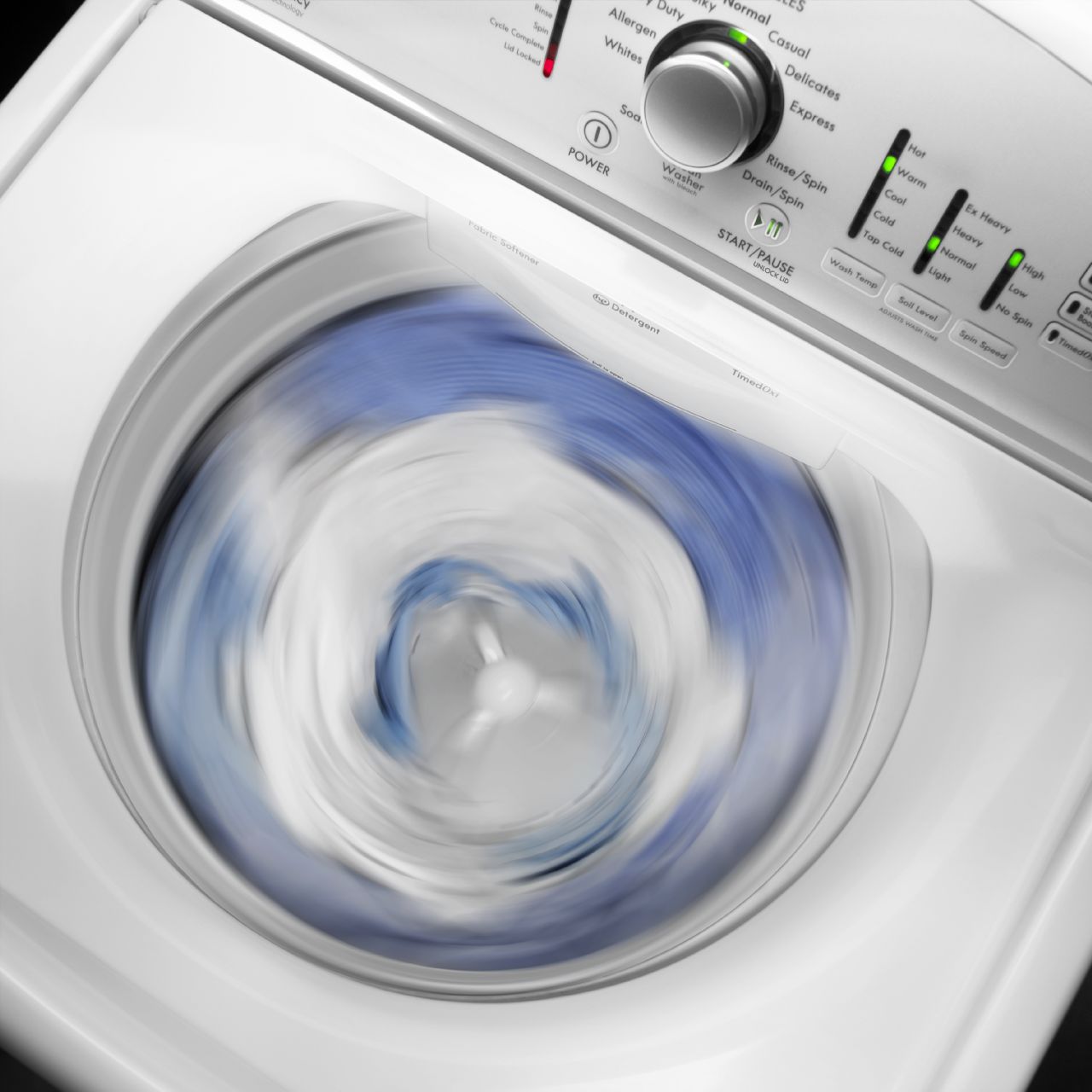
Common Causes of Spin Cycle Failure
One of the most frequent causes of spin cycle failure is a faulty lid switch or door lock. These safety mechanisms prevent the machine from spinning when the lid or door is open. If the switch or lock is damaged or misaligned, the machine may not enter the spin cycle. Inspect the lid switch or door lock for any signs of wear or damage, and test its functionality.
Another common issue is a broken or worn drive belt. The drive belt connects the motor to the drum, allowing it to spin. If the belt is loose, frayed, or broken, the drum may not rotate properly. Inspect the drive belt for any visible damage or wear, and replace it if necessary.
A malfunctioning motor or motor coupling can also cause spin cycle problems. The motor provides the power for the spin cycle, and if it is faulty, the drum may not spin at all or may spin inconsistently. Listen for unusual noises from the motor, such as grinding or humming, which may indicate a problem. Additionally, check the motor coupling, which connects the motor to the transmission, for any signs of wear or damage.
Costs of Service and Parts as Involved in Washing Machine Spin Cycle Repair
Diagnosing Spin Cycle Issues
To diagnose spin cycle issues, start by checking the basic components. Ensure the machine is plugged in and receiving power. Verify that the lid or door is closing properly and that the lid switch or door lock is functioning. If the machine fills with water but does not spin, the issue may be with the drive belt, motor, or transmission.
Run a test cycle and observe the machine’s behavior. If the drum does not spin or spins inconsistently, listen for any unusual noises that may indicate a mechanical issue. Additionally, check for error codes on the machine’s display, which can provide clues about the specific problem.
Spin Cycle Repair Process
Repairing the spin cycle typically involves identifying and replacing the faulty component. If the lid switch or door lock is the issue, the technician will replace the defective part and test the machine to ensure the spin cycle functions properly. For a broken drive belt, the technician will remove the old belt and install a new one, ensuring it is properly tensioned and aligned.
If the motor or motor coupling is faulty, the technician will inspect these components and replace them as needed. The repair process may also involve checking the transmission and other related parts to ensure they are functioning correctly. After completing the repairs, the technician will test the machine to confirm that the spin cycle is operating as expected.
Cost of Spin Cycle Repair
The cost of spin cycle repair can vary depending on the specific issue and the parts required. Replacing a lid switch or door lock is generally less expensive than replacing a drive belt or motor. The labor cost may also depend on the complexity of the repair and the technician’s rates. For accurate pricing, obtain quotes from multiple service providers and compare their offerings.
Preventive Maintenance
To prevent spin cycle issues, follow proper maintenance practices. Avoid overloading the washing machine, as this can strain the motor, drive belt, and other components. Regularly inspect the lid switch, door lock, drive belt, and motor for signs of wear or damage, and address any issues promptly. Additionally, clean the machine regularly to prevent the buildup of detergent residue and debris that can affect performance.
For professional washing machine spin cycle repair services, contact a reputable appliance repair company. Restoring the spin cycle ensures your washing machine operates efficiently and effectively.