
An unbalanced washing machine drum can cause excessive vibration, noise, and even damage to the appliance or surrounding area. Drum balancing ensures that the drum rotates smoothly and evenly, preventing these issues and extending the lifespan of your machine. Understanding the causes of drum imbalance and how to address them can help you maintain your washing machine’s performance and stability.
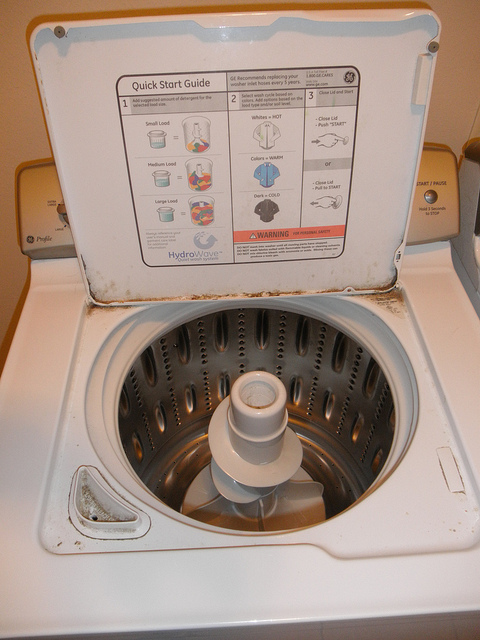
Causes of Drum Imbalance
One of the most common causes of drum imbalance is an uneven distribution of clothes inside the drum. If the clothes are not loaded evenly, the drum can become unbalanced during the spin cycle, leading to excessive vibration and noise. To prevent this, ensure that clothes are distributed evenly around the drum and that the machine is not overloaded.
Another common issue is worn or damaged suspension springs or shock absorbers. These components help stabilize the drum during operation, and if they are worn or damaged, they can no longer absorb the vibrations effectively. Inspect the suspension springs and shock absorbers for any signs of wear, damage, or misalignment, and replace them if necessary.
The drum itself may also be the cause of imbalance. If the drum is warped, bent, or damaged, it can cause the machine to vibrate excessively during operation. Inspect the drum for any signs of damage or wear, and replace it if necessary.
Diagnosing Drum Imbalance
To diagnose drum imbalance, start by observing the machine during the spin cycle. If the machine vibrates excessively or moves across the floor, it may be due to an unbalanced drum. Run a test cycle with an empty machine to see if the vibration persists. If it does, the issue is likely with the machine itself, such as worn suspension components or a damaged drum.
If the vibration only occurs with a load, the problem may be with the load distribution or overloading. Additionally, listen for any unusual noises during operation, which may indicate a mechanical issue.
Drum Balancing Process
Balancing the drum typically involves addressing the root cause of the imbalance. If the issue is with the load distribution, the technician may provide guidance on proper loading techniques to prevent future issues. For worn or damaged suspension springs or shock absorbers, the technician will replace these components, ensuring they are properly installed and aligned.
If the drum itself is damaged or warped, the technician will inspect the drum and replace it if necessary. The balancing process may also involve checking other components, such as the drum bearings and drive belt, to ensure they are functioning correctly and not contributing to the imbalance. After completing the repairs, the technician will test the machine to confirm that the vibration has been reduced or eliminated.
Cost of Drum Balancing
The cost of drum balancing can vary depending on the specific issue and the parts required. Replacing suspension springs or shock absorbers is generally less expensive than replacing the drum itself. The labor cost may also depend on the complexity of the repair and the technician’s rates. For accurate pricing, obtain quotes from multiple service providers and compare their offerings.
Preventive Maintenance
To prevent drum imbalance, follow proper maintenance practices. Regularly inspect the suspension springs, shock absorbers, drum, and other components for signs of wear or damage, and address any issues promptly. Additionally, ensure that the machine is loaded evenly and not overloaded. Clean the machine regularly to prevent the buildup of detergent residue and debris that can affect performance.
For professional washing machine drum balancing services, contact a reputable appliance repair company. Addressing drum imbalance promptly ensures your washing machine operates stably and efficiently.