
Borehole Drilling in West Pokot County – GossTech Kenya Technologies
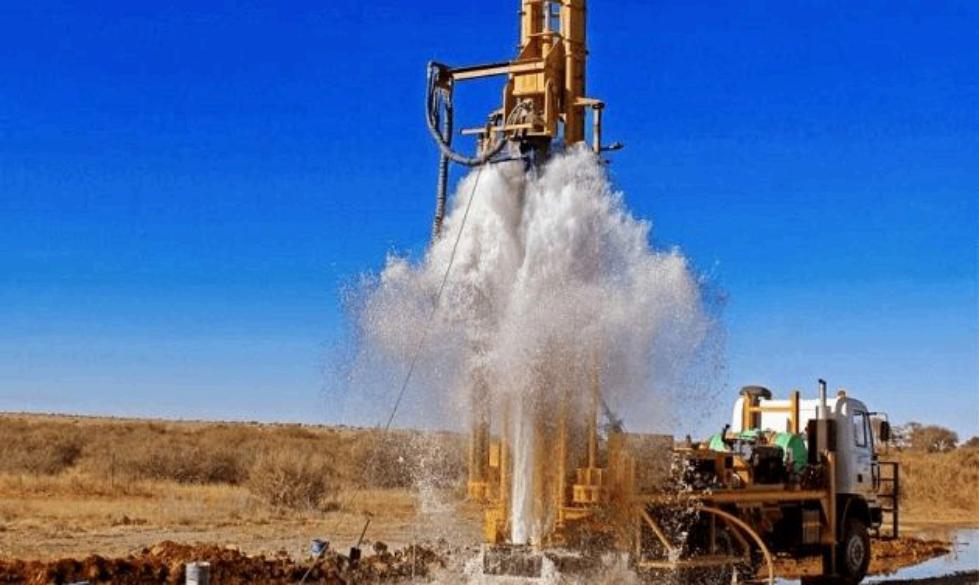
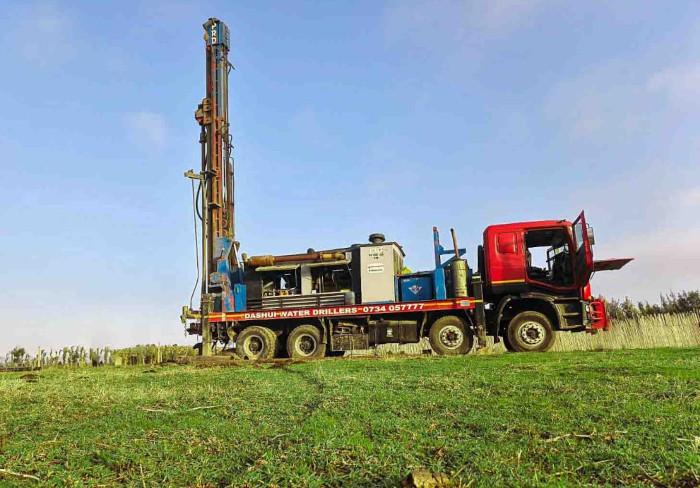
Description: Looking for professional borehole drilling in West Pokot County? GossTech Kenya Technologies offers hydrogeological surveys, borehole drilling, casing, pump installation, solar pumping, water storage, testing and treatment in West Pokot and across Kenya.
Professional Borehole Drilling Services in West Pokot County
Reliable water supply is essential for households, farms, livestock keepers, schools, hospitals, businesses, institutions, and communities throughout West Pokot County. Many areas experience seasonal rainfall, prolonged dry periods, limited piped water infrastructure, and growing demand for dependable water sources. For households and businesses seeking a long-term water supply solution, a professionally planned and drilled borehole can provide an important alternative.
GossTech Kenya Technologies provides borehole drilling services in West Pokot County, including hydrogeological surveys, geophysical investigations, drilling, casing installation, borehole development, pumping tests, water quality testing, pump installation, solar water pumping systems, water storage solutions, and borehole maintenance.
Our services are available throughout West Pokot County, Nairobi and Across Kenya, with project planning tailored to the location, terrain, geology, accessibility, water requirements, and intended use of each borehole.
Borehole drilling in West Pokot requires careful planning because groundwater conditions can vary considerably from one locality to another. A successful project should begin with professional investigation rather than relying on assumptions about underground water availability.
Borehole Drilling Services in West Pokot County
GossTech Kenya Technologies offers a complete range of borehole-related services for clients throughout West Pokot County.
Our services include:
Hydrogeological surveys
Geophysical surveys
Groundwater exploration
Borehole site identification
Borehole drilling
Borehole casing installation
Screen casing installation
Gravel packing
Borehole development
Pumping tests
Water quality testing
Submersible pump installation
Solar-powered borehole systems
Borehole electrical installation
Water tank installation
Elevated water storage systems
Water distribution systems
Borehole rehabilitation
Pump replacement
Borehole cleaning
Water treatment
Commercial and institutional boreholes
Agricultural boreholes
Livestock water supply systems
Community water projects
Each project is assessed according to its specific requirements.
Borehole Drilling in Kapenguria
Kapenguria is the administrative headquarters of West Pokot County and one of the county’s major urban centres. The town and surrounding settlements have residential, commercial, institutional, agricultural, and livestock-related water needs.
Demand for dependable water can arise from residential developments, commercial premises, schools, healthcare facilities, farms, and expanding settlements.
GossTech Kenya Technologies provides borehole drilling and groundwater development services in Kapenguria and surrounding areas.
Borehole services in Kapenguria include:
Borehole drilling for homes
Boreholes for rental properties
Boreholes for commercial buildings
School and institutional boreholes
Hospital and healthcare facility water systems
Agricultural water supply
Livestock water systems
Solar-powered borehole pumps
Water storage tanks
Water treatment systems
Before drilling, we recommend conducting a hydrogeological and geophysical assessment to determine the most suitable drilling location based on available geological information and field investigations.
Borehole Drilling in Kacheliba
Kacheliba and its surrounding areas require dependable water solutions for households, livestock, farms, institutions, and community projects.
The area’s water requirements may differ substantially depending on whether the borehole is intended for domestic use, livestock watering, irrigation, commercial activity, or a community water supply.
GossTech Kenya Technologies offers borehole drilling services in Kacheliba, including:
Groundwater exploration
Borehole site surveys
Drilling and casing
Borehole development
Pumping tests
Submersible pump installation
Solar pumping
Storage tank installation
Water treatment
For livestock projects, the borehole and pumping system must be planned around the expected water demand, animal numbers, storage capacity, and daily pumping requirements.
Borehole Drilling in Chepareria
Chepareria is an important settlement and agricultural area in West Pokot County. Water is essential for residential use, farming, livestock, businesses, and institutions.
Borehole drilling can support:
Residential developments
Irrigation projects
Livestock farms
Commercial farms
Schools
Churches
Community water projects
Commercial premises
GossTech Kenya Technologies provides borehole drilling and complete groundwater infrastructure solutions in Chepareria.
A borehole project can incorporate a solar-powered pumping system, water storage tanks, distribution pipelines, and water treatment facilities depending on the client’s needs.
Borehole Drilling in Alale
Alale and the surrounding areas have significant water requirements associated with settlement, livestock keeping, household consumption, and community development.
In areas where water sources are seasonal or difficult to access, boreholes may provide an important source of water when properly investigated, constructed, and managed.
Our borehole services in Alale include:
Hydrogeological surveys
Geophysical investigations
Borehole drilling
Casing installation
Borehole development
Pump installation
Solar pumping systems
Water storage
Water distribution
Water quality testing
The feasibility of a borehole should be determined through geological investigations and appropriate groundwater assessment.
Borehole Drilling in Sigor
Sigor and its surrounding settlements require water for households, livestock, agricultural activities, and public infrastructure.
GossTech Kenya Technologies provides borehole drilling services in Sigor for:
Homes
Farms
Livestock projects
Schools
Health facilities
Community projects
Commercial developments
We can design complete water systems incorporating boreholes, pumps, solar energy, storage tanks, and distribution infrastructure.
Borehole Drilling Across the Four Constituencies of West Pokot
West Pokot County is administratively organised into four constituencies with 20 county assembly wards. These areas have different settlement patterns, terrain, accessibility, water requirements, and groundwater conditions.
westpokot.go.ke+1
1. Borehole Drilling in Kapenguria Constituency
Kapenguria Constituency includes the following wards:
Kapenguria
Riwo
Mnagei
Siyoi
Endugh
Sook
GossTech Kenya Technologies provides borehole drilling and water system installations across these wards.
Borehole drilling in Kapenguria Ward
We serve Kapenguria town and surrounding residential, commercial, institutional, and rural areas. Boreholes can be considered for homes, rental developments, schools, healthcare facilities, businesses, and agricultural projects.
Borehole drilling in Riwo Ward
Riwo Ward includes settlements and communities requiring water for domestic consumption, livestock, agriculture, and community facilities. We provide borehole surveys, drilling, pumping equipment, solar installations, and water storage solutions.
Borehole drilling in Mnagei Ward
Mnagei Ward has residential and rural water needs. Borehole projects can support homes, livestock keepers, farms, institutions, and commercial developments.
Borehole drilling in Siyoi Ward
Our services cover Siyoi and its surrounding settlements, including projects involving domestic boreholes, agricultural water, livestock supply, and community water infrastructure.
Borehole drilling in Endugh Ward
GossTech Kenya Technologies provides borehole drilling and groundwater development services in Endugh for residential, agricultural, institutional, and community water projects.
Borehole drilling in Sook Ward
We offer groundwater exploration, drilling, casing, borehole development, pumping tests, pump installation, solar systems, and storage solutions in Sook Ward.
2. Borehole Drilling in Kacheliba Constituency
Kacheliba Constituency includes:
Alale
Kiwawa
Kasei
Kapchok
Kodich
Suam
These areas include settlements with varying water needs, including household consumption, livestock, farming, institutions, and community water projects.
Borehole drilling in Alale Ward
We provide borehole drilling in Alale and nearby settlements for homes, livestock farms, institutions, and community projects.
Borehole drilling in Kiwawa Ward
Borehole drilling in Kiwawa can support domestic water supply, livestock watering, farming, schools, health facilities, and other institutions.
Borehole drilling in Kasei Ward
Our services in Kasei include hydrogeological surveys, drilling, casing, pump installation, solar pumping, water storage, and water treatment.
Borehole drilling in Kapchok Ward
We serve Kapchok for residential, livestock, agricultural, commercial, and institutional borehole projects.
Borehole drilling in Kodich Ward
GossTech Kenya Technologies provides borehole drilling, groundwater investigations, pumping systems, storage tanks, and water distribution installations in Kodich.
Borehole drilling in Suam Ward
We provide water supply solutions in Suam and surrounding areas, including boreholes for homes, farms, schools, businesses, livestock, and community facilities.
3. Borehole Drilling in Sigor Constituency
Sigor Constituency consists of:
Lomut
Masool
Weiwei
Sekerr
Borehole drilling in Lomut Ward
Borehole drilling in Lomut can support domestic water supply, agricultural activities, livestock, institutions, and commercial water requirements.
Borehole drilling in Masool Ward
We provide groundwater exploration, drilling, borehole construction, pump installation, solar water pumping, storage, and treatment solutions in Masool.
Borehole drilling in Weiwei Ward
Our borehole drilling services in Weiwei are available for residential developments, agricultural projects, livestock facilities, schools, and community water schemes.
Borehole drilling in Sekerr Ward
GossTech Kenya Technologies provides borehole drilling and water infrastructure development in Sekerr, including solar-powered water supply systems and storage solutions.
4. Borehole Drilling in Pokot South Constituency
Pokot South Constituency includes:
Chepareria
Batei
Lelan
Tapach
Borehole drilling in Chepareria Ward
Chepareria is an important area for residential, agricultural, commercial, and institutional water development. We provide complete borehole projects and water supply systems.
Borehole drilling in Batei Ward
We serve Batei for household boreholes, livestock water, irrigation, schools, healthcare facilities, and community projects.
Borehole drilling in Lelan Ward
Our services in Lelan include groundwater exploration, drilling, casing, pump installation, solar pumping systems, water storage, and water treatment.
Borehole drilling in Tapach Ward
GossTech Kenya Technologies offers borehole drilling and complete water supply systems in Tapach for residential, agricultural, livestock, institutional, and commercial applications.
Borehole Drilling in Towns, Settlements and Rural Areas of West Pokot
Our borehole drilling services are not limited to major towns. We also serve rural settlements, farms, villages, institutions, community facilities, remote locations, and privately owned land throughout West Pokot County.
Depending on site accessibility and project requirements, our services extend to areas around:
Kapenguria
Chepareria
Kacheliba
Alale
Sigor
Lomut
Weiwei
Masool
Sekerr
Riwo
Mnagei
Siyoi
Sook
Endugh
Batei
Lelan
Tapach
Kiwawa
Kasei
Kapchok
Kodich
Suam
Kongelai
Ortum
Morpus
Kanyerus
Chelopoy
Amakuriat
Nasolot
Orwa
Toghomo
Chepareria’s surrounding settlements
Rural farms and community settlements
The actual availability and feasibility of borehole drilling at any individual property must be assessed through appropriate groundwater investigations.
Understanding Groundwater Conditions in West Pokot County
West Pokot is geographically diverse. Its terrain includes highland areas, valleys, escarpments, lower-lying regions, and areas with different climatic and geological conditions. This diversity means that groundwater conditions may differ significantly between neighbouring locations.
Some areas may have groundwater associated with weathered rock formations, fractures, geological structures, alluvial deposits, or other aquifer systems. However, the presence of groundwater in one nearby location does not automatically guarantee a successful borehole at another site.
Why groundwater surveys are important
Before drilling, a professional investigation helps assess:
Geological formations
Potential groundwater-bearing zones
Rock fractures
Weathered zones
Groundwater recharge conditions
Possible drilling depth
Borehole positioning
Potential aquifer characteristics
Risks associated with unsuccessful drilling
Suitable locations for borehole construction
A groundwater survey helps reduce unnecessary drilling risks, although no survey can guarantee a specific water yield or water quality.
Hydrogeological survey in West Pokot
A hydrogeological survey involves evaluating the area’s geological and groundwater characteristics to determine whether the proposed site is suitable for borehole development.
The assessment may consider:
Geological maps and available records
Existing boreholes in the vicinity
Groundwater conditions
Terrain
Drainage patterns
Rock formations
Geological structures
Potential aquifer locations
Expected water requirements
The survey is especially important when planning boreholes for large farms, commercial projects, institutions, livestock facilities, and community water supply systems.
Geophysical survey
Geophysical investigations help assess underground formations and identify locations that may have favourable groundwater conditions.
Depending on the site and investigation method, the survey may help identify:
Fractured rock zones
Weathered geological formations
Possible water-bearing structures
Geological discontinuities
Suitable drilling points
Potential drilling depths
GossTech Kenya Technologies recommends professional groundwater investigations before committing to drilling.
Borehole Drilling for Homes in West Pokot
Homeowners throughout West Pokot may require independent water supplies for domestic use, especially where piped water is limited, unreliable, expensive, or unavailable.
A residential borehole can potentially supply water for:
Drinking water after appropriate treatment
Cooking
Bathing
Laundry
Cleaning
Toilets
Garden irrigation
Household livestock
General domestic activities
Residential borehole systems
A complete residential borehole project may include:
Hydrogeological survey
Geophysical survey where required
Site selection
Drilling
Borehole casing
Screen installation where necessary
Gravel packing
Borehole development
Pumping test
Water quality testing
Submersible pump installation
Electrical or solar power installation
Water tank installation
Plumbing and distribution
Water treatment
The size of the pumping system should be selected based on the borehole’s tested performance and the household’s actual water requirements.
Borehole Drilling for Farms and Agriculture
Agriculture can benefit from dependable water infrastructure, particularly where farmers want to supplement rainfall or maintain production during dry periods.
GossTech Kenya Technologies provides borehole drilling services for agricultural projects in West Pokot.
Agricultural applications
Boreholes can potentially support:
Vegetable farming
Fruit farming
Greenhouses
Seedling nurseries
Irrigation
Livestock farming
Dairy operations
Poultry production
Commercial agriculture
Farm processing activities
Irrigation boreholes
Irrigation projects require more detailed planning than ordinary household boreholes.
Before installing a borehole for irrigation, the project should consider:
Crop water requirements
Farm acreage
Irrigation method
Daily water demand
Borehole yield
Pumping hours
Water storage capacity
Seasonal groundwater conditions
Energy costs
Water quality
Soil characteristics
A borehole may be technically successful but still unsuitable for a particular irrigation project if its sustainable yield is insufficient for the farm’s water demand.
Irrigation systems that can be supported
Depending on the project, water from a borehole may be distributed through:
Drip irrigation
Sprinkler irrigation
Greenhouse irrigation
Watering points
Storage tanks
Gravity-fed systems
Pressurised irrigation networks
Borehole Drilling for Livestock in West Pokot
Livestock water supply is a major consideration for many households and farms in West Pokot.
A borehole can potentially provide water for:
Cattle
Goats
Sheep
Camels
Poultry
Other livestock
Livestock borehole planning
Livestock boreholes should be designed around the actual water demand.
Important factors include:
Number of animals
Type of livestock
Daily water consumption
Seasonal demand
Borehole yield
Pumping capacity
Storage capacity
Distance to watering points
Distribution pipelines
Trough design
Solar pumping capacity
Water storage for livestock
Storage tanks can help ensure water is available even when the pumping system is not operating.
A properly designed livestock water system may include:
Borehole
Submersible pump
Solar panels
Water storage tanks
Elevated tank structures
Distribution pipes
Livestock troughs
Valves
Float switches
Backup pumping options where appropriate
For large livestock operations, the borehole system should be designed as an integrated water supply project rather than simply installing a pump.
The Borehole Drilling Process in West Pokot County
GossTech Kenya Technologies follows a structured approach to borehole drilling projects to ensure that the installation is planned according to the client’s requirements and the conditions at the drilling site.
Step 1: Initial consultation
The first stage involves understanding the client’s water requirements and the location of the proposed project.
We establish:
The exact project location
Whether the borehole is for residential, agricultural, livestock, commercial, or institutional use
Expected daily water consumption
Available access roads
Site accessibility
Existing water sources
Whether there are nearby boreholes
Available electricity
Whether solar pumping is preferred
Storage requirements
This information helps us determine the appropriate investigation and project planning approach.
Step 2: Hydrogeological assessment
The site is assessed to understand the area’s geological and groundwater conditions.
The assessment considers available geological information, nearby boreholes, terrain, drainage, rock formations, and groundwater characteristics.
Step 3: Geophysical investigation
Where appropriate, geophysical surveys are undertaken to identify potentially favourable drilling locations.
The objective is to improve site selection and reduce the risk of drilling at an unsuitable location.
Step 4: Drilling site selection
Following the investigation, a suitable drilling location is selected based on the findings and the practical requirements of the property.
Factors include:
Survey results
Access for drilling equipment
Distance from contamination sources
Property layout
Water storage location
Distribution requirements
Safety considerations
Geological conditions
Step 5: Mobilisation
Drilling machinery, equipment, personnel, materials, and supporting resources are transported to the site.
Remote locations may require additional logistical planning, depending on road conditions and accessibility.
Step 6: Borehole drilling
Drilling begins using suitable equipment and drilling methods according to the geological conditions encountered.
The drilling operation may involve different rock formations, soil conditions, and geological layers.
The drilling team monitors the formation encountered during drilling and records relevant information.
Step 7: Borehole casing installation
Casing is installed to support the borehole and protect it against collapse where required.
The borehole design may incorporate:
Plain casing
Screen casing
Different casing diameters
Gravel packing
Appropriate sealing arrangements
The construction design depends on the geological formation and borehole characteristics.
Step 8: Borehole development
Borehole development is an important process intended to remove drilling-related materials and improve the connection between the borehole and the water-bearing formation.
Depending on the borehole, development may involve suitable methods of surging, flushing, pumping, or other development techniques.
Step 9: Pumping test
A pumping test is carried out to evaluate the borehole’s performance.
The test helps assess:
Water level behaviour
Drawdown
Pumping performance
Recovery
Potential pumping rate
The results are important when selecting the appropriate pump.
Step 10: Water quality testing
Water samples are collected for testing to determine whether the water is suitable for its intended use.
Testing may include:
Physical characteristics
Chemical parameters
Microbiological parameters
Water that appears clear is not necessarily safe to drink.
Step 11: Pump installation
A suitable submersible pump is selected based on:
Borehole depth
Water level
Tested borehole yield
Required pumping rate
Water storage elevation
Pipe diameter
Distribution requirements
Energy source
The pump should not be selected based solely on borehole depth.
Step 12: Solar or electrical installation
The pumping system may use solar energy, electricity, or a suitable combination depending on the client’s requirements and available infrastructure.
Step 13: Water storage and distribution
Water can be pumped to storage tanks before distribution to the house, farm, livestock watering points, commercial premises, or institutions.
Step 14: Final commissioning
The completed system is tested to confirm that the pump, electrical or solar system, piping, storage tanks, valves, and distribution infrastructure are operating as intended.
Solar Borehole Pump Installation in West Pokot
Solar-powered borehole pumping is particularly attractive for properties where electricity access is limited, unreliable, or costly.
GossTech Kenya Technologies offers solar borehole pumping solutions for homes, farms, livestock facilities, schools, institutions, and community projects.
Benefits of solar borehole pumping
Solar pumping can provide:
Reduced reliance on grid electricity
Reduced recurring electricity costs
Water pumping during suitable sunlight hours
Suitability for remote properties
Reduced fuel dependence
Support for livestock water supply
Support for agricultural irrigation
Long-term operating cost advantages
Solar borehole components
A solar borehole pumping installation may include:
Solar panels
Mounting structures
Solar pump controller
Submersible pump
Borehole cables
Water pipes
Water storage tanks
Float switches
Protection equipment
Grounding and safety equipment
Distribution system
The solar system must be designed according to the pump’s power requirements and the water system’s operating conditions.
Solar boreholes for livestock
Solar-powered boreholes can be useful for livestock operations where water must be transported from a borehole to storage tanks and watering points.
For large livestock projects, water storage is particularly important because livestock may require water throughout the day even when solar pumping is not taking place.
Solar boreholes for irrigation
Solar irrigation projects require careful sizing of the pump, solar array, storage, and irrigation infrastructure.
The system should be designed according to:
Borehole yield
Required pumping hours
Crop water requirements
Irrigation method
Elevation difference
Pipe length
Water storage
Solar energy availability
Water Storage Solutions for Boreholes in West Pokot
Borehole water storage is an important part of a reliable water supply system.
Rather than pumping water directly into every point of use, a borehole can be connected to storage tanks that provide water for later use.
Water tank installation
GossTech Kenya Technologies can assist with water storage planning and installation involving:
Plastic water tanks
Large-capacity storage tanks
Ground-level tanks
Elevated tanks
Steel tank structures
Concrete tank structures
Tank plumbing
Tank inlet and outlet connections
Float valves
Distribution piping
Why storage is important
Water storage can help:
Provide water when the pump is not running
Maintain supply during periods of low sunlight
Support livestock watering
Meet household peak demand
Support irrigation schedules
Reduce unnecessary pump cycling
Provide reserve water during maintenance
The required storage capacity depends on the borehole yield, daily consumption, pumping schedule, and intended use.
Borehole Water Testing and Treatment in West Pokot
Water quality is an important consideration for every borehole project.
Groundwater may contain naturally occurring minerals, salts, iron, fluoride, or other substances depending on the geological conditions. Microbiological contamination may also occur through poor borehole construction, inadequate protection, or contamination from surrounding activities.
Borehole water testing
Water testing helps determine whether water is suitable for:
Drinking
Cooking
Domestic use
Livestock
Irrigation
Commercial applications
Testing can include:
pH
Electrical conductivity
Total dissolved solids
Turbidity
Hardness
Iron
Fluoride
Nitrate
Other relevant chemical parameters
Microbiological testing
The exact testing requirements depend on the intended use of the water and the conditions of the borehole.
Borehole water treatment
Where testing identifies a water quality concern, the appropriate treatment system can be selected.
Possible treatment solutions include:
Sediment filtration
Used where suspended particles or sediment need to be reduced.
Iron removal systems
May be appropriate where elevated iron affects water appearance, taste, staining, or usability.
Water softening
May be considered where water hardness causes scale formation and other problems.
Reverse osmosis
May be appropriate for selected water quality challenges, depending on the test results and the intended use.
Disinfection
Disinfection may be required to address microbiological risks.
Fluoride treatment
Where fluoride levels are unsuitable for drinking, an appropriate treatment system may be necessary.
Water treatment should be based on laboratory results rather than guesswork.
Borehole Rehabilitation and Repair in West Pokot
Some boreholes that were previously functioning may experience reduced water production, pump failure, electrical faults, sediment problems, or other issues.
GossTech Kenya Technologies provides borehole maintenance, repair, and rehabilitation services.
Common borehole problems
Borehole producing less water
Borehole pump failure
Pump not starting
Electrical faults
Solar pump malfunction
Pump repeatedly tripping
Excessive sand in water
Sediment accumulation
Reduced pumping capacity
Damaged borehole pipes
Broken pump cables
Faulty pump controller
Water storage problems
Tank leakage
Poor water quality
Excessive pump cycling
Borehole pump replacement
When a submersible pump fails, it may need to be removed and replaced.
Before installing another pump, the borehole should be assessed to determine whether the failure was caused by:
Electrical problems
Incorrect pump sizing
Excessive pumping
Low water levels
Sand
Mechanical failure
Cable damage
Controller problems
Poor installation
Installing a new pump without investigating the original fault can lead to repeated breakdowns.
Borehole cleaning and rehabilitation
Where borehole performance has declined, rehabilitation may involve:
Borehole inspection
Pump removal
Cleaning
Development
Sediment removal
Pumping assessment
Equipment replacement
Electrical repairs
Water quality investigation
The rehabilitation method depends on the borehole’s condition.
Borehole Drilling for Schools, Churches, Hospitals and Institutions
Institutions in West Pokot require reliable water for sanitation, cleaning, kitchens, staff, students, patients, and other daily activities.
GossTech Kenya Technologies offers borehole drilling and water infrastructure services for:
Primary schools
Secondary schools
Colleges
Training institutions
Churches
Hospitals
Clinics
Health centres
Children’s homes
Community centres
Government facilities
NGOs
Religious institutions
Institutional borehole systems
An institutional project may include:
Hydrogeological survey
Borehole drilling
Casing installation
Pumping test
Water quality testing
Submersible pump
Solar pumping
Large water tanks
Elevated structures
Plumbing
Distribution pipelines
Water treatment
Institutional projects should be designed around the projected number of users and the daily water demand.
Borehole Drilling for Commercial Properties
Commercial premises may require water for operations, staff, customers, cleaning, sanitation, production, landscaping, and other activities.
We provide borehole services for:
Hotels
Lodges
Restaurants
Retail premises
Factories
Workshops
Warehouses
Commercial farms
Residential estates
Property developments
Construction projects
Offices
A commercial borehole project should be planned according to the business’s daily water consumption, operational requirements, storage capacity, and water quality standards.
Borehole Drilling Costs in West Pokot County
The cost of drilling a borehole in West Pokot depends on several factors. Every location may have different drilling conditions, accessibility requirements, borehole depths, materials, water yield, and pumping needs.
The following figures are indicative planning estimates only and are not a fixed quotation.
| Borehole project component | Estimated cost (KSh) |
|---|---|
| Hydrogeological survey | 40,000–100,000 |
| Geophysical survey | 35,000–100,000 |
| Permits and approvals | 30,000–150,000+ |
| Mobilisation | 50,000–200,000+ |
| Drilling per metre | 6,000–12,000+ |
| Borehole casing per metre | 2,500–6,000+ |
| Screen casing per metre | 3,000–7,000+ |
| Gravel packing | 20,000–100,000+ |
| Borehole development | 30,000–100,000+ |
| Pumping test | 30,000–100,000+ |
| Water quality testing | 15,000–50,000+ |
| Submersible pump | 50,000–300,000+ |
| Pump installation | 30,000–100,000+ |
| Electrical installation | 30,000–150,000+ |
| Solar pumping system | 150,000–800,000+ |
| Water storage tanks | 20,000–300,000+ |
| Tank structure | 50,000–500,000+ |
Estimated total borehole project budgets
| Project type | Indicative budget |
|---|---|
| Basic residential borehole project | KSh 1.2M–2.0M+ |
| Residential borehole with storage | KSh 1.5M–2.8M+ |
| Residential borehole with solar | KSh 2.0M–4.5M+ |
| Commercial or institutional project | KSh 2.5M–4.5M+ |
| Large agricultural borehole project | Project-specific |
| Large livestock water project | Project-specific |
| Community water supply project | Project-specific |
In remote areas of West Pokot, transportation, mobilisation, access, site preparation, and logistics can affect the total project cost.
A proper quotation should be prepared after understanding the project location and requirements.
Borehole Permits and Water Regulations
Borehole drilling projects in Kenya may require regulatory approvals and compliance with applicable water resource and construction requirements.
Before drilling, property owners should establish the relevant approvals, permits, and technical requirements for their proposed project.
Depending on the project, requirements may involve:
Groundwater investigations
Water resource approvals
Drilling authorisations
Borehole construction records
Pumping tests
Water quality testing
Environmental considerations
Water abstraction requirements
Appropriate professional documentation
The applicable requirements should be confirmed for the specific project before drilling begins.
Why Choose GossTech Kenya Technologies for Borehole Drilling in West Pokot?
Choosing a borehole drilling contractor is an important decision because the borehole is a long-term water infrastructure investment.
GossTech Kenya Technologies offers water supply solutions designed around the client’s needs.
Our approach
Professional project planning
We assess the client’s requirements and the proposed site before recommending the appropriate project approach.
Groundwater investigation
We emphasise the importance of surveys and site assessment before drilling.
Complete water supply solutions
We can assist with the borehole and related infrastructure, including pumps, solar systems, storage tanks, plumbing, and treatment.
Residential and commercial projects
Our services cover homes, farms, businesses, institutions, livestock facilities, and community projects.
Solar water pumping
We provide solar pumping solutions for properties requiring dependable water supply with reduced reliance on conventional electricity.
Maintenance and repairs
We also provide borehole maintenance, pump replacement, water system troubleshooting, and rehabilitation services.
Service coverage
Our services extend throughout West Pokot County, Nairobi and Across Kenya.
Frequently Asked Questions About Borehole Drilling in West Pokot
1. How much does borehole drilling cost in West Pokot?
The cost depends on drilling depth, geology, casing requirements, mobilisation, pump specifications, storage requirements, solar installation, and other project components. A site-specific quotation is required for accurate costing.
2. How deep should a borehole be drilled in West Pokot?
There is no single depth applicable to the entire county. Borehole depth depends on the geology, groundwater-bearing formations, survey results, drilling conditions, and the intended water demand.
3. Can I drill a borehole in Kapenguria?
Yes. Borehole drilling services can be planned for Kapenguria and surrounding areas, subject to site assessment, groundwater investigation, access, and applicable approvals.
4. Do you drill boreholes in Kacheliba?
Yes. GossTech Kenya Technologies provides borehole drilling and water supply solutions in Kacheliba and surrounding settlements.
5. Do you provide borehole drilling in Chepareria?
Yes. We provide borehole drilling, pumping systems, solar water pumping, water storage, and related services in Chepareria.
6. Do you drill boreholes in Alale?
Yes. Borehole projects can be planned in Alale and surrounding locations following suitable groundwater investigations and site assessment.
7. Can a borehole supply water for livestock?
Yes, boreholes can be developed for livestock water supply. The system must be designed around the number of animals, daily demand, tested borehole yield, pump capacity, and storage.
8. Can I use a solar pump for my borehole in West Pokot?
Yes. Solar pumping may be suitable for many locations, particularly where electricity is unavailable or costly. The solar system must be correctly sized for the pump and water requirements.
9. Can borehole water be used for irrigation?
Yes, where the borehole yield and water quality are suitable for the proposed irrigation project. Irrigation systems should be designed around crop water demand and sustainable water availability.
10. Is borehole water automatically safe for drinking?
No. Borehole water should be tested before being used for drinking. Treatment may be necessary depending on the results.
11. Do you install water tanks?
Yes. We can assist with storage tank installation, plumbing, tank structures, distribution systems, and related infrastructure.
12. Can you repair an existing borehole?
Yes. We provide borehole troubleshooting, pump replacement, electrical repairs, cleaning, rehabilitation, and related maintenance services.
13. Do you provide borehole drilling outside Kapenguria?
Yes. Our services extend across the county’s constituencies, including Kapenguria, Kacheliba, Sigor, and Pokot South, subject to project access and logistics.
14. Can you drill a borehole for a school or hospital?
Yes. We provide borehole and water supply solutions for schools, hospitals, clinics, churches, institutions, commercial properties, farms, and community projects.
15. Does a groundwater survey guarantee water?
No. Surveys help identify potentially favourable drilling locations and reduce risk, but groundwater availability, borehole yield, depth, and water quality cannot be guaranteed solely by a survey.
Reliable Borehole Drilling in West Pokot County
Water is essential for development, agriculture, livestock production, homes, businesses, schools, healthcare facilities, and communities. Investing in a properly planned borehole can provide an important water supply option for properties that need greater water independence.
GossTech Kenya Technologies provides borehole drilling and complete water supply solutions throughout West Pokot County.
Whether you need a borehole for a home in Kapenguria, a farm in Chepareria, livestock in Kacheliba, an institution in Sigor, or a rural community in any part of West Pokot, we can assist with planning and the required water infrastructure.
Our services include:
Hydrogeological surveys
Geophysical surveys
Borehole drilling
Casing installation
Borehole development
Pumping tests
Water testing
Submersible pump installation
Solar borehole pumping
Water storage tanks
Water distribution systems
Water treatment
Borehole repairs
Borehole rehabilitation
Contact GossTech Kenya Technologies
Looking for borehole drilling services in West Pokot County? Contact GossTech Kenya Technologies for professional borehole drilling and water supply solutions.
📞 Phone: 0723613664
📧 Email: info@gosstech.co.ke
🌐 Website: www.gosstech.co.ke
Service coverage: West Pokot County, Nairobi and Across Kenya.
We provide water solutions for residential, agricultural, commercial, institutional, livestock, and community projects.