
Borehole Drilling in Turkana County – GossTech Kenya Technologies
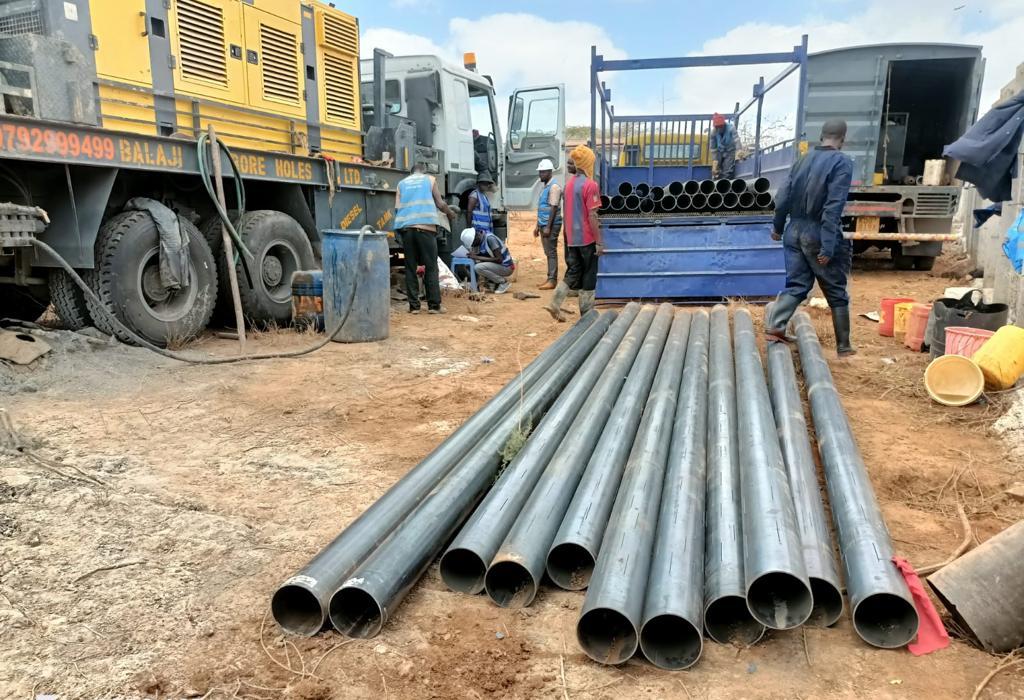
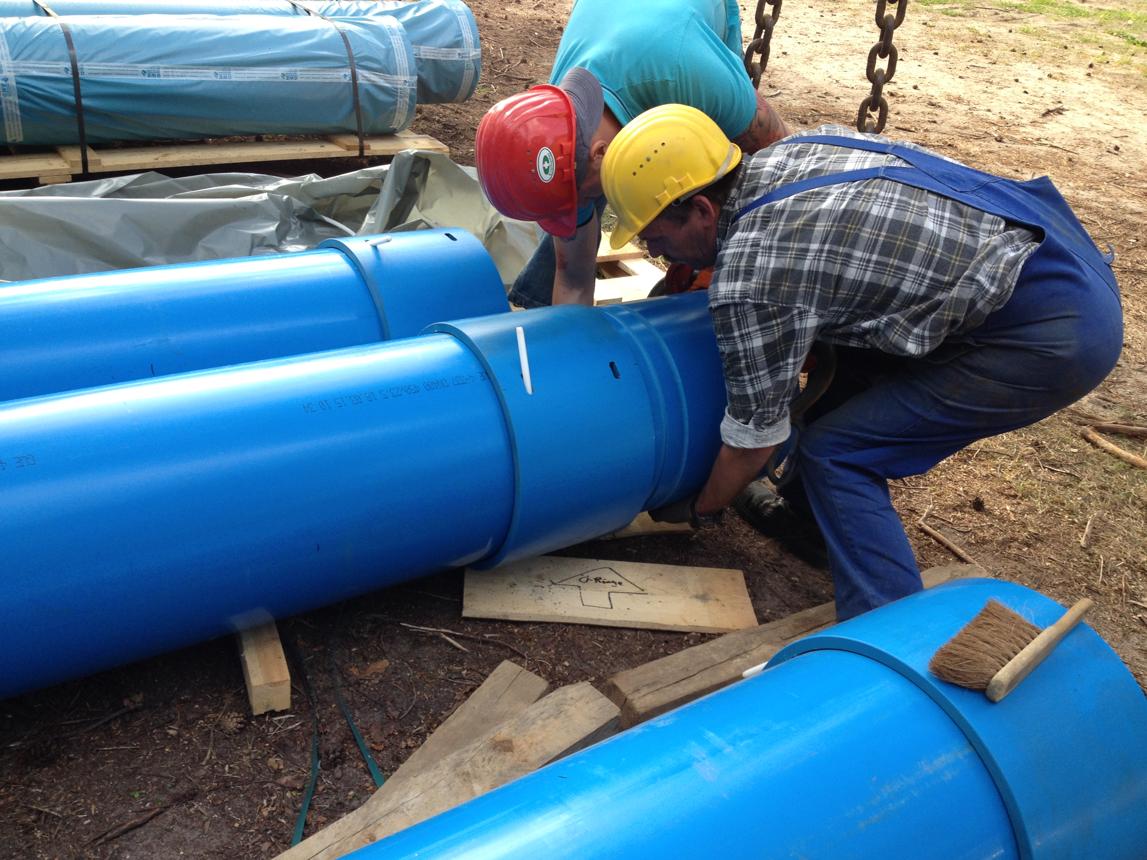
Turkana County is one of Kenya’s most water-challenged regions, where dependable water supply is essential for households, pastoral communities, livestock, schools, health facilities, businesses, irrigation projects and community development. In many areas, water availability is closely connected to livestock survival, settlement growth, food security and economic activities.
GossTech Kenya Technologies provides borehole drilling services in Turkana County, including hydrogeological surveys, geophysical surveys, borehole drilling, casing installation, borehole development, pumping tests, submersible pump installation, solar pumping, water storage, water treatment, borehole rehabilitation and complete water supply systems.
We serve residential customers, ranches, pastoral communities, farms, institutions, schools, hospitals, NGOs, commercial establishments, county projects and community water initiatives.
Our borehole drilling services cover Lodwar, Kakuma, Lokichogio, Kalokol, Kitale-border routes where relevant, Lokichar, Katilu, Kainuk, Turkwel, Loima, Kapedo, Eliye Springs, Kerio, Nakwamekwi, Nadapal, Kaeris, Lowarengak, Lokitaung, Kibish, Letea, Songot, Lopur, Lokori, and surrounding villages and settlements throughout Turkana County.
Borehole drilling services throughout Turkana County
Turkana has extensive water needs across its different sub-counties. Groundwater is important in many settlements where reliable surface water is limited or seasonal.
GossTech Kenya Technologies offers borehole drilling and water-system services for:
Homes and residential properties
Rural homesteads
Livestock ranches
Pastoral communities
Commercial farms
Irrigation projects
Schools
Hospitals and health facilities
Churches
Community projects
NGOs and humanitarian projects
Hotels and lodges
Businesses
Construction projects
Government and institutional facilities
A borehole project should be carefully planned according to the local geology, groundwater conditions, intended water use, drilling requirements and available infrastructure.
Turkana County’s own project records show continuing investment in boreholes, water storage, solarisation, reticulation and community water infrastructure in locations including Lokapel, Kaikol, Lokichar, Elelea, Kabokorit, Lokaburu, Lowarengak, Nawotom, Napak and Naremit.
Turkana County Dashboard+2
Borehole drilling in Lodwar and Turkana Central
Lodwar is the main urban and commercial centre of Turkana County. Residential development, commercial activities, institutions, hotels, hospitals, schools, businesses and surrounding communities all require reliable water supplies.
GossTech Kenya Technologies provides borehole drilling services in Lodwar and throughout Turkana Central.
Areas served around Lodwar
Our service coverage includes:
Lodwar Town
Township
Kanamkemer
Nakwamekwi
Kangatotha
Kerio Delta
Kerio
Eliye Springs
Chokchok
Nakurio
Lochor Aikeny
Lokipetot
Naotin
Kalokol-border areas
Surrounding villages and settlements
Boreholes for Lodwar residential properties
Homeowners and property developers may require boreholes for:
Household water
Apartments
Rental properties
Gated communities
Commercial buildings
Hotels
Restaurants
Schools
Health facilities
Construction projects
A residential borehole system may include:
Hydrogeological assessment
Geophysical survey
Borehole drilling
Casing and screen installation
Borehole development
Pumping test
Submersible pump
Storage tanks
Water treatment
Distribution pipelines
Boreholes for businesses in Lodwar
Businesses require water for their daily operations.
Potential borehole applications include:
Hotels
Restaurants
Lodges
Car washes
Commercial buildings
Offices
Retail premises
Construction businesses
Food-processing operations
Warehouses
Service businesses
The borehole should be designed according to the business’s water demand.
Boreholes for schools and hospitals
Institutions in Lodwar may require substantial water for sanitation, kitchens, cleaning, handwashing, laundry, patient care and other activities.
An institutional borehole may require larger storage tanks, suitable pump capacity, treatment systems and a distribution network.
Turkana County project records include borehole and water supply projects in Lodwar Township, Chokchok, Nakurio, Kangatotha and Kerio Delta areas.
Turkana County Dashboard+1
Borehole drilling in Kakuma and Turkana West
Kakuma and Turkana West have significant water requirements arising from residential settlements, humanitarian operations, institutions, livestock, commercial activities and growing communities.
GossTech Kenya Technologies provides borehole drilling services in Kakuma, Turkana West and surrounding locations.
Areas served in Turkana West
Kakuma
Kakuma Town
Kakuma refugee camp surrounding areas, subject to access and project requirements
Lokaburu
Songot
Letea
Nawotom
Lopur
Nakalale
Makutano
Kabokorit
Ngijawoi
Moru Abarait
Nanam
Lokichogio-border areas
Surrounding settlements and rural communities
Boreholes for community water projects
Community boreholes may serve:
Villages
Schools
Dispensaries
Community centres
Livestock watering points
Small businesses
Public institutions
A community borehole project may require more than drilling. The complete system may include:
Survey and site assessment
Borehole drilling
Casing installation
Borehole development
Pumping test
Pump installation
Solar power system
Storage tanks
Reticulation
Water treatment
Distribution points
Turkana County records include borehole projects in Kakuma, Lokaburu, Kabokorit, Nawotom, Letea, Lopur and other Turkana West locations, with several projects incorporating development, equipping, solarisation and water reticulation.
Turkana County Dashboard+2
Borehole drilling for institutions in Kakuma
Institutions may require reliable water for:
Schools
Training centres
Hospitals
Health facilities
Community organisations
Religious institutions
Humanitarian facilities
Residential facilities
Water demand should be calculated according to the number of users and the activities undertaken at the facility.
Borehole drilling for commercial properties
Commercial boreholes can support:
Hotels
Restaurants
Lodges
Retail businesses
Construction sites
Warehouses
Commercial facilities
Car washes
Businesses with water-intensive operations
A commercial water system may require high-capacity pumps, large tanks, treatment equipment and multiple distribution points.
Borehole drilling in Lokichogio
Lokichogio is an important northern Turkana centre serving residents, businesses, transport activities, institutions and surrounding communities.
GossTech Kenya Technologies provides borehole drilling services in Lokichogio and surrounding areas.
Coverage around Lokichogio
Lokichogio Town
Nanam
surrounding settlements
rural villages
community projects
pastoral areas
institutional properties
commercial properties
Water for residential properties
A borehole may help households establish a more dependable water source where groundwater conditions and borehole performance support the intended use.
Residential installations may include:
Borehole drilling
Casing
Pump
Solar system
Storage tank
Tank stand
Water treatment
Household distribution
Water for livestock
Livestock is central to livelihoods in many parts of Turkana.
Borehole water may be used for:
Cattle
Goats
Sheep
Camels
Other livestock
A livestock borehole system may require substantial water storage, solar pumping and distribution points designed to serve animals efficiently.
The required pumping capacity depends on the number of animals, seasonal demand, water availability and the operational requirements of the livestock project.
Borehole drilling in Lokichar and Turkana South
Turkana South includes communities, livestock areas, rural settlements, commercial centres and agricultural activities that require reliable water sources.
GossTech Kenya Technologies offers borehole drilling services in Lokichar, Katilu, Kainuk and surrounding areas.
Areas served in Turkana South
Lokichar
Katilu
Kainuk
Kalemungorok
Lokapel
Kaikol
Keng’olereng
Loreng
Natwel
Ageles
Lopur-border settlements
surrounding villages
pastoral settlements
agricultural and livestock areas
County records identify borehole and water-storage projects in locations including Lokapel, Kaikol, Keng’olereng, Loreng, Natwel and Ageles, demonstrating the importance of water infrastructure in the region.
Turkana County Dashboard+2
Boreholes for livestock ranches
A borehole may supply water for livestock projects, including:
Cattle ranches
Goat farms
Sheep farms
Camel operations
Livestock markets
Livestock holding facilities
Community livestock projects
The system may include:
Borehole
Pump
Solar power
Storage reservoir
Elevated tanks
Water troughs
Pipeline distribution
Livestock watering points
Boreholes for community settlements
Community projects may need water for:
Household use
Schools
Health facilities
Community institutions
Livestock
Small-scale farming
The water system should be designed according to the size of the community and the water demand.
Borehole drilling in Loima Sub-County
Loima is an important area for livestock production, rural settlements, community water projects and agricultural activities. Reliable water supply is critical for households, livestock, schools, health facilities and local businesses.
GossTech Kenya Technologies provides borehole drilling and complete water-system installation services in Loima.
Areas served in Loima
Our coverage includes:
Loima Town
Turkwel
Napak
Naremit
Kotaruk
Lobei
Lokiriama
Lorengippi
Urum
Loya
Naipa
Kangacheria
Lokwatubwa
surrounding settlements
pastoral areas
community projects
Borehole drilling for pastoral communities
Boreholes can be important water sources for pastoral settlements and livestock projects.
A project may include:
Hydrogeological survey
Geophysical investigation
Drilling
Borehole casing
Development
Pumping test
Solar pumping
Water storage
Pipeline reticulation
Livestock watering points
Solar-powered boreholes in Loima
Solar pumping can be particularly useful in remote areas where electricity supply may be unavailable or expensive.
A solar borehole system may provide water to:
Community settlements
Livestock
Schools
Dispensaries
Farms
Residential properties
Water can be pumped into storage tanks during daylight hours and used when required.
Turkana County records include projects involving borehole drilling, development, equipping, solarisation and reticulation in locations such as Napak, Naremit and other Loima communities.
Turkana County Dashboard+2
Borehole drilling in Turkana East
Turkana East includes pastoral communities, rural settlements, livestock production areas and locations where water infrastructure is essential.
GossTech Kenya Technologies provides borehole drilling services in Turkana East and surrounding locations.
Areas covered
Lokori
Kochodin
Lokubae
Kapedo
Suguta
Napeitom
surrounding villages
pastoral settlements
livestock areas
community water projects
Boreholes for livestock and pastoral settlements
Livestock water demand can be substantial, particularly during dry periods.
A borehole project may be designed around:
Number of livestock
Daily water demand
Pumping capacity
Borehole yield
Water storage
Trough design
Pipeline distance
Solar pumping
Seasonal demand
Boreholes for irrigation
Where groundwater conditions and water availability permit, boreholes may support small-scale irrigation, horticulture, fodder production and other agricultural projects.
The proposed irrigation project must be assessed against the sustainable groundwater supply available.
Turkana County has water and irrigation-related projects in areas such as Lokori/Kochodin and Lokubae, highlighting the importance of water resources for agricultural and livelihood activities in Turkana East.
Turkana Dashboard+1
Borehole drilling in Turkana North
Turkana North is a large region with remote communities, pastoral settlements, rural villages and extensive livestock areas.
GossTech Kenya Technologies provides borehole drilling services in Turkana North, subject to site accessibility, mobilisation planning and project requirements.
Areas served in Turkana North
Lokitaung
Kaeris
Lowarengak
Kalokol-border areas
Lakezone
Lapur
Kibish-border settlements
Kaleng
Kaikor
Elelea
Ngipidinga
surrounding villages
rural communities
pastoral areas
Boreholes for remote settlements
Remote borehole projects require careful planning.
Important considerations include:
Access for drilling machinery
Mobilisation logistics
Ground conditions
Site security
Water demand
Solar power availability
Storage
Reticulation
Maintenance access
Spare parts availability
Community boreholes
Community boreholes may serve villages, schools, dispensaries, livestock and public institutions.
A properly designed system may include:
Borehole drilling
Pump installation
Solar panels
Controller
Water storage
Distribution pipelines
Water kiosks
Troughs
Water treatment
County records identify drilling and equipping projects in Turkana North locations including Kaeris, Lakezone, Lapur, Kaleng/Kaikor and Kibish, alongside additional borehole projects in Elelea, Lowarengak and Ngipidinga.
Turkana County Dashboard+2
Borehole drilling in Kibish
Kibish is a remote area where reliable water supply is important for settlements, livestock and community services.
GossTech Kenya Technologies offers borehole drilling and water-system planning for Kibish and surrounding areas, subject to access and mobilisation arrangements.
Water projects for Kibish
Boreholes may serve:
Rural homes
Communities
Livestock
Schools
Health facilities
Community projects
Pastoral settlements
A remote borehole system may incorporate solar pumping, large storage capacity and pipelines to distribute water to multiple users.
Groundwater conditions and borehole planning in Turkana County
Turkana County is characterised by arid and semi-arid conditions, with high temperatures, limited and variable rainfall, extensive pastoral landscapes and significant demand for water.
Groundwater is a major resource in many areas, but its occurrence, depth, quality and yield vary significantly from location to location.
A borehole in Lodwar may have different groundwater conditions from one in Kakuma, Lokichar, Loima, Lokitaung, Kapedo, Kibish or another settlement.
Factors influencing groundwater availability
Groundwater conditions may be influenced by:
Geological formations
Sedimentary deposits
Weathered rock
Fractured formations
Alluvial deposits
River valleys
Aquifer thickness
Groundwater recharge
Local drainage
Terrain
Geological structures
Ground elevation
Existing abstraction
Seasonal rainfall
Water quality
Groundwater in river valleys and alluvial areas
In some locations, groundwater may occur within alluvial deposits associated with river valleys and drainage systems.
These formations can differ substantially in thickness, permeability and groundwater characteristics.
A hydrogeological assessment can help evaluate whether such formations may be suitable groundwater targets.
Groundwater in fractured formations
In some areas, groundwater may be associated with fractures, joints and weathered zones within underlying rock formations.
The location and characteristics of these features can vary, making site-specific investigations important.
Groundwater quality
Groundwater in arid and semi-arid environments can have varying levels of dissolved minerals.
Potential water-quality concerns may include:
High salinity
Elevated total dissolved solids
Fluoride
Hardness
Iron
Manganese
Nitrates
Microbiological contamination
Not every borehole will have these problems. Water quality must be established through laboratory testing.
Why a borehole survey is important
Before drilling, a survey helps evaluate the proposed location and provides information that can guide drilling decisions.
Hydrogeological survey
The hydrogeological survey assesses the groundwater environment and considers:
Geological information
Groundwater occurrence
Existing boreholes
Nearby water sources
Terrain
Drainage
Recharge
Potential aquifer formations
Possible contamination risks
Geophysical survey
Geophysical investigations may help identify subsurface formations and potential groundwater targets.
The investigation may consider:
Resistivity variations
Geological structures
Weathered formations
Fractures
Potential aquifer zones
Subsurface layering
Important groundwater disclaimer
A survey is a technical investigation, not a guarantee.
No responsible drilling company can guarantee that every borehole will produce water, achieve a particular yield, reach water at a specific depth or produce water of a particular quality.
The final borehole performance must be established through drilling, construction and pumping tests.
The complete borehole drilling process in Turkana
Step 1: Consultation and project planning
We discuss the proposed project and establish:
Exact location
Intended use of water
Residential demand
Livestock numbers
Irrigation requirements
Institutional requirements
Commercial requirements
Available power
Solar pumping preferences
Storage requirements
Pipeline requirements
Site accessibility
This information helps determine the appropriate project approach.
Step 2: Site assessment
The proposed property is assessed for suitable drilling locations.
Factors may include:
Access for drilling equipment
Available working space
Existing buildings
Property boundaries
Nearby sanitation facilities
Potential contamination sources
Drainage
Ground conditions
Storage tank location
Distribution layout
Step 3: Hydrogeological investigation
A hydrogeological survey may be undertaken to assess groundwater conditions and identify potential drilling targets.
Step 4: Geophysical investigation
Where required, geophysical methods are used to investigate subsurface characteristics and guide the proposed drilling location.
Step 5: Regulatory approvals
The project should comply with applicable Kenyan water-resource laws, regulations and approval procedures.
The required approvals should be confirmed according to the proposed project and relevant authorities.
Step 6: Mobilisation
Drilling machinery, equipment, personnel and materials are transported to the site.
Mobilisation in Turkana may be a major project consideration because distances can be long and some locations have challenging access.
The mobilisation budget may depend on:
Starting location of equipment
Distance
Road conditions
Terrain
Equipment size
Site accessibility
Security and logistics
Project requirements
Step 7: Drilling
Drilling begins at the selected location.
The drilling team monitors the formations encountered, drilling progress, borehole stability and groundwater conditions.
The drilling depth depends on the geological conditions and project requirements.
Step 8: Geological recording
Information about the formations encountered is recorded where applicable.
This information helps inform borehole construction.
Step 9: Casing installation
Appropriate casing and screens are installed to protect and support the borehole.
The casing design should consider:
Borehole diameter
Geological formations
Borehole stability
Screen placement
Water-bearing zones
Gravel packing
Sealing requirements
Step 10: Borehole development
Development helps remove drilling debris, fine particles and other materials from the borehole.
The objective is to improve the borehole’s connection to the groundwater-bearing formation and support improved water clarity and performance.
Step 11: Pumping test
A pumping test evaluates the borehole’s performance.
It may establish:
Pumping rate
Water level
Drawdown
Recovery
Borehole performance
Appropriate pump selection
Step 12: Water quality analysis
Water should be tested before it is used for drinking or other sensitive purposes.
Testing can help establish the need for treatment.
Step 13: Pump installation
The pump is selected based on the borehole’s performance and intended water use.
Installation may include:
Submersible pump
Pump cable
Rising main
Control panel
Electrical protection
Water-level protection
Installation accessories
Step 14: Solar system installation
Where solar pumping is required, solar panels, controllers, mounting structures and electrical components are installed.
Step 15: Water storage
Water storage is installed according to daily demand, pumping capacity and distribution requirements.
Step 16: Pipeline and reticulation
Pipelines are installed to distribute water to homes, farms, institutions, livestock troughs or community points.
Step 17: Commissioning
The system is tested to ensure that the pump, power system, tanks, pipelines and distribution points work correctly.
Borehole drilling for livestock and pastoral communities in Turkana
Livestock is an essential source of livelihood for many Turkana communities. Reliable water supply is vital for cattle, goats, sheep, camels and other livestock, particularly during prolonged dry conditions.
GossTech Kenya Technologies provides borehole drilling and livestock water-system solutions for ranches, pastoral settlements, community livestock projects and livestock facilities.
Water for cattle
Cattle require dependable water for drinking and general farm management.
A borehole system may include:
Borehole
Submersible pump
Solar pumping system
Water storage tanks
Reservoir
Pipeline network
Cattle troughs
Distribution points
Water for goats and sheep
Goats and sheep require water at accessible locations.
A borehole may support:
Small livestock farms
Ranches
Community herds
Livestock holding areas
Pastoral settlements
Water for camels
Camel production is important in arid environments.
Borehole projects may be designed to supply water for camel herds and associated livestock operations, depending on groundwater availability and the system’s pumping capacity.
Livestock watering infrastructure
A complete livestock water project may include:
Borehole drilling
Pump installation
Solar panels
Storage tanks
Elevated tanks
Pipeline distribution
Livestock troughs
Water points
Valves
Fencing around water infrastructure
The system should be designed to reduce congestion around water points and facilitate reliable water access.
Borehole drilling for irrigation and agriculture in Turkana
Although Turkana is predominantly arid and semi-arid, agriculture and irrigation projects can be important in suitable locations where water resources, soil conditions and project economics permit.
Borehole water may support:
Vegetable farming
Horticulture
Greenhouses
Nursery production
Fodder production
Fruit trees
Small-scale irrigation
Community agricultural projects
Greenhouse farming
A borehole can supply water to greenhouses where groundwater quantity and quality are suitable.
Greenhouse systems may include:
Water storage
Filtration
Drip irrigation
Pressure management
Irrigation pipelines
Fertigation systems
Fodder production
Water may be required for fodder production to support livestock during periods when grazing is limited.
Potential crops may include suitable fodder varieties selected according to local soil, climate, water availability and agricultural advice.
Irrigation system design
Irrigation planning should consider:
Farm size
Crop type
Daily water requirements
Borehole yield
Pumping duration
Storage capacity
Soil
Irrigation method
Water quality
Solar capacity
Seasonal water demand
A borehole should not be assumed to support large-scale irrigation until its yield has been established.
Solar-powered borehole pumping in Turkana
Solar pumping is particularly relevant for remote properties, pastoral communities, rural institutions and livestock projects where electricity access may be limited or operating costs may be high.
How solar pumping works
Solar panels generate electricity during daylight hours.
The generated power is supplied through a controller to operate the borehole pump.
The pump moves water from the borehole into a tank, reservoir or distribution system.
Stored water can then be used when solar energy is unavailable.
Components of a solar borehole system
A typical solar borehole installation includes:
Solar panels
Solar mounting structure
Solar pump controller
Submersible pump
Pump cable
Rising main
Storage tanks
Water distribution pipelines
Electrical protection
Benefits of solar pumping
Solar borehole systems may offer:
Reduced dependence on grid electricity
Reduced fuel consumption
Lower ongoing pumping costs
Suitability for remote areas
Daytime water pumping
Integration with water storage
Livestock water supply
Community water supply
Irrigation support
Solar boreholes for communities
A community solar borehole may be designed to pump water into elevated storage or a reservoir before distributing it through pipelines to different locations.
This may include:
Community water kiosks
Household distribution points
Livestock watering points
Schools
Dispensaries
Public facilities
The solar system must be correctly sized according to the borehole depth, pumping water level, daily water demand, required flow rate and storage capacity.
Borehole water storage and distribution systems
Water storage is critical in Turkana because demand may exceed the amount that can be pumped at any particular moment.
Storage tanks
Storage tanks can be used for:
Homes
Communities
Schools
Hospitals
Farms
Livestock
Businesses
Elevated storage tanks
Elevated tanks can provide gravity-fed distribution where the tank elevation is sufficient.
Steel reservoirs
Larger projects may require steel storage reservoirs.
Underground reservoirs
Underground water storage may be appropriate for larger projects or specific site conditions.
Water distribution pipelines
Pipeline networks can transport water from the borehole and storage facilities to:
Homes
Schools
Community water points
Livestock troughs
Farms
Businesses
Health facilities
The pipeline design should consider distance, elevation, pressure, expected demand and future expansion.
Borehole water testing and treatment in Turkana County
Borehole water quality varies between locations. Water that appears clear may contain dissolved minerals or microorganisms that make it unsuitable for drinking without treatment.
Water should be tested before it is used for drinking, cooking or other sensitive applications.
Common water-quality parameters
Testing may assess:
pH
Turbidity
Electrical conductivity
Total dissolved solids (TDS)
Hardness
Salinity
Fluoride
Iron
Manganese
Nitrates
Microbiological contamination
Common borehole water treatment systems
Sediment filtration
Used to remove suspended particles and sediment where necessary.
Sand filtration
May be incorporated into suitable filtration systems to remove suspended materials.
Activated carbon filtration
Can help improve taste and odour and reduce certain substances depending on the treatment design.
Water softening
May be required where water hardness causes scaling or affects plumbing and equipment.
Reverse osmosis
May be appropriate where laboratory results indicate that dissolved substances require reduction.
UV disinfection
Ultraviolet systems can be used for microbial disinfection when designed and maintained correctly.
Chlorination
Chlorination may be used for disinfection in appropriate water systems.
Water treatment for livestock
Water quality is also important for livestock.
Testing may help assess suitability for cattle, goats, sheep, camels and other animals.
The suitability of water depends on the mineral composition, salinity, contaminants and the livestock species involved.
Borehole rehabilitation, repair and maintenance in Turkana
Existing boreholes may experience performance problems because of pump failure, sediment accumulation, electrical faults, changing groundwater conditions or damaged infrastructure.
GossTech Kenya Technologies provides borehole-related maintenance and system assessment services.
Common borehole problems
Borehole producing less water
Possible causes include:
Pump malfunction
Borehole blockage
Sediment accumulation
Changes in groundwater conditions
Pumping beyond sustainable capacity
Mechanical problems
Pump failure
A pump may fail because of:
Electrical faults
Mechanical wear
Incorrect pump selection
Excessive pumping
Sand or sediment
Poor installation
Ageing equipment
Sand in borehole water
Sand may result from borehole construction issues, screen problems, geological conditions or inadequate development.
Low water pressure
Possible causes include:
Pump failure
Pipeline leaks
Pipe restrictions
Inadequate pump capacity
Insufficient tank elevation
Incorrect system design
Solar system problems
Solar borehole systems may experience:
Damaged panels
Controller faults
Cable problems
Pump failure
Poor panel performance
Incorrect system sizing
Borehole maintenance services
Maintenance may include:
Pump inspection
Pump replacement
Electrical inspection
Solar panel inspection
Controller inspection
Water-level monitoring
Pipeline inspection
Storage tank cleaning
Water quality testing
Borehole performance assessment
Regular maintenance is particularly important for remote boreholes because system failure can disrupt access to water for households, livestock and communities.
Borehole drilling costs in Turkana County
The cost of drilling a borehole in Turkana depends on the location, geology, depth, casing requirements, water yield, equipment, mobilisation, site accessibility, pump installation, solar systems and storage infrastructure.
Remote locations may have additional mobilisation and logistical costs compared with projects closer to major roads or equipment bases.
Indicative borehole costs
| Service/component | Indicative cost (KSh) |
|---|---|
| Hydrogeological survey | 40,000–100,000 |
| Geophysical survey | 35,000–100,000 |
| Permits and approvals | 30,000–150,000+ |
| Mobilisation | 50,000–200,000+ |
| Drilling per metre | 6,000–12,000+ |
| Casing per metre | 2,500–6,000+ |
| Screen casing per metre | 3,000–7,000+ |
| Gravel pack | 20,000–100,000+ |
| Borehole development | 30,000–100,000+ |
| Pumping test | 30,000–100,000+ |
| Water testing | 15,000–50,000+ |
| Submersible pump | 50,000–300,000+ |
| Pump installation | 30,000–100,000+ |
| Electrical installation | 30,000–150,000+ |
| Solar pumping system | 150,000–800,000+ |
| Storage tanks | 20,000–300,000+ |
| Tank structure | 50,000–500,000+ |
These figures are general planning estimates. Turkana projects may require additional transport, mobilisation, logistics, site preparation, security planning, storage and pipeline costs depending on the location.
Estimated complete borehole project budgets
Basic residential borehole
KSh 1.2 million–2.0 million+
Depending on depth, casing, pump, testing and project requirements.
Borehole with storage
KSh 1.5 million–2.8 million+
May include additional tanks, installation and associated equipment.
Solar-powered residential borehole
KSh 2 million–4.5 million+
Depends on pump size, solar capacity, storage and water demand.
Commercial or institutional borehole
KSh 2.5 million–4.5 million+
May require larger pumping systems, tanks, treatment and distribution infrastructure.
Livestock or community borehole project
Project-specific
The cost depends on:
Borehole depth
Yield
Pump capacity
Solar equipment
Storage
Livestock numbers
Pipeline distance
Number of water points
Site accessibility
Reticulation requirements
Project size
A community water project can cost substantially more than a simple borehole installation because it may require large reservoirs, solar systems, extensive pipeline networks and multiple distribution points.
Frequently asked questions about borehole drilling in Turkana County
1. How much does borehole drilling cost in Turkana?
The cost depends on depth, geology, casing, pump installation, water storage, solar pumping, mobilisation and site accessibility. A basic residential project may require approximately KSh 1.2 million–2 million or more, while complete solar, commercial, institutional and community projects may cost substantially more.
2. How deep should a borehole be drilled in Turkana?
There is no single depth that applies to the entire county. Groundwater conditions differ between Lodwar, Kakuma, Lokichar, Loima, Turkana North, Turkana East and other locations. The drilling depth should be determined by the site conditions and groundwater targets.
3. Can you drill boreholes in Lodwar?
Yes. We provide borehole drilling services in Lodwar and surrounding areas, including residential, commercial, agricultural and institutional projects.
4. Do you drill boreholes in Kakuma?
Yes. We serve Kakuma and surrounding Turkana West locations, subject to access, mobilisation and project requirements.
5. Do you drill boreholes in Lokichar and Katilu?
Yes. We provide borehole drilling services in Lokichar, Katilu and surrounding settlements in Turkana South.
6. Can a borehole supply water for livestock?
Yes. Boreholes can be designed for livestock water supply, provided the groundwater yield is suitable for the intended demand.
7. Can solar power be used for borehole pumping?
Yes. Solar-powered borehole pumps are suitable for many remote locations where electricity may be unavailable or expensive.
8. Can a borehole supply a whole community?
Yes. Community boreholes may be designed with appropriate pumps, solar systems, storage reservoirs, reticulation and water distribution points. The system must be designed according to the community’s water demand and borehole performance.
9. Is borehole water in Turkana safe for drinking?
Not automatically. Borehole water should be tested in a laboratory. Depending on the results, treatment may be necessary.
10. Does a geophysical survey guarantee water?
No. A geophysical survey helps identify potential drilling targets but cannot guarantee water, a particular depth, yield or water quality.
11. Do you install water tanks?
Yes. We assist with water storage systems, including ground-level tanks, elevated tanks, tank structures and reservoirs.
12. Can you repair an existing borehole?
Yes. We can help assess borehole problems involving pumps, reduced water production, electrical faults, solar systems, pipeline problems and related infrastructure.
13. Do you drill boreholes for schools, churches and hospitals?
Yes. We provide borehole services for institutions, schools, hospitals, churches, community projects, NGOs and commercial facilities.
14. Do you serve remote areas of Turkana?
We provide services across Turkana County, subject to site accessibility, mobilisation arrangements, project requirements and logistics.
Professional borehole drilling in Turkana County
If you need a borehole for your home, livestock, farm, institution, business, community or commercial project, GossTech Kenya Technologies can assist with planning and installation of a complete water supply system.
Our services include:
Hydrogeological surveys
Geophysical surveys
Borehole drilling
Borehole casing
Borehole development
Pumping tests
Submersible pumps
Solar borehole pumping
Water storage tanks
Water tower construction
Pipeline reticulation
Water testing
Water treatment
Borehole rehabilitation
Pump repair and replacement
Contact GossTech Kenya Technologies
Professional borehole drilling and water solutions in Turkana County, Nairobi and Across Kenya.
📞 Phone: 0723613664
📧 Email: info@gosstech.co.ke
🌐 Website: www.gosstech.co.ke
Contact us to discuss your location, water requirements, proposed borehole and complete installation needs.
Description
Professional borehole drilling in Turkana County for homes, livestock, farms, businesses, schools, institutions and communities. Hydrogeological surveys, geophysical surveys, drilling, casing, solar pumps, storage, water treatment and complete water systems in Lodwar, Kakuma, Lokichogio, Lokichar, Katilu, Loima, Kainuk, Turkana North, Turkana East, Turkana West and across Turkana.