
Borehole Drilling in Kirinyaga County, Kenya – GossTech Kenya Technologies
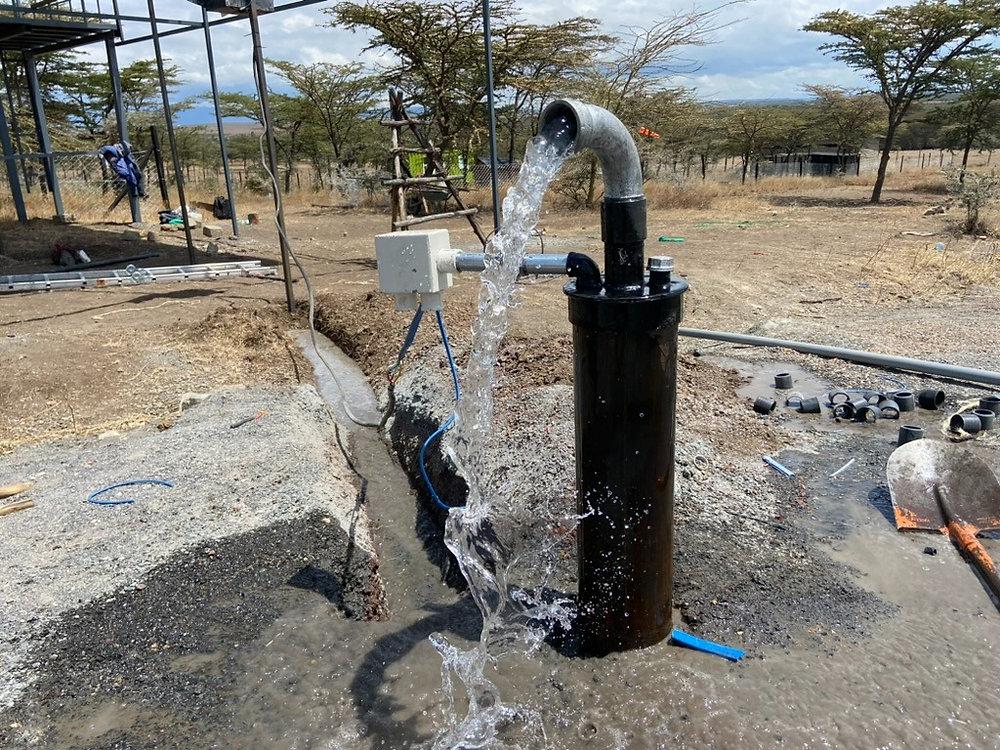
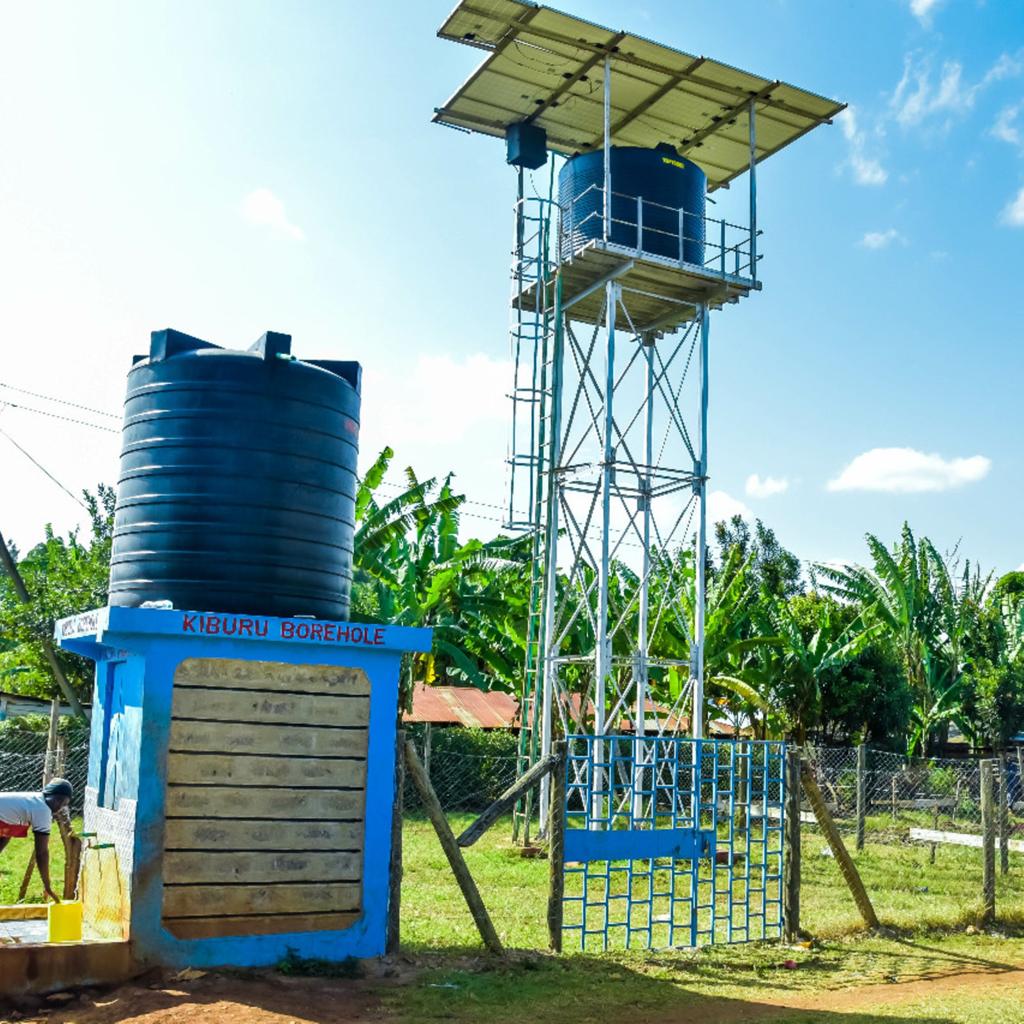
Kirinyaga County has diverse water needs, ranging from residential homes and apartment developments to tea and coffee farms, horticultural enterprises, livestock farms, schools, hospitals, hotels, commercial properties and community water projects. Reliable water access is particularly important for households and businesses that experience inconsistent water supply or require independent water sources for irrigation, production and daily operations.
GossTech Kenya Technologies provides borehole drilling services, hydrogeological surveys, geophysical surveys, borehole installation, pump installation, solar-powered water systems, water storage solutions, water testing, treatment and borehole rehabilitation services in Kirinyaga County, Nairobi and Across Kenya.
Whether you are planning to drill a borehole in Kerugoya, Kutus, Kagio, Wang’uru, Mwea, Baricho, Karatina-border areas, Ndia, Gichugu, Kirinyaga Central, Kirinyaga East or Kirinyaga West, proper planning and professional assessment are essential before commencing drilling.
Why borehole drilling is important in Kirinyaga County
Kirinyaga is an important agricultural county with a strong presence of rice farming, horticulture, coffee production, tea farming, dairy farming, livestock keeping and commercial agriculture. Water is needed throughout the year for domestic use, farm operations, livestock, food processing and business activities.
Although parts of the county benefit from rivers, irrigation infrastructure, piped water systems and water projects, individual properties may still experience challenges such as:
Inconsistent piped water supply
High water bills for commercial users
Water shortages during dry periods
Long distances to reliable water sources
Dependence on irrigation canals or community water systems
Insufficient water for greenhouse farming
Growing residential developments requiring independent water sources
Water demand for schools, churches and institutions
Livestock watering requirements
Expansion of commercial farms and agricultural businesses
A properly planned borehole can provide a supplementary or independent water supply, depending on the groundwater conditions of the site, the available yield, water quality and the design of the pumping and storage system.
Kirinyaga County has continued investing in water infrastructure, including boreholes, water storage, pipeline extensions, solar-powered water projects and rehabilitation of existing water systems. County projects have included boreholes and water schemes in areas such as Mwea, Ndia, Gichugu and Kirinyaga Central.
kirinyaga.go.ke+3
Borehole drilling services in Kirinyaga County
GossTech Kenya Technologies provides comprehensive borehole services for customers who require professional assistance from initial site assessment to the final water supply system.
Our services include the following:
1. Hydrogeological survey
A hydrogeological survey assesses the geological and groundwater conditions of the proposed drilling site. The investigation helps determine whether the property may have suitable groundwater potential and identifies considerations that may influence the borehole design.
The survey may consider:
Geological formations
Groundwater occurrence
Existing boreholes within the area
Nearby springs and wells
Terrain and drainage
Groundwater recharge conditions
Possible aquifer formations
Anticipated drilling challenges
Potential groundwater contamination risks
Suitable drilling locations
The findings assist in planning the drilling project.
A hydrogeological survey is particularly important in Kirinyaga because groundwater conditions can differ between properties depending on elevation, geology, terrain, proximity to rivers and other local factors.
2. Geophysical survey
Geophysical investigations help identify subsurface formations that may contain groundwater.
Depending on the site and investigation method, the survey may help assess:
Subsurface resistivity variations
Fractured rock formations
Possible groundwater-bearing zones
Depth of weathered formations
Geological structures
Potential drilling targets
The purpose is to make an informed decision about where drilling should be undertaken.
No survey can guarantee that a borehole will produce a specific amount of water. Groundwater is naturally variable, and the final borehole performance must be established through drilling and testing.
3. Borehole drilling
After the site has been assessed and the necessary approvals obtained, drilling can begin.
The drilling method and equipment used depend on the ground formations expected at the site.
Drilling may encounter:
Soil
Weathered rock
Volcanic formations
Hard rock
Fractured formations
Aquifer-bearing layers
Different geological materials at varying depths
The drilling depth is determined by the site’s geological conditions and the groundwater targets encountered during the operation.
4. Borehole casing installation
Casing is installed to support and protect the borehole.
The casing design may include:
Plain casing
Screen casing
Appropriate casing diameter
Screen placement in suitable water-bearing zones
Gravel packing where required
Borehole sealing where necessary
The casing design should be appropriate for the geological formations and the anticipated borehole conditions.
5. Borehole development
Borehole development is an important stage after drilling and casing installation.
It helps remove drilling debris, fine particles and materials that may interfere with water flow.
Depending on the borehole and drilling method, development can involve techniques designed to improve the connection between the borehole and the surrounding aquifer.
Proper development can help improve water clarity and borehole performance, although the final yield depends on the aquifer itself.
6. Pumping test
A pumping test evaluates the performance of the borehole.
The test can help establish:
Water yield
Pumping water level
Drawdown
Recovery rate
Sustainable pumping considerations
Appropriate pump capacity
Recommended pumping duration
The results are used when selecting a suitable submersible pump.
7. Borehole pump installation
GossTech Kenya Technologies assists with the installation of borehole pumping systems.
The system may include:
Submersible pump
Pump cable
Rising main
Control panel
Protection systems
Water level monitoring equipment
Pump installation accessories
Pump selection should be based on borehole depth, pumping water level, yield, required delivery pressure, tank elevation and water demand.
8. Solar borehole pumping
Solar-powered borehole pumping is an attractive option for farms, rural homes, schools, livestock projects and properties where electricity costs or grid availability may be a concern.
Solar pumping systems may include:
Solar panels
Solar pump controller
Submersible pump
Electrical protection
Solar mounting structures
Water storage tanks
Distribution pipelines
Solar systems are particularly useful when water can be pumped during daylight hours and stored in tanks for use later.
9. Water storage and distribution
A borehole is most useful when the water can be stored and distributed efficiently.
We can help plan water systems incorporating:
Ground-level storage tanks
Elevated tanks
Water towers
Tank stands
Underground storage
Distribution pipelines
Irrigation connections
Domestic plumbing
Livestock troughs
Commercial water distribution systems
The storage capacity should match the anticipated daily demand and the borehole’s pumping capacity.
10. Water testing and treatment
Borehole water should be tested before being used for drinking, cooking or other sensitive applications.
Water testing can assess parameters such as:
pH
Turbidity
Electrical conductivity
Total dissolved solids
Hardness
Iron
Manganese
Fluoride where relevant
Microbiological contamination
Treatment may involve:
Sediment filtration
Sand filtration
Activated carbon
Iron removal
Water softening
UV disinfection
Chlorination
Reverse osmosis where appropriate
The treatment system should be designed according to actual laboratory test results rather than assumptions.
Borehole drilling in Kerugoya and Kirinyaga Central
Kerugoya and the surrounding areas form an important residential, commercial and institutional centre in Kirinyaga County. Property owners in the region may require boreholes for homes, apartments, commercial buildings, schools, hospitals, hotels, agricultural properties and other developments.
GossTech Kenya Technologies provides borehole drilling services in Kerugoya and surrounding locations.
Areas served around Kerugoya
Our coverage includes:
Kerugoya Town
Kutus
Kiamuthambi
Kirima
Kanyeki-ini
Inoi
Mutira
Karumandi
Baragwi
Kagumo
Kibirigwi
Ndia-border settlements
Rural settlements surrounding Kerugoya
Farms and residential developments throughout Kirinyaga Central
Boreholes for residential properties
Homeowners may drill boreholes to provide water for:
Household consumption after appropriate treatment
Bathrooms and showers
Kitchen use
Laundry
Cleaning
Gardening
Watering lawns
Car washing
Swimming pools
Domestic water storage
A residential borehole project should be designed according to the household’s daily water demand.
For a home with several occupants, a system with adequate pumping capacity and storage is important. The borehole may be capable of producing water, but the pump, pipes and storage system must also be designed to supply the required demand.
Boreholes for apartments
Apartment developments in Kerugoya and Kutus may require substantial water volumes.
A properly designed borehole system for apartments may include:
Borehole drilling
Hydrogeological survey
Geophysical survey
Casing installation
Pumping test
High-capacity submersible pump
Elevated water tanks
Water storage reservoirs
Distribution pipelines
Pressure management
Water treatment
Developers should consider future occupancy when calculating water demand.
Boreholes for businesses
Commercial boreholes can help businesses maintain reliable water availability.
Potential applications include:
Hotels
Restaurants
Car washes
Retail businesses
Commercial buildings
Offices
Manufacturing facilities
Food-processing operations
Warehouses
Construction projects
Water requirements differ considerably between businesses. A commercial borehole should therefore be designed around the specific operation rather than using a standard residential system.
Borehole drilling in Kutus
Kutus is an important administrative and commercial centre in Kirinyaga County. Residential expansion, business developments, institutions and surrounding agricultural properties create demand for reliable water sources.
GossTech Kenya Technologies offers borehole drilling services in Kutus and nearby areas.
Borehole applications in Kutus
Boreholes may be required for:
Residential homes
Apartments
Rental properties
Commercial premises
Hotels and accommodation facilities
Schools
Colleges
Churches
Health facilities
Agricultural properties
Livestock farms
Construction sites
Water supply for growing developments
As settlements expand, water demand can increase significantly.
Property owners developing rental houses, apartments or commercial premises should plan their water supply early. The borehole location, access for drilling machinery, storage capacity and distribution system should be considered during the planning stage.
A borehole project may involve more than drilling alone. The complete installation may include:
Site assessment
Survey
Permits and approvals
Mobilisation
Drilling
Casing and screening
Borehole development
Pumping test
Water analysis
Pump installation
Storage
Distribution
Borehole drilling in Mwea and Wang’uru
Mwea is one of the most important agricultural areas in Kirinyaga County. The region is associated with rice farming, irrigation, horticulture, livestock keeping and other agricultural activities.
Water is an essential resource for residential properties, farms, businesses and agricultural enterprises in Mwea.
GossTech Kenya Technologies provides borehole drilling services in Mwea, Wang’uru and surrounding areas.
Areas covered in Mwea
Service coverage includes:
Wang’uru
Mwea
Tebere
Mutithi
Thiba
Nyangati
Gathigiriri
Kimbimbi
Murinduko
Makutano
Karaba
Riagicheru
Kiorugari
Kitheru
Rurii
Togonye
Kithiriti
Musangondi
Surrounding farms and villages
These localities have different terrain and groundwater conditions. A drilling plan should therefore be based on an assessment of the actual property.
Borehole drilling for rice and agricultural farms
Agricultural boreholes may be used for supplementary water supply, livestock and other farm operations.
For irrigation, the borehole should be assessed against the intended agricultural application.
Important factors include:
Crop type
Irrigation method
Farm acreage
Seasonal water demand
Borehole yield
Pumping duration
Water storage capacity
Soil characteristics
Water quality
Electricity or solar availability
Distribution system design
A borehole that produces water suitable for domestic use may not automatically provide enough water for large-scale irrigation.
Greenhouse irrigation
Greenhouse farming requires careful water management.
Borehole water may support:
Tomato farming
Capsicum production
Cucumber production
Leafy vegetables
Nursery operations
Seedling production
Floriculture
Other horticultural crops
The borehole system may include water storage, filtration, drip irrigation, pressure management and fertigation equipment.
Water for livestock
Livestock farmers in Mwea may require water for:
Dairy cattle
Beef cattle
Goats
Sheep
Poultry
Pigs
Other farm animals
The system should accommodate the number of animals, daily consumption, cleaning requirements and future farm expansion.
Solar-powered boreholes in Mwea
Solar pumping can be especially attractive for farms where water is required during daylight hours.
Solar pumping systems may pump water directly into storage tanks, allowing the farm to use stored water when solar production is low or unavailable.
A correctly designed solar borehole system can help reduce dependence on grid electricity and ongoing energy costs.
Borehole drilling in Kagio and surrounding areas
Kagio is a growing commercial centre serving surrounding agricultural and residential communities. Boreholes may be needed by homeowners, farms, commercial establishments, schools, churches and property developers.
GossTech Kenya Technologies provides borehole drilling services in Kagio and nearby settlements.
Coverage around Kagio
We serve:
Kagio Town
Kanyekini
Kiamutugu
Gathigiriri
Mutithi
Mwea areas
Baricho
Kimbimbi
Nyangati
Surrounding villages
Agricultural properties and commercial developments
Boreholes for Kagio businesses
Businesses that may benefit from a private water source include:
Hotels
Restaurants
Retail premises
Car washes
Schools
Rental apartments
Commercial buildings
Agro-processing businesses
Construction projects
Water demand should be assessed before drilling and before selecting the pumping system.
Borehole drilling in Ndia
Ndia is an important agricultural and residential area within Kirinyaga County. Properties across Ndia may require boreholes to support household water supply, farming, livestock and institutional use.
GossTech Kenya Technologies provides borehole drilling services in Ndia and its surrounding settlements.
Areas covered in Ndia
Coverage includes:
Karatina-border areas where applicable
Baricho
Kianyaga-border areas
Mukui
Sagana
Mung’etho
Kiangai
Rukenya
Riagicheru areas
Rural Ndia settlements
Agricultural farms
Residential developments
The exact locality should be confirmed when planning mobilisation and conducting the site assessment.
Boreholes for Ndia agricultural properties
Agricultural water demand may include:
Coffee farms
Tea farms
Horticultural farms
Vegetable production
Greenhouses
Dairy farming
Poultry farming
Livestock watering
Farm workers’ housing
Crop washing and processing
The size of the borehole and pumping system should correspond to the farm’s actual water needs.
Boreholes for coffee farming
Coffee farms may require water for supplementary irrigation, seedling production, processing facilities, cleaning and domestic requirements.
A borehole system can be designed to supply water to a farm reservoir or storage tank before distributing it to various points.
Water for dairy farms
Dairy farms require reliable water for animals, cleaning milking equipment, washing facilities and general farm operations.
The system may incorporate:
Borehole pump
Storage tanks
Farm pipelines
Livestock drinking points
Washdown connections
Solar pumping
Borehole drilling in Gichugu and Kianyaga
Gichugu and Kianyaga contain rural settlements, agricultural properties, commercial centres and institutional facilities that may require dependable water supplies.
GossTech Kenya Technologies provides borehole drilling services throughout Gichugu and Kianyaga and their surrounding areas.
Areas covered
Our coverage includes:
Kianyaga
Ngariama
Njukiini
Kabare
Baragwi
Kanyeki-ini
Karumandi
Kagumo
Kirinyaga rural settlements
Surrounding villages
Farms and agricultural properties
Kirinyaga County water development projects have included schemes and borehole initiatives in areas such as Ngariama, Njukiini and other communities within the county, demonstrating the importance of water infrastructure in these locations.
kirinyaga.go.ke+2
Boreholes for rural homes
A borehole may be particularly useful for a rural property where piped water connections are unavailable, unreliable or insufficient for the property’s requirements.
Residential installations may include:
Borehole drilling
Water pump
Storage tank
Tank stand
Solar panels
Plumbing
Water treatment
Household connections
The design should account for the number of people living on the property and anticipated future demand.
Boreholes for tea and coffee farms
Agricultural properties may require water for irrigation, nurseries, processing, livestock and farm workers.
The borehole yield should be assessed before committing to an irrigation system.
Large irrigation systems should not be designed solely on the assumption that a borehole will produce a particular quantity of water. Pumping tests are necessary to establish actual performance.
Borehole drilling in Baricho
Baricho and the surrounding areas have residential properties, agricultural activities and rural settlements that may require private water sources.
GossTech Kenya Technologies offers borehole drilling services in Baricho and nearby areas.
Our services can support:
Residential homes
Farms
Commercial properties
Institutions
Churches
Schools
Livestock projects
Agricultural developments
Community water projects
Private boreholes for farms
Farm owners may require water for:
Crop irrigation
Vegetable production
Greenhouses
Livestock
Farm houses
Cleaning
Agricultural processing
The borehole should be integrated with an appropriately sized water storage and distribution system.
Borehole water storage
Storage tanks are important because water demand may fluctuate throughout the day.
A storage system can help ensure that:
Water is available during peak demand
Pumping can take place during suitable periods
Solar-powered pumping can operate during daylight
Water is distributed efficiently
The pump is not required to operate continuously for every household or farm use
Tank size should be based on the anticipated water consumption, borehole yield and pumping schedule.
Borehole drilling in Mutira and surrounding settlements
Mutira is another area where households, farms, institutions and commercial properties may require boreholes.
GossTech Kenya Technologies provides water drilling services in Mutira and surrounding locations.
Coverage includes:
Mutira
Gathigiriri areas
Rural settlements
Agricultural farms
Residential properties
Commercial developments
Institutional properties
Borehole drilling projects in these areas should begin with a professional assessment to identify a suitable drilling location.
Water for institutions
Schools, churches, health centres, community facilities and other institutions may require large volumes of water.
A borehole project for an institution may require:
Water demand assessment
Site investigation
Borehole drilling
Appropriate casing
Pumping test
High-capacity pump
Storage tanks
Distribution pipelines
Water treatment
Water quality monitoring
Institutional water systems should be designed for the number of users and anticipated future growth.
Borehole drilling across the wider Kirinyaga countryside
GossTech Kenya Technologies extends borehole drilling services beyond major towns to rural properties, farms, villages, settlements and developing areas across Kirinyaga County.
We serve clients in locations including:
Kerugoya
Kutus
Kagio
Wang’uru
Mwea
Kianyaga
Baricho
Sagana
Ndia
Gichugu
Mutira
Kabare
Baragwi
Ngariama
Njukiini
Murinduko
Thiba
Nyangati
Tebere
Gathigiriri
Kimbimbi
Mutithi
Kanyekini
Karumandi
Kagumo
Kibirigwi
Kiamutugu
Rukenya
Kithiriti
Musangondi
Mung’etho
Mukui
Riagicheru
Kiorugari
Kitheru
Rurii
Togonye
Sorothimu
Kirima
Kiamuthambi
Rural villages and surrounding agricultural settlements
The above list represents broad service coverage and should not be interpreted as an assurance that every individual location has identical groundwater conditions.
Understanding groundwater conditions in Kirinyaga County
Kirinyaga County has varied topography, including areas associated with the Mount Kenya region, agricultural highlands, river valleys and lower-lying areas associated with Mwea.
Groundwater conditions can vary considerably across the county.
Factors that influence groundwater availability include:
Geological formations
Volcanic formations in some areas
Weathered rock
Fractures in underlying rocks
Ground elevation
Local drainage
Recharge conditions
Proximity to rivers
Soil characteristics
Existing groundwater abstraction
Seasonal rainfall
Aquifer characteristics
In some areas, groundwater may occur within weathered formations or fractured rocks. In other locations, drilling may encounter different formations and groundwater conditions.
The existence of a successful borehole nearby does not guarantee that another borehole on a different property will have the same yield, depth or water quality.
This is why GossTech Kenya Technologies recommends conducting an appropriate site assessment before drilling.
Why groundwater conditions differ from one property to another
Two properties in the same village may have different groundwater characteristics.
Differences may result from:
Elevation differences
Geological structures
Rock fractures
Weathering
Drainage patterns
Aquifer thickness
Groundwater recharge
Local geological variation
A borehole drilled on one property may produce water at a different depth from a nearby property.
The survey should therefore be conducted for the actual site where drilling is intended.
Hydrogeological survey versus geophysical survey
These investigations serve complementary purposes.
Hydrogeological assessment
A hydrogeological assessment considers the broader groundwater environment, including geology, groundwater occurrence, recharge, existing water sources and other relevant information.
Geophysical investigation
Geophysical techniques can help examine subsurface characteristics and identify potential drilling targets.
The results assist in making a more informed decision about the drilling location.
Why both can be important
Depending on the property and project requirements, combining geological information, hydrogeological assessment and geophysical investigations can improve the planning process.
However, these investigations are tools for decision-making. They cannot eliminate the natural uncertainty associated with groundwater exploration.
The borehole drilling process in Kirinyaga County
A professional borehole project involves several stages.
Stage 1: Initial consultation
The first step is discussing the proposed borehole project.
We establish:
Property location
Intended use of water
Number of users
Expected daily demand
Agricultural requirements
Commercial water requirements
Availability of electricity
Solar pumping preferences
Storage requirements
Access for drilling equipment
This information helps determine the appropriate approach.
Stage 2: Site assessment
The site is assessed to determine suitable locations for investigation and drilling.
Considerations include:
Accessibility
Space for drilling machinery
Property layout
Existing structures
Nearby water sources
Potential contamination sources
Drainage
Ground conditions
Proposed water storage location
Stage 3: Hydrogeological and geophysical investigation
Where required, investigations are undertaken to identify suitable drilling targets and assess the groundwater potential.
The findings are used to guide drilling planning.
Stage 4: Permits and approvals
Borehole drilling must comply with applicable Kenyan water-resource regulations and approval requirements.
The project owner should ensure that the necessary permissions and documentation are obtained before drilling begins.
Requirements may depend on the project, location and applicable regulatory procedures.
Stage 5: Mobilisation
Drilling equipment and personnel are transported to the site.
Mobilisation costs may depend on:
Distance
Road access
Terrain
Equipment requirements
Site preparation
Project size
Stage 6: Drilling
The borehole is drilled according to the planned location and drilling design.
The drilling team monitors:
Ground formations
Drilling progress
Water-bearing formations
Borehole stability
Water strikes
Drilling conditions
The final depth is determined by the geological conditions encountered and project requirements.
Stage 7: Borehole logging and construction
Information about the formations encountered is recorded where applicable.
The borehole is then constructed using an appropriate casing and screening arrangement.
Stage 8: Casing installation
Casing protects the borehole and supports the drilled structure.
The casing and screen design should be appropriate for the formations encountered.
Stage 9: Gravel packing and sealing
Where required, gravel packing helps support the borehole filter zone.
Sealing may also be required to help protect the borehole from unwanted surface contamination and movement of water between formations.
Stage 10: Borehole development
The borehole is developed to remove drilling materials and improve its connection with the groundwater-bearing formation.
Stage 11: Pumping test
The pumping test establishes the borehole’s performance.
This information helps determine:
Appropriate pumping rate
Pumping water level
Drawdown
Recovery
Recommended pump selection
Stage 12: Water quality testing
Water samples should be analysed to determine the quality of the water and whether treatment is necessary for the intended use.
Stage 13: Pump installation
The appropriate submersible pump is selected and installed.
The pump should be compatible with:
Borehole depth
Water level
Yield
Pumping test results
Required pressure
Tank elevation
Water demand
Stage 14: Storage and distribution
The water system is completed with storage tanks, pipelines and necessary plumbing.
Stage 15: Commissioning
The system is tested to confirm that the pump, controls, storage and distribution components operate as intended.
Borehole drilling for homes in Kirinyaga
A private borehole can be an important investment for homeowners who require a reliable water supply.
Residential boreholes may serve:
Single-family homes
Rural homesteads
Newly constructed houses
Gated communities
Apartments
Rental properties
Estate developments
Holiday homes
Homes with gardens and landscaping
Planning a residential borehole
Before drilling, homeowners should consider:
Expected daily water consumption.
The number of occupants.
Future expansion of the property.
Storage tank capacity.
Pumping requirements.
Electricity or solar availability.
Water quality and treatment.
Borehole maintenance.
A borehole should be planned as a complete water supply system rather than simply a hole drilled into the ground.
Borehole drilling for apartments and property developers
Kirinyaga has growing residential and commercial developments. Developers may require reliable water supplies during construction and after occupation.
Borehole projects for apartments and estates can include:
Borehole drilling
Hydrogeological survey
Geophysical survey
Borehole construction
Pump installation
Water storage
Elevated tank construction
Pipeline distribution
Water treatment
Backup pumping systems
Water planning for apartments
The water system should be designed around:
Number of units
Occupancy
Number of bathrooms
Laundry facilities
Kitchen requirements
Common-area cleaning
Landscaping
Swimming pools, where applicable
Commercial facilities
Future occupancy
For larger developments, the borehole may require a high-capacity pump and substantial storage infrastructure.
Borehole drilling for agriculture in Kirinyaga
Agriculture is one of the major reasons property owners in Kirinyaga seek reliable water sources.
A borehole may support different agricultural operations depending on its yield and the quality of water.
Horticultural farming
Water may be required for:
Tomatoes
Capsicum
Cabbage
Kale
Spinach
Onions
Watermelons
Other vegetables
Fruit trees
Nursery plants
Greenhouse farming
Greenhouses require reliable water supplies and carefully controlled irrigation.
A borehole system may be connected to:
Water storage
Drip irrigation
Filters
Pressure regulators
Fertigation systems
Distribution pipelines
The borehole yield must be sufficient for the intended operation.
Irrigation systems
Borehole water can be distributed through different irrigation methods.
Drip irrigation
Drip irrigation delivers water near the plant root zone.
It may be suitable for:
Greenhouses
Fruit orchards
Vegetable farms
Small-scale horticulture
Sprinkler irrigation
Sprinkler systems distribute water through spray equipment.
Their suitability depends on water availability, pressure, crop requirements and the irrigation design.
Farm reservoirs
Storage reservoirs can help manage water demand by collecting pumped water before it is distributed to the farm.
Dairy farming
Dairy farmers require water for animals, cleaning, cooling and other farm operations.
A borehole system may serve:
Dairy cows
Calves
Milking areas
Cleaning equipment
Farm workers
General farm use
Poultry farming
Poultry operations require clean water for drinking, cleaning and maintaining hygienic production environments.
A borehole installation may be connected to storage tanks, filtration and poultry drinking systems.
Livestock farms
Boreholes may supply water for:
Cattle
Sheep
Goats
Poultry
Pigs
Other livestock
The daily water demand should be calculated according to the type and number of animals.
Borehole drilling for schools, churches and institutions
Institutions often require dependable water supplies for a large number of users.
GossTech Kenya Technologies offers borehole services for:
Primary schools
Secondary schools
Colleges
Universities
Churches
Hospitals
Health centres
Children’s homes
Rehabilitation centres
Community institutions
Government facilities
Training centres
Boreholes for schools
School water requirements may include:
Drinking water
Toilets
Handwashing
Kitchen facilities
Cleaning
Boarding facilities
Laundry
Landscaping
The water system should account for the number of students, teachers, staff and other users.
Boreholes for churches
Churches may require water for:
Congregation members
Sanitation
Cleaning
Kitchens
Events
Landscaping
Residential facilities
Boreholes for hospitals and health facilities
Healthcare facilities have important water requirements.
Water may be required for:
Cleaning
Hygiene
Sanitation
Laundry
Kitchen operations
Patient care
General facility operations
Water quality and treatment are particularly important for healthcare applications.
Borehole drilling for commercial and industrial projects
Commercial boreholes can help businesses manage water supply requirements.
Potential applications include:
Hotels
Restaurants
Car washes
Shopping centres
Offices
Warehouses
Manufacturing facilities
Food-processing facilities
Commercial farms
Construction projects
Hospitality establishments
A commercial borehole should be designed according to the water demand of the business.
The system may require:
High-capacity pumps
Large storage tanks
Water treatment
Pressure systems
Backup power
Solar pumping
Multiple distribution points
Solar-powered borehole drilling and pumping in Kirinyaga
Solar pumping systems are becoming an important option for property owners and farmers looking to reduce dependence on grid electricity.
A solar-powered borehole system can be designed for homes, farms, institutions, livestock projects and commercial facilities.
How solar borehole pumping works
Solar panels generate electricity during daylight hours.
The electricity is supplied through a controller to operate the borehole pump.
Water is pumped into a storage tank or reservoir, where it can be stored for use later.
A typical system includes:
Solar panels
Solar mounting structures
Solar pump controller
Submersible borehole pump
Pump cable
Rising main
Storage tanks
Water distribution pipelines
Electrical protection components
Benefits of solar borehole pumping
Solar systems can provide several advantages:
Reduced dependence on grid electricity
Lower ongoing electricity costs
Suitable for remote farms
Useful where grid connections are unavailable
Water pumping during daylight
Integration with storage tanks
Potential for agricultural water supply
Reduced reliance on fuel-powered generators
Solar pumping for farms
Solar boreholes can support:
Irrigation
Livestock
Greenhouses
Dairy operations
Farmhouses
Agricultural processing
The solar system must be correctly sized based on the pump’s electrical requirements and daily water demand.
An undersized solar system may fail to deliver the required water volume, while an oversized system may increase the initial project cost unnecessarily.
Borehole water storage in Kirinyaga
Water storage is an essential component of a borehole installation.
A borehole may produce water at a particular pumping rate, but household and farm demand may occur at different times.
Storage tanks help balance water production and consumption.
Storage options
Ground-level tanks
Ground-level tanks can be installed where gravity distribution or secondary pumping is available.
Elevated tanks
Elevated tanks provide gravity-fed water distribution where the elevation is sufficient.
Water towers
Water towers may be required for larger residential, commercial or institutional projects.
Underground reservoirs
Underground storage can be useful for larger installations or where space and site design require it.
Choosing the correct storage capacity
Tank size should consider:
Daily water consumption
Borehole yield
Pumping duration
Household size
Number of buildings
Farm requirements
Irrigation demand
Water availability during power interruptions
Solar pumping schedule
The storage system should not be selected without considering the overall water supply design.
Borehole water treatment in Kirinyaga County
Borehole water quality varies from one location to another.
Even where water appears clear, it may contain dissolved substances or microorganisms that require treatment.
Water should be tested before deciding which treatment system to install.
Common borehole water treatment solutions
Sediment filtration
Sediment filters remove suspended particles and may help improve water clarity.
Sand filtration
Sand filters can be used in appropriate treatment systems to remove certain suspended materials.
Activated carbon filtration
Activated carbon can help improve taste and odour and reduce certain contaminants depending on the system.
Iron removal
Some groundwater may contain elevated iron. Iron treatment systems may be considered when laboratory results confirm the need.
Water softening
Water softeners may be appropriate where hardness is problematic for plumbing, appliances or certain commercial applications.
UV treatment
Ultraviolet systems can be used for microbial disinfection when appropriately designed and maintained.
Chlorination
Chlorination may be used for disinfection in suitable systems.
Reverse osmosis
Reverse osmosis may be appropriate for certain water-quality problems, depending on laboratory results and the intended application.
Why laboratory testing is important
Treatment should not be based on assumptions.
A laboratory analysis helps determine:
Whether water is suitable for drinking
Whether treatment is necessary
Which contaminants may require removal
Appropriate filtration equipment
Whether water is suitable for irrigation
Whether water may affect plumbing or equipment
Borehole repair, rehabilitation and maintenance in Kirinyaga
Not every property needs a new borehole.
Some existing boreholes may experience performance problems that can potentially be addressed through assessment, maintenance or rehabilitation.
GossTech Kenya Technologies can assist with borehole-related maintenance and system evaluation.
Common borehole problems
Reduced water production
Possible causes may include:
Changes in groundwater conditions
Pump problems
Borehole blockage
Sediment accumulation
Pumping beyond sustainable capacity
Mechanical faults
Pump failure
A borehole pump may fail because of:
Electrical problems
Mechanical wear
Sand or sediment
Incorrect pump selection
Excessive pumping
Poor installation
Ageing equipment
Sand in borehole water
Sand production may be associated with borehole construction, screen condition, development or geological conditions.
Low water pressure
Low pressure may be caused by:
Pump problems
Pipe restrictions
Leaks
Inadequate pump sizing
Incorrect system design
Insufficient storage
Water quality changes
Changes in colour, taste, odour or turbidity may require investigation and water testing.
Borehole maintenance
Regular maintenance may include:
Pump inspection
Electrical inspection
Water level monitoring
Storage tank cleaning
Pipeline inspection
Water quality testing
Pump performance monitoring
Solar panel inspection
Control panel inspection
Maintaining a borehole system can help identify problems before they become major failures.
Borehole drilling costs in Kirinyaga County
The cost of drilling a borehole in Kirinyaga depends on the specific location, geological conditions, drilling depth, casing requirements, water yield, pump capacity and the additional infrastructure required.
There is no single fixed price that applies to every borehole.
A project in Kerugoya may have different requirements from a project in Wang’uru, Kianyaga, Gichugu or a rural farm.
Borehole drilling cost estimates in Kenya
The following figures are indicative planning ranges and are not a quotation for a specific property.
| Service/component | Indicative cost (KSh) |
|---|---|
| Hydrogeological survey | 40,000–100,000 |
| Geophysical survey | 35,000–100,000 |
| Permits and approvals | 30,000–150,000+ |
| Mobilisation | 50,000–200,000+ |
| Drilling per metre | 6,000–12,000+ |
| Casing per metre | 2,500–6,000+ |
| Screen casing per metre | 3,000–7,000+ |
| Gravel pack | 20,000–100,000+ |
| Borehole development | 30,000–100,000+ |
| Pumping test | 30,000–100,000+ |
| Water testing | 15,000–50,000+ |
| Submersible pump | 50,000–300,000+ |
| Pump installation | 30,000–100,000+ |
| Electrical installation | 30,000–150,000+ |
| Solar pumping system | 150,000–800,000+ |
| Storage tanks | 20,000–300,000+ |
| Tank structure | 50,000–500,000+ |
Actual prices may vary depending on the equipment specification, depth, project location, drilling conditions and supplier.
Estimated total project budgets
Basic residential borehole
Indicative planning budget:
KSh 1.2 million–2.0 million
The final amount depends on the depth, casing, pump, testing and installation requirements.
Residential borehole with storage
Indicative planning budget:
KSh 1.5 million–2.8 million
This may include additional storage infrastructure and pumping equipment.
Residential borehole with solar pumping
Indicative planning budget:
KSh 2 million–4.5 million or more
The solar system cost depends on pump size, daily water demand, solar panel capacity and storage.
Commercial or institutional borehole
Indicative planning budget:
KSh 2.5 million–4.5 million or more
Commercial projects may require larger pumps, extensive storage, treatment systems and distribution infrastructure.
Agricultural and irrigation borehole
Agricultural projects are priced according to the water demand, farm size, borehole yield, pump capacity, irrigation design, storage and distribution requirements.
Large irrigation projects may require a detailed project-specific quotation.
Why borehole prices vary
Factors that influence the cost include:
Borehole depth
Ground formations
Drilling method
Casing diameter
Casing materials
Screen requirements
Gravel packing
Borehole development
Pumping test
Water treatment
Pump size
Solar system capacity
Storage tanks
Tank structures
Pipeline distance
Site accessibility
Mobilisation distance
For an accurate quotation, the proposed location and intended use of the borehole should be assessed.
Frequently asked questions about borehole drilling in Kirinyaga County
1. How much does it cost to drill a borehole in Kirinyaga?
The cost depends on drilling depth, geology, casing, pump installation, storage and other requirements. A complete residential borehole project may require a budget of approximately KSh 1.2 million to KSh 2 million or more, while projects incorporating solar pumping, large storage or extensive distribution systems may cost substantially more.
2. How deep should a borehole be drilled in Kirinyaga?
There is no universal depth for Kirinyaga County.
The appropriate depth depends on the groundwater conditions and geological formations encountered at the actual drilling location. A hydrogeological assessment and drilling information help determine the project requirements.
3. Can I drill a borehole in Kerugoya?
Yes. Borehole projects can be planned for properties in Kerugoya and surrounding areas, subject to site assessment, groundwater conditions, access and applicable approvals.
4. Do you drill boreholes in Wang’uru and Mwea?
Yes. GossTech Kenya Technologies provides borehole drilling services in Wang’uru, Mwea and surrounding agricultural and residential areas.
5. Do you offer borehole drilling in Kianyaga?
Yes. We serve Kianyaga and surrounding settlements, farms, residential properties and institutions.
6. Do you drill boreholes in Gichugu and Ngariama?
Yes. Our service coverage includes Gichugu, Ngariama, Njukiini and surrounding areas.
7. Is a hydrogeological survey necessary before drilling?
A professional site assessment is highly recommended. It helps evaluate the groundwater potential and provides information that can guide drilling location and planning.
8. Does a survey guarantee water?
No. A survey helps identify potential drilling targets and reduce uncertainty, but it cannot guarantee a particular yield, depth or water quality.
9. Can a borehole supply water for irrigation?
Yes, provided the borehole has sufficient yield for the intended irrigation demand and the water quality is appropriate for the crop and irrigation system.
Large-scale irrigation projects should be carefully assessed before investing in pumps and irrigation equipment.
10. Can I install a solar pump?
Yes. Solar pumping can be suitable for residential, agricultural, livestock and institutional boreholes.
The solar system should be sized according to the pump, borehole conditions and water demand.
11. Can borehole water be used for drinking?
Borehole water should be tested before drinking. Depending on the laboratory results, treatment may be necessary.
12. Do you install water storage tanks?
Yes. We can assist with storage planning, tanks, tank stands, water distribution and associated pumping systems.
13. Can an old borehole be repaired?
Some borehole problems can be addressed through pump replacement, maintenance, assessment or rehabilitation. The borehole should first be inspected to establish the cause of the problem.
14. Do you drill boreholes for schools and churches?
Yes. We provide borehole drilling and water system services for institutions, schools, churches, health facilities and community projects.
15. Do you provide borehole services outside Kirinyaga?
Yes. Our service coverage includes Nairobi and Across Kenya.
Professional borehole drilling in Kirinyaga County – GossTech Kenya Technologies
If you are planning to drill a borehole in Kirinyaga County, GossTech Kenya Technologies can assist you with the planning, survey, drilling, borehole construction, pumping equipment, solar systems, storage and complete water supply solutions.
We serve customers in:
Kerugoya
Kutus
Kagio
Wang’uru
Mwea
Kianyaga
Baricho
Ndia
Gichugu
Mutira
Kabare
Baragwi
Ngariama
Njukiini
Murinduko
Thiba
Nyangati
Tebere
Gathigiriri
Kimbimbi
Mutithi
And surrounding villages, farms, estates and settlements
Our services are available for residential properties, farms, commercial buildings, institutions, schools, churches, hotels, livestock projects and community water projects.
Contact GossTech Kenya Technologies
Borehole drilling, surveys, pumping systems, solar water pumping and complete water installations.
📞 Phone: 0723613664
📧 Email: info@gosstech.co.ke
🌐 Website: www.gosstech.co.ke
Service coverage: Kirinyaga County, Nairobi and Across Kenya.
Contact us to discuss your borehole project, site location, water requirements and drilling plans.
Description
Professional borehole drilling in Kirinyaga County for homes, farms, businesses, schools and institutions. Hydrogeological surveys, geophysical surveys, drilling, casing, pumps, solar pumping, water storage and treatment in Kerugoya, Kutus, Kagio, Wang’uru, Mwea, Kianyaga, Gichugu, Ndia and across Kirinyaga.