
Borehole Drilling Services in Kakamega County – GossTech Kenya Technologies
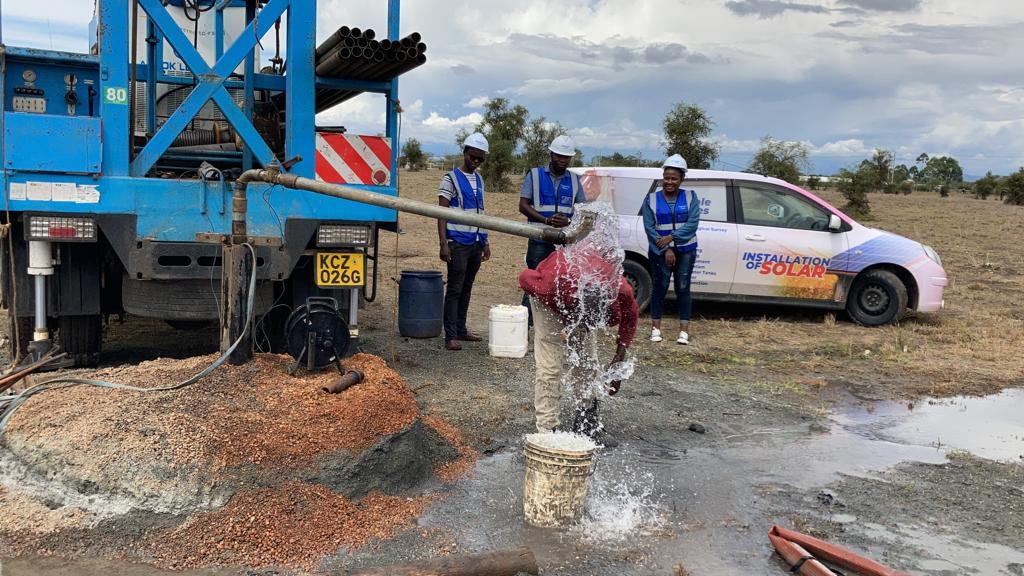
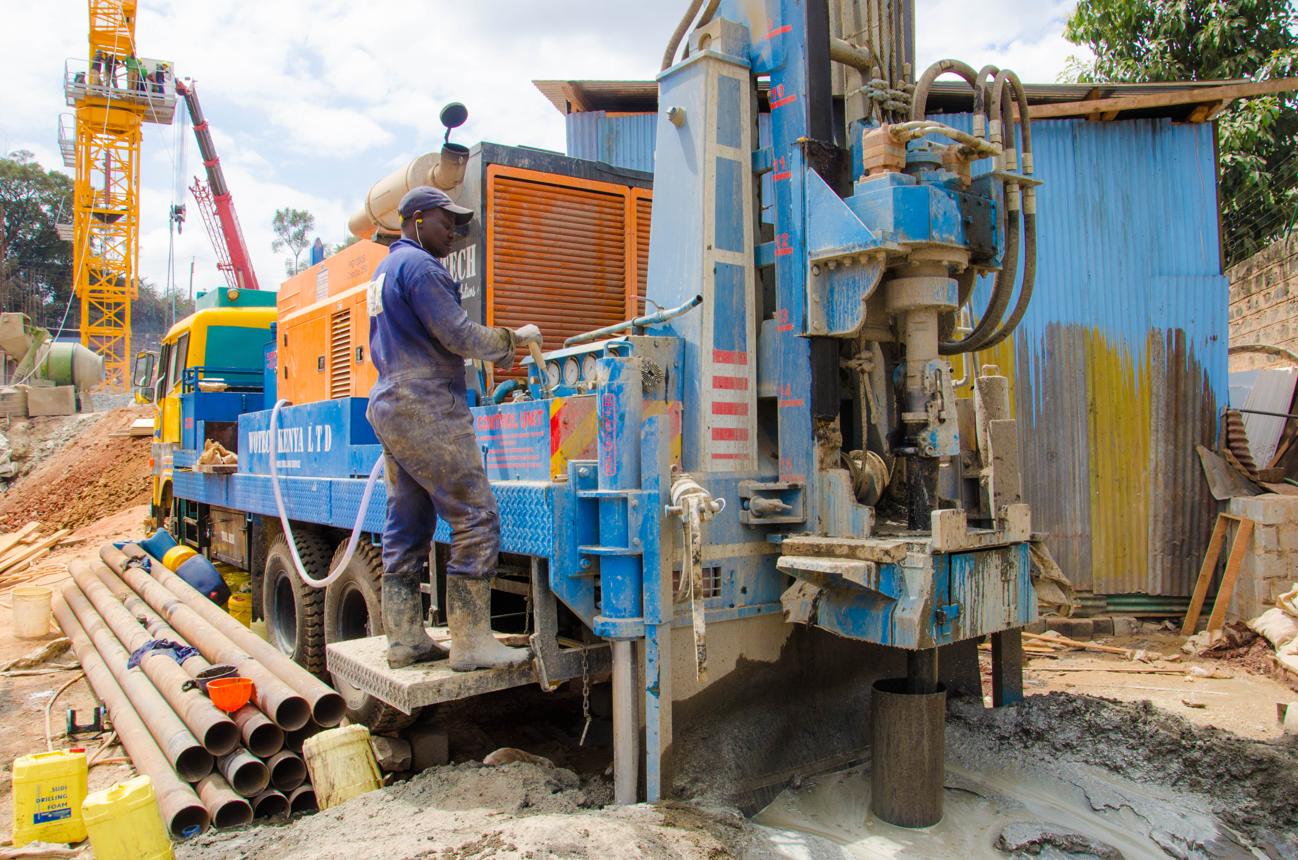
Description: Looking for professional borehole drilling in Kakamega County? GossTech Kenya Technologies offers hydrogeological surveys, geophysical surveys, borehole drilling, pump installation, solar pumping, water storage, water testing, treatment and borehole maintenance in Kakamega, Mumias, Malava, Lugari, Likuyani, Butere, Matungu, Shinyalu, Lurambi and across Kenya.
Professional Borehole Drilling in Kakamega County
Reliable water supply is essential for households, farms, businesses, institutions, livestock production and community development. In Kakamega County, despite relatively favourable rainfall in many parts of the county, dependable water access can still be a challenge due to seasonal variations, increasing population, unreliable water supply systems, damaged infrastructure, inadequate storage and the growing demand for clean water.
For homeowners, farmers, commercial property owners, schools, hospitals, churches, hotels, factories and institutions, drilling a borehole can provide an independent and potentially dependable water source when the groundwater conditions are suitable.
GossTech Kenya Technologies provides professional borehole drilling services in Kakamega County, including hydrogeological surveys, geophysical surveys, borehole drilling, casing installation, borehole development, pumping tests, water analysis, submersible pump installation, solar pumping systems, water storage tanks, water treatment and borehole maintenance.
Our services cover Kakamega Town and surrounding areas, Mumias, Butere, Malava, Lugari, Likuyani, Matungu, Navakholo, Shinyalu, Ikolomani, Lurambi, Khwisero, Mumias East, Mumias West and surrounding villages.
Whether you need water for your family, a farm, livestock, a commercial property, an institution or a community water project, GossTech Kenya Technologies can help you plan and develop a groundwater supply system based on the conditions of your property.
Why Borehole Drilling Is Important in Kakamega County
Kakamega is one of Kenya’s important agricultural and residential counties. The demand for water comes from a wide range of activities, including:
Domestic consumption
Residential estates and housing developments
Irrigation and farming
Dairy farming
Poultry farming
Livestock watering
Schools and colleges
Hospitals and health centres
Hotels and hospitality businesses
Commercial buildings
Industrial operations
Churches and religious institutions
Community water projects
Although rainfall is relatively significant in much of Kakamega County, rainfall alone cannot always guarantee a consistent water supply throughout the year. Water demand may increase during dry periods, while some water supply systems experience pressure due to population growth and infrastructure limitations.
A properly planned borehole can help property owners reduce dependence on unreliable water sources and develop a more independent water supply system.
Groundwater development should, however, be based on professional assessment. A borehole cannot be guaranteed to produce water simply because a neighbouring property has a successful borehole. Groundwater conditions can vary significantly over relatively short distances.
1. Borehole Drilling in Kakamega Town and Lurambi
Borehole drilling in Kakamega Town
Kakamega Town is a major administrative, commercial, educational and residential centre in Western Kenya. As the town continues to expand, demand for water from homes, apartments, businesses, institutions and commercial developments continues to grow.
GossTech Kenya Technologies offers borehole drilling services in Kakamega Town, including:
Kakamega CBD
Milimani
Amalemba
Lurambi
Mukumu Road areas
Shikumu
Mahiakalo
Shinyalu Road areas
Municipality outskirts
Residential estates
Commercial premises
Institutional compounds
Agricultural properties surrounding Kakamega
Borehole projects in urban and peri-urban Kakamega require careful planning. Property owners should consider available space for the drilling rig, access roads, borehole positioning, proximity to septic systems, underground infrastructure, water storage and future water distribution.
We provide complete borehole development services, from initial assessment to the installation of pumping equipment and water storage systems.
Borehole drilling for residential estates
Residents developing homes, apartments, gated communities and rental properties in Kakamega can benefit from a properly designed borehole water system.
A residential borehole may serve:
Single-family homes
Apartment blocks
Rental houses
Gated communities
Residential compounds
Staff housing
Property developments
The required borehole yield depends on the number of residents, daily water consumption, available storage capacity, pumping hours and the anticipated future demand.
2. Borehole Drilling in Shinyalu
Shinyalu is one of Kakamega County’s important areas for residential development, agriculture and rural settlements. Borehole drilling can be considered for farms, homes, institutions, commercial developments and community water projects.
Our services cover:
Isukha Central
Isukha North
Isukha South
Isukha East
Isukha West
Murhanda
Shinyalu town
Shitsitswi
Surrounding villages
Agricultural settlements
Institutions and community facilities
Shinyalu has diverse terrain and groundwater conditions. Site investigations are important because water occurrence may depend on local geological formations, weathered materials, fractures, topography and groundwater recharge.
A borehole project in Shinyalu should begin with a professional hydrogeological assessment to determine the most promising drilling location.
Boreholes for farming in Shinyalu
Farmers may require groundwater for:
Vegetable production
Greenhouse farming
Fruit farming
Dairy cattle
Poultry
Livestock
Farm workers
Agricultural processing
Irrigation systems
A borehole can be combined with elevated storage tanks, drip irrigation, solar pumping and distribution pipelines to improve water management.
3. Borehole Drilling in Malava
Malava is an important agricultural and residential region of Kakamega County. Borehole drilling services are available for homes, institutions, farms, businesses and community water supply projects.
Areas served include:
Malava Town
West Kabras
East Kabras
Chemuche
Butali
Chegulo
Manda
Shivanga
Shirugu
Mugai
Surrounding villages and settlements
Borehole water can support domestic water needs, livestock, agricultural production, schools, commercial activities and community projects.
Borehole drilling for agricultural properties
Agricultural water demand varies depending on the crops grown, acreage, irrigation method and seasonal requirements.
Before drilling an agricultural borehole, it is advisable to estimate:
The amount of water required daily.
The crops and livestock that will use the water.
The required pumping capacity.
The storage capacity needed.
The proposed irrigation system.
The electricity or solar power requirements.
The expected operating schedule.
GossTech Kenya Technologies can help plan a water system that integrates the borehole, pump, solar system where applicable, storage tanks and farm distribution network.
4. Borehole Drilling in Lugari
Lugari is among the areas where borehole development can support residential settlements, agriculture, commercial activities and institutions.
We provide borehole drilling and related water services in:
Lumakanda
Lugari
Mautuma
Chekalini
Likuyani-border areas
Soy-border areas
Lwandeti
Kongoni
Agricultural settlements
Rural villages
Commercial and institutional properties
The groundwater potential of individual properties should be assessed because geological conditions and groundwater availability may differ from one location to another.
Water supply for homes and farms
Borehole installations in Lugari may be designed to supply:
Domestic homes
Dairy farms
Poultry farms
Irrigated agriculture
Schools
Health facilities
Churches
Hotels
Commercial buildings
Small-scale manufacturing
For larger agricultural projects, the borehole system may require a high-capacity pump, storage reservoir, distribution pipelines and automated controls.
5. Borehole Drilling in Likuyani
Likuyani is another important borehole drilling destination in Kakamega County. Property owners in the area may require reliable water for domestic use, livestock, crop production, institutions and commercial operations.
Service coverage includes:
Likuyani
Sango
Matunda
Kongoni
Nzoia
Sinoko
Soy-border settlements
Rural villages
Agricultural areas
Commercial developments
Water availability can vary according to geological conditions, topography, local groundwater recharge and the characteristics of individual aquifers.
Boreholes for livestock and dairy farming
Livestock production requires dependable access to water. Borehole projects for livestock may include:
Water troughs
Elevated tanks
Ground-level reservoirs
Pipeline distribution
Solar pumping
Automatic water level controls
Drinking points
Irrigation for fodder production
A well-planned borehole can help farmers manage water supply for livestock while reducing the need to transport water over long distances.
6. Borehole Drilling in Mumias
Mumias is a significant commercial and agricultural centre in Kakamega County. Water demand comes from residential properties, businesses, institutions, agricultural activities and food-related enterprises.
GossTech Kenya Technologies provides borehole drilling and water supply solutions in:
Mumias Town
Mumias Central
Mumias North
Musanda
Etenje
Lusheya
Lubinu
Malaha
Isongo
Makunga
East Wanga
Surrounding villages
Mumias and its surrounding areas have agricultural activities, residential communities and commercial developments that may require alternative or supplementary water sources.
Borehole drilling may be considered for:
Residential homes
Rental properties
Commercial premises
Agricultural projects
Schools
Churches
Hospitals
Hotels
Processing facilities
Community water supply projects
Water projects and boreholes in Mumias
Borehole development is particularly important where existing water supply infrastructure does not adequately meet household or institutional requirements.
A borehole system can be developed with:
Submersible pump
Solar-powered pumping system
Elevated water tank
Ground storage reservoir
Water distribution pipelines
Water treatment equipment
Automatic pump controls
The correct design should be based on the estimated daily demand and the actual performance of the borehole after drilling and testing.
7. Borehole Drilling in Butere
Butere is served by agricultural communities, residential settlements, institutions and commercial activities that require dependable water.
Our borehole drilling coverage includes:
Butere Town
Marama
Butere
Khwisero-border areas
Shianda-border areas
Marenyo
Surrounding villages
Agricultural settlements
Commercial properties
Institutional facilities
Borehole drilling in Butere requires site-specific investigation. Groundwater conditions may be influenced by local geology, weathering, geological structures and groundwater recharge.
Boreholes for institutions in Butere
Schools, churches, hospitals, colleges and other institutions can consider boreholes as part of their water infrastructure planning.
Institutional boreholes may require:
High-capacity storage
Multiple water distribution points
Separate domestic and sanitation systems
Pumping schedules
Solar pumping
Water treatment
Backup pumping systems
An institution’s borehole should be designed around peak demand rather than simply the number of people present during ordinary operating hours.
8. Borehole Drilling in Khwisero
Khwisero is a predominantly rural area where groundwater development may support domestic water supply, farming, livestock and community projects.
We serve:
Khwisero Town
Kisa
Khwisero villages
Eshibinga
Surrounding rural settlements
Agricultural properties
Institutions
Community projects
Borehole drilling in Khwisero should begin with a hydrogeological survey to establish a suitable location and assess the expected groundwater conditions.
Rural borehole development
A rural borehole can be designed to provide water for:
Households
Schools
Churches
Livestock
Farming
Community water kiosks
Small commercial enterprises
Depending on the project, a borehole may be connected to a tank and distribution system to serve several buildings or households.
9. Borehole Drilling in Ikolomani
Ikolomani is an important residential and agricultural region of Kakamega County. Borehole development may support households, farms, institutions, businesses and community water systems.
Our coverage includes:
Ikolomani
Idakho areas
Shitoli
Shikoti
Isulu
Surrounding villages
Agricultural properties
Residential developments
Groundwater availability should be assessed individually because the potential for productive boreholes depends on the local geological environment and the groundwater-bearing structures present at the drilling site.
Boreholes for small-scale irrigation
Farmers in Ikolomani can consider borehole water for:
Vegetable farming
Fruit farming
Nursery operations
Greenhouses
Fodder production
Poultry farming
Dairy farming
The borehole should be tested to determine its sustainable pumping rate before designing an irrigation system that may place excessive demand on the groundwater resource.
10. Borehole Drilling in Navakholo
Navakholo has residential settlements, farming communities and growing demand for reliable water supply.
Our borehole services cover:
Navakholo
Bunyala areas
Ingotse
Matiha
Shinoyi
Shikomari
Esumeiya
Bunyala West
Bunyala East
Bunyala Central
Surrounding villages
Boreholes in Navakholo may support homes, farms, livestock, schools, businesses and community projects.
Water for rural households
Many households require water for daily activities such as:
Drinking
Cooking
Cleaning
Laundry
Bathing
Sanitation
Gardening
Livestock
A properly designed borehole system can include storage to reduce dependence on continuous pumping.
11. Borehole Drilling in Matungu
Matungu is a region where borehole development can support residential water supply, agricultural activities, livestock production, businesses and community water infrastructure.
We provide borehole drilling in:
Matungu
Koyonzo
Kholera
Khalaba
Mayoni
Namamali
Lung’anyiro
Nyapwaka
Mungore
Surrounding villages and settlements
Water infrastructure development in Matungu has included borehole projects combined with solar pumping, elevated tanks and distribution pipelines, demonstrating the importance of integrating groundwater extraction with water storage and distribution.
Kenya News Agency+1
Boreholes for community water supply
Community boreholes may be designed to serve several households through:
Water kiosks
Community storage tanks
Distribution pipelines
Solar pumping systems
Water troughs
Household connections
Public water points
The design must consider the expected population served, daily demand, pumping rate, storage requirements, water quality and operating costs.
12. Borehole Drilling in Kakamega County’s Other Rural Areas
GossTech Kenya Technologies also provides borehole drilling services in surrounding villages, settlements and developing areas across Kakamega County.
Our services extend to:
Rural Kakamega
Agricultural villages
Emerging residential settlements
Commercial developments
Farm properties
Institutional compounds
Community projects
Remote locations requiring mobilisation of drilling equipment
We understand that some projects may be located away from major roads and urban centres. Mobilisation, equipment access, transport of casing, pump installation materials and site preparation are therefore important considerations during project planning.
Kakamega County Borehole Drilling Coverage
Kakamega County has 12 administrative sub-counties/constituencies and 60 electoral wards. The county’s administrative and water-development structure covers diverse rural and urban communities.
nepadaprmkenya.go.ke+2
Our service coverage includes:
| Area | Borehole drilling coverage |
|---|---|
| Likuyani | Likuyani, Matunda, Kongoni, Sango and surrounding areas |
| Lugari | Lumakanda, Lugari, Mautuma, Chekalini, Lwandeti and surrounding villages |
| Malava | Malava, Kabras, Butali, Chemuche, Manda and surrounding areas |
| Navakholo | Navakholo, Ingotse, Matiha, Bunyala and surrounding settlements |
| Lurambi | Kakamega Town, Milimani, Amalemba, Mahiakalo and surrounding areas |
| Ikolomani | Ikolomani, Idakho areas, Shitoli and surrounding villages |
| Shinyalu | Shinyalu, Isukha areas, Murhanda and surrounding settlements |
| Khwisero | Khwisero, Kisa and surrounding rural communities |
| Butere | Butere Town, Marama and surrounding villages |
| Mumias West | Mumias, Musanda, Etenje and surrounding areas |
| Mumias East | Lusheya, Lubinu, Malaha, Isongo, Makunga and East Wanga |
| Matungu | Matungu, Koyonzo, Kholera, Khalaba, Mayoni and Namamali |
For customers searching online for borehole drilling near me in Kakamega, borehole drilling contractors in Kakamega, borehole drilling in Mumias, borehole drilling in Malava, borehole drilling in Butere, borehole drilling in Lugari, borehole drilling in Likuyani or borehole drilling in Shinyalu, GossTech Kenya Technologies provides countywide services.
Understanding Groundwater Potential in Kakamega County
Kakamega County has a range of groundwater environments. Groundwater occurrence and borehole performance can vary between locations depending on geology, weathering, fractures, topography, recharge and local geological structures.
The county’s water-resource assessments also show that water availability and access vary significantly between sub-counties and wards. Some areas have faced challenges involving inadequate water infrastructure, dry or low-yielding sources and malfunctioning boreholes.
repository.kippra.or.ke+1
Geological conditions and groundwater
Groundwater may occur in:
Weathered geological formations
Fractured rock
Geological contacts
Alluvial deposits
Permeable subsurface layers
Aquifer systems
A drilling location should not be selected simply by observing the success of a nearby borehole. Geological conditions may change from one plot to another.
Why hydrogeological surveys are important
A hydrogeological survey helps evaluate:
Groundwater potential
Geological formations
Groundwater recharge
Existing boreholes in the vicinity
Potential aquifer zones
Expected drilling conditions
Recommended drilling location
Preliminary anticipated depth
Potential groundwater quality considerations
The survey is an important first step before drilling equipment is mobilised.
Hydrogeological and Geophysical Survey in Kakamega
Before drilling a borehole, a professional groundwater investigation should be undertaken to identify the most promising drilling location.
GossTech Kenya Technologies can coordinate the survey stage of your borehole project.
Hydrogeological survey
A hydrogeological survey evaluates the groundwater environment of the property and surrounding area.
The investigation may consider:
Local geology
Groundwater occurrence
Existing boreholes
Nearby water sources
Groundwater recharge
Terrain
Drainage
Geological formations
Potential aquifers
Water demand
The objective is to develop an informed recommendation for borehole drilling.
Geophysical survey
Geophysical investigation uses appropriate instruments and methods to investigate subsurface conditions.
Depending on the property and survey requirements, the investigation may help identify:
Potential water-bearing formations
Fractured rock zones
Weathered geological layers
Subsurface geological structures
Possible aquifer locations
Recommended drilling points
The survey findings help guide the drilling location and planning.
Important: A survey does not guarantee that a borehole will produce water, nor does it guarantee a particular depth, yield or water quality.
The Borehole Drilling Process in Kakamega County
GossTech Kenya Technologies provides a structured approach to borehole development.
Step 1: Initial consultation
We establish the purpose of the borehole.
The client may require water for:
A residential home
Apartments
A farm
Irrigation
Livestock
A school
A hospital
A hotel
A commercial building
A community water project
The intended use helps determine the expected water demand and the system design.
Step 2: Site assessment
We assess the property, accessibility and proposed drilling location.
Important considerations include:
Space for the drilling rig
Access for trucks
Nearby buildings
Septic tanks and sanitation facilities
Underground utilities
Property boundaries
Drainage
Future development
Storage tank location
Pumping equipment installation
Step 3: Hydrogeological investigation
A groundwater investigation is undertaken to assess the groundwater potential of the site.
The report provides recommendations based on the geological and hydrogeological conditions.
Step 4: Geophysical investigation
Where required, geophysical survey equipment is used to investigate subsurface structures and help identify suitable drilling points.
Step 5: Borehole location selection
The proposed drilling location is selected based on survey findings, site conditions, access and the client’s requirements.
Step 6: Permits and approvals
The necessary regulatory approvals and permits are obtained before drilling in accordance with applicable Kenyan requirements.
Step 7: Mobilisation
The drilling rig, equipment, materials and personnel are mobilised to the site.
Step 8: Drilling
Drilling commences using the appropriate method for the expected geological conditions.
Drilling may encounter different formations, including soils, weathered materials, rock and water-bearing structures.
Step 9: Geological logging
The drilling process provides information about the formations encountered.
This information assists in determining:
Formation changes
Water-bearing zones
Geological characteristics
Borehole construction requirements
Step 10: Casing installation
Suitable casing is installed to support the borehole and protect its structure.
Casing selection depends on:
Borehole diameter
Depth
Geological conditions
Borehole design
Expected groundwater conditions
Step 11: Screen installation
Where required, screened casing is installed in appropriate water-bearing formations to allow groundwater entry while limiting the movement of unwanted material into the borehole.
Step 12: Gravel packing
Gravel packing may be undertaken where specified by the borehole design.
Step 13: Borehole development
Development removes drilling residues and helps improve the flow of water from the aquifer into the borehole.
Methods may include airlifting, surging and other appropriate development procedures.
Step 14: Pumping test
A pumping test evaluates borehole performance.
It helps establish information such as:
Pumping rate
Water-level response
Drawdown
Recovery
Borehole performance
The test results are important for selecting the appropriate pump.
Step 15: Water quality testing
Water samples are analysed to establish whether treatment may be necessary.
Step 16: Pump installation
A suitable submersible pump is selected and installed according to the borehole’s tested performance and the client’s requirements.
Step 17: Water storage installation
Storage tanks may be installed to provide a reserve supply.
Step 18: Distribution system
The borehole water can be distributed through pipelines to homes, farms, buildings, livestock troughs, irrigation systems or community water points.
Borehole Pump Installation in Kakamega
Drilling a borehole is only part of developing a reliable water supply. The pumping system must be properly selected and installed.
GossTech Kenya Technologies offers borehole pump installation services for:
Residential boreholes
Agricultural boreholes
Commercial boreholes
Institutional boreholes
Community water projects
Submersible borehole pumps
Submersible pumps are designed to operate inside boreholes and lift water to the required destination.
Pump selection should consider:
Borehole depth
Static water level
Pumping water level
Required flow rate
Total pumping head
Pipe diameter
Tank elevation
Distance to the water destination
Electricity availability
A pump that is too small may fail to meet water demand, while an oversized pump can result in unnecessary energy consumption and may negatively affect borehole performance.
Borehole pump replacement
If an existing borehole pump has failed, we can assist with assessment and replacement.
Common pump problems include:
Pump not starting
Low water output
Pump tripping electricity
Pump running continuously
Pump producing intermittent water
Pump overheating
Electrical cable faults
Control panel problems
Pump wear and mechanical failure
Before replacing a pump, the borehole and pumping system should be evaluated to determine whether the problem originates from the pump, electrical equipment, water levels, borehole conditions or distribution infrastructure.
Solar Borehole Pumping in Kakamega County
Solar pumping is an excellent option for properties that want to reduce dependence on grid electricity or where electricity is unavailable, unreliable or expensive.
GossTech Kenya Technologies provides solar borehole pumping solutions in Kakamega County.
Solar borehole systems may be suitable for:
Rural homes
Farms
Livestock operations
Schools
Community water projects
Remote commercial properties
Agricultural irrigation
Institutions
Components of a solar borehole system
A solar pumping system may include:
Solar panels
Solar mounting structure
Solar pump
Pump controller
Borehole cables
Water level protection
Storage tank
Tank float switches
Distribution pipelines
Optional battery system where appropriate
Advantages of solar borehole pumping
Solar pumping can offer:
Reduced electricity bills
Reduced dependence on the national electricity grid
Reliable daytime water pumping
Suitable operation in remote locations
Lower recurring energy costs
Support for agricultural water systems
Compatibility with elevated storage tanks
For many borehole projects, pumping water into a storage tank during daylight and using gravity distribution can reduce the need for battery storage.
Solar pumping for farms
Farmers may use solar-powered boreholes to supply:
Livestock drinking water
Greenhouses
Vegetable farms
Fruit orchards
Fodder production
Nursery operations
Farmhouses
Agricultural workers
The solar system should be sized according to the pump’s electrical requirements, borehole performance, pumping duration, required water volume and site conditions.
Borehole Water Storage and Distribution
A borehole should ideally be designed as part of a complete water supply system.
GossTech Kenya Technologies provides water storage and distribution solutions to complement borehole drilling.
Water storage tanks
Water tanks can be used for:
Residential homes
Apartments
Farms
Commercial properties
Schools
Hospitals
Hotels
Community water projects
Storage capacity depends on:
Daily consumption
Borehole pumping rate
Pumping hours
Number of users
Expected interruptions
Water use patterns
Future demand
Elevated water tanks
Elevated tanks can provide gravity-fed water distribution.
They may be installed on:
Steel towers
Concrete structures
Reinforced supports
Suitable elevated buildings
Tank structures must be appropriately designed to safely support the tank, water weight and environmental loads.
Water distribution pipelines
Distribution systems may include:
Main pipelines
Branch pipelines
Household connections
Irrigation pipes
Livestock drinking points
Water kiosks
Pressure-control valves
Isolation valves
Proper pipeline planning helps ensure that water reaches its intended destinations efficiently.
Borehole Water Testing and Treatment in Kakamega
Water from a borehole should not automatically be assumed to be safe for drinking.
Although groundwater may appear clear, it can contain dissolved substances, minerals, microorganisms or contaminants that require treatment.
GossTech Kenya Technologies can help arrange borehole water testing and treatment solutions.
Water testing
Testing may assess:
Physical appearance
Turbidity
pH
Electrical conductivity
Total dissolved solids
Hardness
Iron
Manganese
Nitrates
Microbiological contamination
Other parameters based on the intended use
The appropriate testing package depends on whether the water is intended for domestic consumption, livestock, irrigation, industrial processes or another purpose.
Water treatment systems
Depending on the results, treatment may include:
Sediment filtration
Sand filtration
Activated carbon filtration
Iron removal
Manganese removal
Water softening
Reverse osmosis
Ultraviolet disinfection
Chlorination
Treatment should be selected based on laboratory results rather than guesswork.
Borehole water for drinking
For a borehole supplying drinking water, laboratory testing and appropriate treatment are particularly important.
Water quality can change over time. Periodic testing is advisable, particularly following repairs, flooding, changes in water appearance, unusual taste or odour, or contamination concerns.
Borehole Repair, Rehabilitation and Maintenance in Kakamega
GossTech Kenya Technologies also provides borehole repair and maintenance services for existing boreholes.
A borehole may experience reduced performance after years of operation because of pump wear, electrical problems, sediment accumulation, changes in groundwater levels or other technical issues.
Common borehole problems
We assist with troubleshooting issues such as:
Borehole producing little or no water
Pump failing to start
Pump tripping electricity
Low water pressure
Reduced pumping capacity
Borehole pump failure
Electrical cable faults
Pump controller problems
Excessive sand in water
Muddy water
Borehole blockage
Damaged pipes
Leaking connections
Faulty tank controls
Solar pump failure
Water level problems
Borehole rehabilitation
Borehole rehabilitation may involve:
Borehole inspection
Pump removal
Pump replacement
Borehole cleaning
Borehole development
Sediment removal
Pumping system inspection
Electrical repairs
Water quality testing
Pipe replacement
Installation of new pumping equipment
Rehabilitation should be based on an assessment of the borehole condition to determine whether the problem can be corrected economically.
Preventive borehole maintenance
Regular maintenance can help protect the investment made in a borehole.
Maintenance may include:
Pump inspection
Electrical testing
Solar panel inspection
Pump controller inspection
Tank inspection
Pipeline inspection
Leak detection
Water quality testing
Checking pumping performance
Inspecting borehole water levels
Cleaning water storage tanks
Borehole Drilling Costs in Kakamega County
The cost of drilling a borehole in Kakamega depends on several factors. There is no single fixed price for every property.
Factors influencing the total cost include:
Survey requirements
Geological conditions
Drilling depth
Borehole diameter
Casing specifications
Screen requirements
Mobilisation distance
Pumping test requirements
Pump capacity
Solar pumping equipment
Water storage
Water treatment
Distribution pipelines
Regulatory requirements
Indicative borehole costs in Kenya
| Service or component | Indicative cost (KSh) |
|---|---|
| Hydrogeological survey | 40,000–100,000 |
| Geophysical survey | 35,000–100,000 |
| Permits and approvals | 30,000–150,000+ |
| Mobilisation | 50,000–200,000+ |
| Drilling per metre | 6,000–12,000+ |
| Plain casing per metre | 2,500–6,000+ |
| Screen casing per metre | 3,000–7,000+ |
| Gravel pack | 20,000–100,000+ |
| Borehole development | 30,000–100,000+ |
| Pumping test | 30,000–100,000+ |
| Water testing | 15,000–50,000+ |
| Submersible pump | 50,000–300,000+ |
| Pump installation | 30,000–100,000+ |
| Electrical installation | 30,000–150,000+ |
| Solar pumping system | 150,000–800,000+ |
| Water storage tanks | 20,000–300,000+ |
| Tank tower/structure | 50,000–500,000+ |
Estimated project budgets
| Project type | Indicative budget |
|---|---|
| Basic residential borehole | KSh 1.2M–2.0M+ |
| Residential borehole with storage | KSh 1.5M–2.8M+ |
| Residential borehole with solar | KSh 2.0M–4.5M+ |
| Commercial/institutional borehole | KSh 2.5M–4.5M+ |
| Agricultural borehole | Depends on acreage and system design |
| Community water project | Project-specific |
These figures are planning estimates and not a fixed quotation for Kakamega County. Actual costs depend on the specific site, drilling depth, geology, equipment and project requirements.
For an accurate quotation, the project should be assessed before drilling.
Borehole Permits and Regulatory Requirements in Kakamega
Borehole drilling in Kenya is subject to water-resource regulations. Property owners should ensure that the appropriate approvals and authorisations are obtained before drilling begins.
The Water Resources Authority (WRA) oversees groundwater development and water abstraction permitting. Its permitting process includes technical assessment, authorisation for construction, completion documentation, water quality information and applicable water-use permitting.
Water Resources Authority+1
Depending on the project, the process may involve:
Hydrogeological assessment.
Groundwater investigation.
Application for the relevant authorisation.
Site verification where required.
Drilling authorisation.
Borehole construction.
Pumping test.
Borehole completion records.
Water quality analysis.
Applicable water abstraction approval or permit.
Regulatory requirements can vary depending on the category and intended use of the borehole. Owners should confirm the current requirements with the relevant authorities before commencing works.
The applicable regulations also provide for test pumping, qualified professional supervision, completion documentation and groundwater conservation measures.
Water Resources Authority+2
Protecting the borehole
A borehole should be protected from possible contamination.
Important precautions include:
Proper borehole head construction
Secure borehole covers
Appropriate drainage around the borehole
Protection from surface runoff
Proper separation from contamination sources
Careful positioning of septic systems
Proper handling of chemicals
Protection from livestock contamination
Regular water testing
A borehole is a long-term investment. Protecting the source is as important as drilling it.
Borehole Drilling for Different Clients in Kakamega
Residential borehole drilling
Homeowners in Kakamega may drill boreholes to supply:
Family homes
Apartments
Rental houses
Residential compounds
Gated estates
The system can include a submersible pump, storage tanks, solar pumping, water treatment and distribution pipelines.
Agricultural borehole drilling
Farm boreholes may support:
Crop irrigation
Vegetable farming
Greenhouse farming
Fruit production
Dairy farming
Poultry farming
Livestock
Farmhouses
Agricultural processing
Agricultural projects require careful water-demand planning. Irrigation should be designed around the actual pumping rate established through borehole testing.
Boreholes for schools
Schools require water for:
Drinking
Cooking
Toilets
Handwashing
Cleaning
Dormitories
Landscaping
A school borehole may need a larger storage system because water demand can increase significantly during school hours.
Boreholes for hospitals and health facilities
Health facilities require water for hygiene, cleaning, sanitation, patient care and other operational requirements.
A hospital borehole project may require additional storage capacity, treatment systems, backup pumping and careful water quality management.
Commercial borehole drilling
Businesses may require boreholes to reduce reliance on external water supplies.
Examples include:
Hotels
Restaurants
Commercial buildings
Shopping centres
Manufacturing facilities
Warehouses
Car washes
Laundry businesses
Food processing businesses
The borehole should be designed according to the daily commercial demand and the characteristics of the groundwater source.
Community boreholes
Community water projects can provide water to several households and institutions.
A community system may include:
Borehole
Submersible pump
Solar panels
Elevated storage tank
Water kiosk
Distribution pipelines
Livestock troughs
Household connections
Water treatment
Community borehole projects require proper planning, management, maintenance and sustainable water abstraction.
Frequently Asked Questions About Borehole Drilling in Kakamega County
1. How much does it cost to drill a borehole in Kakamega?
The cost depends on the drilling depth, geology, casing, pump, permits, mobilisation, storage and other requirements. A complete borehole project can range from approximately KSh 1.2 million to several million shillings.
A site assessment and detailed quotation are recommended before starting.
2. How deep should a borehole be drilled in Kakamega?
There is no universal depth applicable to the entire county. The required depth depends on the geological conditions, groundwater-bearing formations and survey findings at the specific property.
3. Can you drill a borehole in Kakamega Town?
Yes. We provide borehole drilling services in Kakamega Town, Lurambi and surrounding residential, commercial and institutional areas, subject to site accessibility, survey findings and applicable approvals.
4. Do you drill boreholes in Mumias?
Yes. We cover Mumias, Mumias East, Mumias West, Musanda, Etenje, Lusheya, Lubinu, Malaha, Isongo, Makunga and surrounding areas.
5. Do you provide borehole drilling in rural Kakamega?
Yes. Our services cover rural villages, farms, residential developments, institutions and community water projects throughout Kakamega County.
6. Can a borehole supply water to a farm?
Yes, boreholes can be designed for agricultural water supply. The borehole yield, pumping rate, storage capacity and irrigation requirements must be evaluated before designing the system.
7. Can I use solar power to pump borehole water?
Yes. Solar pumping systems can be installed where appropriate. The solar system is designed according to the pump requirements, borehole performance and water demand.
8. Do you install borehole pumps?
Yes. We provide submersible pump installation, replacement, troubleshooting and related pumping system services.
9. Can you install water tanks after drilling?
Yes. We can help plan water storage tanks, tank structures, pipelines and distribution systems.
10. Is borehole water automatically safe for drinking?
No. Borehole water should be tested before being used for drinking. Treatment requirements depend on laboratory results.
11. Do you repair old boreholes?
Yes. We provide borehole troubleshooting, pump replacement, electrical repairs, borehole cleaning, rehabilitation and maintenance services.
12. Do you operate outside Kakamega County?
Yes. GossTech Kenya Technologies provides borehole drilling and related water services in Nairobi and Across Kenya.
13. Can you assist with borehole permits?
We can guide clients through the borehole development and regulatory process, including the required surveys, documentation and approvals applicable to their project.
14. Can a borehole be drilled where a neighbour already has one?
The existence of a neighbouring borehole does not automatically establish that another borehole will be successful. Groundwater conditions, borehole spacing, aquifer characteristics, existing abstraction and regulatory considerations must be assessed.
15. What happens if the borehole produces less water than expected?
The borehole should be evaluated using the drilling records and pumping test results. Depending on the findings, the solution may involve pump selection, water storage, pumping schedules, rehabilitation or other technical measures.
Why Choose GossTech Kenya Technologies for Borehole Drilling?
When planning a borehole, choosing a service provider who understands the importance of proper investigation, construction, pumping equipment and water-system design is essential.
GossTech Kenya Technologies offers a comprehensive approach to groundwater development.
Our services include:
Hydrogeological surveys
Geophysical surveys
Borehole drilling
Borehole casing
Screen installation
Gravel packing
Borehole development
Pumping tests
Submersible pump installation
Solar borehole pumping
Water storage
Tank installation
Water distribution systems
Water testing
Water treatment
Borehole rehabilitation
Pump replacement
Borehole maintenance
We work with clients requiring water solutions for residential, agricultural, commercial, institutional and community projects.
Contact GossTech Kenya Technologies for Borehole Drilling in Kakamega
Are you planning to drill a borehole in Kakamega Town, Mumias, Malava, Lugari, Likuyani, Butere, Matungu, Navakholo, Shinyalu, Ikolomani, Khwisero, Lurambi or any other part of Kakamega County?
Contact GossTech Kenya Technologies for borehole drilling, groundwater surveys, pump installation, solar pumping, water storage, water testing, treatment and borehole maintenance.
GossTech Kenya Technologies
📞 Phone: 0723613664
📧 Email: info@gosstech.co.ke
🌍 Website: www.gosstech.co.ke
Service coverage: Nairobi and Across Kenya
Whether you are drilling for your home, farm, business, school, hospital, institution or community, we can help you plan your borehole project from the initial survey through drilling and installation of the complete water supply system.
Contact GossTech Kenya Technologies today to discuss your borehole drilling project in Kakamega County.