
Borehole Drilling in Busia County | GossTech Kenya Technologies
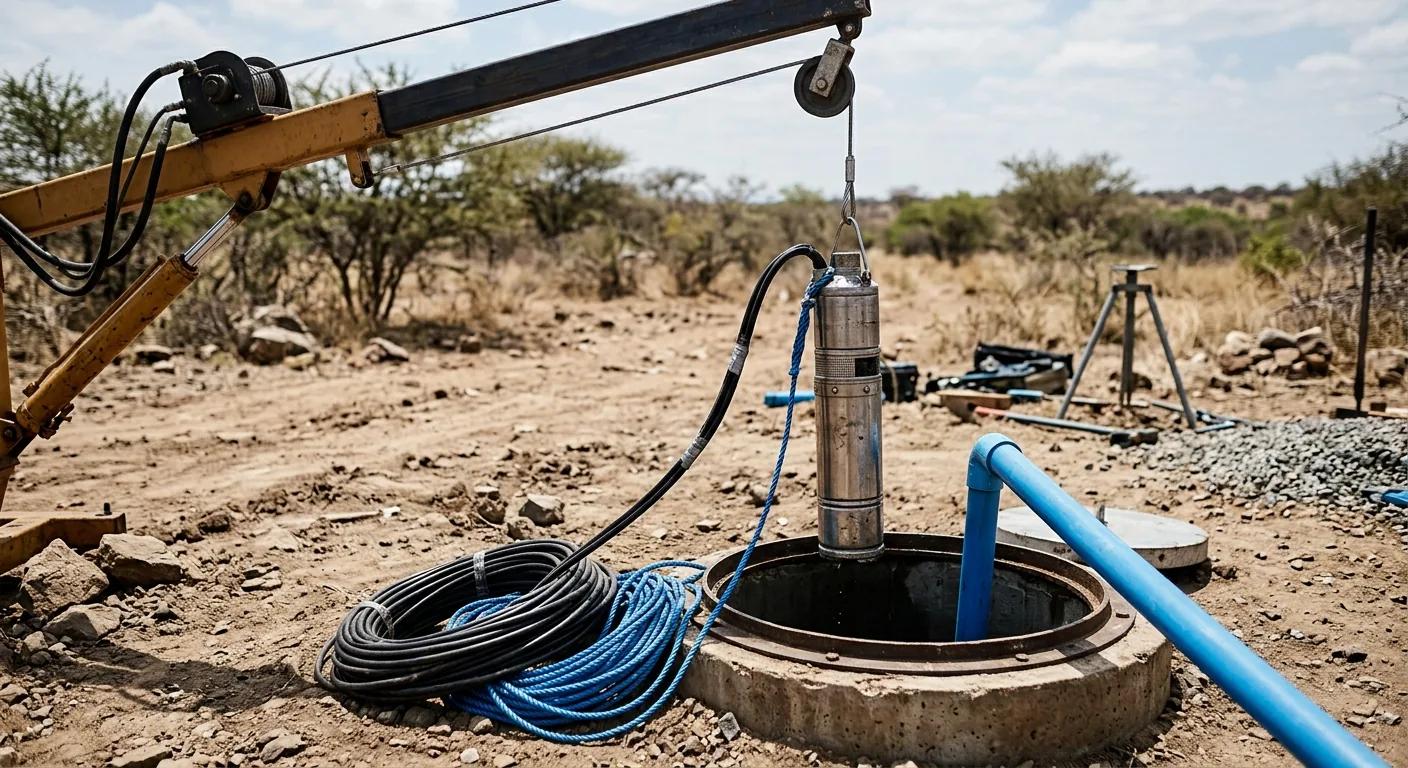
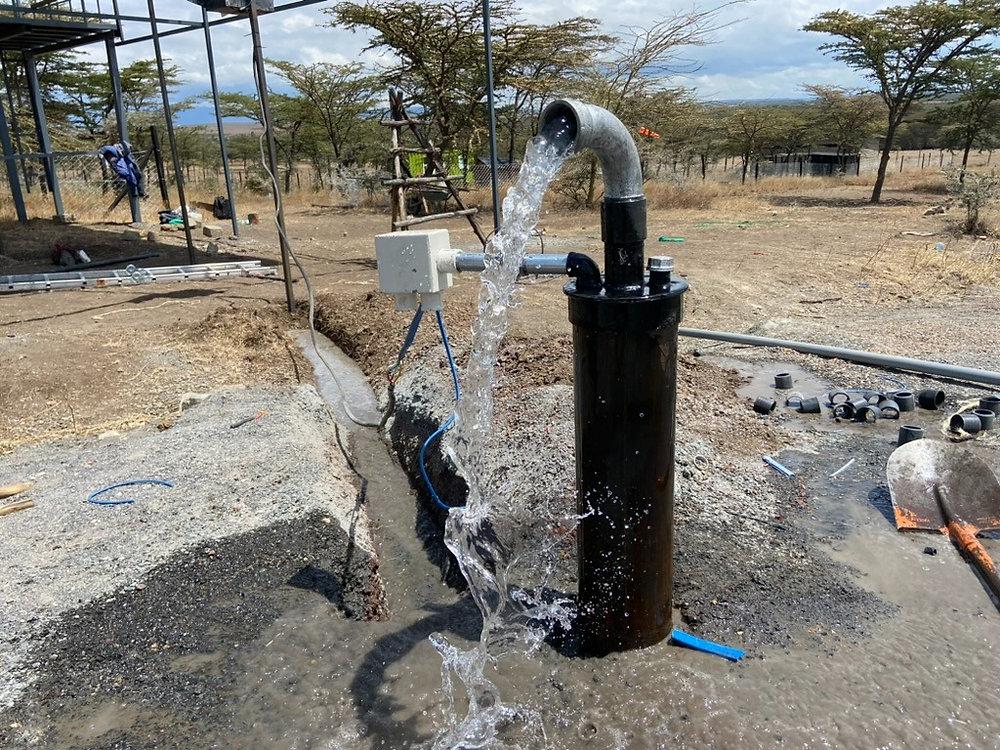
Description: Looking for borehole drilling in Busia County? GossTech Kenya Technologies offers hydrogeological surveys, geophysical surveys, borehole drilling, pump installation, solar pumping, water storage, water testing, treatment, rehabilitation and maintenance in Busia, Teso, Matayos, Nambale, Butula, Funyula, Samia, Bunyala, Malaba, Port Victoria and across Kenya.
Borehole Drilling Services in Busia County
Reliable access to water is essential for homes, farms, schools, hospitals, businesses, livestock keepers, institutions and communities throughout Busia County. Although Busia has rivers, wetlands, streams and other surface-water resources, many property owners still require dependable private water supplies that are available throughout the year.
Whether you are constructing a residential home in Busia Town, establishing a commercial property in Malaba, developing agricultural land in Teso, running a livestock project in Nambale, building an institution in Butula, or investing in a property near Lake Victoria and the lower River Nzoia basin, a professionally planned borehole can provide an important long-term water source.
GossTech Kenya Technologies provides borehole drilling services in Busia County, including hydrogeological surveys, geophysical surveys, borehole drilling, casing installation, borehole development, pumping tests, water quality testing, submersible pump installation, solar pumping systems, water storage, distribution systems, borehole rehabilitation and maintenance.
Our services cover Busia County, Nairobi and Across Kenya.
The success of a borehole project depends on more than drilling a hole into the ground. Proper planning, geological assessment, identification of suitable groundwater-bearing formations, professional drilling, correct casing installation, borehole development and appropriate pump sizing are all important components of a successful water project.
Professional Borehole Drilling in Busia
Busia County has diverse geographical conditions. The landscape includes agricultural land, settlements, river valleys, low-lying areas, wetlands, upland areas and locations influenced by the Lake Victoria basin.
Groundwater conditions may vary considerably between neighbouring properties. Some locations may encounter groundwater-bearing weathered formations, fractured rocks or sedimentary and alluvial deposits, while other areas may require deeper drilling to identify productive aquifers.
For this reason, borehole drilling should not be approached using assumptions based solely on the presence of a nearby river, an existing borehole or the depth of a borehole drilled elsewhere.
A properly planned borehole project should consider:
The geological conditions of the proposed site
The expected groundwater-bearing formations
Groundwater recharge conditions
The intended water demand
The proposed borehole depth
The expected drilling conditions
The appropriate casing and screen arrangement
Pumping requirements
Water quality
Storage capacity
Electricity or solar pumping options
Applicable approvals and permits
At GossTech Kenya Technologies, we help property owners plan complete borehole projects rather than treating drilling as an isolated activity.
Borehole Drilling Areas in Busia County
We provide borehole drilling services across the major towns, administrative areas, residential communities, agricultural zones and surrounding settlements of Busia County.
Our coverage includes the following areas.
1. Borehole Drilling in Busia Town and Matayos
Busia Town is one of the major commercial and residential centres in western Kenya. The demand for reliable water is driven by residential developments, rental properties, hotels, businesses, institutions, offices, schools, healthcare facilities and commercial establishments.
We provide borehole drilling and water system installation services in:
Busia Town
Matayos
Mayenje
Mundika
Busia Township
Chakol
Bukhayo
Burumba
Angorom
Odiado
Matayos South
Matayos North
Border-area developments
Residential estates
Commercial properties
Surrounding villages and settlements
Property owners in Busia Town may consider boreholes for domestic water supply, commercial water use, rental apartments, schools, hotels, restaurants, businesses and institutions.
A borehole can also complement existing municipal water supplies where property owners require an alternative source or additional water capacity.
2. Borehole Drilling in Teso North
Teso North contains residential settlements, agricultural land, commercial centres and communities requiring reliable water supplies.
Our borehole services cover:
Malaba
Amukura
Angurai
Malaba Town
Malaba South
Malaba North
Angurai South
Angurai North
Angurai East
Amukura
Chakol
Teso North villages
Farms
Residential developments
Schools and institutions
Boreholes in Teso North may serve households, farming activities, livestock, businesses, schools and community water projects.
For commercial properties near Malaba, a reliable water source can support business operations, sanitation, cleaning, accommodation facilities, restaurants, warehouses and other commercial activities.
3. Borehole Drilling in Teso South
Teso South is another important area for borehole development because of residential growth, agriculture, commercial activities and institutional water demand.
We provide services in:
Amukura
Chakol
Angorom
Akiriamas
Osap
Amukura Centre
Teso South villages
Agricultural settlements
Residential developments
Institutional properties
Our services include borehole drilling, groundwater surveys, casing installation, borehole development, pump installation and water storage.
4. Borehole Drilling in Nambale
Nambale is an important residential, commercial and agricultural area within Busia County.
We provide borehole drilling services in:
Nambale Town
Bukhayo
Nambale Centre
surrounding villages
farms
commercial properties
schools
residential estates
livestock projects
Property owners in Nambale may require boreholes for domestic water, irrigation, livestock watering, businesses, rental properties and institutions.
Before drilling, a hydrogeological and geophysical assessment can help evaluate the suitability of the proposed site and guide the drilling plan.
5. Borehole Drilling in Butula
Butula has residential settlements, agricultural properties, institutions and rural communities requiring reliable water sources.
Our services cover:
Butula Town
Marachi
Elugulu
Marachi Central
Marachi East
Marachi West
Marachi North
Butula villages
Farms
Schools
Churches
Commercial developments
Boreholes in Butula can support domestic water supply, livestock, agriculture, institutions and community projects.
6. Borehole Drilling in Funyula
Funyula and surrounding areas have a mixture of rural settlements, farms, residential properties, commercial centres and communities with different water requirements.
We serve:
Funyula Town
Bwiri
Nambuku
Nangina
Agenga
Sikalame
Funyula villages
farms
commercial properties
institutions
Property owners in Funyula may consider boreholes for household water, agricultural irrigation, livestock, businesses and community water systems.
7. Borehole Drilling in Samia
Samia Sub-County contains settlements, agricultural land and areas near the Lake Victoria basin.
Our borehole drilling services include:
Samia
Bunyala
Budalang’i border areas
Port Victoria surroundings
Sidindi
Sango
Sio Port
agricultural properties
residential developments
institutions
community water projects
Water projects in Samia may require careful assessment because groundwater conditions can vary with elevation, proximity to drainage systems, local geology and the characteristics of individual sites.
8. Borehole Drilling in Bunyala and Budalang’i Areas
The lower River Nzoia basin and areas associated with wetlands and Lake Victoria require site-specific groundwater assessment.
We provide borehole services for:
Bunyala
Budalang’i
Port Victoria
Sio Port
Lake Victoria-facing communities
agricultural settlements
residential properties
commercial developments
community projects
The presence of rivers, wetlands or surface water does not automatically establish that a borehole will produce suitable water for every purpose. A borehole site should be assessed according to the intended use, groundwater conditions, water quality and sustainable pumping requirements.
Understanding Groundwater Conditions in Busia County
Busia County’s groundwater conditions are influenced by its geographical position in western Kenya, its varied topography, drainage systems, rainfall patterns, local geological formations and proximity to Lake Victoria and major rivers.
Groundwater availability is not uniform throughout the county. Two boreholes drilled within the same locality may encounter different geological formations, groundwater levels, water quality and pumping characteristics.
Groundwater in the Samia and Funyula areas
Research conducted in the Samia area of Busia County has identified variations in groundwater chemistry associated with geological conditions. The study describes differences in groundwater characteristics between parts of the area, including changes in mineral composition and groundwater movement.
This demonstrates why water quality testing should form part of a borehole project rather than assuming all groundwater in Busia is automatically suitable for drinking or household use.
Groundwater may contain naturally occurring minerals such as calcium and magnesium. Depending on the concentration, these minerals can affect:
Drinking water suitability
Cooking
Laundry
Water heaters
Plumbing systems
Irrigation
Industrial applications
A borehole may produce adequate quantities of water but still require treatment before it can be used for particular purposes.
Groundwater in the Teso areas
Teso North and Teso South include agricultural areas, settlements and varying terrain. Groundwater prospects may differ according to the underlying geology, weathered formations, fractures and local recharge conditions.
Areas around Amukura, Chakol, Angorom, Malaba and surrounding settlements should be evaluated individually before drilling.
A hydrogeological assessment helps identify the most appropriate drilling location and informs the proposed borehole design.
Groundwater in Nambale, Matayos and Butula
These areas have substantial residential and agricultural water demand.
Depending on the specific location, groundwater may occur in weathered formations, fractured rock or other groundwater-bearing layers.
Factors considered during assessment include:
Local geological formations
Terrain and elevation
Existing borehole information
Nearby groundwater sources
Groundwater recharge characteristics
Drainage patterns
Potential contamination sources
Expected water demand
Groundwater in Bunyala and Budalang’i
Bunyala and Budalang’i contain low-lying areas, river-associated landscapes, wetlands and locations influenced by the River Nzoia and Lake Victoria basin.
These environments require particular attention to:
Flood risk
Borehole platform elevation
Surface-water contamination
Sanitary protection
Groundwater quality
Salinity or mineralisation where relevant
Seasonal variations
Protection against inundation
A borehole installation in a flood-prone location should be designed to protect the borehole head, pump equipment, electrical installations and water system from flooding and contamination.
Why groundwater surveys are important
A groundwater survey helps reduce uncertainty before drilling.
However, no survey should be interpreted as an absolute guarantee of water. The final outcome depends on the geology encountered during drilling, the aquifer characteristics, the borehole construction and subsequent testing.
County planning information identifies Busia as comprising seven administrative sub-counties and 35 wards, with a diverse landscape and agricultural, commercial and settlement activities.
busiacounty.go.ke+3
Hydrogeological Survey Services in Busia County
Before drilling a borehole, a hydrogeological survey is an important planning step.
At GossTech Kenya Technologies, the survey process is designed to assess groundwater prospects and help identify suitable locations for drilling.
What is a hydrogeological survey?
A hydrogeological survey investigates the relationship between groundwater, geological formations, terrain, drainage and the characteristics of the proposed site.
The survey helps evaluate:
Potential groundwater-bearing formations
Geological structures
Recharge areas
Existing boreholes and wells
Groundwater movement
Aquifer characteristics
Possible drilling depths
Potential water-bearing zones
Risks associated with the proposed location
For property owners in Busia, this assessment can help avoid selecting a drilling site purely based on convenience or guesswork.
Geophysical survey for borehole siting
Geophysical investigation may be used to examine subsurface characteristics and identify geological features that could be associated with groundwater occurrence.
Depending on the site conditions and survey methodology, the investigation may help identify:
Fractured formations
Weathered zones
Subsurface geological structures
Possible groundwater-bearing layers
Variations in subsurface materials
The findings are interpreted alongside available geological information, topography, existing borehole data and the intended water demand.
Why survey before drilling?
Drilling without proper planning may increase the risk of:
Drilling in an unsuitable location
Encountering difficult geological formations
Unnecessarily deep drilling
Poor borehole productivity
Inadequate water supply
Incorrect pump selection
Unexpected construction costs
A survey does not guarantee water, but it can help make the drilling decision more informed.
Borehole Drilling Process in Busia County
A successful borehole project involves several stages, from initial site assessment to the installation of a complete water supply system.
Step 1: Initial site consultation
The project begins with understanding the client’s requirements.
We establish:
Location of the proposed property
Intended water use
Expected daily demand
Number of households or users
Agricultural requirements
Livestock requirements
Commercial or institutional needs
Available electricity
Solar pumping preferences
Proposed storage arrangements
Accessibility for drilling machinery
A borehole intended for a private residence may require a different design from one serving a school, farm, hotel, commercial development or community.
Step 2: Hydrogeological and geophysical assessment
The proposed site is evaluated to identify suitable drilling locations.
The assessment may consider geological conditions, terrain, groundwater information, potential aquifers and other site characteristics.
Where necessary, geophysical investigations are conducted to assist in identifying potential groundwater-bearing formations.
Step 3: Site preparation and mobilisation
Once the proposed drilling location has been selected and the necessary project arrangements have been made, drilling equipment is mobilised to the site.
Site preparation may involve:
Clearing the drilling area
Establishing access for drilling equipment
Preparing a working platform
Identifying safe equipment positioning
Protecting nearby structures
Planning drilling water and waste management
In areas with narrow access roads, steep terrain, wet ground or remote agricultural properties, mobilisation and site preparation may require additional planning.
Step 4: Borehole drilling
Drilling begins using suitable drilling equipment and methods based on the geological conditions expected at the site.
As drilling progresses, the team monitors:
Geological formations encountered
Changes in drilling conditions
Groundwater strikes
Formation characteristics
Borehole stability
Drilling depth
Water-bearing zones
The actual depth of a borehole is determined by the geological conditions and the project’s requirements. There is no universal depth that applies to every property in Busia County.
Step 5: Borehole casing installation
Casing is installed to support and protect the borehole.
The casing arrangement may include:
Plain casing
Screen casing
Appropriate borehole diameter
Gravel packing where required
Sanitary protection
Borehole head construction
Correct casing design is important because it helps maintain borehole integrity and allows groundwater to enter through designated water-bearing sections.
Step 6: Borehole development
After drilling and construction, the borehole is developed to remove drilling residues, fine materials and sediment while improving the connection between the borehole and the surrounding groundwater-bearing formations.
Development may involve appropriate methods depending on the borehole design and geological conditions.
Proper development is important for:
Reducing sediment
Improving water clarity
Enhancing borehole performance
Preparing the borehole for testing
Reducing potential pump-related problems caused by excessive sediment
Step 7: Pumping test
A pumping test helps determine the performance of the borehole.
The test can provide useful information about:
Pumping water level
Static water level
Drawdown
Recovery
Borehole yield
Pumping behaviour
Appropriate pumping rates
The test results help guide pump selection and determine how the borehole should be operated.
Step 8: Water quality testing
Water samples are collected for appropriate laboratory testing.
The results help establish whether the water is suitable for its intended use and whether treatment is required.
Testing may include parameters such as:
pH
Turbidity
Electrical conductivity
Total dissolved solids
Hardness
Iron
Manganese
Nitrates
Microbiological parameters
Other relevant chemical parameters
The required tests depend on the intended water use and the characteristics of the borehole.
Step 9: Pump installation
After the borehole has been assessed, an appropriate pumping system is selected.
Pump selection considers:
Borehole depth
Water level
Pumping test results
Required flow rate
Delivery head
Pipe length
Storage tank elevation
Pressure requirements
Electricity availability
Solar power requirements
Installing a pump that is too powerful may result in inefficient operation or excessive drawdown. Installing an undersized pump may fail to meet the property’s water demand.
Step 10: Water storage and distribution
A complete borehole system may include:
Storage tanks
Tank stands
Pump control systems
Pipes
Valves
Pressure systems
Distribution lines
Irrigation equipment
Water treatment equipment
The system is designed around the property’s requirements.
Borehole Solutions for Different Customers in Busia
Residential boreholes
Homeowners in Busia County may choose borehole drilling to provide an independent water supply for their homes.
Residential boreholes can serve:
Private homes
Bungalows
Villas
Apartments
Rental houses
Residential estates
New construction projects
Rural homesteads
Holiday properties
A residential borehole system may supply water for:
Drinking water after appropriate treatment
Cooking
Bathing
Laundry
Cleaning
Toilet flushing
Gardening
Car washing
The system should be sized according to household demand, borehole yield, storage requirements and pump performance.
Borehole drilling for farms in Busia
Agriculture is an important economic activity in Busia County. Farmers may require dependable water supplies for crop production, irrigation, livestock and agricultural processing.
GossTech Kenya Technologies offers borehole drilling solutions for:
Small-scale farms
Commercial farms
Vegetable production
Fruit farming
Greenhouses
Nurseries
Seedling production
Dairy farming
Poultry farming
Fish-related enterprises
Agricultural processing
A borehole can help farmers reduce reliance on rainfall where groundwater conditions and the necessary approvals support the proposed water use.
Irrigation boreholes
Irrigation requirements vary considerably depending on the crop, acreage, soil type, climate, irrigation method and growing season.
Before designing an irrigation borehole, it is important to establish:
Crop water requirements
Farm acreage
Irrigation schedule
Required flow rate
Water storage capacity
Pumping hours
Borehole yield
Pumping energy requirements
A borehole intended for irrigation should not be designed based solely on the depth of the borehole. The sustainable pumping rate and water demand are equally important.
Borehole drilling for livestock
Livestock farmers in Busia may require water for cattle, goats, sheep, poultry and other animals.
Boreholes can support:
Dairy farming
Beef production
Poultry farms
Piggeries
Goat farming
Sheep farming
Mixed farming
Livestock water systems may include storage tanks, troughs, pipes, float valves and distribution points.
The water system should be designed to ensure sufficient supply during periods of increased demand.
Boreholes for schools and educational institutions
Schools and learning institutions require reliable water for sanitation, cleaning, food preparation and student welfare.
We provide borehole drilling services for:
Primary schools
Secondary schools
Boarding schools
Colleges
Universities
Vocational institutions
Training centres
An institutional borehole project may include a complete water supply system with a borehole, pump, elevated storage, distribution network and treatment equipment.
Boreholes for hospitals and healthcare facilities
Healthcare facilities require dependable water for sanitation, cleaning, patient care, laundry and other operational requirements.
Borehole projects may serve:
Hospitals
Clinics
Medical centres
Nursing facilities
Laboratories
Health centres
Dispensaries
Water quality is particularly important in healthcare settings. Testing and appropriate treatment should be incorporated into the water system design.
Commercial boreholes
Busia’s commercial and transport activities create demand for reliable water among businesses.
We provide borehole services for:
Hotels
Lodges
Restaurants
Shops
Warehouses
Offices
Car washes
Commercial buildings
Markets
Manufacturing facilities
Processing businesses
Rental developments
A commercial borehole can help a business manage water supply requirements, but the borehole’s yield, water quality, operational costs and regulatory requirements must be assessed before the project proceeds.
Community boreholes
Community water projects can provide a shared water source for several households or institutions.
A community borehole project may involve:
Community needs assessment
Groundwater survey
Borehole drilling
Pump installation
Storage
Distribution pipelines
Water collection points
Solar pumping
Water treatment
Management planning
Maintenance arrangements
The borehole must be designed according to the expected number of users and the water demand of the community.
Solar Borehole Pump Installation in Busia County
Solar pumping is an increasingly attractive option for boreholes where electricity supply is unavailable, unreliable or expensive to operate.
GossTech Kenya Technologies provides solar borehole pumping solutions for residential, agricultural, commercial, institutional and community projects.
How solar borehole pumping works
A solar borehole pumping system uses solar panels to generate electricity for a pump.
Depending on the system design, it may include:
Solar panels
Mounting structures
Solar pump controller
Submersible pump
Pump cables
Water pipes
Storage tanks
Tank float controls
Electrical protection
Optional batteries where required
Many water pumping applications can use water storage instead of batteries. Water is pumped when solar energy is available and stored for later use.
This can reduce system complexity and operating costs compared with systems that rely heavily on batteries.
Solar pumping for homes
A solar-powered borehole can provide water for a residential property during daylight hours and fill storage tanks for use later.
The system can be designed around:
Household demand
Borehole depth
Pumping water level
Tank capacity
Daily solar availability
Delivery height
Water distribution requirements
Solar pumping for farms
Farmers may use solar pumping for irrigation and livestock water supply.
A solar pumping system may support:
Drip irrigation
Greenhouse irrigation
Watering livestock
Filling irrigation tanks
Farm water distribution
The solar system should be sized according to the required water volume and pumping head. The design must also account for borehole yield so that the pump does not extract water faster than the borehole can sustainably supply.
Solar pumping for schools and institutions
Schools, hospitals, community projects and commercial properties can benefit from solar-powered water systems where their daily demand and water storage arrangements make solar pumping suitable.
A complete system may include solar panels, a borehole pump, controller, elevated storage and water distribution infrastructure.
Water Storage and Distribution Systems
Drilling a borehole is only part of providing a reliable water supply. The water must also be stored and distributed efficiently.
Water storage tanks
Depending on the property’s requirements, the system may include:
Plastic water tanks
Steel water tanks
Large commercial tanks
Elevated storage tanks
Ground-level tanks
Underground storage where appropriate
Storage capacity depends on the daily demand, borehole yield, pumping hours and the desired reserve supply.
Tank stands and elevated storage
Elevated tanks can provide gravity-fed water distribution where the installation height and plumbing design are suitable.
Tank structures should be properly designed and constructed to support the weight of the tank and stored water safely.
Water distribution systems
A complete water distribution system may include:
Main supply pipes
Tank inlet and outlet pipes
Distribution pipes
Pressure pumps
Valves
Float switches
Pressure controls
Irrigation lines
Water collection points
Plumbing connections
For larger properties, separate distribution systems may be appropriate for domestic use, irrigation, livestock and commercial operations.
Borehole Water Testing and Treatment in Busia
Groundwater should not automatically be assumed safe for drinking simply because it appears clear.
Water may contain microorganisms, dissolved minerals, chemicals or other contaminants that are not visible.
Why borehole water testing is important
Water testing helps determine:
Whether water is suitable for drinking
Whether treatment is required
Whether hardness is a concern
Whether iron or manganese is present
Whether water may cause staining
Whether water is suitable for irrigation
Whether water may affect plumbing or equipment
Whether further treatment is necessary
Common borehole water treatment systems
Depending on laboratory results, treatment may include:
Sediment filtration
Removes suspended particles and sediment.
Iron and manganese treatment
Where iron or manganese concentrations are elevated, specialised treatment may be required to improve water quality and reduce staining.
Water softening
Water softening may be considered where hardness levels are problematic for laundry, plumbing, water heaters and certain industrial applications.
Activated carbon filtration
Activated carbon may help address certain taste, odour and chemical concerns depending on the contaminants present.
UV disinfection
Ultraviolet disinfection may be used as part of a treatment system where microbiological treatment is required.
Chlorination
Appropriate chlorination systems may be used for disinfection and maintaining residual protection within certain water systems.
Reverse osmosis
Reverse osmosis may be considered for particular dissolved contaminants or applications requiring more specialised treatment.
The treatment system should be selected based on actual water test results rather than installing equipment without identifying the problem.
Borehole Rehabilitation and Repair Services in Busia County
Existing boreholes may experience problems over time. A borehole that previously supplied sufficient water may begin producing less water, experience pump failure, become contaminated or develop mechanical problems.
GossTech Kenya Technologies provides borehole maintenance, troubleshooting, rehabilitation and water system repair services.
Borehole producing less water
A reduction in water production may be caused by:
Falling groundwater levels
Excessive pumping
Pump malfunction
Sediment accumulation
Borehole blockage
Formation changes
Damaged pumping equipment
Incorrect pump installation
The cause should be investigated before replacing the pump or undertaking rehabilitation.
Borehole pump failure
A borehole pump may fail because of:
Electrical faults
Cable damage
Mechanical wear
Sand or sediment
Pump overheating
Excessive pumping
Incorrect pump sizing
Poor installation
Our repair services may involve pump inspection, removal, replacement, electrical troubleshooting and installation of a suitable replacement pump.
Borehole producing sand or sediment
Excessive sediment may indicate problems involving borehole development, casing, screen arrangement, pumping conditions or the surrounding formation.
A borehole producing sand should be investigated because sediment can damage pumping equipment and affect water quality.
Borehole rehabilitation
Depending on the condition of the borehole, rehabilitation may include:
Borehole cleaning
Development
Sediment removal
Pump replacement
Casing assessment
Mechanical cleaning
Troubleshooting
Water testing
Pumping performance assessment
The appropriate rehabilitation method depends on the borehole’s construction and condition.
Borehole maintenance
Regular maintenance can help identify problems before they result in major system failures.
Maintenance may include:
Pump inspection
Electrical checks
Water level monitoring
Pumping performance checks
Tank inspection
Pipeline inspection
Water quality testing
Control system checks
Solar panel cleaning
Inspection of pump protection systems
Borehole Drilling Costs in Busia County
The cost of drilling a borehole in Busia depends on the site, geological conditions, drilling depth, casing requirements, equipment, transport, water yield, pump specifications and the complete water supply system.
The figures below are indicative planning estimates and should not be treated as a fixed quotation for a particular property.
Borehole drilling cost estimates
| Service or component | Indicative cost (KSh) |
|---|---|
| Hydrogeological survey | 40,000–100,000 |
| Geophysical survey | 35,000–100,000 |
| Permits and approvals | 30,000–150,000+ |
| Drilling mobilisation | 50,000–200,000+ |
| Drilling per metre | 6,000–12,000+ |
| Plain casing per metre | 2,500–6,000+ |
| Screen casing per metre | 3,000–7,000+ |
| Gravel pack | 20,000–100,000+ |
| Borehole development | 30,000–100,000+ |
| Pumping test | 30,000–100,000+ |
| Water quality testing | 15,000–50,000+ |
| Submersible pump | 50,000–300,000+ |
| Pump installation | 30,000–100,000+ |
| Electrical installation | 30,000–150,000+ |
| Solar pumping system | 150,000–800,000+ |
| Water storage tanks | 20,000–300,000+ |
| Tank structure | 50,000–500,000+ |
Estimated complete project budgets
| Project type | Indicative budget |
|---|---|
| Basic residential borehole | KSh 1.2M–2.0M+ |
| Residential borehole with storage | KSh 1.5M–2.8M+ |
| Residential borehole with solar pumping | KSh 2.0M–4.5M+ |
| Commercial or institutional borehole | KSh 2.5M–4.5M+ |
| Agricultural borehole project | Site-specific |
| Community borehole project | Site-specific |
These estimates can vary significantly depending on the actual depth, geology, water yield, drilling requirements, pump capacity and the distance between the drilling site and equipment suppliers.
A proper quotation should clearly identify what is included and excluded, including surveys, permits, drilling, casing, development, testing, pump installation, electrical or solar equipment, tanks and distribution.
Borehole Permits and Regulatory Requirements in Busia
Borehole drilling in Kenya must comply with applicable water-resource regulations and professional requirements.
Before drilling, property owners should establish the approvals required for their specific project.
Depending on the water use category and project circumstances, requirements may include:
Hydrogeological assessment
Groundwater development authorization
Water Resources Authority approval
Appropriate drilling authorization
Licensed professional supervision
Borehole construction records
Pumping tests
Water quality testing
Completion documentation
Water abstraction permit where applicable
Environmental approvals where required
Relevant local approvals
The Water Resources Authority regulates groundwater development and water abstraction. Its permitting guidance explains the authorization and permit process, while its groundwater guidance stresses professional groundwater development and sustainable aquifer management.
Water Resources Authority+3
Owners should also protect the borehole head and surrounding area against potential contamination. Borehole protection measures and appropriate sanitary arrangements are particularly important where there are septic systems, livestock areas, drainage channels, waste disposal areas or flood-prone locations.
new.kenyalaw.org+1
Busia County Administrative Areas and Borehole Coverage
Busia County has seven sub-counties and 35 county assembly wards. This administrative structure helps identify the areas covered by our borehole drilling services.
busiacounty.go.ke+1
Teso North
Wards include:
Malaba Central
Malaba North
Angurai South
Angurai North
Angurai East
Malaba South
We provide borehole drilling in Malaba, Angurai, Amukura-border areas, trading centres, farms, villages and residential developments.
Teso South
Wards include:
Amukura West
Ang’orom
Chakol South
Amukura Central
Chakol North
Amukura East
Coverage includes Amukura, Chakol, Angorom and surrounding settlements.
Matayos
Wards include:
Burumba
Mayenje
Matayos South
Busibwabo
Bukhayo West
Coverage includes Busia Town, Matayos, Mundika, Mayenje, Burumba and neighbouring areas.
Nambale
Wards include:
Nambale Township
Bukhayo North/Walatsi
Bukhayo East
Bukhayo Central
Coverage includes Nambale Town, Bukhayo, Walatsi and surrounding villages.
Butula
Wards include:
Marachi Central
Marachi East
Marachi North
Elugulu
Marachi West
Kingandole
Coverage includes Butula Town, Marachi, Elugulu, Kingandole and nearby agricultural settlements.
Funyula
Wards include:
Ageng’a/Nanguba
Nangina
Bwiri
Namboboto/Nambuku
Coverage includes Funyula, Nangina, Bwiri, Namboboto, Nambuku and surrounding communities.
Budalang’i
Wards include:
Bunyala Central
Bunyala North
Bunyala West
Bunyala South
Coverage includes Budalang’i, Bunyala, Port Victoria, Sio Port, lower River Nzoia communities and surrounding settlements.
Administrative ward names are based on Busia County planning and administrative information. Local area names may have different commonly used spellings or boundaries in everyday usage.
busiacounty.go.ke+2
Why Choose GossTech Kenya Technologies for Borehole Drilling in Busia?
Choosing a borehole contractor is an important investment decision. A borehole may serve a property for many years, so the project should be approached with proper planning and attention to construction quality.
Complete water solutions
We assist customers with more than drilling. Our services can cover the entire water supply project, including:
Groundwater surveys
Geophysical surveys
Borehole drilling
Borehole casing
Borehole development
Pumping tests
Water quality testing
Submersible pump installation
Solar borehole pumping
Electrical installations
Water storage
Tank installation
Water distribution
Water treatment
Borehole repair
Borehole rehabilitation
Maintenance
Residential, commercial and agricultural experience
We provide water solutions for different project types, including private homes, farms, institutions, commercial properties and community water projects.
Tailored borehole solutions
Every borehole project is different.
A borehole for a residential property in Matayos may have different requirements from an agricultural borehole in Teso South, a commercial project in Malaba or a community project in Budalang’i.
We assess the project’s requirements and help plan a suitable water system.
Solar water pumping options
Where appropriate, we can incorporate solar pumping to reduce dependence on grid electricity and provide an alternative way to pump water into storage tanks.
Water system maintenance
Our services also extend to existing boreholes experiencing reduced water production, pump failure, sediment problems, electrical faults or other operational difficulties.
Frequently Asked Questions About Borehole Drilling in Busia County
1. How much does it cost to drill a borehole in Busia?
The cost depends on the drilling depth, geological conditions, casing, pump, water storage and other project requirements. A complete borehole project may cost from approximately KSh 1.2 million upwards, with larger solar, agricultural and commercial projects costing more.
2. How deep should a borehole be drilled in Busia?
There is no single depth suitable for the entire county. The required depth depends on the groundwater-bearing formations encountered at the proposed site, survey findings and water demand.
3. Can you drill a borehole in Busia Town?
Yes. We provide borehole drilling services in Busia Town and surrounding areas, including Matayos, Mundika, Mayenje, Burumba and neighbouring settlements.
4. Do you drill boreholes in Malaba?
Yes. Our borehole drilling services cover Malaba, Teso North, Angurai and surrounding areas.
5. Do you offer borehole drilling in rural areas?
Yes. We provide borehole drilling services in rural villages, agricultural properties, farms, residential developments, schools, institutions and community projects across Busia County.
6. Can a borehole supply water for irrigation?
Yes, provided the borehole has sufficient sustainable yield and the project has the necessary approvals. Irrigation systems should be designed according to crop water requirements, acreage, pumping capacity and storage.
7. Do you install solar borehole pumps?
Yes. We provide solar borehole pumping solutions, including solar panels, pump controllers, submersible pumps, piping and water storage arrangements.
8. Is borehole water in Busia safe for drinking?
Not automatically. Borehole water should be tested to establish its quality. Depending on the results, treatment may be necessary before drinking or other uses.
9. Can you repair an existing borehole?
Yes. We provide borehole troubleshooting, pump replacement, borehole cleaning, rehabilitation, maintenance, water testing and related repair services.
10. Do you conduct groundwater surveys before drilling?
Yes. Hydrogeological and geophysical investigations can help identify potential drilling locations and provide information for planning the borehole project.
11. Do you provide water tanks and distribution systems?
Yes. We can help with water storage tanks, tank installation, tank structures, pipes, distribution systems and other components required for a complete water supply system.
12. Do you serve areas outside Busia County?
Yes. GossTech Kenya Technologies provides services in Nairobi and Across Kenya.
Contact GossTech Kenya Technologies for Borehole Drilling in Busia
Are you planning to drill a borehole in Busia County for your home, farm, business, school, institution, hotel, commercial property or community?
GossTech Kenya Technologies can help you plan your borehole project, assess groundwater prospects, organise drilling, install pumping equipment and develop a complete water supply system.
Our services include:
Borehole drilling
Hydrogeological surveys
Geophysical surveys
Borehole casing
Borehole development
Pumping tests
Water quality testing
Submersible pump installation
Solar borehole pumping
Water storage tanks
Tank structures
Water distribution systems
Water treatment
Borehole rehabilitation
Borehole repair and maintenance
Service coverage: Busia County, Nairobi and Across Kenya.
GossTech Kenya Technologies
📞 Phone: 0723613664
📧 Email: info@gosstech.co.ke
🌐 Website: www.gosstech.co.ke
If you are looking for professional borehole drilling in Busia County, contact GossTech Kenya Technologies to discuss your project and arrange the appropriate assessment and planning.
Description
Looking for borehole drilling in Busia County? GossTech Kenya Technologies offers groundwater surveys, borehole drilling, pump installation, solar pumping, water storage, testing, treatment and borehole repair in Busia, Malaba, Teso, Nambale, Matayos, Butula, Funyula, Samia and Budalang’i.