
Borehole Drilling Services in Vihiga County – GossTech Kenya Technologies
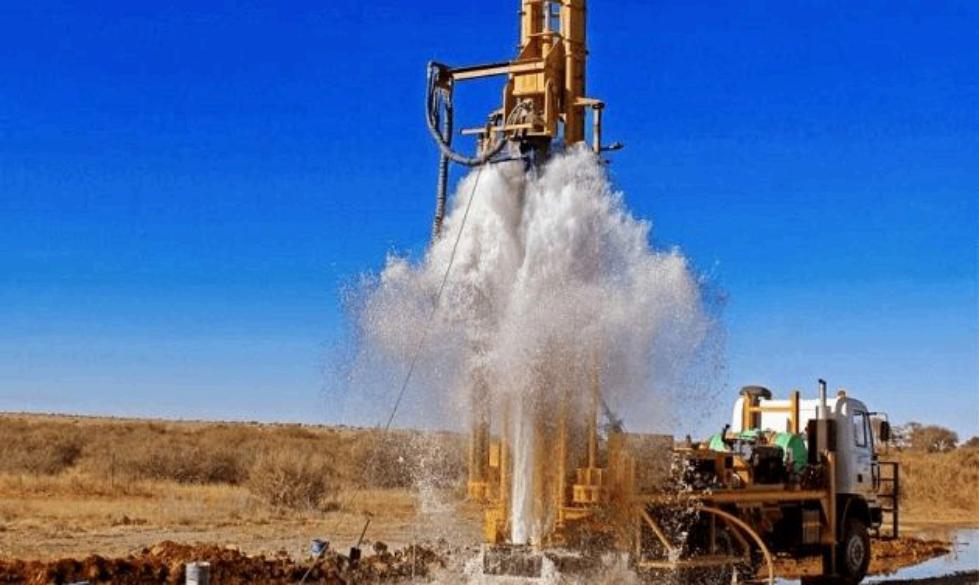
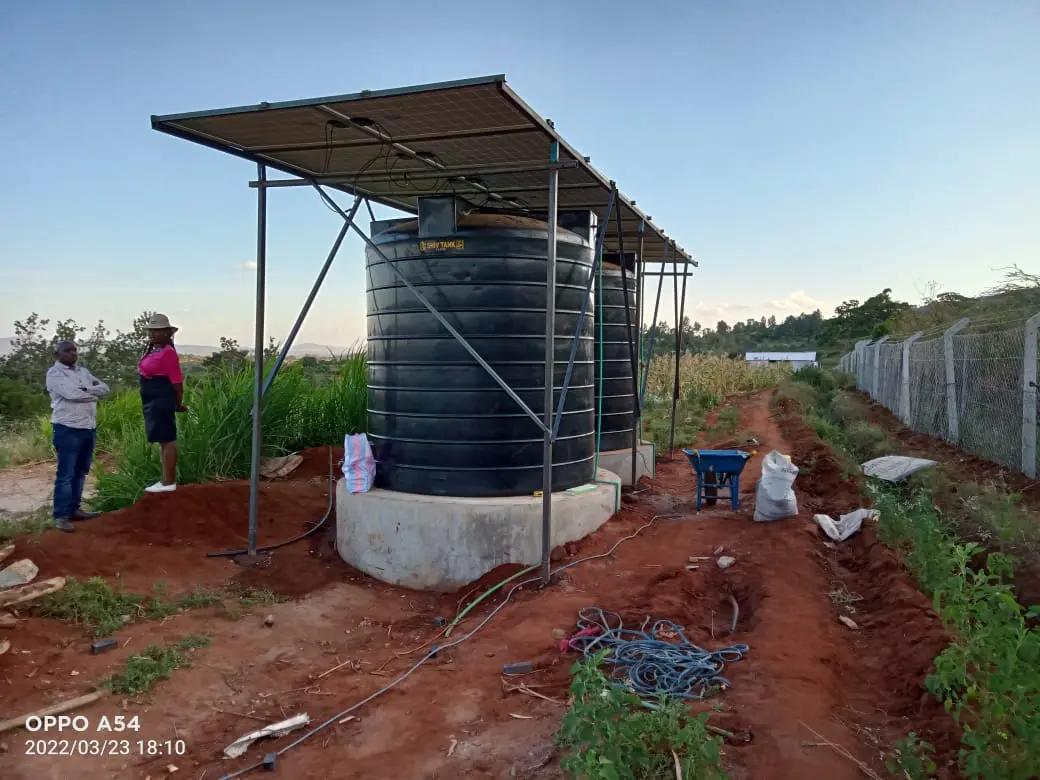
Description: Looking for borehole drilling in Vihiga County? GossTech Kenya Technologies provides hydrogeological surveys, geophysical surveys, borehole drilling, pump installation, solar pumping, water storage, water testing, treatment and borehole maintenance in Vihiga, Mbale, Luanda, Hamisi, Sabatia, Emuhaya, Chavakali, Kaimosi, Gisambai and across Kenya.
Professional Borehole Drilling in Vihiga County
Reliable water supply is essential for residential homes, farms, businesses, schools, hospitals, institutions and community development. In Vihiga County, access to dependable water remains an important consideration for households, agricultural activities, growing towns, institutions and commercial properties.
Although the county receives rainfall, water availability is not always consistent throughout the year. Growing populations, increased agricultural activity, pressure on existing water supply systems, seasonal changes and the distance between water sources and users can create challenges for residents and property owners.
For homeowners, farmers, institutions, commercial property developers and communities looking for a dependable alternative or supplementary source of water, a borehole may provide an appropriate solution where groundwater conditions are favourable.
GossTech Kenya Technologies provides professional borehole drilling services in Vihiga County, including hydrogeological surveys, geophysical surveys, borehole drilling, casing installation, borehole development, pumping tests, water quality testing, submersible pump installation, solar pumping, water storage, water treatment, borehole repair and maintenance.
Our services cover Vihiga Town, Mbale, Luanda, Hamisi, Sabatia, Emuhaya, Chavakali, Kaimosi, Gisambai, Majengo, Shamakhokho, Serem, Ebusiratsi, Esirulo, and surrounding communities.
Whether you are planning a borehole for a family home, agricultural property, dairy farm, school, hospital, hotel, commercial building or community water project, GossTech Kenya Technologies can help you plan and develop a complete groundwater supply system.
Why Borehole Drilling Is Important in Vihiga County
Vihiga County has a relatively high population density, extensive residential settlements, agricultural activity, educational institutions, commercial centres and rural communities that depend on reliable water.
Water is required for:
Domestic consumption
Cooking
Drinking
Bathing
Laundry
Cleaning
Sanitation
Crop farming
Irrigation
Dairy farming
Poultry farming
Livestock watering
Schools and colleges
Hospitals and health facilities
Hotels and restaurants
Commercial businesses
Churches
Community water projects
A borehole can provide an independent water source for property owners who want to reduce dependence on piped water systems, water vendors or distant water sources.
However, borehole drilling should not be undertaken without proper investigation. Groundwater conditions can vary between locations, even within the same village or neighbourhood.
A successful borehole project begins with assessing the groundwater potential of the specific property.
Borehole Drilling Services Across Vihiga County
1. Borehole Drilling in Vihiga Town and Mbale
Borehole drilling in Vihiga Town
Mbale is the county headquarters and an important administrative, residential and commercial centre. Increasing residential development, institutions, businesses and urban activities create demand for reliable water supply.
GossTech Kenya Technologies offers borehole drilling services in:
Mbale Town
Vihiga Town
Mungoma
Central Maragoli
South Maragoli
Lugaga/Wamuluma
Gisambai-border areas
Chavakali Road
Majengo
Residential neighbourhoods
Commercial developments
Institutions
Surrounding villages
Boreholes in urban and peri-urban locations require careful site planning. The drilling location must consider available space, access for drilling equipment, nearby buildings, sanitation systems, underground utilities, water storage and future property development.
Boreholes for homes and apartments
Residential boreholes may serve:
Family homes
Apartment blocks
Rental properties
Gated communities
Residential compounds
Staff housing
Property developments
A residential borehole system can include drilling, casing, pump installation, electrical controls, solar pumping, water storage, treatment and pipeline distribution.
The required water output should be calculated based on the number of occupants and expected consumption rather than simply selecting a pump based on borehole depth.
Commercial boreholes in Mbale
Commercial property owners may require groundwater for:
Hotels
Restaurants
Offices
Shopping centres
Car washes
Laundry businesses
Construction projects
Small manufacturing
Commercial farming
For businesses, borehole planning should consider peak water demand, storage, operating hours and the cost of pumping.
2. Borehole Drilling in Sabatia
Sabatia is one of the major residential and agricultural areas of Vihiga County. It includes numerous settlements, commercial centres, institutions and farming communities.
Our borehole drilling services cover:
Chavakali
Sabatia
Busali
Wodanga
Sabatia West
North Maragoli
Lyaduywa/Izava
Hamisi-border areas
Rural villages
Agricultural settlements
Residential developments
Sabatia’s residential population, agricultural activities and institutional facilities create a range of water requirements.
Borehole water for Sabatia homes
Homeowners can consider boreholes for:
Drinking water after appropriate testing and treatment
Cooking
Laundry
Cleaning
Toilets
Bathing
Gardening
Domestic livestock
A borehole may be connected to storage tanks to provide water even when the pump is not operating.
Agricultural boreholes in Sabatia
Farmers may use borehole water for:
Vegetable production
Greenhouses
Fruit farming
Nursery plants
Dairy farming
Poultry
Livestock
Fodder production
Agricultural boreholes must be designed according to the water demand of the farm. A borehole intended for domestic use may not necessarily be suitable for intensive irrigation without confirming its pumping capacity.
3. Borehole Drilling in Hamisi
Hamisi is an important rural and agricultural region with a mixture of settlements, farms, trading centres and institutions.
We provide borehole drilling and water system services in:
Hamisi
Shamakhokho
Serem
Gisambai
Tambua
Banja
Jepkoyai
Shiru
Muhudu
Tiriki areas
Surrounding villages
Agricultural settlements
Hamisi contains varied terrain and geological conditions. Borehole planning should therefore involve a professional groundwater assessment before selecting the drilling point.
Boreholes for rural properties
Rural boreholes may serve:
Family homes
Farms
Schools
Churches
Health centres
Community facilities
Livestock
Agricultural businesses
The complete system may include a submersible pump, water tank, solar panels, pipelines and water treatment equipment.
Water for livestock
Livestock owners may require borehole water for:
Dairy cows
Beef cattle
Goats
Sheep
Poultry
Pigs
A livestock water system may include dedicated troughs, pipelines, storage tanks and automatic float valves.
4. Borehole Drilling in Emuhaya
Emuhaya is an important area for residential, agricultural, commercial and institutional borehole development.
Our borehole drilling coverage includes:
Emuhaya
Ekwanda
Kima
Bunyore
Central Bunyore
North East Bunyore
West Bunyore
Ebusiratsi
Esirulo
Kilingili
Surrounding villages
Agricultural properties
Institutions
Borehole drilling in Emuhaya should be guided by geological and groundwater investigations. Groundwater conditions may vary depending on the local formations, weathered zones, geological structures and groundwater recharge.
Boreholes for homes in Emuhaya
A borehole can provide a supplementary or independent water source for residential properties where groundwater is suitable.
The system can be designed to supply:
Household taps
Bathrooms
Kitchens
Toilets
Laundry areas
Gardens
Water storage tanks
For larger residential compounds, water distribution can be planned to serve several buildings from a central storage system.
Agricultural water supply
Agricultural boreholes in Emuhaya can support:
Vegetable farming
Dairy farming
Poultry
Greenhouses
Fruit farming
Livestock
Farm workers
Small-scale irrigation
Before designing an irrigation system, the borehole should undergo testing to determine its performance.
5. Borehole Drilling in Luanda
Luanda is a major commercial and residential centre within Vihiga County. Growing settlements, businesses, institutions and agricultural activities create demand for reliable water infrastructure.
GossTech Kenya Technologies provides borehole drilling services in:
Luanda Town
Luanda Township
Luanda South
Emabungo
Mwibona
Wemilabi
Ekwanda-border areas
Surrounding villages
Commercial premises
Residential developments
Agricultural properties
Boreholes in Luanda can serve domestic, commercial, agricultural and institutional needs.
Boreholes for commercial properties
Commercial properties may require water for:
Hotels
Restaurants
Shops
Car washes
Laundry facilities
Offices
Commercial kitchens
Food businesses
Construction
Agricultural enterprises
A borehole can be developed with sufficient storage capacity to reduce interruptions during periods of high demand.
Boreholes for community projects
Community water projects may involve developing a borehole that serves multiple households through a distribution network.
Such projects may require:
Borehole drilling
Pump installation
Solar pumping
Elevated water storage
Water kiosks
Distribution pipelines
Water treatment
Management and maintenance arrangements
A community water system should be designed around the population served, anticipated daily water consumption, borehole pumping performance and storage requirements.
6. Borehole Drilling in Tiriki East
Tiriki East is part of Vihiga County’s current administrative structure and includes areas that may require borehole water for homes, farming, institutions and community development.
Our coverage includes:
Tiriki East
Tiriki communities
Hamisi-border settlements
Rural villages
Agricultural properties
Residential developments
Institutions
Trading centres
Groundwater development in Tiriki East should be approached through site-specific investigation because local groundwater occurrence may vary with geological conditions and topography.
Water supply for homes and institutions
Boreholes may be designed to serve:
Homes
Schools
Churches
Health centres
Community facilities
Businesses
Farms
The project can include the borehole, pumping system, tank, distribution network and treatment equipment.
7. Borehole Drilling in Chavakali
Chavakali is an important trading, residential and institutional centre within Vihiga County.
Borehole drilling services cover:
Chavakali Town
Chavakali trading centre
Busali
Wodanga
Sabatia West
Surrounding settlements
Residential properties
Commercial buildings
Institutions
Farms
Chavakali has growing residential and commercial activities. Borehole development may provide supplementary water for properties that require additional supply beyond existing infrastructure.
Boreholes for schools and institutions
Institutions may require borehole water for:
Students
Staff
Kitchens
Toilets
Dormitories
Handwashing
Cleaning
Landscaping
Institutional boreholes should be designed with adequate storage to meet demand during peak hours.
Understanding Groundwater Potential in Vihiga County
Vihiga County has a diverse geological environment that influences groundwater occurrence, borehole depth, drilling conditions and borehole performance.
County environmental documentation identifies groundwater-bearing formations associated with Kavirondian, Nyanzian, granite and basalt formations, with groundwater occurring in fractured zones, weathered materials and geological structures. Groundwater occurrence depends on the parent rock, structural features, weathering, recharge and precipitation.
Vihiga County+1
How groundwater occurs in Vihiga
Groundwater may be encountered in:
Weathered rock
Fractured rock formations
Fault zones
Geological contacts
Permeable subsurface materials
Aquifer-bearing formations
In some locations, groundwater may be stored in weathered zones above bedrock. In other areas, deeper fractures and geological structures may provide groundwater pathways.
Why drilling depth differs between locations
A borehole in Mbale may encounter different groundwater conditions from one in Hamisi, Luanda, Emuhaya, Sabatia or Tiriki East.
Factors that influence drilling include:
Local geology
Rock type
Fracture density
Weathering depth
Ground elevation
Groundwater recharge
Aquifer characteristics
Existing groundwater abstraction
The target water-bearing formation
Consequently, drilling depth and expected yield should be determined through a site-specific groundwater investigation.
No responsible borehole contractor should guarantee water, a particular depth or a specific yield before the site has been properly investigated and the borehole drilled and tested.
Hydrogeological and Geophysical Surveys in Vihiga
Before drilling, GossTech Kenya Technologies can help arrange the necessary groundwater investigations to evaluate the proposed drilling location.
Hydrogeological survey
A hydrogeological survey examines the groundwater conditions of a property and surrounding area.
The assessment may consider:
Geological formations
Groundwater occurrence
Existing boreholes
Nearby wells and springs
Groundwater recharge
Terrain
Drainage patterns
Potential aquifers
Groundwater quality considerations
Expected water demand
The objective is to provide a scientifically informed recommendation for borehole development.
Geophysical survey
Geophysical surveys investigate subsurface conditions using appropriate instruments and techniques.
Depending on the site, the investigation may help identify:
Potential water-bearing structures
Fractured geological zones
Weathered rock
Geological contacts
Subsurface formations
Possible aquifer locations
Suitable drilling points
The survey results help guide drilling decisions and reduce the risks associated with selecting a drilling point without adequate information.
Why borehole surveys matter in Vihiga
Vihiga County contains diverse geological conditions. A property may have different groundwater characteristics from neighbouring properties.
A hydrogeological and geophysical survey can help answer important questions before drilling:
Where is the most promising drilling point?
What geological formations are expected?
What depth range may need to be investigated?
What type of borehole construction may be appropriate?
What groundwater conditions should be anticipated?
What water demand should the proposed borehole serve?
A survey is a professional assessment, not a guarantee of success. The final borehole performance is confirmed through drilling and pumping tests.
The Borehole Drilling Process in Vihiga County
GossTech Kenya Technologies follows a structured approach to borehole development, from planning and investigations to drilling, pump installation and water distribution.
1. Consultation and project planning
We first establish why the client needs a borehole.
The intended use may include:
Domestic water supply
Residential development
Irrigation
Livestock
Commercial operations
Schools
Hospitals
Hotels
Community projects
The intended water use determines the expected daily consumption and the design requirements.
2. Site inspection
The property is assessed for:
Access for drilling equipment
Available drilling space
Ground conditions
Nearby buildings
Septic systems
Drainage
Underground utilities
Property boundaries
Storage tank location
Distribution requirements
Site access is particularly important in densely populated areas of Vihiga, where plots may be relatively small and buildings closely spaced.
3. Hydrogeological survey
The groundwater investigation evaluates the property’s groundwater potential and provides recommendations for borehole development.
4. Geophysical survey
Where required, geophysical methods are used to investigate subsurface formations and identify potential drilling locations.
5. Drilling location selection
The proposed drilling point is selected based on the investigation, property conditions and project requirements.
6. Permits and approvals
The required regulatory approvals are obtained before drilling, in accordance with applicable Kenyan requirements.
7. Mobilisation
The drilling equipment, materials and crew are transported to the site.
8. Borehole drilling
Drilling commences using a suitable method for the geological conditions expected at the location.
The borehole may pass through different geological formations before reaching suitable groundwater-bearing zones.
9. Geological logging
The formations encountered during drilling are recorded and evaluated.
This information assists in determining:
Formation changes
Rock characteristics
Water-bearing zones
Borehole construction requirements
Casing specifications
10. Casing installation
Suitable casing is installed to protect the borehole structure and prevent collapse.
11. Screen installation
Screen casing may be installed in appropriate water-bearing formations to allow water entry while limiting the movement of unwanted materials.
12. Gravel packing
Gravel packing may be included where required by the borehole design.
13. Borehole development
Development helps remove drilling residues and improves the flow of groundwater into the borehole.
Methods may include airlifting, surging or other suitable techniques.
14. Pumping test
A pumping test is undertaken to assess borehole performance.
The test helps establish:
Pumping rate
Drawdown
Water-level response
Recovery
Borehole performance
Suitable pumping conditions
15. Water quality testing
Samples are collected for laboratory analysis to determine the water quality and whether treatment is necessary.
16. Submersible pump installation
A suitable pump is selected according to the borehole’s tested performance and the water supply requirements.
17. Water storage installation
Water tanks may be installed to provide reserve storage and support distribution.
18. Pipeline installation
Pipelines are installed to distribute water to homes, farms, buildings, livestock troughs or community water points.
Borehole Pump Installation in Vihiga County
After drilling, the borehole requires a properly selected pumping system to deliver water effectively.
GossTech Kenya Technologies provides borehole pump installation and replacement services.
Submersible borehole pumps
Submersible pumps are installed inside boreholes and used to lift water to the required destination.
Pump selection depends on:
Borehole depth
Static water level
Pumping water level
Borehole yield
Required flow rate
Total pumping head
Tank elevation
Pipeline distance
Electricity availability
The pump should be matched to the tested borehole performance.
Borehole pump replacement
We assist with troubleshooting and replacing borehole pumps experiencing problems such as:
Pump not starting
Pump producing little water
Pump running without sufficient output
Pump tripping electricity
Pump overheating
Electrical cable problems
Faulty control panels
Pump failure
Low pressure
Water supply interruptions
A proper diagnosis should determine whether the problem is caused by the pump, electrical system, water levels, borehole condition or distribution network.
Solar Borehole Pumping Solutions in Vihiga
Solar pumping provides an alternative to conventional grid-powered borehole systems, especially for rural homes, farms, institutions and properties where electricity supply is unreliable or expensive.
GossTech Kenya Technologies provides solar borehole pumping solutions in Vihiga County.
Solar borehole systems can be suitable for:
Rural homes
Farms
Dairy farms
Livestock operations
Schools
Community water projects
Commercial properties
Irrigation projects
Remote institutions
Components of a solar borehole pumping system
A complete solar borehole system may include:
Solar panels
Solar mounting structures
Submersible solar pump
Pump controller
Electrical cables
Water-level protection
Storage tanks
Float switches
Distribution pipes
Optional battery system
Benefits of solar borehole pumping
Solar pumping can help reduce:
Electricity bills
Dependence on the national electricity grid
Fuel costs associated with generator pumping
Operating costs in remote locations
Solar systems can be designed to pump water during daylight hours into storage tanks, allowing water to be used later.
Solar pumping for farms in Vihiga
Farmers may use solar boreholes for:
Vegetable irrigation
Greenhouse farming
Fruit production
Fodder
Livestock
Poultry
Dairy operations
Farmhouses
Agricultural workers
The solar pumping system must be designed around the borehole yield, pump specifications, daily water demand, required pumping hours and water storage.
Borehole Water Storage and Distribution in Vihiga
A borehole should be developed as a complete water supply system rather than simply drilling a hole and installing a pump.
GossTech Kenya Technologies can assist with water storage and distribution solutions.
Water storage tanks
Storage tanks may be installed for:
Residential homes
Apartments
Farms
Schools
Hospitals
Hotels
Commercial premises
Community water projects
Storage capacity depends on the daily water demand, pumping rate, pumping schedule and anticipated interruptions.
Elevated water tanks
Elevated tanks can support gravity-fed water distribution.
Tank structures may include:
Steel towers
Concrete supports
Reinforced structures
Suitable elevated platforms
Structures should be appropriately designed to safely support the tank, water weight and other loads.
Water distribution pipelines
Distribution systems can include:
Main water pipelines
Branch lines
Household connections
Irrigation lines
Livestock troughs
Water kiosks
Isolation valves
Pressure controls
A properly designed distribution system can improve water delivery and reduce unnecessary losses.
Borehole Water Testing and Treatment in Vihiga County
Water quality is a particularly important consideration when developing groundwater sources in densely populated areas.
Research conducted in Vihiga County has identified groundwater quality concerns in sampled shallow wells, including microbiological contamination associated with sanitation conditions. These findings reinforce the importance of proper borehole siting, sanitation protection and laboratory water testing. They do not mean that every borehole in Vihiga is contaminated.
repository.nrf.go.ke+1
Why borehole water testing is important
Water may appear clear but contain microorganisms or dissolved substances that cannot be identified through appearance, taste or smell alone.
Testing may include:
pH
Turbidity
Electrical conductivity
Total dissolved solids
Hardness
Iron
Manganese
Nitrates
Microbiological testing
Total coliforms
Faecal coliforms
Other parameters depending on the intended use
Water treatment solutions
Depending on the laboratory results, treatment may include:
Sediment filtration
Sand filtration
Activated carbon filtration
Iron removal
Manganese removal
Water softening
Reverse osmosis
Ultraviolet disinfection
Chlorination
The treatment system should be selected based on laboratory results rather than assumptions.
Protecting groundwater from contamination
Boreholes should be protected against contamination from:
Pit latrines
Septic systems
Surface runoff
Floodwater
Waste disposal areas
Agricultural chemicals
Fuel and oils
Animal waste
Poorly maintained borehole heads
Proper sanitary construction, drainage and careful borehole siting are essential.
Where properties are small or sanitation systems are close together, borehole location and sanitary protection require particular attention.
Borehole Repair, Rehabilitation and Maintenance in Vihiga
GossTech Kenya Technologies also provides borehole repair and maintenance services for existing boreholes.
Boreholes may experience reduced performance due to pump failure, electrical problems, sediment accumulation, changing groundwater conditions, damaged pipes or other mechanical problems.
Common borehole problems
We assist with issues such as:
Borehole producing little or no water
Pump failing to start
Pump tripping electricity
Reduced water pressure
Pump running continuously
Pump producing intermittent water
Excessive sand in water
Muddy water
Borehole blockage
Pump controller failure
Electrical cable problems
Damaged pipes
Leaking connections
Solar pumping problems
Faulty water level controls
Tank overflow problems
Borehole rehabilitation
Rehabilitation may involve:
Borehole inspection
Pump removal
Pump replacement
Borehole cleaning
Borehole development
Sediment removal
Electrical repairs
Cable replacement
Pipeline repairs
Pumping system inspection
Water testing
Rehabilitation of borehole structures
Before undertaking rehabilitation, the borehole should be assessed to determine the cause of the problem and the most appropriate corrective action.
Preventive maintenance
Regular maintenance can help extend the useful life of borehole equipment.
Maintenance services may include:
Pump inspection
Electrical testing
Solar panel inspection
Controller inspection
Tank inspection
Pipeline inspection
Leak detection
Water quality testing
Pump performance monitoring
Water-level monitoring
Cleaning storage tanks
Borehole Drilling Costs in Vihiga County
The cost of drilling a borehole in Vihiga depends on the site, depth, geology, equipment specifications and the complete water system required.
Important cost factors include:
Hydrogeological survey
Geophysical survey
Permits and approvals
Mobilisation
Drilling depth
Borehole diameter
Casing specifications
Screen casing
Gravel pack
Borehole development
Pumping test
Water analysis
Pump capacity
Solar pumping
Water storage
Tank structure
Pipeline installation
Water treatment
Indicative borehole costs in Kenya
| Component | Indicative cost (KSh) |
|---|---|
| Hydrogeological survey | 40,000–100,000 |
| Geophysical survey | 35,000–100,000 |
| Permits and approvals | 30,000–150,000+ |
| Mobilisation | 50,000–200,000+ |
| Drilling per metre | 6,000–12,000+ |
| Plain casing per metre | 2,500–6,000+ |
| Screen casing per metre | 3,000–7,000+ |
| Gravel pack | 20,000–100,000+ |
| Borehole development | 30,000–100,000+ |
| Pumping test | 30,000–100,000+ |
| Water testing | 15,000–50,000+ |
| Submersible pump | 50,000–300,000+ |
| Pump installation | 30,000–100,000+ |
| Electrical installation | 30,000–150,000+ |
| Solar pumping system | 150,000–800,000+ |
| Water storage tanks | 20,000–300,000+ |
| Tank structure | 50,000–500,000+ |
Estimated project budgets
| Project type | Indicative budget |
|---|---|
| Basic residential borehole | KSh 1.2M–2.0M+ |
| Residential borehole with storage | KSh 1.5M–2.8M+ |
| Residential borehole with solar | KSh 2.0M–4.5M+ |
| Commercial/institutional borehole | KSh 2.5M–4.5M+ |
| Agricultural borehole | Project-specific |
| Community water project | Project-specific |
These figures are planning estimates, not fixed quotations. Actual costs depend on the site, geology, depth, casing specifications, equipment, water storage and project requirements.
A proper quotation should be prepared after the project requirements and site conditions have been evaluated.
Borehole Drilling Coverage by Sub-County and Ward in Vihiga County
GossTech Kenya Technologies serves customers throughout Vihiga County, including the main towns, residential settlements, agricultural areas, villages, institutions and commercial properties.
The county currently identifies six sub-counties and 25 wards, including Tiriki East in the current administrative structure. County planning documents also provide the established constituency and ward groupings.
Vihiga County+2
Vihiga area
Coverage includes:
Lugaga/Wamuluma
Central Maragoli
South Maragoli
Mungoma
Mbale
Vihiga Town
Mungoma
Surrounding settlements
Sabatia area
Coverage includes:
Chavakali
Busali
Wodanga
Sabatia West
North Maragoli
Lyaduywa/Izava
Sabatia Town
Surrounding villages
Hamisi area
Coverage includes:
Tambua
Banja
Jepkoyai
Shiru
Muhudu
Shamakhokho
Gisambai
Hamisi Town
Serem
Surrounding settlements
Luanda area
Coverage includes:
Luanda Township
Luanda South
Emabungo
Mwibona
Wemilabi
Luanda Town
Surrounding villages
Emuhaya area
Coverage includes:
North East Bunyore
Central Bunyore
West Bunyore
Emuhaya
Kima
Ekwanda
Kilingili
Surrounding villages
Tiriki East area
Coverage includes:
Tiriki East
Tiriki settlements
Surrounding villages
Agricultural areas
Residential developments
Institutions and community facilities
For customers searching for borehole drilling near me in Vihiga, borehole drilling contractors in Vihiga County, borehole drilling in Mbale, borehole drilling in Luanda, borehole drilling in Hamisi, borehole drilling in Chavakali, borehole drilling in Emuhaya, borehole drilling in Sabatia or borehole drilling in Kaimosi, GossTech Kenya Technologies provides borehole development and water-system services across the county.
Borehole Permits and Regulatory Requirements
Borehole drilling in Kenya is regulated and requires the appropriate approvals.
The Water Resources Authority (WRA) is responsible for groundwater resources regulation and water abstraction authorisation.
Depending on the project, the regulatory process may include:
Hydrogeological assessment.
Groundwater investigation.
Application for relevant authorisation.
Site verification where applicable.
Drilling authorisation.
Borehole construction.
Pumping test.
Borehole completion documentation.
Water quality testing.
Applicable water abstraction approval or permit.
Clients should confirm current requirements with the relevant authorities before drilling begins.
Proper documentation is important because a borehole is a groundwater resource that must be developed and managed responsibly.
Borehole Drilling for Different Types of Clients in Vihiga
Residential borehole drilling
Homeowners may develop boreholes for:
Family homes
Apartments
Rental properties
Gated communities
Residential compounds
Staff housing
A residential system may include a borehole, submersible pump, storage tanks, solar system, treatment equipment and distribution pipelines.
Agricultural borehole drilling
Farm boreholes can support:
Vegetable farming
Greenhouse farming
Fruit farming
Dairy farming
Poultry farming
Livestock
Fodder production
Farmhouses
Agricultural workers
Agricultural water demand should be calculated carefully before selecting pumping equipment.
Boreholes for schools and colleges
Schools may require borehole water for:
Students
Staff
Kitchens
Toilets
Handwashing
Dormitories
Cleaning
Landscaping
Institutional boreholes may require substantial storage capacity because water consumption can increase significantly during school hours.
Boreholes for hospitals and health facilities
Health facilities require dependable water for hygiene, cleaning, sanitation, patient care and general operations.
A hospital borehole project may require:
Appropriate pumping capacity
Water storage
Water treatment
Backup pumping arrangements
Reliable distribution
Periodic water testing
Commercial borehole drilling
Businesses may require boreholes for:
Hotels
Restaurants
Commercial buildings
Car washes
Laundry businesses
Shops
Markets
Manufacturing
Food processing
Construction projects
The water system should be designed around the commercial property’s consumption and operating requirements.
Community boreholes
Community water projects may serve several households, institutions and public facilities.
A community project may include:
Borehole
Pump
Solar panels
Elevated tank
Water kiosk
Pipeline distribution
Public water points
Livestock troughs
Treatment system
Community projects require appropriate planning, management, maintenance and sustainable water abstraction.
Frequently Asked Questions About Borehole Drilling in Vihiga County
How much does it cost to drill a borehole in Vihiga?
The total cost depends on drilling depth, geological conditions, casing, pump specifications, permits, mobilisation, storage and water treatment. A complete project may cost approximately KSh 1.2 million to several million shillings.
How deep should a borehole be drilled in Vihiga?
There is no single depth applicable to the whole county. The required depth depends on the geology and groundwater conditions at the specific property.
Do you drill boreholes in Mbale?
Yes. We provide borehole drilling services in Mbale, Vihiga Town, Mungoma, surrounding residential areas, commercial properties and institutions.
Do you drill boreholes in Luanda?
Yes. We serve Luanda Town, Luanda Township, Luanda South, Emabungo, Mwibona, Wemilabi and surrounding areas.
Do you provide borehole drilling in Hamisi?
Yes. Our coverage includes Hamisi, Shamakhokho, Serem, Gisambai, Tambua, Banja, Jepkoyai, Shiru, Muhudu and surrounding settlements.
Can you drill a borehole for a farm?
Yes. Boreholes can be designed for agricultural water supply, including irrigation, dairy farming, poultry and livestock, subject to the borehole’s tested performance.
Can you install solar borehole pumps?
Yes. We provide solar borehole pumping solutions where appropriate. The solar system is designed according to the pump, borehole performance and water requirements.
Do you install water tanks?
Yes. We can assist with water storage tanks, tank structures, pipelines and water distribution systems.
Is borehole water safe for drinking?
Not automatically. Borehole water should be tested in a laboratory before being used for drinking. Treatment requirements depend on the results.
Can you repair an existing borehole?
Yes. We provide pump replacement, electrical troubleshooting, borehole rehabilitation, cleaning, development, maintenance and water system repairs.
Do you assist with permits?
We can guide clients through the borehole development process and the relevant documentation and approvals required for their projects.
Do you operate outside Vihiga County?
Yes. GossTech Kenya Technologies provides services in Nairobi and Across Kenya.
Why Choose GossTech Kenya Technologies?
When investing in a borehole, it is important to consider the entire water supply system—not just drilling.
GossTech Kenya Technologies provides borehole-related services including:
Hydrogeological surveys
Geophysical surveys
Borehole drilling
Borehole casing
Screen installation
Gravel packing
Borehole development
Pumping tests
Water testing
Submersible pump installation
Solar borehole pumping
Water storage
Tank installation
Pipeline distribution
Water treatment
Borehole repair
Borehole rehabilitation
Pump replacement
Maintenance
We serve residential, agricultural, commercial, institutional and community water projects.
Contact GossTech Kenya Technologies for Borehole Drilling in Vihiga
Are you planning to drill a borehole in Vihiga, Mbale, Luanda, Hamisi, Sabatia, Emuhaya, Chavakali, Kaimosi, Gisambai, Shamakhokho, Serem, Tiriki East or any other part of Vihiga County?
Contact GossTech Kenya Technologies for borehole drilling, groundwater surveys, pump installation, solar pumping, water storage, water testing, treatment and borehole maintenance.
GossTech Kenya Technologies
📞 Phone: 0723613664
📧 Email: info@gosstech.co.ke
🌍 Website: www.gosstech.co.ke
Service coverage: Nairobi and Across Kenya
Whether you need water for your home, farm, business, school, hospital, institution or community, we can help you plan your borehole project from the initial groundwater investigation through drilling and installation of your complete water supply system.
Contact GossTech Kenya Technologies today to discuss your borehole drilling project in Vihiga County.