
Borehole Drilling in Bomet County | GossTech Kenya Technologies
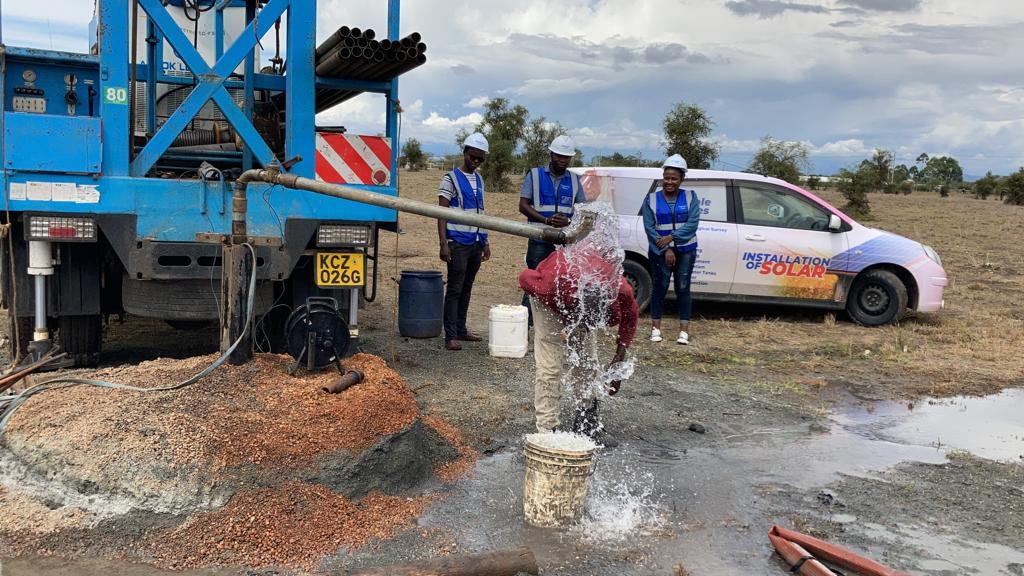
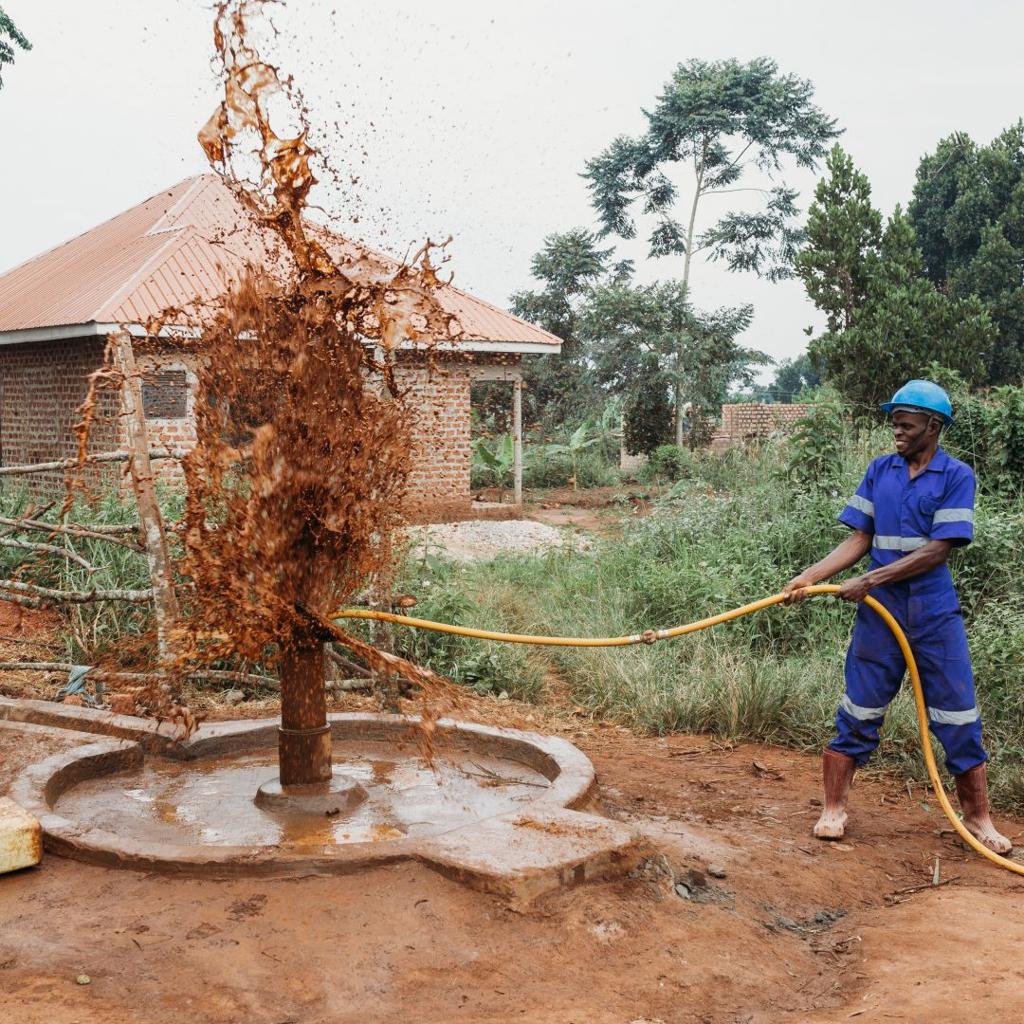
Description: Looking for borehole drilling in Bomet County? GossTech Kenya Technologies provides hydrogeological surveys, geophysical surveys, borehole drilling, pump installation, solar pumping, water storage, water testing, treatment and borehole maintenance in Bomet, Sotik, Longisa, Chepalungu, Mulot, Silibwet and across Kenya.
Professional Borehole Drilling Services in Bomet County
Reliable water is essential for homes, farms, livestock, schools, businesses, hospitals, agricultural projects and communities throughout Bomet County.
Bomet County is known for its agricultural activities, fertile highlands, tea-growing areas, dairy farming, crop production and rural settlements. However, despite receiving rainfall in many areas, access to reliable water can still be a challenge for individual households, farms, institutions and commercial properties, particularly where water infrastructure is unavailable, unreliable or insufficient for the intended demand.
A professionally planned borehole can provide an alternative water source for domestic use, agriculture, livestock, commercial activities and institutional water supply.
GossTech Kenya Technologies provides borehole drilling services throughout Bomet County, including hydrogeological surveys, geophysical surveys, groundwater exploration, borehole drilling, casing installation, borehole development, pumping tests, submersible pump installation, solar-powered pumping, water storage, water treatment and borehole maintenance.
We serve Bomet Town, Sotik, Longisa, Chepalungu, Mulot, Silibwet, Kaplong, Ndanai, Kimulot, Mogogosiek, Chesoen, Merigi, Siongiroi, Kipreres, and surrounding villages, farms and settlements.
Our services are available in Bomet County, Nairobi and Across Kenya.
Whether you are planning a borehole for a residential home, dairy farm, tea farm, commercial development, school, hospital, hotel, irrigation project or community water supply, proper groundwater investigation and borehole planning are important steps toward developing a reliable water system.
Why Borehole Drilling Is Important in Bomet County
Bomet County has a strong agricultural economy. Farming activities include tea production, dairy farming, maize production, horticulture, livestock keeping and other agricultural enterprises.
Water is required throughout the year for many of these activities, including periods when rainfall is insufficient or when existing water sources cannot meet demand.
A borehole may provide water for:
Residential homes
Farms
Dairy operations
Livestock
Tea farms
Horticultural farms
Greenhouses
Irrigation projects
Schools
Hospitals
Churches
Hotels
Commercial buildings
Businesses
Community water projects
Construction sites
Agricultural processing facilities
For property owners, a borehole may help reduce reliance on other water sources, subject to groundwater availability, water quality, pumping capacity and regulatory requirements.
A borehole project should always be based on the actual conditions at the proposed site. The fact that a neighbouring property has a productive borehole does not guarantee the same result on your land.
Borehole Drilling Services Across the Five Sub-Counties of Bomet
GossTech Kenya Technologies provides borehole drilling and water system solutions throughout the five sub-counties of Bomet County.
1. Borehole Drilling in Bomet Central
Bomet Central includes Bomet Town and surrounding agricultural, residential and rural communities. Water demand comes from households, businesses, institutions, farms and growing residential settlements.
Areas served in Bomet Central
Bomet Town
Silibwet
Singorwet
Chesoen
Ndaraweta
Mutarakwa
Bomet town outskirts
Rural Bomet Central
Farms and agricultural properties
Residential estates
Institutional properties
Borehole applications
Boreholes in Bomet Central may be planned for:
Residential homes
Apartment developments
Schools
Hospitals
Commercial buildings
Dairy farms
Agricultural production
Greenhouses
Irrigation
Hotels
Churches
Community water projects
Groundwater investigations are particularly important because local geological formations can influence the depth at which groundwater is encountered and the potential borehole yield.
2. Borehole Drilling in Bomet East
Bomet East is an important agricultural region with farming, livestock production, residential settlements and commercial activity.
Areas served
Longisa
Kembu
Chemaner
Merigi
Kipreres
Rural Bomet East
Agricultural farms
Residential developments
Institutions
Trading centres
Borehole water for Bomet East
Our borehole services can support:
Domestic water supply
Dairy farms
Livestock watering
Irrigation
Crop farming
Greenhouses
Commercial agriculture
Schools
Health facilities
Businesses
Water projects in this area should be designed around actual water requirements and local groundwater conditions.
3. Borehole Drilling in Chepalungu
Chepalungu covers a large area with different settlements, agricultural land, rural communities and locations where water infrastructure is important for farming and domestic supply.
Areas served
Sigor
Kongasis
Chebunyo
Nyangores
Siongiroi
Mulot surroundings
Rural Chepalungu
Farms
Livestock properties
Commercial developments
Borehole projects in Chepalungu
Boreholes may be developed for:
Homes
Livestock
Agricultural projects
Irrigation
Dairy production
Commercial farms
Schools
Dispensaries
Community water schemes
The groundwater conditions in Chepalungu can vary considerably. A site investigation helps identify promising drilling locations and inform the project design.
4. Borehole Drilling in Konoin
Konoin is an important tea-growing and agricultural area of Bomet County. Water is required for homes, farms, livestock, tea-related activities, schools, institutions and businesses.
Areas served in Konoin
Kimulot
Mogogosiek
Boito
Embomos
Chepchabas
Rural Konoin
Tea-growing areas
Agricultural properties
Commercial centres
Residential developments
Borehole drilling applications in Konoin
We provide borehole services for:
Residential homes
Tea farms
Dairy farming
Agricultural projects
Greenhouses
Livestock watering
Schools
Hospitals
Commercial businesses
Community water projects
The area has diverse geological and groundwater conditions. The County Water and Sanitation Strategy identifies groundwater occurrence in different geological zones, including volcanic and basement complex formations, with considerable variation in potential yield.
CWSSIP_BOMET_COUNTY__R2 (2) (1)
A borehole project in Konoin should therefore be assessed individually rather than relying on a neighbouring property’s borehole depth or yield.
5. Borehole Drilling in Sotik
Sotik is an important commercial and agricultural centre in Bomet County, with residential settlements, farms, businesses, institutions and rural communities.
Areas served in Sotik
Sotik Town
Ndanai
Abosi
Kipsonoi
Kapletundo
Chemagel
Rongena
Manaret
Rural Sotik
Agricultural farms
Commercial properties
Residential settlements
Borehole services in Sotik
Our services include:
Groundwater surveys
Geophysical surveys
Borehole drilling
Borehole casing
Borehole development
Test pumping
Submersible pump installation
Solar pumping
Water storage
Water treatment
Borehole rehabilitation
Boreholes may support homes, agricultural projects, livestock farms, commercial properties, institutions and community water schemes.
The groundwater conditions in Sotik and the lower areas of the county can differ from those in higher elevations. Site-specific investigation is important before selecting the drilling location and equipment.
Borehole Drilling in Bomet Town and Surrounding Areas
Bomet Town and its surrounding settlements are important centres for residential development, businesses, institutions and agricultural activity.
Property owners may consider boreholes for:
Private residential compounds
Apartments
Rental houses
Hotels
Restaurants
Commercial buildings
Schools
Hospitals
Offices
Construction projects
Farms
Community water systems
A borehole can potentially supplement existing water supplies, but the project should include proper investigation, borehole construction, water testing and a correctly sized pumping and storage system.
Borehole Drilling in Longisa
Longisa is an important settlement in Bomet East, with residential properties, commercial facilities, institutions and agricultural activity.
GossTech Kenya Technologies offers borehole drilling and related water services in:
Longisa Town
Longisa surroundings
Kembu
Chemaner
Merigi
Kipreres
Rural Bomet East
Services may include borehole drilling, groundwater surveys, pump installation, solar pumping, storage, water testing and maintenance.
Borehole Drilling in Kaplong, Ndanai, Kimulot and Other Local Areas
Our borehole drilling coverage extends beyond major towns to smaller settlements, villages, farms and rural properties.
Borehole drilling locations include:
Kaplong
Ndanai
Abosi
Mogogosiek
Kimulot
Boito
Chepchabas
Embomos
Merigi
Kembu
Chemaner
Kipreres
Longisa
Silibwet
Singorwet
Chesoen
Ndaraweta
Mutarakwa
Siongiroi
Chebunyo
Kongasis
Sigor
Nyangores
Rongena
Manaret
Chemagel
Kapletundo
Kipsonoi
Sotik
Mulot
Bomet
Rural settlements throughout Bomet County
We also serve farms, ranches, agricultural estates, institutions, commercial properties and remote communities.
Understanding Groundwater Conditions in Bomet County
Bomet County is located within the Lake Victoria South Catchment and contains several hydrogeological zones.
The County Water and Sanitation Strategy identifies groundwater occurrence associated with different geological formations, including volcanic formations in upper areas, basement complex formations in parts of the middle zone and sedimentary formations in lower areas. Groundwater depth and yield vary considerably across these zones.
CWSSIP_BOMET_COUNTY__R2 (2) (1)
Groundwater in the Upper Areas
Some upper areas of the county contain volcanic formations associated with the Mau Complex and upper river catchments.
Groundwater may occur in fractured lava, weathered formations and other geological structures.
Borehole drilling in these areas requires careful investigation of:
Fractures
Weathered rock
Geological structures
Groundwater recharge
Formation characteristics
Potential aquifer zones
Groundwater in the Middle Areas
Parts of Chepalungu, Konoin and other middle-zone areas may contain basement complex formations.
Groundwater occurrence can depend heavily on weathering and fracturing of the underlying rocks.
A successful groundwater exploration programme may need to investigate:
Rock fractures
Weathered zones
Faults
Geological contacts
Recharge areas
Local groundwater structures
Groundwater in the Lower Areas
Parts of Sotik and Longisa are associated with lower geological zones where sedimentary formations may occur.
Groundwater may be present within sandy formations, sedimentary layers and other water-bearing structures.
However, shallow aquifers can be vulnerable to contamination and seasonal changes, particularly where they are unconfined.
Why groundwater surveys are important in Bomet
Groundwater conditions vary considerably across Bomet County.
Some locations may have relatively favourable groundwater conditions, while other properties may experience low yields, variable groundwater levels or water quality challenges.
Therefore, borehole drilling should be planned based on the proposed site rather than assuming that the whole county has similar groundwater potential.
Hydrogeological Surveys for Borehole Drilling in Bomet County
Before drilling a borehole, it is important to understand the geological and groundwater conditions of the proposed site.
A hydrogeological survey helps assess groundwater potential and provides information that can guide borehole planning.
What is included in a hydrogeological survey?
A groundwater investigation may assess:
Geological formations
Existing boreholes
Springs
Nearby water sources
Groundwater recharge
Local terrain
Drainage
Soil and rock formations
Groundwater vulnerability
Potential aquifer locations
Proposed borehole location
Why homeowners should conduct a survey
A survey helps the property owner make a more informed decision before committing to drilling expenditure.
It is particularly valuable when drilling:
In remote areas
On large farms
On commercial properties
For institutions
For community water projects
For irrigation
Where no successful nearby borehole is known
Where previous drilling attempts have failed
A groundwater survey cannot guarantee that water will be found or that the borehole will achieve a specific yield. It is an investigation intended to reduce uncertainty and improve drilling-point selection.
Geophysical Groundwater Surveys in Bomet
Geophysical surveys are used to investigate underground formations and identify locations with characteristics that may be favourable for groundwater occurrence.
Geophysical survey services
Our groundwater exploration services may include:
Electrical resistivity investigations
Subsurface measurements
Groundwater exploration
Geological structure assessment
Investigation of weathered formations
Identification of potential fracture zones
Interpretation of subsurface data
Recommended borehole drilling points
How geophysical surveys assist borehole planning
The investigation may help identify:
Potential water-bearing formations
Fractured rock zones
Weathered formations
Geological contacts
Areas with different subsurface characteristics
The results should be interpreted alongside local geology, nearby borehole information and hydrogeological observations.
A geophysical survey is not a guarantee of water. Actual groundwater conditions, borehole yield and water quality can only be established through drilling, borehole completion and appropriate testing.
Our Borehole Drilling Process in Bomet County
GossTech Kenya Technologies provides a structured approach to borehole development.
Step 1: Client Consultation
We establish the client’s water requirements and project location.
We consider:
Location of the property
Intended water use
Residential or commercial requirements
Number of users
Farm size
Livestock numbers
Irrigation requirements
Daily water demand
Preferred pumping system
Storage requirements
Step 2: Site Assessment
We assess the proposed drilling location and practical site requirements.
This may involve:
Access roads
Drilling rig access
Working space
Site preparation
Ground conditions
Nearby buildings
Existing water infrastructure
Proposed tank location
Pipeline routes
Step 3: Groundwater Investigation
Hydrogeological and geophysical investigations are undertaken as appropriate.
The findings help guide the proposed drilling location.
Step 4: Permits and Approvals
Applicable groundwater development permissions and regulatory requirements should be addressed before drilling.
The specific requirements depend on the proposed project and applicable water-resource regulations.
Step 5: Mobilisation
Drilling equipment and project materials are transported to the site.
Mobilisation requirements depend on the property’s location, accessibility and project size.
Step 6: Borehole Drilling
The borehole is drilled using an appropriate method according to the geological conditions encountered.
During drilling, the formation materials and groundwater-bearing zones are assessed.
Step 7: Casing Installation
Casing is installed according to the borehole design to help stabilise the borehole and protect the well.
Step 8: Screen Installation
Borehole screens may be installed in selected water-bearing formations to allow groundwater entry while helping control sediment.
Step 9: Gravel Packing
Where required, gravel packing is installed around the screened section.
Step 10: Borehole Development
The borehole is developed to remove drilling-related materials and improve its hydraulic performance.
Step 11: Pumping Test
A pumping test helps determine how the borehole performs under pumping conditions.
Important measurements include:
Static water level
Pumping water level
Drawdown
Pumping rate
Recovery
Borehole performance
Step 12: Water Testing
Water samples are analysed to establish suitability for the intended use.
Step 13: Pump Installation
A pump is selected based on the borehole’s tested characteristics and the client’s requirements.
Step 14: Storage and Distribution
Water is delivered into tanks or directly into the distribution system according to the system design.
Step 15: System Handover
The completed system is inspected and the client is advised on operation, maintenance, water testing and pump protection.
Borehole Water for Residential Homes in Bomet County
Homeowners in Bomet County may install boreholes to improve water availability for their families and properties.
A residential borehole can provide water for:
Drinking after appropriate treatment
Cooking
Bathing
Laundry
Cleaning
Toilets
Gardening
Domestic animals
General household consumption
Residential borehole installation
A complete residential borehole project may include:
Hydrogeological survey
Geophysical survey
Borehole drilling
Casing installation
Borehole development
Pumping test
Water testing
Submersible pump
Pump control system
Water storage tanks
Tank structure
Pipeline installation
Electrical or solar system
Plumbing and distribution
The system should be designed according to household water demand, the available borehole yield and the property layout.
Borehole Drilling for Apartments and Residential Estates
Bomet County has growing residential settlements and developments requiring reliable water infrastructure.
A borehole may be considered for:
Apartments
Rental houses
Residential estates
Gated communities
Staff housing
Private compounds
Guest houses
Housing developments
Borehole systems for apartment buildings
Apartment projects may require:
High-capacity pumping systems
Large storage tanks
Elevated tank structures
Water pressure management
Multiple distribution lines
Pump automation
Backup power
Water treatment
Plumbing infrastructure
The borehole and pumping system must be sized according to the expected daily consumption and actual borehole performance.
For larger residential developments, storage capacity is important because water demand may peak at certain times of the day.
Borehole Drilling for Agriculture in Bomet County
Agriculture is a major economic activity in Bomet County. Reliable water is important for crop production, livestock farming, horticulture and agricultural businesses.
Borehole water may support:
Tea farming
Dairy farming
Maize production
Horticulture
Vegetable farming
Greenhouse farming
Fruit production
Nursery operations
Livestock feed production
Irrigation projects
Boreholes for irrigation
An irrigation borehole should be designed according to the farm’s actual water requirements.
Factors to consider include:
Farm size
Crop type
Irrigation method
Daily water requirement
Borehole yield
Water quality
Pumping hours
Seasonal groundwater conditions
Storage capacity
Pipe diameter
Pressure requirements
Energy supply
Irrigation systems that can use borehole water
Depending on the farm design:
Drip irrigation
Sprinkler irrigation
Micro-irrigation
Greenhouse irrigation
Nursery irrigation
Small-scale horticultural systems
A borehole’s water yield should be tested before planning intensive irrigation.
The amount of water available may influence the type of crop, the size of the irrigated area and the irrigation schedule.
Borehole Drilling for Dairy Farms and Livestock in Bomet
Bomet County is well known for dairy farming and livestock production.
Water is required for:
Cattle drinking
Dairy operations
Cleaning milking equipment
Cleaning animal housing
Sheep
Goats
Poultry
Pigs
Other livestock
A borehole can be integrated into a livestock water system with storage and distribution points.
Livestock borehole infrastructure
Depending on the farm, a complete installation may include:
Borehole
Submersible pump
Solar pumping system
Water storage tanks
Elevated tank structure
Water troughs
Pipelines
Valves
Water distribution points
Pump controllers
Automatic tank filling
For dairy farms, the water system should consider both animal drinking requirements and water required for cleaning and milk-handling operations.
For large farms, water can be distributed to different sections using pipelines and strategically located troughs.
Borehole Drilling for Schools, Hospitals and Institutions
Institutions require water for daily operations, hygiene, sanitation, cleaning, food preparation and other activities.
GossTech Kenya Technologies provides borehole services for institutions throughout Bomet County.
Institutions we serve
Primary schools
Secondary schools
Colleges
Universities
Hospitals
Health centres
Dispensaries
Churches
Children’s homes
Rehabilitation centres
Training institutions
Government facilities
Community centres
Institutional borehole projects
An institutional borehole may include:
Groundwater surveys
Borehole drilling
Borehole casing
Borehole development
Test pumping
Water quality testing
Submersible pump installation
Solar pumping
Storage tanks
Tank structures
Water treatment
Distribution pipelines
The system should be designed according to the institution’s population, daily water consumption and future expansion plans.
Commercial Borehole Drilling in Bomet County
Businesses can benefit from having a dependable water source.
Commercial boreholes may be used by:
Hotels
Lodges
Restaurants
Guest houses
Car washes
Commercial farms
Agricultural processing facilities
Construction sites
Factories
Commercial buildings
Shopping centres
Rental properties
Businesses requiring water for cleaning and production
Commercial water systems
Commercial borehole projects may require:
Higher-capacity pumps
Large storage tanks
Water treatment
Pump automation
Backup power
Pressure systems
Multiple distribution lines
Water monitoring
The system should be designed according to the business’s water consumption and the borehole’s tested performance.
Solar-Powered Borehole Pumping in Bomet County
Solar pumping is a practical option for many borehole projects in Bomet County, particularly farms, remote properties, livestock projects and locations where extending electricity infrastructure may be costly.
A solar borehole system uses solar panels to power a suitable pump that lifts groundwater into storage tanks or a distribution system.
Benefits of solar borehole pumping
Reduced reliance on grid electricity
Lower recurring energy costs
Suitable for rural properties
Useful for livestock watering
Suitable for agricultural irrigation
Can serve remote institutions
Reduced dependence on fuel-powered generators
Can operate during daylight when solar energy is available
Solar borehole system components
A solar installation may include:
Solar panels
Mounting structures
Solar pump controller
Submersible pump
Borehole cables
Delivery pipes
Storage tanks
Float switches
Dry-run protection
Tank-level controls
Surge protection
Electrical safety components
Solar pump sizing
The solar system should be designed according to:
Borehole depth
Static water level
Pumping water level
Required pumping rate
Daily water consumption
Total delivery head
Pipe distance
Elevation difference
Tank capacity
Solar availability
Pump efficiency
Correct system sizing is important to prevent the installation of an undersized or unnecessarily expensive system.
Borehole Water Storage and Distribution in Bomet County
A borehole pumping system should normally be designed with adequate water storage for the property’s intended consumption.
Storage allows water to be pumped and retained for use during periods when pumping is unavailable or demand is high.
Storage solutions
We can assist with installations involving:
Plastic water tanks
Steel tanks
Ground-level storage
Elevated water tanks
Masonry tanks
Large commercial storage systems
Multiple tank installations
Water distribution systems
A complete distribution system may include:
Main water pipelines
Distribution pipes
Valves
Water taps
Pressure systems
Irrigation pipelines
Water troughs
Automatic tank controls
Pump automation
Farm water distribution
For agricultural properties, pipelines may distribute water to:
Dairy units
Livestock troughs
Greenhouses
Irrigation zones
Farmhouses
Workers’ accommodation
Processing facilities
The distribution design should consider the property size, elevation changes, pipe distances, pressure requirements and expected demand.
Borehole Water Testing and Treatment in Bomet County
Borehole water should be tested before being used for drinking or other applications where water quality is important.
Groundwater quality may vary depending on the geological formations, groundwater chemistry, surrounding land use, recharge conditions and depth.
In Bomet County, water quality may differ between geological zones and individual borehole locations. Some areas may require treatment for dissolved minerals, fluoride, iron, hardness, sediment or microbial contamination.
Borehole water testing
Testing may include:
pH
Electrical conductivity
Total dissolved solids
Turbidity
Hardness
Iron
Fluoride
Nitrates
Microbiological contamination
Other relevant chemical parameters
The actual testing programme should be selected according to the intended use of the water and local conditions.
Borehole water treatment options
Depending on laboratory results, treatment may include:
Sediment filtration
Sand filtration
Activated carbon filtration
Disinfection
Chlorination
UV treatment
Iron removal
Water softening
Reverse osmosis
Fluoride removal
Specialised filtration
Drinking water treatment
If borehole water is intended for drinking, the treatment system should be selected according to laboratory results.
A sediment filter may remove visible particles, but it does not necessarily remove dissolved chemicals or microbiological contamination.
Testing first helps ensure that the treatment equipment addresses the actual water quality problem.
Borehole Repair, Rehabilitation and Maintenance in Bomet County
If your existing borehole has stopped producing water, the water output has reduced, the pump has failed or water quality has changed, you may not necessarily need to drill another borehole.
GossTech Kenya Technologies offers borehole troubleshooting, repair, maintenance and rehabilitation services.
Common borehole problems
Borehole producing less water
Possible causes include:
Reduced groundwater levels
Excessive pumping
Pump malfunction
Sediment accumulation
Blocked screens
Damaged pumping equipment
Borehole pump failure
Possible causes include:
Motor failure
Electrical faults
Cable damage
Pump wear
Incorrect pump selection
Voltage problems
Borehole producing sand
Possible causes may include:
Poor borehole development
Screen damage
Formation instability
Incorrect screen design
Excessive pumping
Pump repeatedly switching off
Potential causes include:
Dry-run protection
Low water levels
Electrical faults
Faulty controller
Overheating
Incorrect pump installation
Water becoming discoloured
Possible causes include:
Sediment
Iron
Corrosion
Borehole disturbance
Changes in groundwater chemistry
Borehole rehabilitation
Depending on the condition of the borehole, rehabilitation may involve:
Borehole cleaning
Development
Pump replacement
Electrical repairs
Pumping system upgrades
Water testing
Sediment management
Assessment of borehole screens
Rehabilitation procedures
Water Infrastructure and Borehole Development in Bomet County
Bomet County continues to prioritise water infrastructure development through boreholes, water supply schemes, solar-powered systems, spring protection, storage and other water projects.
The County Water and Sanitation Strategy and Investment Plan 2025–2030 identifies planned and ongoing interventions, including borehole drilling and equipping, solar-powered water schemes and gravity water supply extensions across several sub-counties.
The County Government of Bomet+1
This demonstrates the importance of groundwater and alternative water infrastructure in supporting households, institutions, agricultural development and community water access.
Existing water infrastructure and borehole records can provide useful preliminary information when planning a new project. However, every proposed borehole should still be investigated individually because groundwater conditions can vary significantly between properties.
Borehole Drilling Coverage by Ward in Bomet County
GossTech Kenya Technologies provides borehole drilling and water system services throughout Bomet County’s five sub-counties and 25 wards.
CGOB+1
Bomet Central Sub-County
Wards:
Silibwet Township
Singorwet
Ndaraweta
Chesoen
Mutarakwa
Bomet East Sub-County
Wards:
Longisa
Kembu
Chemaner
Merigi
Kipreres
Chepalungu Sub-County
Wards:
Sigor
Kongasis
Chebunyo
Nyangores
Siongiroi
Konoin Sub-County
Wards:
Kimulot
Mogogosiek
Boito
Embomos
Chepchabas
Sotik Sub-County
Wards:
Ndanai/Abosi
Kipsonoi
Kapletundo
Chemagel
Manaret/Rongena
Our coverage extends to villages, farms, tea estates, dairy farms, rural homes, commercial properties, schools, institutions and other locations throughout these wards.
Borehole Drilling Costs in Bomet County
Borehole drilling costs depend on several factors, including the location, geological formations, drilling depth, mobilisation requirements, borehole design, pump specifications and the water system required.
There is no single fixed price for every borehole in Bomet County.
Indicative borehole drilling and installation costs
| Service | Indicative Cost (KSh) |
|---|---|
| Hydrogeological survey | 40,000–100,000 |
| Geophysical survey | 35,000–100,000 |
| Permits and approvals | 30,000–150,000+ |
| Mobilisation | 50,000–200,000+ |
| Drilling per metre | 6,000–12,000+ |
| Plain casing per metre | 2,500–6,000+ |
| Screen casing per metre | 3,000–7,000+ |
| Gravel pack | 20,000–100,000+ |
| Borehole development | 30,000–100,000+ |
| Pumping test | 30,000–100,000+ |
| Water quality testing | 15,000–50,000+ |
| Submersible pump | 50,000–300,000+ |
| Pump installation | 30,000–100,000+ |
| Electrical installation | 30,000–150,000+ |
| Solar pumping system | 150,000–800,000+ |
| Water storage tanks | 20,000–300,000+ |
| Tank structure | 50,000–500,000+ |
These figures are indicative planning estimates, not fixed quotations. Actual costs depend on project specifications, drilling conditions, location, equipment and materials.
Typical project budgets
| Project | Indicative Budget |
|---|---|
| Basic residential borehole | KSh 1.2M–2.0M+ |
| Residential borehole with storage | KSh 1.5M–2.8M+ |
| Residential borehole with solar | KSh 2.0M–4.5M+ |
| Commercial/institutional borehole | KSh 2.5M–4.5M+ |
| Agriculture/livestock borehole | Project-specific |
| Community water project | Project-specific |
What determines the final borehole quotation?
A quotation may depend on:
Proposed drilling depth
Geological formations
Borehole diameter
Casing requirements
Screen requirements
Mobilisation distance
Site accessibility
Drilling equipment
Pumping capacity
Solar system size
Water storage
Water treatment
Distribution infrastructure
Permits and approvals
For a property in Bomet, Sotik, Longisa, Chepalungu, Konoin or any other location, a proper project quotation should reflect the specific requirements of the site.
Borehole Permits and Regulatory Requirements in Bomet County
Borehole drilling must comply with applicable water-resource regulations and approval requirements.
Before drilling, property owners should confirm the relevant requirements with the appropriate authorities, including the Water Resources Authority (WRA) and other relevant agencies.
Depending on the proposed project, requirements may include:
Groundwater investigation documentation
Borehole drilling approvals
Water-resource permits
Environmental requirements where applicable
Drilling records
Borehole completion documentation
Pumping test records
Water quality testing
Abstraction and use requirements
The requirements may differ depending on the location, intended use, abstraction volume and project characteristics.
GossTech Kenya Technologies can assist clients with understanding the technical planning and development stages of borehole projects.
Frequently Asked Questions About Borehole Drilling in Bomet County
1. How much does borehole drilling cost in Bomet?
The cost depends on drilling depth, geology, casing requirements, mobilisation, pump installation, storage and whether solar pumping is required. A site-specific quotation is recommended.
2. How deep should a borehole be drilled in Bomet County?
There is no single drilling depth for the entire county. Groundwater conditions differ between upper, middle and lower geological zones. Groundwater investigation and actual drilling findings help determine the appropriate depth.
3. Can I drill a borehole in Bomet Town?
Yes. Borehole drilling can be considered in Bomet Town and surrounding areas, subject to groundwater investigation, site conditions and applicable approvals.
4. Do you drill boreholes in Sotik?
Yes. We provide borehole drilling and related water infrastructure services in Sotik, Ndanai, Abosi, Kipsonoi, Kapletundo, Chemagel, Rongena, Manaret and surrounding areas.
5. Do you provide borehole drilling in Longisa?
Yes. Our services cover Longisa, Kembu, Chemaner, Merigi, Kipreres and surrounding areas.
6. Can you drill boreholes in Chepalungu?
Yes. We serve Chepalungu, including Sigor, Kongasis, Chebunyo, Nyangores, Siongiroi, Mulot surroundings and rural settlements.
7. Do you drill boreholes in Konoin?
Yes. We provide borehole drilling services in Kimulot, Mogogosiek, Boito, Embomos, Chepchabas and surrounding locations.
8. Can borehole water be used for dairy farming?
Yes, borehole water can support dairy farming where the borehole yield and water quality are suitable for the intended demand.
9. Can borehole water support tea farming?
Borehole water may be used for agricultural purposes where the yield, water quality, irrigation requirements and applicable water-resource regulations support the intended use.
10. Do you install solar borehole pumps?
Yes. We provide solar-powered pumping solutions for homes, farms, livestock projects, commercial developments, schools and institutions.
11. Do you install water storage tanks?
Yes. We can assist with water storage tanks, tank structures, pipelines, pump controls and distribution systems.
12. Is borehole water safe to drink?
Not automatically. Borehole water should be tested, and treatment should be provided where necessary.
13. Can you repair an existing borehole?
Yes. We offer borehole troubleshooting, pump replacement, maintenance, rehabilitation, cleaning and water system upgrades.
14. Do you provide services in rural villages?
Yes. We serve rural settlements, farms, institutions, commercial properties and remote locations across Bomet County, subject to site accessibility and project logistics.
15. Does a groundwater survey guarantee water?
No. Groundwater investigations help identify promising locations and reduce uncertainty, but actual water occurrence, yield and quality cannot be guaranteed.
Why Choose GossTech Kenya Technologies for Borehole Drilling?
When investing in a borehole, it is important to plan the entire water system rather than focus on drilling alone.
GossTech Kenya Technologies offers borehole-related services covering:
Hydrogeological surveys
Geophysical surveys
Groundwater exploration
Borehole drilling
Borehole casing
Borehole development
Pumping tests
Submersible pump installation
Solar borehole pumping
Water storage
Water distribution
Water testing
Water treatment
Borehole maintenance
Borehole rehabilitation
We assist clients planning water projects for homes, farms, livestock, schools, hospitals, commercial developments, institutions and communities.
Our goal is to help customers make informed decisions based on their location, water requirements, groundwater conditions and budget.
Borehole Drilling in Bomet County – Contact Us
Are you planning to drill a borehole in Bomet County?
Contact GossTech Kenya Technologies for borehole drilling, groundwater surveys, pump installation, solar pumping, water storage, water treatment and borehole maintenance.
We serve Bomet Town, Sotik, Longisa, Chepalungu, Mulot, Silibwet, Kaplong, Ndanai, Kimulot, Mogogosiek, Boito, Chepchabas, Merigi, Kembu, Chemaner, Kipreres, Siongiroi, Kongasis, Sigor, Nyangores, Rongena, Manaret and surrounding areas.
GossTech Kenya Technologies
Phone: 0723613664
Email: info@gosstech.co.ke
Website: www.gosstech.co.ke
Borehole Drilling Services in Bomet County, Nairobi and Across Kenya.
Reliable water begins with proper groundwater investigation, professional planning and a well-designed borehole system.