
Borehole Drilling in Murang’a County – Professional Borehole Drilling Services by GossTech Kenya Technologies
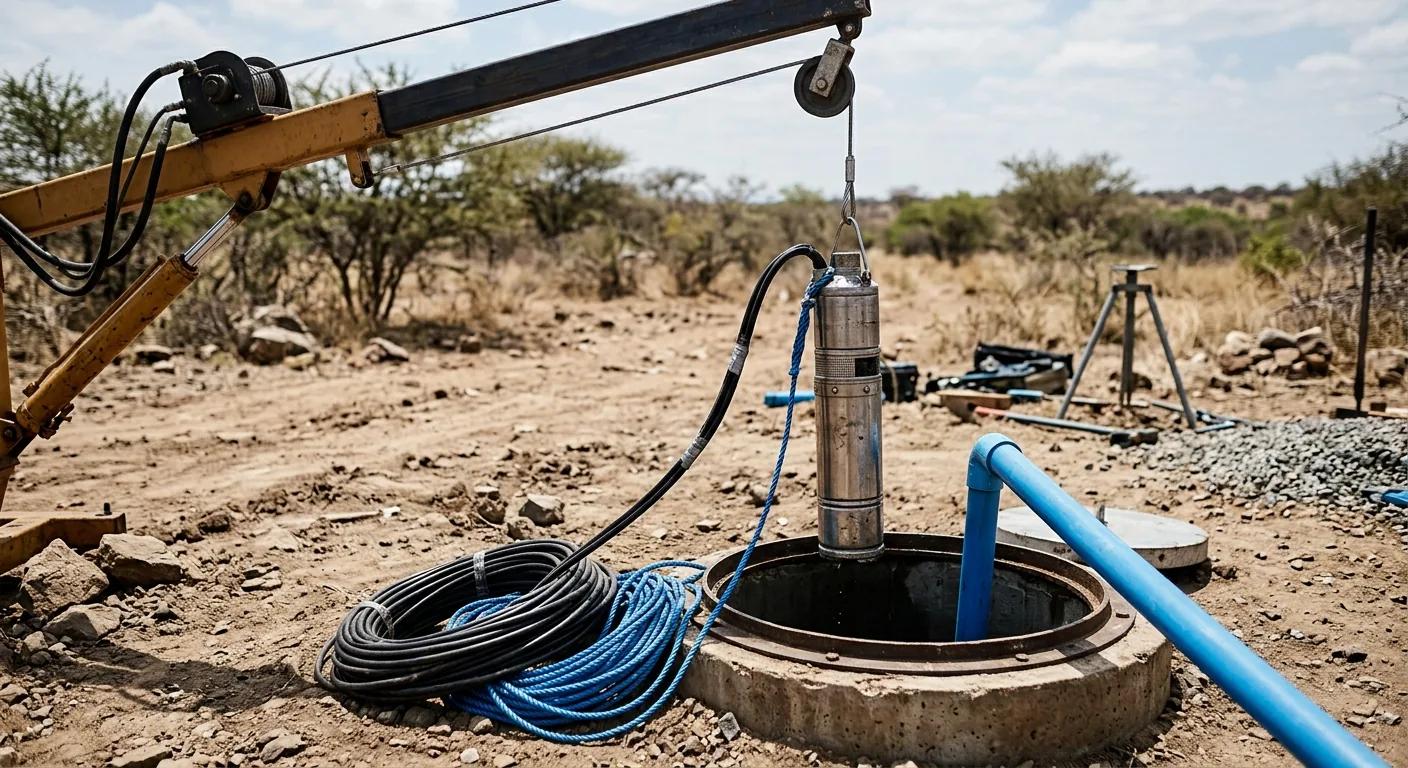
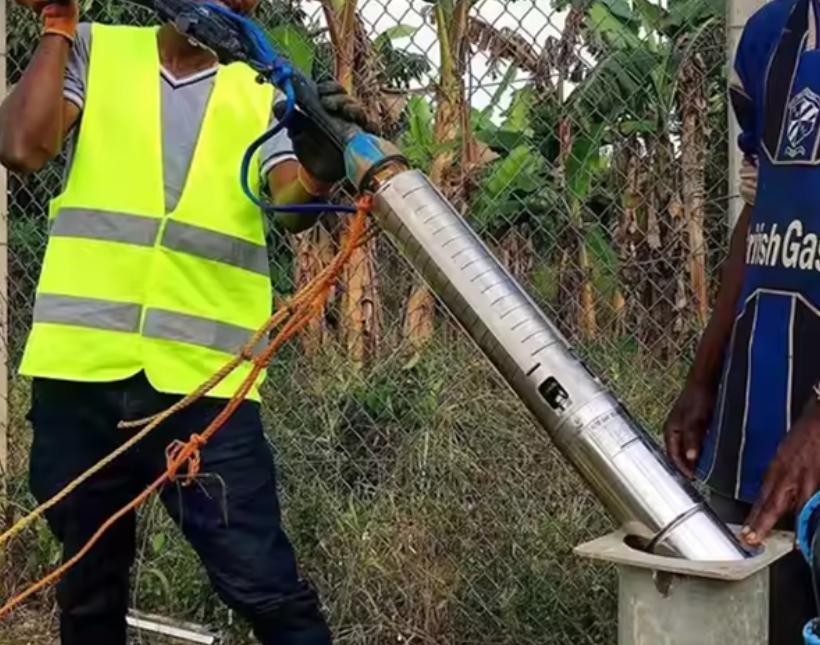
Description: Professional borehole drilling in Murang’a County for homes, farms, businesses, schools, institutions and communities. Hydrogeological surveys, geophysical surveys, drilling, casing, pumping tests, solar pumps, water storage and complete water systems in Murang’a, Kenol, Maragua, Makuyu, Kandara, Kigumo, Kangema, Gatanga, Kiharu, Mathioya and across Kenya.
Professional Borehole Drilling Services in Murang’a County
Reliable water is essential for households, agricultural farms, dairy operations, horticultural businesses, schools, hospitals, hotels, commercial developments and institutions. In Murang’a County, where farming, residential development, businesses and rural settlements continue to grow, dependable water infrastructure is becoming increasingly important.
GossTech Kenya Technologies provides professional borehole drilling services throughout Murang’a County, helping homeowners, farmers, businesses, institutions and communities develop reliable groundwater supply systems.
Our borehole services cover the entire process of water development, including:
Hydrogeological surveys
Geophysical surveys
Borehole site selection
Borehole drilling
Borehole casing
Screen installation
Gravel packing
Borehole development
Pumping tests
Water quality testing
Submersible pump installation
Solar borehole pumping
Water storage tanks
Tank support structures
Water distribution systems
Water treatment
Borehole rehabilitation
Pump repair and replacement
Borehole maintenance
Whether you need a borehole for a home in Murang’a town, an agricultural farm in Kakuzi, a commercial property in Kenol, a dairy farm in Kangema, a rural home in Mathioya, a school in Kigumo or a community water project in Kandara, GossTech Kenya Technologies can help you plan and develop an appropriate water supply system.
We provide borehole drilling services in Murang’a County, Nairobi and Across Kenya.
Why Borehole Drilling Is Important in Murang’a County
Murang’a County is one of Kenya’s important agricultural regions. It is known for coffee farming, tea production, horticulture, dairy farming, fruit production, commercial agriculture and residential development.
Despite the presence of rivers, dams, water schemes and piped supply systems, access to reliable water is not uniform across the county.
Some households and farms may experience:
Inadequate piped water supply
Seasonal water shortages
Water supply interruptions
Long distances to existing water infrastructure
Increasing demand from residential development
Water shortages affecting livestock
Irrigation requirements
Water needs for commercial establishments
Limited water infrastructure in rural settlements
The county government has been undertaking water connectivity programmes, including borehole drilling and pipeline extensions. County information has reported borehole drilling projects intended to improve water access in underserved areas, including projects across several wards.
muranga.go.ke+2
A privately developed borehole may therefore provide an independent or supplementary water source for suitable properties.
However, borehole development should never be based on assumptions that water is guaranteed at a particular depth. Groundwater conditions vary from property to property, and professional assessment is important before drilling.
Borehole Drilling Services Across Murang’a County
Murang’a County has a diverse geographical landscape ranging from higher-altitude agricultural areas to lower-lying and relatively drier areas. The county’s settlements, agricultural activities and water requirements differ considerably from one area to another.
Our borehole drilling services cover towns, villages, farms, estates, institutions and commercial centres throughout the county.
Borehole Drilling in Murang’a Town
Murang’a town is the county headquarters and a major commercial, residential and institutional centre.
Borehole water may be required by:
Residential homeowners
Apartments
Rental properties
Hotels
Restaurants
Commercial buildings
Offices
Schools
Hospitals
Construction projects
Residential estates
Boreholes for residential properties in Murang’a town
Homeowners may consider boreholes where they need an independent or supplementary water source.
A residential borehole system may include:
Groundwater assessment
Borehole drilling
Casing installation
Borehole development
Pumping test
Water testing
Submersible pump installation
Storage tanks
Water distribution
The system should be designed according to the household’s expected water consumption and the borehole’s actual performance.
Boreholes for apartments
Apartment developments may require more water than a typical family home.
The water system should account for:
Number of apartments
Number of residents
Daily consumption
Peak demand
Borehole yield
Pumping rate
Storage capacity
Water pressure
Distribution piping
Backup arrangements
A borehole serving an apartment complex may require ground storage, elevated tanks and booster pumps.
Boreholes for commercial buildings
Commercial buildings may need water for:
Toilets
Cleaning
Kitchens
Staff facilities
Landscaping
Business operations
Construction
Tenants
The borehole and storage system should be designed according to the building’s water demand.
Borehole Drilling in Kiharu
Kiharu is one of Murang’a County’s major residential, agricultural and commercial areas. It includes Murang’a town and numerous rural settlements, farms and developing residential properties.
Areas covered include:
Wangu
Mugoiri
Mbiri
Murarandia
Gaturi
Township
Murang’a town and surrounding settlements
Borehole drilling in Mugoiri
Mugoiri and surrounding areas contain homes, agricultural properties, institutions and rural settlements.
Borehole water may support:
Domestic use
Dairy farming
Livestock
Horticulture
Commercial operations
Schools
Community projects
The borehole should be planned according to the site’s geological conditions and intended water demand.
Borehole drilling in Mbiri
Properties in Mbiri may require independent water supply systems for homes, farms, institutions and businesses.
Our services include borehole drilling, casing, pump installation, storage and water distribution.
Borehole drilling in Murarandia
Murarandia is an important residential and agricultural area.
Borehole projects may serve:
Homes
Farms
Schools
Churches
Commercial premises
Livestock
Agricultural operations
Borehole drilling in Gaturi
Gaturi and its surrounding settlements may require groundwater development for domestic, agricultural and institutional use.
We assist with borehole planning and complete water supply systems where groundwater development is feasible.
Borehole Drilling in Kigumo
Kigumo is an important agricultural region in Murang’a County with residential settlements, farms, institutions and trading centres.
Areas covered include:
Kigumo
Kangari
Kinyona
Muthithi
Kahumbu
Borehole water can support:
Residential homes
Coffee farms
Tea farms
Dairy farms
Livestock
Horticulture
Schools
Commercial premises
Community projects
Borehole drilling in Kangari
Kangari is an important commercial and residential centre.
Borehole projects may support:
Homes
Apartments
Businesses
Hotels
Schools
Farms
Construction
A borehole system may include a pump, storage tank, distribution piping and water treatment where necessary.
Boreholes in Kinyona
Kinyona and surrounding agricultural settlements may require water for domestic consumption, farming, livestock and other activities.
A proper site assessment is important to establish suitable drilling locations and guide the project.
Borehole drilling in Muthithi
Boreholes in Muthithi may support homes, agricultural properties, institutions and commercial operations.
We provide complete water supply solutions based on the property’s needs.
Boreholes in Kahumbu
Kahumbu and surrounding settlements may require water for residential, agricultural and community projects.
The borehole design should consider local groundwater conditions, water demand and storage requirements.
Borehole Drilling in Maragua
Maragua is an important agricultural, residential and commercial area within Murang’a County.
Areas covered include:
Maragua
Makuyu
Kambiti
Kamahuhu
Ichagaki
Nginda
Sabasaba
Surrounding villages and agricultural settlements
The lower portions of Maragua and surrounding areas have different environmental and agricultural characteristics from some of the higher parts of Murang’a County. Borehole planning should therefore be based on the actual property and groundwater conditions.
Borehole drilling in Maragua town
Maragua town and its surrounding residential areas may require boreholes for:
Residential homes
Apartments
Rental properties
Commercial buildings
Hotels
Schools
Hospitals
Construction projects
Borehole water may be used to supplement existing water supply systems or serve properties with suitable groundwater resources.
Borehole drilling in Makuyu
Makuyu and its surrounding areas are important for agricultural and residential development.
Boreholes may support:
Domestic water
Fruit farming
Horticulture
Irrigation
Livestock
Commercial businesses
Agricultural processing
Residential developments
Water requirements for irrigation should be carefully assessed because irrigation demand can be substantially greater than household demand.
Boreholes in Kambiti
Kambiti and surrounding areas may require water for homes, farms, institutions and commercial properties.
Borehole systems can be designed with storage and distribution infrastructure according to the actual water requirements.
Borehole drilling in Kamahuhu
Borehole drilling services in Kamahuhu may serve:
Residential properties
Agricultural farms
Schools
Institutions
Livestock operations
Commercial developments
Boreholes in Ichagaki
Ichagaki and nearby settlements may require groundwater systems for domestic and agricultural use.
The drilling location should be assessed to determine potential groundwater conditions and practical access for drilling equipment.
Borehole drilling in Nginda
Nginda is an important agricultural and settlement area.
Boreholes may support homes, farms, community projects and institutions, subject to suitable groundwater conditions.
Borehole Drilling in Kandara
Kandara is one of Murang’a County’s important residential and agricultural areas.
Areas covered include:
Ng’araria
Muruka
Kagundu-Ini
Gaichanjiru
Ithiru
Ruchu
Kandara town and surrounding areas
Boreholes may be developed for:
Homes
Farms
Dairy operations
Livestock
Schools
Churches
Commercial buildings
Community water projects
Borehole drilling in Kandara town
Kandara town and surrounding settlements contain residential properties, businesses, institutions and farms.
Borehole water may serve:
Domestic consumption
Commercial activities
Cleaning
Water storage
Landscaping
Farm operations
Borehole drilling in Muruka
Muruka and surrounding settlements may require boreholes for residential, agricultural and commercial use.
A borehole project may include site assessment, drilling, casing, testing, pump installation and storage.
Boreholes in Gaichanjiru
Gaichanjiru and nearby communities may require independent water supply systems for homes, farms, schools and institutions.
We offer borehole drilling and complete water infrastructure solutions where groundwater conditions are suitable.
Borehole drilling in Ithiru
Ithiru is among the locations where county water-development programmes have undertaken borehole-related projects to improve local access to water.
Muranga County Government+1
Private borehole projects may support:
Homes
Farms
Commercial properties
Institutions
Livestock
Community facilities
Boreholes in Ruchu and Ng’araria
Borehole drilling services extend to rural settlements and agricultural properties in Ruchu and Ng’araria.
Water supply systems can be designed for domestic consumption, agricultural operations and institutional needs.
Borehole Drilling in Gatanga
Gatanga is a major agricultural region with residential communities, farms, rural settlements and institutions.
Areas covered include:
Gatanga
Kariara
Kihumbu-ini
Mugumo-ini
Ndakaini
Surrounding villages and farms
Water is required for homes, agriculture, livestock, institutions and businesses.
Borehole drilling in Gatanga
Boreholes may serve:
Residential homes
Farms
Dairy operations
Livestock
Schools
Churches
Commercial properties
Community water schemes
The water system should be designed according to the intended use and borehole performance.
Borehole drilling in Kariara
Kariara and surrounding areas may require boreholes for domestic water, agriculture, livestock and institutional activities.
Our services include drilling and complete water supply system planning.
Boreholes in Kihumbu-ini
Kihumbu-ini is an important agricultural and settlement area.
Borehole projects may serve homes, farms, institutions and businesses.
Borehole drilling in Ndakaini and surrounding areas
Properties around Ndakaini and surrounding settlements may require water systems for domestic use, agricultural activities and rural developments.
The suitability of a borehole must be evaluated based on local conditions, particularly where existing water infrastructure or catchment-related considerations may affect planning.
Borehole Drilling in Kangema
Kangema is an important residential, agricultural and rural settlement area in Murang’a County.
Areas covered include:
Kangema
Kanyenya-Ini
Muguru
Rwathia
Surrounding villages and agricultural settlements
Borehole water may support:
Homes
Farms
Dairy farming
Livestock
Schools
Churches
Commercial properties
Community projects
Borehole drilling in Kangema town
Kangema town and its surrounding settlements may require water for domestic, commercial and institutional use.
Borehole projects can include drilling, casing, pump installation, storage tanks and water distribution.
Boreholes in Kanyenya-Ini
Kanyenya-Ini and neighbouring areas may require groundwater systems for residential properties, agricultural activities and institutions.
A proper assessment should establish the suitability of the proposed drilling location.
Borehole drilling in Muguru
Muguru and surrounding areas may require water for homes, farms, livestock, institutions and community facilities.
Boreholes in Rwathia
Borehole drilling services are available in Rwathia and surrounding settlements for residential, agricultural and institutional water requirements.
Borehole Drilling in Mathioya
Mathioya is an agricultural and residential area of Murang’a County.
Areas covered include:
Gitugi
Kiru
Kamacharia
Murarandia-related surrounding settlements
Other villages and agricultural properties
Borehole drilling in Gitugi
Gitugi is an important agricultural and settlement area.
Borehole water may support:
Residential homes
Coffee farming
Tea farming
Dairy operations
Livestock
Schools
Institutions
Commercial properties
Boreholes in Kiru
Kiru and surrounding communities may require water for domestic use, farming and institutional activities.
A borehole project should consider water demand, geology, access and the proposed storage system.
Borehole drilling in Kamacharia
Boreholes in Kamacharia may serve homes, farms, institutions and commercial establishments.
We provide complete borehole development services, including drilling, casing, pumping tests, pump installation and storage.
Borehole Drilling in Ithanga and Kakuzi Areas
The lower Murang’a region, including Ithanga and Kakuzi areas, contains agricultural land, settlements, farms and developing properties.
Areas covered include:
Ithanga
Kakuzi
Mitubiri
Kimorori/Wempa
Makuyu
Surrounding agricultural settlements
These areas can have different water requirements from the more densely settled highland regions.
Boreholes in Ithanga
Boreholes may be developed for:
Domestic water
Livestock
Irrigation
Farms
Schools
Commercial properties
Community projects
The borehole and pumping system should be sized according to actual demand.
Borehole drilling in Kakuzi
Kakuzi and surrounding agricultural properties may require water for:
Horticulture
Fruit farming
Livestock
Domestic use
Farm operations
Commercial agriculture
Agricultural borehole projects may require additional planning for storage and irrigation distribution.
Boreholes in Mitubiri
Mitubiri and surrounding areas may require groundwater systems for homes, farms, businesses and institutions.
We provide borehole drilling services and complete water supply solutions where groundwater development is suitable.
Borehole drilling in Kimorori/Wempa
Borehole services in Kimorori/Wempa include planning for residential, agricultural and commercial water requirements.
The drilling site should be assessed before drilling to determine potential groundwater conditions.
Understanding Groundwater Conditions in Murang’a County
Murang’a County has varied topography, rainfall patterns, geological formations and land-use characteristics. The groundwater conditions of one area may be very different from those of another.
The county includes higher agricultural areas, slopes, valleys, river catchments, lower-lying areas and settlements with varying water infrastructure.
Groundwater availability may be influenced by:
Geological formations
Weathered rock
Fractured bedrock
Faults and geological structures
Soil depth
Topography
Groundwater recharge
Rainfall
Drainage
Existing water abstraction
Local land use
Groundwater conditions in different parts of Murang’a
Higher agricultural areas
Some higher areas may have groundwater associated with weathered formations, fractures or other geological features.
A survey helps investigate potential drilling locations.
Lower-lying and relatively drier areas
Parts of Maragua, Makuyu, Kakuzi and Ithanga have different agricultural and climatic characteristics from the county’s higher areas.
Borehole planning in these locations should carefully consider local groundwater conditions, water demand, irrigation requirements and the intended pumping system.
Areas with existing borehole projects
Murang’a County has undertaken borehole drilling and water infrastructure projects in various areas, including Kariguini, Gitugi, Kangangu, Ithanga, Makuyu, Kambiti, Kakuzi/Mitubiri, Kimorori/Wempa, Kangema, Mbiri, Gaturi, Muthithi and Kahumbu, among other locations.
invest.muranga.go.ke+2
However, the existence of a successful borehole in a village does not guarantee that another borehole on a nearby property will produce the same quantity of water.
Each site should be assessed independently.
Hydrogeological Survey for Borehole Drilling in Murang’a
A hydrogeological survey is an important preliminary step when planning borehole drilling.
The survey helps assess geological and groundwater conditions and assists in identifying potential drilling locations.
What a hydrogeological survey examines
Depending on the site, the assessment may consider:
Geological formations
Groundwater occurrence
Terrain
Drainage
Existing boreholes
Springs
Rivers and other water sources
Geological structures
Groundwater recharge
Land use
Potential contamination sources
Intended water use
Why a hydrogeological survey is important
The survey may help:
Identify potentially favourable drilling locations
Guide drilling decisions
Reduce avoidable drilling risks
Assist in selecting the borehole location
Inform the borehole construction plan
Evaluate groundwater development feasibility
A survey cannot guarantee that water will be found. Groundwater is a natural resource, and its occurrence, quality and quantity can vary.
Geophysical Survey and Borehole Site Selection
Geophysical investigation may be used to assess subsurface conditions and identify geological features that could be associated with groundwater.
Depending on the site and geology, suitable geophysical methods may help investigate:
Subsurface resistivity
Geological structures
Fractures
Weathered zones
Formation boundaries
Potential groundwater-bearing formations
The findings should be interpreted together with geological information, site observations and available groundwater data.
Choosing the right borehole location
The borehole location should be selected based on both groundwater prospects and practical considerations.
These may include:
Access for drilling machinery
Space for equipment
Property boundaries
Buildings
Septic tanks
Drainage
Contamination sources
Electrical installations
Future construction
Water storage location
Distribution requirements
A well-selected borehole site should allow safe drilling, proper construction and future maintenance.
The Complete Borehole Drilling Process in Murang’a County
GossTech Kenya Technologies approaches borehole drilling as a complete water-development project.
Step 1: Initial consultation
We discuss the customer’s property and water requirements.
We assess:
Property location
Intended use
Number of users
Water demand
Farm size
Irrigation requirements
Livestock
Existing water sources
Budget
Accessibility
Step 2: Site assessment
The property is evaluated to establish practical conditions for drilling and borehole development.
Step 3: Hydrogeological investigation
Groundwater and geological conditions are evaluated.
Step 4: Geophysical survey
Where appropriate, geophysical investigation helps assess subsurface conditions and potential drilling locations.
Step 5: Drilling preparation
Drilling arrangements are made based on the site, project requirements, equipment and applicable approvals.
Step 6: Mobilisation
Drilling machinery and equipment are transported to the property.
Mobilisation costs depend on the location, access and equipment requirements.
Step 7: Borehole drilling
Drilling is undertaken using appropriate equipment and methods according to geological formations and borehole specifications.
Step 8: Borehole casing
Casing is installed to stabilise and protect the borehole where required.
Casing materials, dimensions and arrangement should be selected according to the borehole design.
Step 9: Screen installation
Screen sections may be installed in appropriate areas to allow groundwater entry while helping control formation materials.
Step 10: Gravel packing
Gravel packing may be required depending on the geological conditions and borehole construction.
Step 11: Borehole development
The borehole is developed to remove drilling residues and improve its condition.
Appropriate development methods depend on borehole construction and geological conditions.
Step 12: Pumping test
A pumping test helps evaluate:
Borehole yield
Pumping rate
Drawdown
Water-level response
Recovery
Operational requirements
The test results help guide pump selection.
Step 13: Water quality testing
Water samples are tested to determine quality and whether treatment is required.
Step 14: Pump installation
A suitable pump is selected according to borehole performance and the complete water-system requirements.
Step 15: Storage installation
Storage tanks may be installed to accommodate demand and improve water availability.
Step 16: Water distribution
The water is connected to the intended distribution network, including residential plumbing, irrigation or commercial infrastructure.
Borehole Drilling for Residential Homes in Murang’a
Residential boreholes can provide a supplementary or independent water source for homeowners throughout Murang’a County.
Boreholes for family homes
A domestic borehole may provide water for:
Cooking
Cleaning
Laundry
Bathing
Toilets
Gardening
Outdoor cleaning
Livestock where applicable
The system should be designed according to the household’s daily water requirements.
Boreholes for rental properties
Landlords developing rental houses may require dependable water to serve tenants.
A borehole system may include:
Borehole
Submersible pump
Storage tanks
Tank support structure
Distribution piping
Pressure pumps
Water treatment
The system should be sized according to the number of tenants and expected consumption.
Boreholes for gated communities
Large residential developments may require centralised water infrastructure.
Planning may include:
Borehole capacity
Storage
Distribution networks
Pumping stations
Pressure management
Metering
Backup water supply
Future expansion
Boreholes for construction projects
Construction projects may require water for:
Concrete preparation
Masonry
Cleaning
Dust control
Workers
Sanitation
A borehole planned for both construction and permanent use should be designed with long-term water requirements in mind.
Borehole Drilling for Agriculture in Murang’a County
Murang’a is a major agricultural county, and water is important for crop production, livestock, farm operations and agricultural businesses.
Boreholes for coffee farms
Coffee farms may require water for:
Workers’ facilities
Domestic consumption
Nursery operations
Cleaning
Livestock
Farm operations
Boreholes for tea farms
Tea-growing properties may require water for:
Domestic use
Workers’ accommodation
Farm facilities
Nursery operations
Livestock
Cleaning
Boreholes for dairy farming
Dairy farms require water for:
Cattle drinking
Cleaning animal housing
Milking equipment
Washing floors
Farm hygiene
Feed preparation
Staff facilities
Boreholes for horticulture
Borehole water may support:
Vegetable farming
Fruit farming
Greenhouses
Seedling nurseries
Flower farming
Small-scale irrigation
Boreholes for fruit farms
Murang’a is known for fruit production in various areas.
Fruit farms may require water for:
Seedling establishment
Irrigation
Farm workers
Cleaning
Livestock
Other farm operations
Water requirements depend on the crop, acreage, climate, soil and irrigation method.
Boreholes for greenhouse farming
Greenhouse water systems may incorporate:
Borehole
Submersible pump
Water storage
Filtration
Drip irrigation
Pressure regulation
Fertigation equipment where applicable
The system must be designed according to greenhouse size, crop water requirements and borehole yield.
Boreholes for livestock
Borehole water may serve:
Dairy cattle
Beef cattle
Sheep
Goats
Poultry
Other farm animals
The system should be designed according to animal numbers, water demand and farm operations.
Borehole Drilling for Commercial Businesses in Murang’a
Commercial properties may require water for daily operations, staff, cleaning, production and customer services.
GossTech Kenya Technologies provides borehole solutions for:
Hotels
Restaurants
Shopping centres
Offices
Factories
Workshops
Warehouses
Commercial farms
Food processing facilities
Construction projects
Boreholes for hotels
Hotels may require water for:
Guest rooms
Bathrooms
Kitchens
Laundry
Cleaning
Landscaping
Swimming pools
Staff facilities
Storage capacity should be designed according to expected occupancy and consumption.
Boreholes for restaurants
Restaurants require water for:
Food preparation
Washing
Cleaning
Toilets
Staff facilities
Water quality is particularly important for food-related operations.
Boreholes for factories
Industrial and manufacturing facilities may require water for:
Production
Cleaning
Cooling
Staff facilities
Workshops
Commercial processes
Industrial water requirements may include specific water quality parameters that require treatment.
Boreholes for commercial buildings
Commercial buildings may use borehole water for:
Cleaning
Toilets
Landscaping
Staff facilities
Tenants
Business operations
Borehole Drilling for Schools, Hospitals and Institutions in Murang’a
Institutions require dependable water for sanitation, hygiene, daily operations and the people they serve.
Boreholes for schools
Schools may require water for:
Students
Teachers
Staff
Kitchens
Toilets
Handwashing
Cleaning
Boarding facilities
Landscaping
The borehole system should be designed according to enrolment, boarding capacity and daily consumption.
Boreholes for hospitals
Healthcare facilities require water for:
Patients
Cleaning
Sanitation
Laundry
Staff facilities
Kitchens
Laboratories
Healthcare operations
Water quality is especially important in healthcare facilities, and appropriate testing and treatment should be undertaken.
Boreholes for churches
Churches and religious institutions may require water for:
Congregations
Cleaning
Sanitation
Kitchens
Events
Staff accommodation
Community activities
Boreholes for community projects
Community boreholes require careful planning to ensure the infrastructure can meet the needs of the people served.
Planning may consider:
Population served
Number of households
Daily demand
Pumping hours
Borehole yield
Storage
Distribution
Water kiosks
Future population growth
Maintenance
Operating costs
Solar Borehole Pumping Systems in Murang’a County
Solar pumping is a useful option for farms, rural homes, institutions and properties where electricity availability or costs are a concern.
Murang’a County has incorporated solar-powered borehole infrastructure into various water projects, including boreholes equipped with solar submersible pumps and associated storage infrastructure.
invest.muranga.go.ke+2
GossTech Kenya Technologies can assist with solar borehole pumping solutions for new and existing boreholes.
Components of a solar borehole system
A typical system may include:
Solar panels
Solar panel mounting structures
Pump controller
Submersible pump
Borehole piping
Electrical cables
Water storage tanks
Distribution piping
Protection equipment
How solar borehole pumping works
Solar panels generate electricity during daylight hours.
The electricity powers the submersible pump, which lifts water from the borehole into storage tanks.
Stored water can be used when solar pumping is unavailable.
Benefits of solar pumping
Reduced electricity costs
Renewable energy
Suitable for remote locations
Reduced fuel-generator dependence
Potentially lower operating costs
Automated pumping
Water storage during sunny periods
Suitable for farms and rural properties
Solar boreholes for farms in Murang’a
Solar pumping can be particularly useful for farms where water must be pumped to storage tanks or irrigation systems.
The system must be designed according to:
Borehole depth
Static water level
Pumping water level
Borehole yield
Required flow rate
Daily water consumption
Solar panel capacity
Storage capacity
Delivery head
Pipe length
Irrigation requirements
The pump, controller and solar panels must be properly matched to the borehole and water system.
Water Storage and Distribution Systems
A borehole alone does not always provide a complete water supply solution.
Storage and distribution infrastructure are essential components of many borehole projects.
Water storage tanks
Storage tanks may provide water during:
Power interruptions
Pump maintenance
Peak demand
Periods of low solar output
Temporary pumping interruptions
Tank capacity should be determined according to the daily water requirements and borehole pumping capacity.
Elevated water storage
Elevated tanks may provide gravity-fed water distribution.
They can help reduce dependence on continuous pumping when elevation and system design permit.
Ground storage tanks
Ground-level tanks may be suitable for storing large volumes of water.
Water may subsequently be pumped into elevated tanks or distributed through pressure systems.
Water distribution
Distribution infrastructure may include:
Main water pipes
Branch lines
Valves
Water meters
Pressure pumps
Tank connections
Irrigation lines
Water points
The system should be designed according to the property layout and water demand.
Borehole Water Testing and Treatment in Murang’a
Borehole water should be tested before it is used for drinking.
Groundwater quality can vary considerably from one location to another. Clear water is not necessarily safe for consumption.
Common water-quality parameters
Depending on the intended use, testing may include:
pH
Electrical conductivity
Total dissolved solids
Turbidity
Hardness
Iron
Fluoride
Nitrates
Microbiological contamination
Other relevant chemical parameters
Water treatment solutions
Treatment should be selected according to laboratory results.
Sediment filtration
Helps remove suspended particles and sediments.
Activated carbon filtration
May help improve certain taste and odour characteristics.
Water softening
May be appropriate where hardness affects plumbing, appliances or the intended use.
Iron removal
Specialised treatment may be needed where iron levels cause staining or other problems.
Fluoride treatment
Appropriate treatment may be required where fluoride concentrations are above acceptable levels.
Disinfection
Disinfection may be required to address microbiological contamination.
Reverse osmosis
Reverse osmosis may be suitable for certain water-quality problems but should not automatically be installed on every borehole.
The appropriate water treatment system should be determined according to laboratory results and intended use.
Borehole Rehabilitation and Repair in Murang’a County
Existing boreholes may experience performance problems over time.
GossTech Kenya Technologies can assist with borehole-related inspection, repair, rehabilitation and pumping-system troubleshooting depending on the condition of the installation.
Common borehole problems
Reduced water yield
Low pumping rate
Pump failure
Electrical faults
Pump getting stuck
Sand production
Sediment accumulation
Damaged borehole pipes
Excessive drawdown
Water-quality deterioration
Pump overheating
Solar controller problems
Damaged pump cables
Borehole rehabilitation
Rehabilitation may involve:
Borehole inspection
Pump removal
Pump replacement
Borehole cleaning
Development
Sediment removal
Electrical troubleshooting
Pipe replacement
Water testing
System upgrades
The correct rehabilitation method depends on the actual cause of the problem.
A borehole producing less water should be investigated before assuming that the pump needs replacement. The problem may be related to borehole conditions, pump performance, blockage, sediment, electrical faults or groundwater changes.
Borehole maintenance
Routine maintenance may help identify problems before they lead to major failures.
Maintenance may include:
Pump inspection
Electrical inspection
Solar panel cleaning
Controller inspection
Tank inspection
Pipe and valve inspection
Water-quality testing
Pump performance monitoring
Borehole Drilling Permits and Regulatory Requirements in Murang’a
Borehole drilling in Kenya involves water-resource, environmental and regulatory considerations.
Before drilling, property owners and project developers should establish the applicable approvals, permit requirements, water-resource authorisations and environmental requirements for their project.
Requirements may depend on:
Borehole location
Intended water use
Abstraction requirements
Project size
Environmental considerations
Applicable regulations
Relevant authorities
Large agricultural, commercial, institutional and community projects may require more detailed planning and regulatory consideration than a basic residential project.
Proper project planning should address applicable requirements before drilling begins.
Borehole Drilling Costs in Murang’a County
The cost of drilling a borehole in Murang’a depends on the specific property, geological conditions, drilling depth, casing requirements, borehole yield, pump specifications and the complete water supply system.
The following are indicative planning estimates only, not a fixed quotation.
| Component | Indicative Cost (KSh) |
|---|---|
| Hydrogeological survey | 40,000–100,000 |
| Geophysical survey | 35,000–100,000 |
| Permits and approvals | 30,000–150,000+ |
| Mobilisation | 50,000–200,000+ |
| Drilling per metre | 6,000–12,000+ |
| Casing per metre | 2,500–6,000+ |
| Screen casing per metre | 3,000–7,000+ |
| Gravel pack | 20,000–100,000+ |
| Borehole development | 30,000–100,000+ |
| Pumping test | 30,000–100,000+ |
| Water testing | 15,000–50,000+ |
| Submersible pump | 50,000–300,000+ |
| Pump installation | 30,000–100,000+ |
| Electrical installation | 30,000–150,000+ |
| Solar pumping system | 150,000–800,000+ |
| Water storage tanks | 20,000–300,000+ |
| Tank support structure | 50,000–500,000+ |
Estimated complete borehole project budgets
| Project type | Indicative Budget |
|---|---|
| Basic residential borehole project | KSh 1.2M–2.0M |
| Residential borehole with pump and storage | KSh 1.5M–2.8M |
| Residential borehole with solar pumping | KSh 2.0M–4.5M+ |
| Commercial or institutional borehole | KSh 2.5M–4.5M+ |
| Large irrigation or livestock project | Project-specific |
These figures may change significantly depending on actual drilling depth, geological conditions, casing, borehole yield, pump specifications, storage capacity, solar requirements, water treatment and distribution infrastructure.
Factors affecting borehole drilling costs in Murang’a
1. Drilling depth
The depth of the borehole influences drilling work, casing requirements and pumping equipment.
2. Geological conditions
Hard rock, unstable formations and varying geological conditions may affect drilling methods and construction requirements.
3. Borehole diameter
The diameter affects drilling requirements, casing and pump specifications.
4. Casing requirements
Different geological formations may require different casing arrangements.
5. Borehole yield
The actual yield affects pump selection, storage and water distribution planning.
6. Pumping depth
The pump must be selected according to actual water levels and delivery requirements.
7. Solar pumping
Solar costs depend on pump capacity, panel capacity, controller, mounting structures and system design.
8. Water storage
Tank capacity, tank stands, piping and distribution pumps influence the total project budget.
Frequently Asked Questions About Borehole Drilling in Murang’a County
1. How much does borehole drilling cost in Murang’a?
The cost depends on drilling depth, geology, casing, pump, storage and the complete water system. A basic residential project may start around KSh 1.2 million, while larger or more complete projects may cost significantly more.
2. How deep should a borehole be drilled in Murang’a?
There is no single depth that applies to the entire county. Borehole depth depends on local geological conditions, groundwater occurrence, survey findings and water requirements.
3. Do you drill boreholes in Murang’a town?
Yes. We provide borehole drilling services in Murang’a town and surrounding residential, commercial and institutional areas.
4. Do you drill boreholes in Kenol?
Yes. We serve Kenol and surrounding residential, commercial and agricultural properties.
5. Do you drill boreholes in Maragua?
Yes. We provide borehole drilling services in Maragua, Makuyu, Kambiti, Kamahuhu, Ichagaki, Nginda and surrounding areas.
6. Do you drill boreholes in Kandara?
Yes. We serve Kandara, Muruka, Gaichanjiru, Ithiru, Ruchu, Ng’araria and surrounding settlements.
7. Do you drill boreholes in Kangema?
Yes. Borehole drilling and water-system services are available in Kangema, Kanyenya-Ini, Muguru, Rwathia and surrounding areas.
8. Do you drill boreholes in Kigumo?
Yes. We serve Kigumo, Kangari, Kinyona, Muthithi, Kahumbu and surrounding agricultural and residential areas.
9. Can a borehole supply water for coffee farming?
Yes, where the borehole has suitable yield and the water system is designed for the farm’s requirements.
10. Can a borehole supply water for dairy farming?
Yes. A borehole can support dairy operations where the yield and storage system are sufficient for the farm’s water demand.
11. Can borehole water be used for irrigation?
Yes, where the borehole yield and water quality are suitable. The irrigation system should be designed according to crop water requirements and the available water supply.
12. Can I install a solar borehole pump?
Yes. Solar pumping systems can be designed according to borehole depth, water levels, yield, daily demand, storage and pumping requirements.
13. Is borehole water safe for drinking?
Borehole water should be tested before drinking. Treatment may be required depending on the laboratory results.
14. Do you install water tanks?
Yes. Storage tanks and supporting infrastructure can be incorporated into borehole projects.
15. Can you repair an existing borehole?
Yes. We can assist with pump replacement, troubleshooting, borehole rehabilitation, maintenance and water-system repairs depending on the problem.
16. Do you drill boreholes for schools and hospitals?
Yes. We provide borehole and water-system solutions for schools, hospitals, churches, hotels, commercial facilities and other institutions.
17. Do you serve customers outside Murang’a County?
Yes. Our services extend to Nairobi and Across Kenya.
Borehole Drilling Coverage Throughout Murang’a County
GossTech Kenya Technologies provides borehole drilling and water-system services throughout Murang’a County, covering major towns, rural settlements, farms, estates, institutions and commercial centres.
Our service coverage includes:
Kiharu
Murang’a Town
Township
Wangu
Mugoiri
Mbiri
Murarandia
Gaturi
Kigumo
Kigumo
Kangari
Kinyona
Muthithi
Kahumbu
Maragua
Maragua
Makuyu
Kambiti
Kamahuhu
Ichagaki
Nginda
Sabasaba
Kandara
Kandara
Ng’araria
Muruka
Kagundu-Ini
Gaichanjiru
Ithiru
Ruchu
Gatanga
Gatanga
Kariara
Kihumbu-Ini
Mugumo-Ini
Ndakaini
Surrounding settlements
Kangema
Kangema
Kanyenya-Ini
Muguru
Rwathia
Mathioya
Gitugi
Kiru
Kamacharia
Ithanga and Kakuzi areas
Ithanga
Kakuzi
Mitubiri
Kimorori/Wempa
Surrounding agricultural settlements
These areas are included in Murang’a County’s administrative and ward listings, which identify the county’s constituencies and 35 wards.
muranga.go.ke+2
Get Professional Borehole Drilling Services in Murang’a County
Are you planning to drill a borehole in Murang’a?
Whether you need water for a residential home, farm, coffee plantation, tea farm, dairy operation, greenhouse, school, hospital, hotel, apartment, commercial property or community water project, GossTech Kenya Technologies can help you plan a complete water supply solution.
Our services include:
Borehole drilling
Hydrogeological surveys
Geophysical surveys
Borehole casing
Pumping tests
Submersible pump installation
Solar borehole pumping
Water storage tanks
Water distribution systems
Water treatment
Borehole rehabilitation
Borehole maintenance
GossTech Kenya Technologies
Professional Borehole Drilling & Water Solutions
Phone: 0723613664
Email: info@gosstech.co.ke
Website: www.gosstech.co.ke
Service coverage: Murang’a County, Nairobi and Across Kenya.
Contact GossTech Kenya Technologies today to discuss your borehole drilling project in Murang’a County, arrange a site assessment and plan a reliable water supply system for your property