
Borehole Drilling in Narok County | GossTech Kenya Technologies
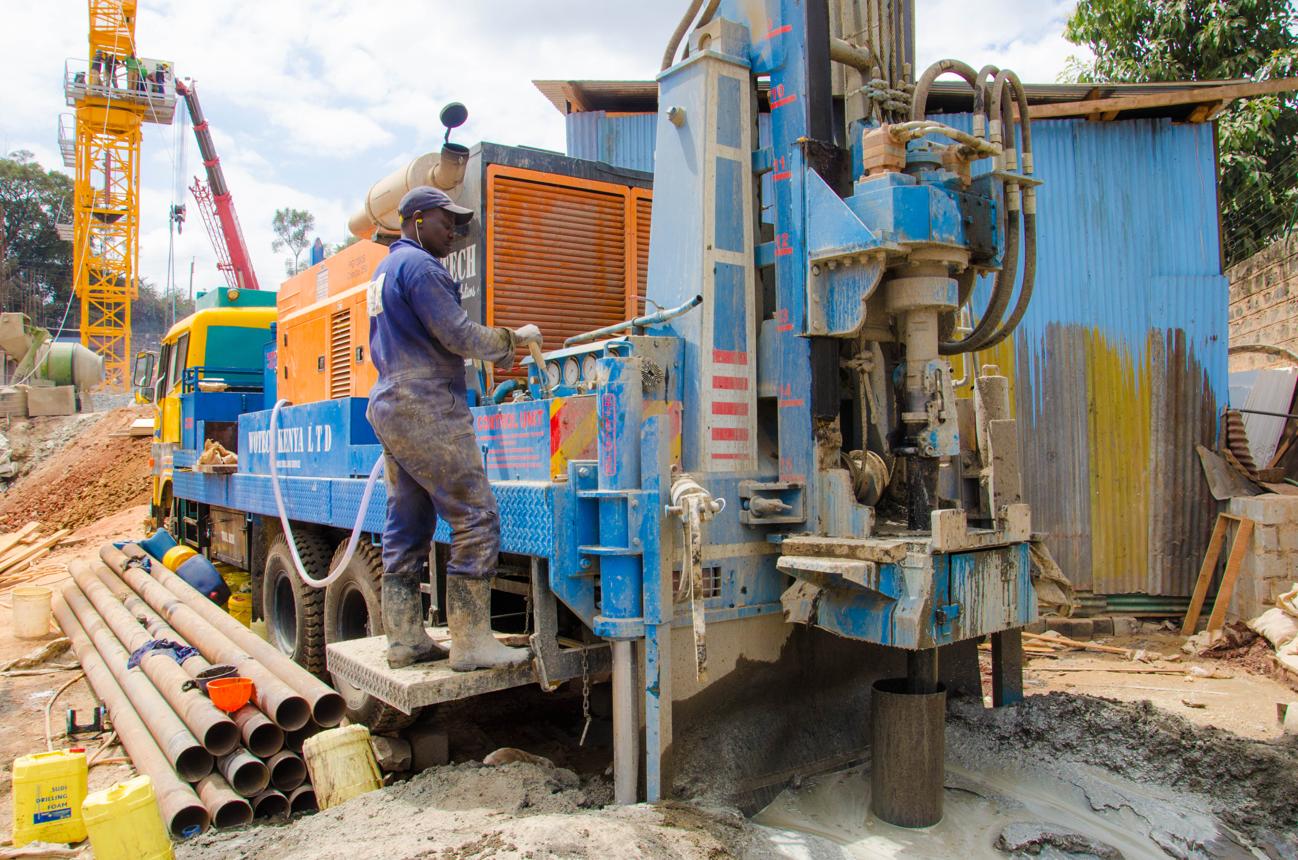
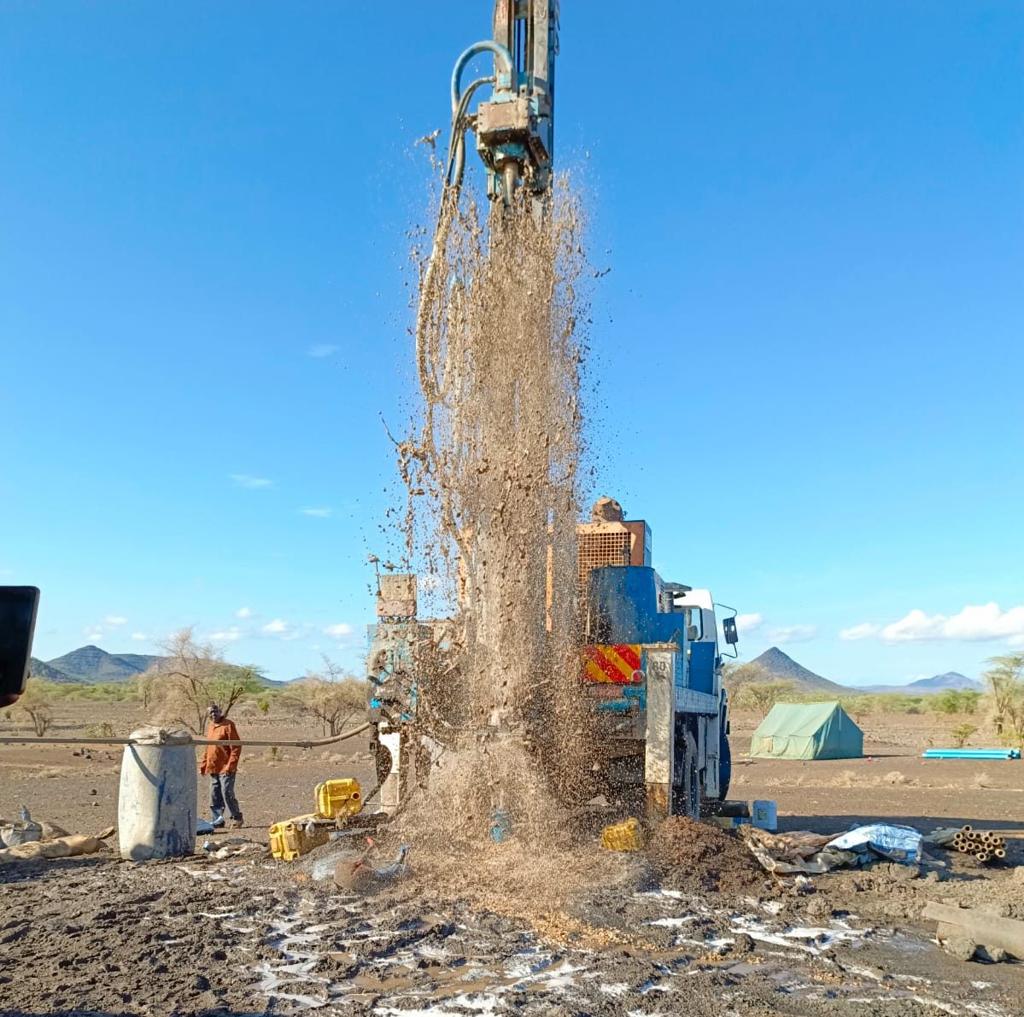
Description: Looking for borehole drilling services in Narok County? GossTech Kenya Technologies offers hydrogeological surveys, geophysical surveys, borehole drilling, pump installation, solar water pumping, water storage, water testing, treatment, rehabilitation and maintenance in Narok, Suswa, Kilgoris, Emurua Dikirr, Ololulunga, Naroosura, Lolgorian, Maasai Mara and across Kenya.
Professional Borehole Drilling Services in Narok County
Reliable water access is essential for households, farms, livestock keepers, commercial businesses, schools, healthcare facilities, hotels, tourism establishments and community projects throughout Narok County. With its vast geographical area, diverse landscapes, pastoral communities, agricultural zones and tourism destinations, Narok has many locations where dependable water infrastructure can significantly improve daily life and economic activity.
GossTech Kenya Technologies provides professional borehole drilling services in Narok County, helping property owners, farmers, institutions, businesses, developers and communities explore groundwater development as a long-term water supply solution.
Our services include hydrogeological surveys, geophysical surveys, borehole drilling, casing installation, borehole development, pumping tests, pump installation, solar-powered pumping systems, water storage, water quality testing, water treatment, borehole repairs and rehabilitation.
We serve customers in Narok Town, Narok North, Narok South, Narok East, Narok West, Kilgoris, Emurua Dikirr, Transmara, Suswa, Ololulunga, Naroosura, Lolgorian, Maasai Mara and surrounding areas.
Our service coverage extends to Nairobi and Across Kenya.
Narok’s water requirements vary considerably between urban centres, agricultural areas, pastoral communities, tourism facilities and remote settlements. A properly investigated and professionally constructed borehole can help provide a dependable water source where groundwater conditions are suitable.
Why Borehole Drilling Is Important in Narok County
Narok County covers a large area of southern Kenya and includes different landscapes, settlement patterns, agricultural zones and climatic conditions. Water demand can be particularly challenging in locations where households are far from reliable piped water systems, rivers, springs or other established water sources.
Boreholes can provide water for:
Residential homes
Rural homesteads
Livestock
Commercial farms
Irrigation
Greenhouses
Hotels and lodges
Schools and universities
Hospitals and clinics
Churches and religious institutions
Construction projects
Industrial facilities
Community water projects
Wildlife conservation and tourism facilities
In some parts of Narok, livestock keeping and pastoralism are important economic activities. Water infrastructure can support cattle, sheep, goats and other livestock while reducing the distance animals and communities must travel in search of water.
Agricultural areas also require reliable water for crop production, horticulture, irrigation, dairy operations and other farm activities.
Narok’s tourism sector, including establishments associated with the Maasai Mara ecosystem, may require substantial water for guest accommodation, kitchens, sanitation, landscaping and staff facilities.
A borehole can therefore become an important investment in water security, property development and economic productivity.
Understanding Groundwater Potential in Narok County
Narok County has a varied physical environment. Its landscapes include highland areas, plains, valleys, volcanic terrain, Rift Valley features and expansive pastoral zones.
Groundwater availability is influenced by several factors, including:
Local geology
Rock formations
Weathering depth
Geological fractures
Faults
Aquifer characteristics
Groundwater recharge
Elevation
Drainage patterns
Seasonal rainfall
Nearby rivers and water bodies
Existing boreholes
Local groundwater abstraction
The county’s groundwater conditions should not be assumed to be uniform. Two properties located within the same town or village may have different groundwater prospects depending on their geology, elevation and position relative to geological structures.
Narok has documented borehole and water development projects in different areas, demonstrating the importance of groundwater infrastructure in water supply planning. However, the existence of successful boreholes nearby does not guarantee that a new borehole will achieve the same depth, yield or water quality.
For this reason, GossTech Kenya Technologies recommends professional site assessment before drilling.
Hydrogeological Survey Services in Narok County
A hydrogeological survey is an important first step when planning a borehole.
The purpose of the survey is to evaluate the site’s geological and groundwater conditions and provide professional recommendations for borehole positioning and development.
Our survey process may assess:
Geological formations
Rock types
Surface features
Groundwater recharge conditions
Drainage patterns
Existing water sources
Nearby boreholes
Terrain and elevation
Geological structures
Potential aquifer zones
Groundwater vulnerability
Possible drilling challenges
The survey helps the client make an informed decision before committing significant resources to drilling.
A professional survey does not guarantee that water will be found. Rather, it helps reduce uncertainty and improve the selection of a drilling location based on available geological and geophysical evidence.
Geophysical Survey and Borehole Site Selection
Before drilling begins, geophysical investigations may be undertaken to identify subsurface formations that could contain groundwater.
Geophysical survey techniques help investigate the ground beneath the surface without excavating or drilling multiple test holes.
Depending on the terrain and geological conditions, the investigation may involve electrical resistivity methods or other appropriate geophysical techniques.
The survey can help assess:
Possible groundwater-bearing formations
Geological fractures
Weathered rock zones
Depth to competent rock
Changes in subsurface geology
Potential aquifer zones
Areas where drilling may encounter difficult formations
Why proper site selection matters
Poorly selected drilling locations can lead to unnecessary drilling costs, inadequate water yields or unsuccessful borehole projects.
A properly investigated site can help guide the drilling contractor towards a more promising geological location, although groundwater success can never be guaranteed.
At GossTech Kenya Technologies, we encourage property owners in Narok County to undertake professional surveys rather than selecting borehole sites solely based on convenience or the presence of water in neighbouring properties.
Borehole Drilling Services Across Narok County
Narok County contains a combination of urban settlements, agricultural areas, pastoral communities, commercial centres and tourism destinations. GossTech Kenya Technologies provides borehole drilling services across these different environments.
Our coverage includes the following major areas.
1. Borehole Drilling in Narok Town
Narok Town is the county headquarters and an important commercial, residential and administrative centre.
Water demand in Narok Town comes from:
Residential estates
Apartments
Rental properties
Commercial buildings
Offices
Hotels
Restaurants
Schools
Hospitals
Retail establishments
Construction developments
Property owners looking for independent water supply systems may consider boreholes as an alternative or supplementary source to existing water supplies.
We provide borehole drilling services for residential homes, commercial properties, institutions, developments and businesses within Narok Town and surrounding settlements.
Borehole services in Narok Town include:
Hydrogeological surveys
Geophysical surveys
Borehole drilling
Borehole casing
Borehole development
Pumping tests
Submersible pump installation
Water tank installation
Solar water pumping
Water testing
Water treatment
Borehole rehabilitation
2. Borehole Drilling in Narok North
Narok North includes a range of settlements, agricultural areas, rural properties and communities that may require reliable water infrastructure.
Areas covered include:
Olokurto
Olposimoru
Melili
Narok Town
Nkareta
Olorropil
Surrounding villages
Rural farms
Schools
Community projects
Water requirements in Narok North may include household consumption, livestock watering, agricultural production, institutional facilities and commercial use.
We provide drilling services for individual property owners, farms, schools, churches, community projects and businesses.
3. Borehole Drilling in Narok South
Narok South covers a large geographical area with pastoral settlements, agricultural communities, rural homesteads and developing centres.
Areas include:
Ololulunga
Maji Moto
Melelo
Loita
Sogoo
Sagamian
Naroosura
Surrounding villages and settlements
Water availability can be an important consideration for livestock keeping, household use and agricultural activities in this part of the county.
GossTech Kenya Technologies provides borehole drilling and water infrastructure services for homes, farms, livestock projects, institutions and community developments in Narok South.
4. Borehole Drilling in Narok East
Narok East includes areas with varying settlement patterns, terrain and water requirements.
Areas served include:
Suswa
Ildamat
Mosiro
Keekonyokie
Suswa surroundings
Rural settlements
Agricultural properties
Livestock farms
Suswa and surrounding areas have experienced water infrastructure development projects, including borehole-related initiatives, demonstrating the importance of water access in the region. However, groundwater conditions remain site-specific and require proper investigation before new drilling.
We provide borehole drilling services for:
Homes
Farms
Livestock projects
Schools
Clinics
Commercial developments
Community water projects
5. Borehole Drilling in Narok West
Narok West covers extensive areas, including rural settlements and tourism-related zones.
Areas include:
Mara
Siana
Naikarra
Ilmotiook
Maasai Mara surroundings
Rural settlements
Wildlife tourism areas
Community lands
Boreholes in Narok West may support tourism facilities, lodges, camps, residential developments, livestock projects, schools, community water supplies and agricultural activities.
Water infrastructure in tourism areas requires careful planning because water demand may fluctuate according to occupancy, seasonal tourism and facility requirements.
Our services include borehole drilling, pump sizing, solar pumping, water storage, water distribution systems and water treatment.
6. Borehole Drilling in Kilgoris
Kilgoris is an important town in the Transmara region of Narok County.
Borehole drilling services are available for:
Residential homes
Commercial properties
Hotels
Schools
Farms
Churches
Community projects
Agricultural developments
We assist clients in Kilgoris with the entire borehole development process, from site investigation through drilling and installation of the pumping system.
7. Borehole Drilling in Transmara West
Transmara West includes Kilgoris Central, Keyian and Shankoe areas, together with surrounding settlements.
Water projects may serve:
Rural homes
Farms
Livestock
Schools
Health facilities
Community institutions
Commercial enterprises
GossTech Kenya Technologies provides borehole drilling and water supply solutions throughout Transmara West.
8. Borehole Drilling in Transmara South
Transmara South includes areas such as:
Angata Barikoi
Kimintet
Lolgorian
Surrounding rural settlements
Water supply requirements in these locations may include domestic water, livestock water, farm irrigation, schools and community projects.
Our drilling services are available for clients looking to establish independent groundwater supply systems.
9. Borehole Drilling in Transmara East
Transmara East includes settlements, rural communities and agricultural areas where water infrastructure may be required for homes, livestock, farms and institutions.
We provide borehole drilling services for residential properties, farms, community water systems, commercial developments and institutional facilities.
10. Borehole Drilling in Emurua Dikirr
Emurua Dikirr is an important settlement and constituency within Narok County.
Our services extend to:
Emurua Dikirr town
Ilkerian
Ololmasani
Mogondo
Kapsasian
Nearby villages
Farms
Residential developments
Borehole projects in this area may serve domestic water requirements, livestock production, schools, health facilities, agricultural projects and businesses.
Other Areas We Serve in Narok County
GossTech Kenya Technologies also serves surrounding settlements, villages, farms and rural properties throughout Narok County.
We provide borehole drilling services in locations including:
Naroosura
Maji Moto
Ololulunga
Suswa
Lolgorian
Kilgoris
Emurua Dikirr
Sogoo
Melelo
Loita
Nkareta
Olokurto
Olposimoru
Mosiro
Ildamat
Keekonyokie
Mara
Siana
Naikarra
Melili
Olorropil
Keyian
Shankoe
Kimintet
Angata Barikoi
Mogondo
Kapsasian
Ilkerian
We also serve nearby farms, ranches, residential developments, institutions, tourism facilities and communities requiring professional groundwater development.
Borehole Drilling for Homes and Residential Properties in Narok
Homeowners in Narok County may require boreholes to improve water reliability and reduce dependence on external water suppliers.
A residential borehole can serve:
Private homes
Rural homesteads
Gated communities
Residential estates
Apartments
Rental properties
Farmhouses
Staff accommodation
A properly designed domestic borehole system should consider the household’s daily water consumption, number of occupants, storage capacity, pumping requirements and intended use of water.
Residential borehole installations
A residential borehole project may include:
Hydrogeological survey
Geophysical survey
Drilling
Borehole casing
Borehole development
Pumping test
Water quality testing
Pump installation
Electrical or solar power installation
Water storage tank
Distribution piping
Water treatment where required
The design should ensure that the pumping system is appropriate for the borehole’s measured characteristics.
Borehole Drilling for Farms and Agricultural Projects
Agriculture is an important economic activity in Narok County. Farmers may require water for crop production, livestock, horticulture, greenhouses, dairy farming and other agricultural activities.
Rainfall alone may not always provide sufficient water throughout the year for farms requiring consistent production.
Borehole water can potentially support agricultural activities when the groundwater yield, water quality, pumping costs and sustainability are suitable.
Irrigation boreholes
Agricultural boreholes may supply water for:
Vegetables
Horticulture
Greenhouses
Fruit trees
Nursery plants
Commercial crops
Small-scale irrigation
Farm demonstration projects
Before installing an irrigation borehole, it is important to determine the water requirements of the proposed crops and the available groundwater yield.
A borehole that supplies adequate water for household use may not necessarily be sufficient for large-scale irrigation.
Irrigation system planning
A farm borehole system may include:
Borehole
Submersible pump
Solar panels or electricity supply
Pump controller
Water storage reservoir
Elevated tanks
Irrigation piping
Drip irrigation
Sprinkler systems
Filtration equipment
Pressure control systems
Proper design can help reduce energy costs and improve the efficiency of water distribution.
Borehole Drilling for Livestock in Narok County
Livestock production is an important activity across many parts of Narok County.
Water is required for:
Cattle
Sheep
Goats
Poultry
Dairy animals
Livestock feed production
Cleaning livestock facilities
Farm operations
Livestock owners may establish boreholes to reduce reliance on seasonal water sources and improve access to water within their farms or ranches.
Livestock borehole infrastructure
A livestock water system may include:
Borehole drilling
Pump installation
Solar pumping
Water storage
Water troughs
Distribution pipelines
Livestock watering points
Float valves
Pressure systems
The borehole and pumping system should be designed according to the number and type of animals, expected daily consumption, available storage and measured borehole yield.
Borehole Drilling for Hotels, Lodges and Tourism Facilities
Narok County is an important tourism destination, particularly because of the Maasai Mara ecosystem and related tourism activities.
Hotels, lodges, camps, guest houses and tourism properties may require reliable water for:
Guest rooms
Bathrooms
Kitchens
Laundry
Swimming pools
Staff accommodation
Landscaping
Cleaning
Fire safety systems
General operations
Tourism facilities often have changing water demand depending on occupancy and season.
A borehole project for a hotel or lodge should therefore be designed according to realistic demand estimates and the available groundwater supply.
Commercial water infrastructure
A commercial borehole system may include:
Professional groundwater surveys
Borehole drilling
High-capacity pumping equipment
Solar pumping or grid electricity
Storage tanks
Booster pumps
Water treatment systems
Distribution networks
Automated pump controls
GossTech Kenya Technologies can assist with the planning and installation of borehole infrastructure for commercial and tourism-related properties in Narok County.
Borehole Drilling for Schools, Hospitals and Institutions
Institutions often require significant quantities of water every day.
We provide borehole drilling services for:
Primary schools
Secondary schools
Colleges
Universities
Hospitals
Health centres
Clinics
Churches
Mosques
Children’s homes
Training centres
Community institutions
Institutional water projects may require additional planning to accommodate students, staff, patients, visitors, sanitation facilities, kitchens, cleaning and other activities.
A borehole may be integrated with:
Water storage tanks
Elevated tank structures
Solar pumping
Distribution pipelines
Water treatment
Automated pump controls
Water dispensers
Sanitation infrastructure
For institutions, reliable storage is especially important because it allows water to be accumulated during pumping periods and distributed according to demand.
Community Borehole Drilling Projects in Narok
Community boreholes can provide water to several households, institutions and public facilities.
Such projects require careful planning because the system may serve a large number of users.
A community borehole project may include:
Site assessment
Hydrogeological survey
Geophysical survey
Drilling
Casing
Borehole development
Pumping test
Pump installation
Solarisation
Storage tanks
Water kiosks
Distribution pipelines
Public water points
The system should be designed according to the expected number of beneficiaries and the measured sustainable yield of the borehole.
Community water projects should also have appropriate management arrangements to support maintenance, repairs, energy costs and long-term sustainability.
Narok has documented community water development projects involving boreholes, water pans, pumping infrastructure, solar systems and other water supply improvements. These demonstrate the importance of planning water infrastructure according to local needs and conditions.
CRVWWDA+2
Our Borehole Drilling Process in Narok County
At GossTech Kenya Technologies, borehole development follows a planned process designed to improve project organisation, drilling efficiency and the reliability of the final water system.
Step 1: Client Consultation
We begin by understanding the client’s water requirements.
During consultation, we consider:
The location of the property
Intended use of water
Number of households or users
Livestock requirements
Agricultural requirements
Commercial water demand
Existing water supply
Accessibility of the drilling site
Available power sources
Storage requirements
Project budget
This information helps determine the scope of the proposed borehole project.
Step 2: Hydrogeological Assessment
A hydrogeological assessment evaluates the site’s groundwater conditions.
The investigation helps identify geological formations and factors that may influence groundwater occurrence.
The report may provide recommendations concerning:
Proposed drilling locations
Geological conditions
Expected drilling challenges
Potential groundwater-bearing zones
Recommended drilling approach
Further investigations where necessary
Step 3: Geophysical Survey
Where appropriate, geophysical survey methods are used to investigate subsurface conditions and help identify possible groundwater-bearing formations.
Survey findings are interpreted together with geological information, topography, existing water sources and available groundwater records.
The purpose is to improve drilling-site selection, not to promise a guaranteed water strike.
Step 4: Drilling Site Preparation
Before drilling equipment is mobilised, the site should be prepared.
Preparation may include:
Clearing vegetation where necessary
Establishing access for drilling equipment
Identifying equipment positioning
Protecting nearby structures
Arranging water for drilling operations
Establishing a safe working area
Confirming project approvals
Narok’s large geographical area means access and mobilisation requirements can vary considerably between urban properties, farms and remote rural sites.
Step 5: Borehole Drilling
Drilling begins after the site has been selected and the necessary preparations completed.
Drilling depth depends on geological formations encountered and the groundwater conditions identified during the drilling process.
During drilling, the contractor observes:
Rock formations
Soil layers
Weathered material
Fractures
Water strikes
Changes in drilling conditions
Borehole stability
The final depth should be based on geological conditions and project objectives rather than a predetermined depth alone.
Step 6: Borehole Casing Installation
Casing is installed to help maintain borehole stability and protect the borehole from collapse.
The casing design depends on:
Borehole depth
Geological formations
Borehole diameter
Ground stability
Aquifer characteristics
Groundwater protection requirements
Screen sections may be installed where appropriate to allow groundwater to enter the borehole while helping retain surrounding formation material.
Proper casing and screen design are important for long-term borehole performance.
Step 7: Gravel Packing Where Required
Gravel packing may be used around screened sections where the borehole design requires it.
The gravel pack is selected according to the formation characteristics and screen design.
A properly designed gravel pack can help improve borehole performance and reduce the entry of unwanted fine materials.
Step 8: Borehole Development
Borehole development is an important process undertaken after drilling and completion.
The purpose is to remove drilling materials, fine sediments and other particles from the borehole while improving the connection between the borehole and surrounding groundwater-bearing formations.
Development methods may include:
Airlifting
Pumping
Surging
Other suitable development techniques
The development process continues according to borehole conditions and the contractor’s assessment.
Step 9: Pumping Test
A pumping test is undertaken to assess borehole performance.
The test may provide information about:
Water yield
Pumping rate
Drawdown
Water-level recovery
Aquifer response
Pumping-system requirements
The results help guide pump selection and system design.
A borehole should not be equipped with a pump that consistently extracts water beyond the demonstrated capability of the borehole.
Step 10: Water Quality Testing
Water quality testing is important before groundwater is used for drinking, food preparation or other sensitive purposes.
Testing may assess parameters including:
pH
Electrical conductivity
Turbidity
Total dissolved solids
Hardness
Iron
Fluoride
Chloride
Nitrates
Microbiological contamination
The exact testing requirements depend on the intended use of the water and local conditions.
Water that appears clear is not necessarily safe for drinking.
Step 11: Pump Installation
After borehole performance has been assessed, the appropriate pump can be selected.
Pump selection considers:
Borehole depth
Static water level
Pumping water level
Borehole yield
Required flow rate
Elevation to the storage tank
Pipeline length
Pressure requirements
Power availability
We provide submersible pump installation for boreholes designed for residential, agricultural, commercial and institutional applications.
Step 12: Water Storage and Distribution
A borehole system should not be considered complete without adequate storage and distribution infrastructure.
Depending on the project, we can provide:
Water tanks
Tank platforms
Elevated storage structures
Ground storage reservoirs
Booster pumps
Distribution piping
Valves
Pressure systems
Water points
Livestock troughs
Irrigation connections
Storage capacity should be determined by water demand and the borehole’s available pumping capacity.
Step 13: Solar or Electrical Pumping Installation
Borehole pumps may operate using grid electricity, solar energy or appropriate hybrid arrangements.
The system should be designed according to the pump’s electrical requirements, available energy source and expected operating conditions.
Solar Borehole Pumping Systems in Narok County
Solar-powered borehole pumping is an increasingly attractive option for farms, ranches, rural homes, institutions and remote properties where grid electricity is unavailable, unreliable or expensive to extend.
A solar borehole pumping system converts solar energy into electricity to operate a water pump.
Depending on the design, the system may include:
Solar panels
Solar pump controller
Submersible pump
Electrical cables
Borehole head protection
Water storage tank
Tank float switch
Solar mounting structure
Pipes
Valves
Safety equipment
Benefits of Solar Borehole Pumping
Reduced electricity expenses
Solar energy can reduce reliance on grid electricity or diesel-powered pumping.
Suitable for remote properties
Solar pumping can be particularly useful for farms, ranches, rural homesteads and properties located far from electrical infrastructure.
Supports livestock watering
Solar pumping can help supply water to livestock troughs and storage reservoirs.
Supports irrigation
Solar pumping can be used in appropriately designed irrigation systems where the borehole yield and available solar pumping capacity meet the farm’s requirements.
Reduced dependence on fuel
Solar pumping eliminates the need for regular fuel purchases for diesel-powered pumps, although maintenance and equipment replacement costs remain.
Solar Pumping Design Considerations
Solar systems must be correctly sized.
The design should consider:
Borehole depth
Water level
Required daily water volume
Pump capacity
Solar panel capacity
Seasonal solar conditions
Storage capacity
Water delivery distance
Tank elevation
Irrigation requirements
Solar pumping should not be designed simply by selecting the largest pump available. A suitable system must match the borehole’s sustainable yield and the property’s water requirements.
Borehole Water Storage Solutions
Water storage is essential for many borehole projects in Narok County.
Storage allows water to be pumped when conditions permit and used later when demand increases or pumping is unavailable.
Water storage options
Ground-level water tanks
Ground-level tanks may be appropriate for residential homes, farms, ranches and commercial developments.
Elevated tanks
Elevated tanks can provide gravity-fed water distribution where the elevation and system design allow.
Large storage reservoirs
Large reservoirs may be suitable for commercial farms, institutions, community projects and livestock operations.
Multiple tank systems
Several tanks may be interconnected to increase storage capacity or support separate water distribution systems.
Storage capacity should be based on the expected water demand, borehole yield and pumping schedule.
Borehole Water Testing and Treatment in Narok County
Groundwater quality can vary significantly between locations.
Water quality may be influenced by geological formations, groundwater movement, nearby land use, sanitation systems and natural minerals.
We recommend testing borehole water before it is used for drinking or food preparation.
Common water quality concerns
Depending on the site, groundwater may contain:
Excessive hardness
Iron
Manganese
Fluoride
High salinity
Elevated dissolved solids
Nitrates
Microbiological contamination
Sediment
Unpleasant taste or odour
Borehole water treatment options
Treatment is selected after laboratory testing identifies the actual water quality concerns.
Possible treatment systems include:
Sediment filtration
Used to remove suspended particles and sediment.
Iron removal systems
Used where iron concentrations cause staining, metallic taste or other problems.
Water softeners
Used where excessive hardness affects plumbing, appliances and water usability.
Activated carbon filtration
May improve taste and odour and help remove certain contaminants depending on the system.
Reverse osmosis
May be considered where dissolved contaminants require specialised treatment.
Disinfection
Appropriate disinfection may be necessary to address microbiological risks.
A water treatment system should never be selected solely because another borehole in the neighbourhood uses the same system. Testing should guide treatment selection.
Borehole Repair, Rehabilitation and Maintenance in Narok County
GossTech Kenya Technologies also provides borehole maintenance and troubleshooting services.
Boreholes can experience performance problems after years of operation or because of equipment failures, geological conditions, poor installation or inadequate maintenance.
Common borehole problems
Borehole producing less water
Reduced water production may be caused by:
Lower groundwater levels
Pump failure
Blocked screens
Sediment accumulation
Formation changes
Poor borehole development
Pumping beyond sustainable capacity
Pump failure
Submersible pumps may fail because of:
Electrical problems
Motor damage
Cable faults
Sand
Incorrect pump sizing
Overheating
Mechanical wear
Excessive sand production
Sand entering the borehole may be associated with:
Screen problems
Poor gravel packing
Formation instability
Inadequate borehole development
Water contamination
Contamination may arise from groundwater conditions, damaged borehole protection, nearby sanitation facilities or other sources.
Pumping system problems
These may include:
Low pressure
Pump not starting
Frequent tripping
Dry-running
Controller failure
Solar system faults
Pipe leakage
Borehole rehabilitation
Borehole rehabilitation may involve:
Borehole inspection
Pump removal
Mechanical cleaning
Borehole development
Pump replacement
Casing inspection
Screen cleaning
Electrical troubleshooting
Water quality testing
Pumping performance assessment
Rehabilitation should begin with proper diagnosis to identify the cause of the problem.
Borehole Drilling Costs in Narok County
The cost of drilling a borehole in Narok County depends on the geological conditions, borehole depth, equipment required, site accessibility, drilling diameter, casing requirements, pumping system and water storage infrastructure.
Remote locations may also require additional mobilisation and logistical expenses.
The following figures are indicative planning estimates and are not fixed quotations.
| Borehole component | Indicative cost (KSh) |
|---|---|
| Hydrogeological survey | 40,000–100,000 |
| Geophysical survey | 35,000–100,000 |
| Permits and approvals | 30,000–150,000+ |
| Mobilisation | 50,000–200,000+ |
| Drilling per metre | 6,000–12,000+ |
| Plain casing per metre | 2,500–6,000+ |
| Screen casing per metre | 3,000–7,000+ |
| Gravel pack | 20,000–100,000+ |
| Borehole development | 30,000–100,000+ |
| Pumping test | 30,000–100,000+ |
| Water quality testing | 15,000–50,000+ |
| Submersible pump | 50,000–300,000+ |
| Pump installation | 30,000–100,000+ |
| Electrical installation | 30,000–150,000+ |
| Solar pumping system | 150,000–800,000+ |
| Water storage tanks | 20,000–300,000+ |
| Tank support structure | 50,000–500,000+ |
Estimated Total Borehole Project Budgets
| Project type | Indicative budget |
|---|---|
| Basic residential borehole | KSh 1.2M–2.0M+ |
| Residential borehole with storage | KSh 1.5M–2.8M+ |
| Residential borehole with solar | KSh 2.0M–4.5M+ |
| Commercial or institutional borehole | KSh 2.5M–4.5M+ |
| Agricultural or livestock borehole | Project-specific |
| Large community water project | Project-specific |
These are broad planning estimates. Actual costs may be lower or higher depending on the project.
A detailed quotation should be prepared after assessing the location, water requirements, survey findings and proposed system design.
Borehole Permits and Regulatory Requirements in Narok County
Borehole drilling in Kenya is subject to applicable water resource regulations and approval requirements.
Before undertaking a borehole project, clients should establish the approvals and documentation required for their particular project.
Depending on the project, requirements may include:
Hydrogeological assessment
Geophysical survey report
Borehole drilling application
Relevant water resource approvals
Drilling contractor documentation
Borehole completion information
Pumping test results
Water quality testing
Water abstraction approvals where applicable
Requirements can depend on the borehole location, intended use, water abstraction requirements and applicable regulations.
Clients should ensure that the borehole project follows the relevant regulatory procedures and that required documentation is obtained.
Narok County Administrative Areas Covered
Narok County has eight administrative sub-counties and 30 administrative wards according to the county’s development planning documentation. The county is also represented through six constituencies.
Narok County Government+1
Our borehole drilling coverage includes the following administrative areas:
| Sub-county | Areas and wards covered |
|---|---|
| Narok Central | Narok Town, Nkareta, Olorropil |
| Narok North | Olposimoru, Olokurto, Melili |
| Narok East | Mosiro, Ildamat, Keekonyokie, Suswa |
| Narok South | Maji Moto, Ololulung’a, Melelo, Loita, Sogoo, Sagamian |
| Narok West | Ilmotiook, Mara, Siana, Naikarra |
| Transmara West | Kilgoris Central, Keyian, Shankoe |
| Transmara South | Angata Barikoi, Kimintet, Lolgorian |
| Transmara East | Areas and settlements within Transmara East |
| Emurua Dikirr | Ilkerian, Ololmasani, Mogondo, Kapsasian |
Administrative boundaries and names may change as government administrative arrangements are updated.
Frequently Asked Questions About Borehole Drilling in Narok County
1. How much does borehole drilling cost in Narok County?
The cost depends on the drilling depth, geology, casing requirements, pumping equipment, survey costs, water storage and site accessibility. A complete borehole project may cost from approximately KSh 1.2 million upwards, depending on the scope.
2. Is there groundwater in Narok County?
Groundwater occurs in different parts of Narok County, and boreholes have been developed for domestic, community, institutional and commercial water supplies. However, groundwater availability varies considerably from location to location.
3. Can you drill a borehole in Narok Town?
Yes. We provide borehole drilling services in Narok Town for residential properties, commercial buildings, institutions, farms and developments, subject to site assessment and applicable approvals.
4. Do you drill boreholes in Suswa?
Yes. We provide borehole drilling services in Suswa and surrounding areas of Narok East, including farms, homes, institutions, commercial properties and community projects.
5. Do you offer borehole drilling in Kilgoris?
Yes. Our services cover Kilgoris and surrounding Transmara areas.
6. Do you drill boreholes in Lolgorian?
Yes. We provide borehole drilling and water infrastructure services in Lolgorian and surrounding settlements.
7. How deep should a borehole be drilled in Narok?
There is no single recommended depth for the entire county. Borehole depth depends on the geology, groundwater conditions, aquifer characteristics, drilling results and the intended water supply.
8. Can you guarantee that a borehole will produce water?
No responsible drilling contractor should guarantee groundwater without qualification. Surveys can improve site selection, but actual groundwater conditions are confirmed during drilling and subsequent testing.
9. Do you conduct hydrogeological surveys before drilling?
Yes. Hydrogeological assessments and geophysical surveys are important parts of borehole planning and can help identify potentially suitable drilling locations.
10. Can borehole water be used for drinking?
It may be suitable for drinking, but water should first undergo appropriate laboratory testing. Treatment may be necessary depending on the water quality.
11. Do you install solar borehole pumps?
Yes. We provide solar borehole pumping solutions for homes, farms, ranches, institutions, commercial properties and remote locations.
12. Can a borehole supply water for irrigation?
Potentially, yes. The borehole yield, water quality, irrigation demand and pumping system must be assessed to determine whether the groundwater supply is suitable for the intended irrigation project.
13. Do you install water storage tanks?
Yes. We can assist with water storage solutions, including tanks, tank structures, distribution systems and related pumping infrastructure.
14. Can you repair an existing borehole?
Yes. We provide borehole troubleshooting, pump replacement, maintenance, rehabilitation, electrical repairs and other borehole-related services.
15. Do you serve remote areas of Narok County?
Yes. We serve urban centres, rural settlements, farms, ranches, institutions and remote properties throughout Narok County, subject to site accessibility and project logistics.
16. Do you provide borehole drilling outside Narok?
Yes. GossTech Kenya Technologies provides borehole drilling and water infrastructure services in Nairobi and Across Kenya.
Why Choose GossTech Kenya Technologies for Borehole Drilling?
Choosing a borehole contractor is an important decision because groundwater infrastructure involves significant investment.
GossTech Kenya Technologies offers a comprehensive approach to borehole development, helping clients plan and develop water systems according to their individual requirements.
Our services include:
Hydrogeological surveys
Geophysical surveys
Borehole site selection
Borehole drilling
Borehole casing
Borehole development
Pumping tests
Submersible pump installation
Solar borehole pumping
Electrical pumping systems
Water storage solutions
Water distribution systems
Water quality testing
Water treatment
Borehole rehabilitation
Borehole maintenance
Pump replacement and repairs
We work with homeowners, farmers, ranchers, property developers, schools, hospitals, hotels, commercial businesses, institutions and community organisations.
Our objective is to provide professionally planned borehole projects that address the client’s water requirements while considering local geological conditions, project budgets and long-term operation.
Get Borehole Drilling Services in Narok County
Are you looking for professional borehole drilling services in Narok County?
Whether you need water for your home, farm, livestock, hotel, school, commercial property, ranch or community project, GossTech Kenya Technologies can assist with borehole planning, surveys, drilling, pump installation, solar pumping, storage and water treatment.
Contact us today to discuss your project and arrange a site assessment.
GossTech Kenya Technologies
📞 Phone: 0723613664
📧 Email: info@gosstech.co.ke
🌐 Website: www.gosstech.co.ke
Borehole Drilling Services in Narok, Suswa, Kilgoris, Lolgorian, Ololulunga, Naroosura, Emurua Dikirr, Transmara, Maasai Mara and surrounding areas — Nairobi and Across Kenya.