
Borehole Drilling in Nakuru County – Professional Water Solutions by GossTechKenya Technologies

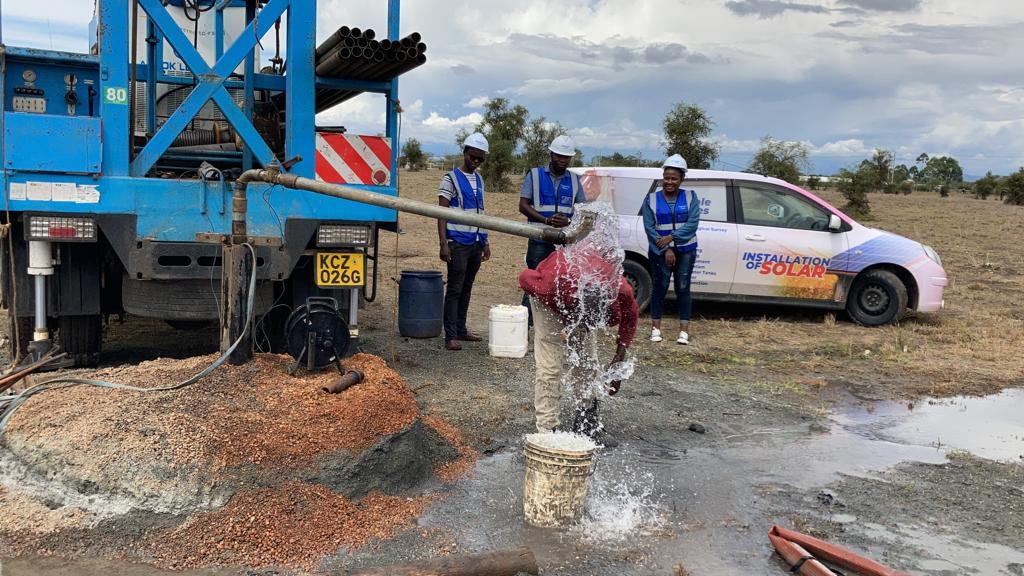
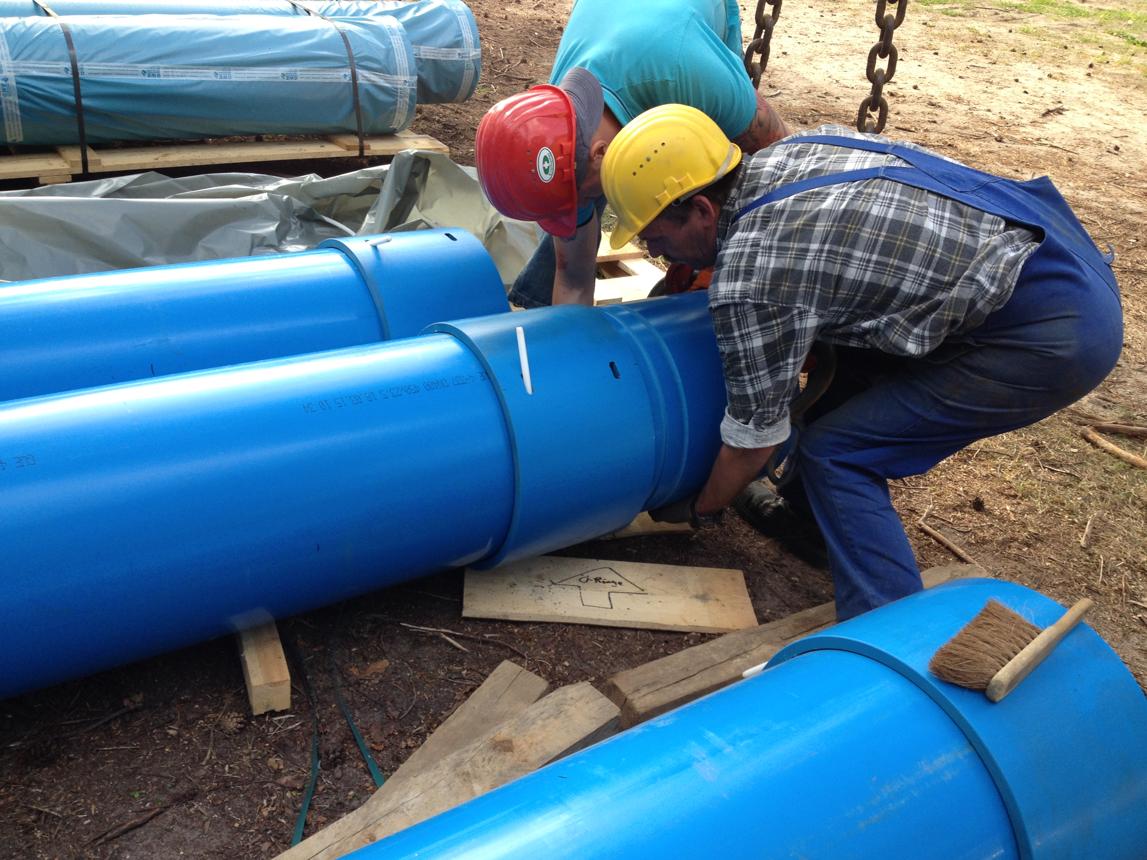
Description: Professional borehole drilling in Nakuru County for homes, farms, businesses, schools, ranches and institutions. Hydrogeological surveys, drilling, casing, pumping tests, solar pumps, water storage and complete water systems in Nakuru, Naivasha, Gilgil, Molo, Njoro, Subukia, Bahati, Rongai, Kuresoi and across Kenya.
Professional Borehole Drilling Services in Nakuru County
Reliable water supply is essential for residential properties, agricultural farms, livestock operations, commercial businesses, institutions, industries and growing communities throughout Nakuru County.
As Nakuru continues to expand through residential development, agriculture, tourism, manufacturing, commercial activities and urban growth, the demand for reliable water sources continues to increase. Many property owners are therefore considering boreholes as an alternative or supplementary source of water.
GossTech Kenya Technologies provides borehole drilling services in Nakuru County, offering groundwater investigation, borehole drilling, casing installation, borehole development, pumping tests, pump installation, solar water pumping, water storage, water treatment and complete water supply systems.
Whether you are planning a borehole in Nakuru City, Naivasha, Gilgil, Molo, Njoro, Subukia, Bahati, Rongai, Kuresoi, Mau Narok, Elburgon, Dundori, Lanet, Ngata, Salgaa or another part of Nakuru County, professional planning is essential before drilling begins.
A borehole is a long-term investment. The success of the project depends on the suitability of the drilling location, geological conditions, groundwater availability, construction quality, casing specifications, pumping equipment and proper water-system design.
GossTech Kenya Technologies assists clients in planning borehole projects for domestic water supply, irrigation, livestock, commercial operations, institutional facilities and community water projects.
Our services cover Nakuru County, Nairobi and Across Kenya.
Why Borehole Water Is Important in Nakuru County
Nakuru County has a diverse economy involving agriculture, livestock production, tourism, residential development, commercial activities, industrial operations and institutions.
Water is required for:
Residential homes
Apartment buildings
Housing estates
Hotels and lodges
Restaurants
Agricultural farms
Greenhouses
Irrigation
Dairy farming
Livestock watering
Schools and colleges
Hospitals and healthcare facilities
Commercial buildings
Industrial operations
Construction projects
Community water schemes
Some property owners experience challenges with inconsistent piped water supply, high water costs, limited infrastructure or increasing consumption.
A properly planned borehole may provide an alternative water source and help improve water security.
However, groundwater availability varies significantly across Nakuru County. The geological conditions in Naivasha may differ from those in Molo, Njoro, Subukia, Kuresoi, Rongai or Nakuru City.
A borehole should never be planned based only on the assumption that a neighbouring borehole has water.
Proper groundwater assessment is important before drilling.
Borehole Drilling in Nakuru City
Nakuru City is one of Kenya’s major urban centres, with growing residential, commercial, institutional and industrial developments.
Boreholes in Nakuru City may be required for:
Residential homes
Apartment buildings
Housing estates
Hotels
Restaurants
Commercial buildings
Schools
Hospitals
Industrial premises
Construction projects
Warehouses
Institutions
Areas around Nakuru City and its expanding residential neighbourhoods may require groundwater solutions where water supply demand is high or existing supply systems are insufficient.
Locations served include:
Nakuru CBD
Lanet
Section 58
Milimani
Kiamunyi
Ngata
Shabab
Free Area
Pipeline
London
Flamingo
Kaptembwa
Rhonda
Naka
Menengai
Bahati-adjacent areas
Salgaa
Nakuru outskirts
Borehole planning in urban environments requires particular attention to site accessibility, underground infrastructure, contamination risks, drainage, septic systems, space for drilling machinery and future maintenance access.
Before drilling, the proposed site should be assessed to determine whether it is suitable for groundwater development.
Borehole Drilling in Naivasha
Naivasha is one of the most important agricultural, commercial, tourism and industrial centres within Nakuru County.
The area supports:
Flower farms
Greenhouses
Horticulture
Vegetable farming
Commercial agriculture
Hotels
Resorts
Tourism facilities
Residential developments
Industrial activities
Construction projects
Groundwater development in Naivasha requires careful consideration of local hydrogeological conditions.
The Naivasha region has complex volcanic geology and groundwater systems. Water quality and groundwater availability can vary considerably depending on the location and aquifer.
Borehole projects in Naivasha should consider:
Hydrogeological conditions
Groundwater depth
Geological formations
Water quality
Borehole yield
Intended water use
Irrigation requirements
Pumping requirements
Storage capacity
Water-resource regulations
Areas served around Naivasha
Naivasha town
Karagita
Mai Mahiu
Kongoni
Kinamba
Ndabibi
Olkaria
Hell’s Gate surroundings
Lakeview
Mirera
Kamere
Longonot
Gilgil-adjacent areas
Rural agricultural settlements
For farms and commercial projects, the borehole design should be based on actual water demand and the sustainable capacity of the groundwater source.
Borehole Drilling in Gilgil
Gilgil is an important residential, agricultural, commercial and transport centre in Nakuru County. Borehole water may be required by property owners, farms, institutions and businesses located within Gilgil and neighbouring settlements.
Borehole projects in Gilgil may serve:
Residential homes
Housing estates
Hotels
Restaurants
Farms
Livestock
Schools
Hospitals
Commercial premises
Construction sites
Community water projects
Areas covered around Gilgil
Gilgil town
Kikopey
Elementaita
Karunga
Eburru
Mbaruk
Malewa
Kasambara
Ndume
Surrounding farms and rural settlements
Groundwater investigation is important because the geology and groundwater conditions around Gilgil and the wider Rift Valley can vary. The borehole design should take into account local formations, expected water levels, water quality, intended use and drilling conditions.
Borehole Drilling in Molo
Molo is an important agricultural area within Nakuru County. Farms, residential homes, institutions and livestock operations require water throughout the year.
Boreholes may be developed for:
Domestic water supply
Dairy farming
Livestock watering
Irrigation
Greenhouses
Vegetable farming
Agricultural processing
Schools
Commercial businesses
Community water projects
Areas served include:
Molo town
Elburgon
Turi
Marioshoni
Nessuit-adjacent areas
Njoro-adjacent settlements
Kuresoi-adjacent settlements
Rural farms and villages
Groundwater projects in Molo should consider the geological formations, aquifer conditions and water demand.
For agricultural boreholes, the water system should be designed according to the irrigation or livestock requirements rather than domestic consumption alone.
Borehole Drilling in Njoro
Njoro is an important agricultural, educational and residential region of Nakuru County.
The area includes farms, residential properties, institutions, commercial businesses and agricultural enterprises.
Borehole water may support:
Dairy farming
Horticulture
Vegetable production
Greenhouses
Irrigation
Livestock
Residential water supply
Schools and colleges
Commercial premises
Agricultural processing
Areas served in Njoro
Njoro town
Egerton
Mauche
Nessuit
Ngata-adjacent areas
Lare
Kihingo
Naishi
Njoro agricultural areas
Rural settlements throughout Njoro
Njoro groundwater projects should be evaluated based on the actual site location and geological conditions.
The borehole should be planned according to expected water demand, drilling depth, casing requirements, pumping capacity, storage and distribution.
Borehole Drilling in Kuresoi North and Kuresoi South
Kuresoi is an important agricultural region with residential settlements, farms, institutions and livestock operations.
Water is required for:
Domestic use
Dairy farming
Livestock
Irrigation
Greenhouses
Agricultural activities
Schools
Community projects
Commercial enterprises
Areas served include:
Kuresoi
Keringet
Olenguruone
Tinet
Kiptagich
Amalo
Chepalungu-adjacent areas
Molo-adjacent areas
Rural settlements and farms
Groundwater conditions should be assessed at the proposed drilling site.
A borehole intended for a dairy farm, greenhouse or irrigation project may require a different design from a residential borehole.
Water demand, pumping rate, storage and distribution must be carefully considered.
Borehole Drilling in Rongai
Rongai and its surrounding areas have residential, commercial, agricultural and livestock water requirements.
Boreholes may provide water for:
Homes
Farms
Livestock
Irrigation
Schools
Community facilities
Businesses
Construction projects
Areas served
Rongai
Menengai
Solai
Soin
Mosop
Visoi
Kampi ya Moto
Salgaa
Ngata-adjacent settlements
Rural areas throughout Rongai
The project should begin with groundwater investigation and a review of the property’s water demand.
Borehole Drilling in Bahati
Bahati is an important residential, agricultural and commercial area within Nakuru County.
Boreholes can support:
Residential properties
Farms
Livestock
Irrigation
Commercial businesses
Schools
Community water projects
Areas covered
Bahati
Kabazi
Dundori
Kiamaina
Subukia-adjacent settlements
Ngosur
Lake Solai surroundings
Rural farms
Residential developments
A borehole in Bahati should be designed according to the groundwater conditions of the specific site.
The proposed location, drilling depth, borehole construction and pumping equipment should be determined using technical investigation and actual drilling conditions.
Borehole Drilling in Subukia
Subukia is an important rural, agricultural and residential region in Nakuru County. Borehole water can be useful for households, agricultural farms, livestock operations, schools and community water supply systems.
Borehole projects may serve:
Subukia town
Kabazi
Waseges-adjacent areas
Gatongu
Kijabe
Rural settlements
Agricultural farms
Livestock operations
Schools and institutions
The groundwater investigation should assess the geological conditions and identify a suitable location for drilling.
Boreholes in Subukia may be designed for domestic water, irrigation, livestock or community use, depending on the groundwater conditions and the intended demand.
Borehole Drilling in Mau Narok
Mau Narok and the surrounding agricultural areas are important for farming and residential development.
Water requirements may include:
Dairy farming
Livestock
Crop irrigation
Greenhouses
Vegetable farming
Domestic water
Farm workers’ accommodation
Agricultural operations
Borehole drilling services can cover Mau Narok, surrounding farms, settlements and rural locations.
Water development projects in the region have also included groundwater infrastructure. For example, the Kalukyat Water Project in Mau-Narok Ward involves a solar-powered borehole intended to support domestic water, livestock and small-scale agricultural needs.
NWHSA
This illustrates how boreholes can support several uses when the system is designed around the actual water requirements and groundwater capacity.
Borehole Drilling in Elburgon
Elburgon and neighbouring agricultural settlements require water for residential, farming, commercial and institutional use.
Boreholes may support:
Domestic water supply
Dairy farms
Livestock
Irrigation
Greenhouses
Schools
Commercial businesses
Community water systems
Areas around Elburgon, Molo and nearby rural settlements may require borehole development depending on existing water infrastructure.
Borehole planning should include site assessment, groundwater investigation, drilling, casing, development, pumping tests and water-quality analysis.
Borehole Drilling in Lanet
Lanet has experienced residential development and is an important area around Nakuru’s urban expansion.
Property owners may require boreholes for:
Residential estates
Homes
Apartment buildings
Commercial properties
Schools
Institutions
Construction projects
Agricultural properties
Borehole planning in built-up areas requires careful site assessment, including:
Access for drilling equipment
Available space
Existing underground infrastructure
Nearby septic systems
Drainage
Water storage location
Pump installation access
Potential contamination risks
Borehole Drilling in Ngata and Surrounding Areas
Ngata and neighbouring settlements are experiencing residential and agricultural development.
Boreholes may be required for:
Private homes
Residential estates
Farms
Commercial properties
Schools
Community water projects
Irrigation
The groundwater conditions should be assessed before drilling because the expected yield and drilling depth can differ between locations.
Borehole Drilling in Salgaa
Salgaa is an important commercial and transport corridor within Nakuru County.
Businesses, residential properties, institutions and commercial developments may require water for:
Restaurants
Hotels
Truck stops
Commercial premises
Construction
Residential developments
Cleaning operations
Staff facilities
A commercial borehole should be designed according to the facility’s expected water demand and operating requirements.
Borehole Drilling in Lake Elementaita
The Lake Elementaita region and surrounding settlements have residential, agricultural, tourism and conservation-related water needs.
Boreholes may serve:
Hotels and lodges
Farms
Residential homes
Tourism facilities
Commercial businesses
Community water projects
Groundwater investigations in this region require particular consideration of local hydrogeological conditions and water quality.
Water quality testing is essential before groundwater is used for drinking or other sensitive applications.
Borehole Drilling in Kikopey
Kikopey and surrounding areas may require boreholes for homes, farms, businesses, hospitality facilities and livestock.
Borehole projects can be designed to support:
Domestic supply
Irrigation
Livestock
Commercial businesses
Hotels
Restaurants
Agricultural operations
The drilling project should be planned around the intended water use, groundwater conditions, pumping capacity and storage requirements.
Groundwater Conditions in Nakuru County
Nakuru County is characterised by diverse geology, including volcanic formations, Rift Valley geological structures, sedimentary deposits in some locations and other complex geological conditions.
Groundwater potential is not uniform across the county.
Different areas may have:
Shallow groundwater
Deep groundwater
Fractured aquifers
Weathered formations
Volcanic aquifers
Variable groundwater yields
Different water-quality characteristics
The Naivasha region, Nakuru urban region, Molo, Njoro, Kuresoi, Rongai and Subukia should not be assumed to have identical groundwater conditions.
A borehole drilled in one location may encounter water at a different depth and yield from a borehole located nearby.
Factors affecting groundwater availability
Groundwater availability may depend on:
Geological formations
Rock type
Weathering
Fractures
Fault structures
Aquifer thickness
Recharge
Rainfall
Elevation
Drainage patterns
Groundwater abstraction
Local land conditions
The drilling process should be guided by local geological information and the conditions encountered underground.
Hydrogeological Survey for Borehole Drilling in Nakuru
A hydrogeological survey is an important preliminary investigation when planning a borehole.
The survey helps evaluate the groundwater conditions of the proposed site and provides recommendations that can guide drilling.
What does a hydrogeological survey examine?
Depending on the investigation, it may assess:
Regional geology
Geological formations
Groundwater occurrence
Existing boreholes
Groundwater levels
Aquifer characteristics
Recharge conditions
Drainage patterns
Potential water-bearing formations
Site suitability
The report may recommend a drilling location and provide an estimated drilling depth range based on the available geological and hydrogeological information.
Why is a hydrogeological survey important?
It helps the property owner make a more informed decision before investing in drilling.
It may help reduce the risks of:
Selecting an unsuitable location
Drilling without adequate investigation
Unexpected geological conditions
Poor borehole construction
Unnecessary drilling costs
Incorrect borehole specifications
A hydrogeological survey does not guarantee water, a specific drilling depth or a particular borehole yield.
Geophysical Survey for Groundwater Identification
Geophysical surveys are used to investigate subsurface conditions and help identify potentially favourable groundwater locations.
Different survey methods may be used depending on the geological setting.
The investigation may help identify:
Weathered rock
Fractured formations
Geological structures
Potential aquifer zones
Subsurface resistivity variations
Geological boundaries
Geophysical information should be interpreted together with geological observations, existing borehole information and the hydrogeological assessment.
Selecting the drilling location
The drilling location should consider:
Groundwater potential
Geological structures
Accessibility
Drilling rig space
Distance from contamination sources
Septic tanks
Drainage
Property boundaries
Existing structures
Water storage location
Future maintenance access
Proper site selection is an important part of borehole planning.
Complete Borehole Drilling Process in Nakuru County
1. Initial consultation
The project begins with understanding the client’s requirements.
We establish whether the borehole is intended for:
A home
A farm
An irrigation project
A dairy operation
A ranch
A school
A hospital
A hotel
Commercial premises
Industrial use
A community water project
The expected water demand helps determine the appropriate project design.
2. Site inspection
The proposed site is assessed for access, working space, safety and suitability.
The assessment considers:
Access roads
Drilling equipment
Ground conditions
Existing structures
Underground infrastructure
Nearby septic systems
Drainage
Contamination risks
Water storage
Pump installation
3. Groundwater investigation
A hydrogeological and geophysical investigation may be conducted to assess the site and identify potential drilling locations.
The findings help guide drilling plans.
4. Permits and approvals
The necessary approvals and documentation should be obtained before drilling, according to the applicable water-resource requirements.
The requirements may depend on the project location, intended use and applicable regulations.
5. Mobilisation
The drilling rig, equipment, casing and other materials are transported to the site.
Mobilisation costs can depend on:
Distance
Road conditions
Site accessibility
Equipment
Project size
Location
Logistical requirements
6. Drilling
Drilling begins at the selected site.
The drilling team records geological formations encountered and observations such as:
Soil layers
Rock formations
Weathered zones
Fractures
Water strikes
Changes in drilling conditions
The actual depth is determined by the geological conditions and project requirements.
7. Casing installation
Casing is installed to support the borehole and protect its structural integrity.
Casing selection depends on:
Borehole diameter
Depth
Geological conditions
Construction requirements
Pump installation requirements
8. Screen installation
Borehole screens may be installed in appropriate water-bearing sections.
The screen design and placement should be based on the formations encountered.
9. Gravel packing
Gravel packing may be used where required by the borehole design.
It can help provide a filter zone around the screen in appropriate formations.
10. Borehole development
The borehole is developed to remove drilling materials, fine sediments and debris.
Proper development is an important part of preparing the borehole for pumping.
11. Pumping test
The borehole is tested to evaluate its performance.
The pumping test can provide information about:
Yield
Drawdown
Recovery
Pumping behaviour
Aquifer performance
Recommended pumping rate
12. Water quality testing
Water samples should be analysed to establish the suitability of the groundwater for its intended use.
13. Pump installation
A suitable pump is selected according to:
Borehole depth
Water level
Tested yield
Pumping rate
Daily demand
Storage
Delivery head
Pipe length
Power source
14. Storage and distribution
The completed system may include tanks, tank structures, pipelines, pressure systems, irrigation equipment and distribution points.
Borehole Water Solutions for Different Applications in Nakuru County
Boreholes for residential homes
Residential boreholes can provide water for:
Drinking after appropriate treatment
Cooking
Bathing
Laundry
Cleaning
Toilets
Gardening
Swimming pools
Household storage
A residential installation may include:
Groundwater survey
Drilling
Casing
Borehole development
Pumping test
Water analysis
Submersible pump
Electrical installation
Solar pumping
Water storage tanks
Distribution plumbing
The system should be designed according to the household’s daily water consumption and the borehole’s tested yield.
Boreholes for apartments and residential estates
Apartment buildings and residential estates may require more water than individual homes.
The system should consider:
Number of residents
Daily consumption
Peak demand
Borehole yield
Pumping hours
Storage capacity
Tank height
Pressure requirements
Distribution network
Backup systems
A properly designed system can combine borehole pumping with storage tanks and pressure systems to improve water supply reliability.
Boreholes for agriculture
Agricultural boreholes may supply water for:
Vegetables
Greenhouses
Horticulture
Fruit production
Nursery operations
Fodder production
Crop irrigation
The water demand of an agricultural project should be calculated before determining the borehole and pumping system specifications.
Boreholes for dairy farming
Dairy farms require water for:
Cattle drinking
Cleaning
Milking operations
Equipment washing
Farm sanitation
Staff facilities
Feed preparation
The borehole system should be designed to accommodate livestock numbers and daily water consumption.
Storage tanks and distribution pipes may be necessary to supply several sections of the farm.
Boreholes for livestock and ranches
Livestock boreholes may supply:
Cattle
Sheep
Goats
Poultry
Other livestock
The system may include:
Submersible pump
Solar pumping
Storage tanks
Water troughs
Pipelines
Distribution points
For large ranches, the location of water points and the distribution network should be considered during project planning.
Boreholes for schools and educational institutions
Schools require water for:
Students
Teachers
Kitchens
Toilets
Handwashing
Cleaning
Boarding facilities
Gardens
A school borehole should be designed according to the number of students and staff, daily consumption, storage requirements and sanitation infrastructure.
Boreholes for hospitals and healthcare facilities
Healthcare facilities require reliable water for:
Patient care
Cleaning
Sanitation
Handwashing
Kitchens
Laundry
Staff facilities
Water quality and reliability are particularly important in healthcare environments.
Boreholes for hotels and tourism facilities
Hotels and lodges may require water for:
Guest rooms
Kitchens
Restaurants
Laundry
Swimming pools
Landscaping
Cleaning
Staff facilities
Recreational areas
A hotel borehole should be designed according to the facility’s capacity, expected occupancy and daily consumption.
Boreholes for commercial premises
Commercial establishments may require water for:
Restaurants
Shops
Offices
Warehouses
Car washes
Workshops
Construction sites
Cleaning operations
Commercial kitchens
The water system should be planned according to the actual business requirements.
Solar Borehole Pump Installation in Nakuru County
Solar pumping is a practical solution for farms, rural homes, ranches, institutions and locations where grid electricity is unavailable or costly.
A solar borehole pumping system can include:
Solar panels
Mounting structures
Solar pump controller
Submersible pump
Borehole cable
Water-level protection
Delivery pipes
Storage tanks
Distribution infrastructure
Benefits of solar pumping
Reduced electricity costs
Reduced generator fuel expenses
Suitable for remote locations
Less dependence on grid power
Useful for agricultural water supply
Can pump water into storage during sunny hours
How a solar pump is selected
The pump should be selected based on:
Borehole depth
Static water level
Pumping water level
Tested yield
Daily water demand
Required pumping rate
Delivery height
Pipeline distance
Solar energy availability
Storage capacity
A solar system should not be selected simply by choosing a particular number of solar panels. The pump and solar array must be designed as a complete system.
Water Storage and Distribution Systems
A borehole alone does not complete the water supply installation.
Water must be pumped, stored and distributed according to the client’s requirements.
Storage tanks
Storage tanks help ensure water is available when demand exceeds the pumping rate or when pumping is temporarily unavailable.
Tank sizing should consider:
Daily consumption
Borehole yield
Pumping hours
Peak demand
Irrigation requirements
Livestock requirements
Emergency storage
Elevated tank structures
Elevated tanks can provide gravity-fed distribution.
The height of the tank influences the available water pressure.
Pipeline installation
Pipelines may distribute water to:
Homes
Buildings
Farms
Livestock troughs
Irrigation systems
Schools
Community water points
The pipeline should be appropriately sized according to the expected flow rate and distance.
Pressure systems
Pressure pumps may be necessary where gravity alone cannot provide sufficient pressure.
A complete system may include:
Pressure pumps
Pressure tanks
Controllers
Valves
Pipework
Distribution manifolds
Borehole Water Treatment in Nakuru County
Groundwater should be tested before it is used for drinking or other sensitive purposes.
Water may contain dissolved minerals, salts, iron, fluoride or microorganisms, depending on the location and groundwater conditions.
Water treatment should be based on laboratory analysis rather than assumptions.
Possible borehole water treatment systems
Depending on the water test results, treatment may involve:
Sediment filtration
Sand filtration
Activated carbon filtration
Iron removal
Hardness treatment
Fluoride removal
Reverse osmosis
UV disinfection
Chlorination
Specialised chemical treatment
Why water testing matters
Water testing helps determine:
Whether the water is suitable for drinking
Whether treatment is required
Which treatment technology is appropriate
Whether the water is suitable for irrigation
Whether the water may affect plumbing or equipment
Whether there are chemical or microbiological concerns
Water that looks clear is not necessarily safe for drinking.
Borehole Rehabilitation, Repair and Maintenance in Nakuru
Existing boreholes can experience problems as they age.
Common borehole problems include:
Reduced water yield
Excessive sand
Pump failure
Pumping-system faults
Electrical problems
Damaged cables
Borehole sediment
Screen blockage
Corrosion
Pump stuck inside the borehole
Water-level changes
Poor water quality
Borehole rehabilitation services
Depending on the cause of the problem, rehabilitation may include:
Borehole inspection
Pump removal
Pump replacement
Cable replacement
Borehole cleaning
Borehole development
Sediment removal
Screen cleaning
Pumping tests
Water-quality testing
A borehole producing less water does not necessarily mean the aquifer has failed.
The problem may be caused by:
A worn-out pump
Electrical faults
Sediment accumulation
Screen blockage
Incorrect pump selection
Excessive pumping
Changes in groundwater levels
Proper diagnosis is important before replacing expensive equipment.
Borehole Drilling and Water Projects in Nakuru County
Nakuru County continues to invest in water infrastructure through borehole development, rehabilitation, equipping, pumping systems, pipelines and other water projects.
Official water-sector information lists borehole-related initiatives across the county, including projects involving drilling, equipping, rehabilitation and solarisation in areas such as Rongai, Kuresoi North, Subukia, Naivasha, Gilgil, Nakuru and Molo.
CRVWWDA
County programmes have also included borehole infrastructure and water distribution projects in localities such as Mwariki, Lalwet, Soimet and other parts of Nakuru West.
Nakuru County
The county’s water-development planning also includes borehole drilling, equipping and rehabilitation as part of interventions intended to improve access to potable water.
Nakuru County
Examples of water-development initiatives
Public water-development projects in Nakuru have included:
Borehole drilling
Borehole equipping
Pump installation
Solarisation
Water storage tanks
Elevated tank structures
Pipeline extensions
Community water points
Borehole rehabilitation
Water kiosks
For example, a county project in Marioshoni Ward, Molo, involved drilling a borehole intended to improve water access for the local community.
Kenya News Agency
These initiatives illustrate the importance of groundwater infrastructure in Nakuru County, although the groundwater conditions at a private property must always be assessed individually.
Borehole Drilling for Community Water Projects
Community boreholes can serve multiple households, institutions, schools, businesses and public facilities.
A community water project may include:
Borehole drilling
Borehole casing
Pump installation
Solar pumping
Water storage
Elevated tanks
Pipeline networks
Water kiosks
Livestock watering points
Community distribution systems
Community borehole planning
The project should assess:
Population served
Daily water demand
Borehole yield
Pumping hours
Storage capacity
Pipeline length
Elevation differences
Water quality
Treatment requirements
Maintenance arrangements
Operating costs
Management responsibilities
The design should ensure that the water system is appropriate for the community’s requirements and groundwater capacity.
Borehole Drilling Costs in Nakuru County
The cost of drilling a borehole in Nakuru depends on the drilling depth, geological conditions, casing requirements, groundwater conditions, mobilisation, pumping equipment, water storage and the intended use of the water.
The following figures are indicative planning estimates only and should not be treated as a fixed quotation.
| Service or Component | Indicative Cost (KSh) |
|---|---|
| Hydrogeological survey | 40,000–100,000 |
| Geophysical survey | 35,000–100,000 |
| Permits and approvals | 30,000–150,000+ |
| Drilling rig mobilisation | 50,000–200,000+ |
| Borehole drilling per metre | 6,000–12,000+ |
| Casing per metre | 2,500–6,000+ |
| Screen casing per metre | 3,000–7,000+ |
| Gravel pack | 20,000–100,000+ |
| Borehole development | 30,000–100,000+ |
| Pumping test | 30,000–100,000+ |
| Water quality testing | 15,000–50,000+ |
| Submersible pump | 50,000–300,000+ |
| Pump installation | 30,000–100,000+ |
| Electrical installation | 30,000–150,000+ |
| Solar pumping system | 150,000–800,000+ |
| Water storage tanks | 20,000–300,000+ |
| Tank structure | 50,000–500,000+ |
Estimated complete borehole project budgets
| Type of Project | Indicative Budget |
|---|---|
| Basic residential borehole project | KSh 1.2M–2.0M |
| Residential borehole with pump and storage | KSh 1.5M–2.8M |
| Borehole with solar pumping system | KSh 2.0M–4.5M+ |
| Commercial or institutional project | KSh 2.5M–4.5M+ |
| Large irrigation or livestock project | Project-specific |
Actual project costs may be lower or higher depending on depth, geology, casing specifications, water yield, pump requirements, storage, distribution, treatment and mobilisation.
Frequently Asked Questions About Borehole Drilling in Nakuru County
How much does borehole drilling cost in Nakuru?
The cost depends on the depth, geology, drilling equipment, casing, pumping equipment, storage and intended water use. A complete project may range from approximately KSh 1.2 million to several million shillings.
How deep are boreholes drilled in Nakuru?
There is no single standard depth for Nakuru County. Boreholes in Naivasha, Nakuru City, Molo, Njoro, Kuresoi, Rongai, Subukia and Gilgil can encounter different geological conditions. The recommended drilling depth should be based on investigation and actual formations encountered.
Can you guarantee water when drilling a borehole?
No responsible drilling company can guarantee a specific water yield or water quality before drilling. Surveys help reduce uncertainty but cannot eliminate geological risk.
Do I need a hydrogeological survey?
A survey is strongly recommended because it helps identify potential drilling locations and provides information for planning the borehole.
Can boreholes be used for irrigation?
Yes. Boreholes can be used for irrigation where the yield, water quality, pumping system and applicable water-resource requirements are suitable.
Can a borehole support a dairy farm?
Yes, provided the borehole yield and storage system are adequate for the farm’s water demand.
Can you install solar pumps?
Yes. Solar borehole pumping systems can be designed for homes, farms, ranches, schools, commercial premises and remote locations.
Is borehole water safe for drinking?
Not automatically. Water testing should be conducted, and treatment may be necessary depending on the results.
Can you repair an existing borehole?
Yes. Borehole rehabilitation may involve pump replacement, cable replacement, cleaning, development, screen cleaning and other technical work depending on the problem.
Do you drill in remote areas?
Borehole projects can be planned in remote locations subject to site accessibility, mobilisation, equipment requirements and project logistics.
Do you provide complete borehole projects?
Yes. Projects can include surveys, drilling, casing, borehole development, pumping tests, water analysis, pump installation, solar systems, tanks, tank structures, pipelines and water treatment.
Why Choose GossTech Kenya Technologies?
Choosing the right borehole service provider is important because a borehole is a long-term investment.
GossTech Kenya Technologies provides comprehensive water solutions for residential, agricultural, commercial, institutional and community projects.
Our services include:
Borehole drilling
Hydrogeological surveys
Geophysical surveys
Borehole site selection
Borehole casing
Screen installation
Gravel packing
Borehole development
Pumping tests
Water quality testing
Submersible pump installation
Solar borehole pumping
Water storage tanks
Tank structures
Pipeline installation
Irrigation water systems
Borehole rehabilitation
Pump replacement
Water treatment
We serve homeowners, property developers, farmers, ranchers, schools, hospitals, hotels, businesses, institutions and community organisations.
Get a Borehole Drilling Consultation in Nakuru County
Are you planning to drill a borehole in Nakuru City, Naivasha, Gilgil, Molo, Njoro, Subukia, Bahati, Rongai, Kuresoi, Mau Narok, Elburgon, Lanet, Ngata, Salgaa, Dundori, Kabazi, Kikopey, Elementaita or another area of Nakuru County?
GossTech Kenya Technologies can assist you with planning your groundwater project, site investigation, borehole drilling, pumping equipment, solar systems, storage and complete water distribution solutions.
Whether you need water for your home, farm, greenhouse, dairy operation, ranch, school, hotel, commercial property or community project, proper planning is the first step toward developing a dependable water source.
GossTech Kenya Technologies
📞 Phone: 0723613664
📧 Email: info@gosstech.co.ke
🌐 Website: www.gosstech.co.ke
Professional Borehole Drilling, Groundwater Surveys, Solar Pumping and Complete Water Solutions in Nakuru County, Nairobi and Across Kenya.