
Borehole Drilling in Kitui County, Kenya – Professional Borehole Drilling, Groundwater Surveys and Water Solutions by GossTech Kenya Technologies
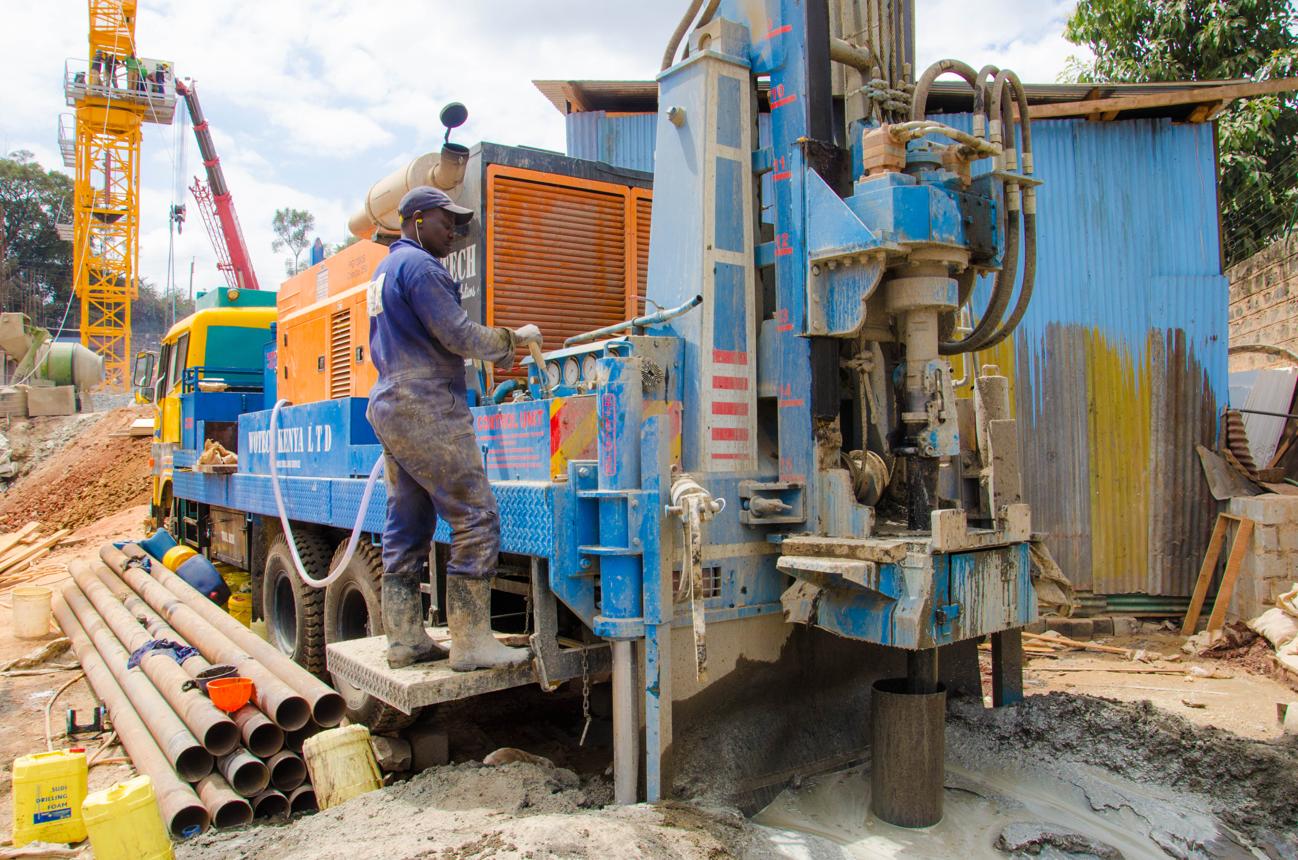
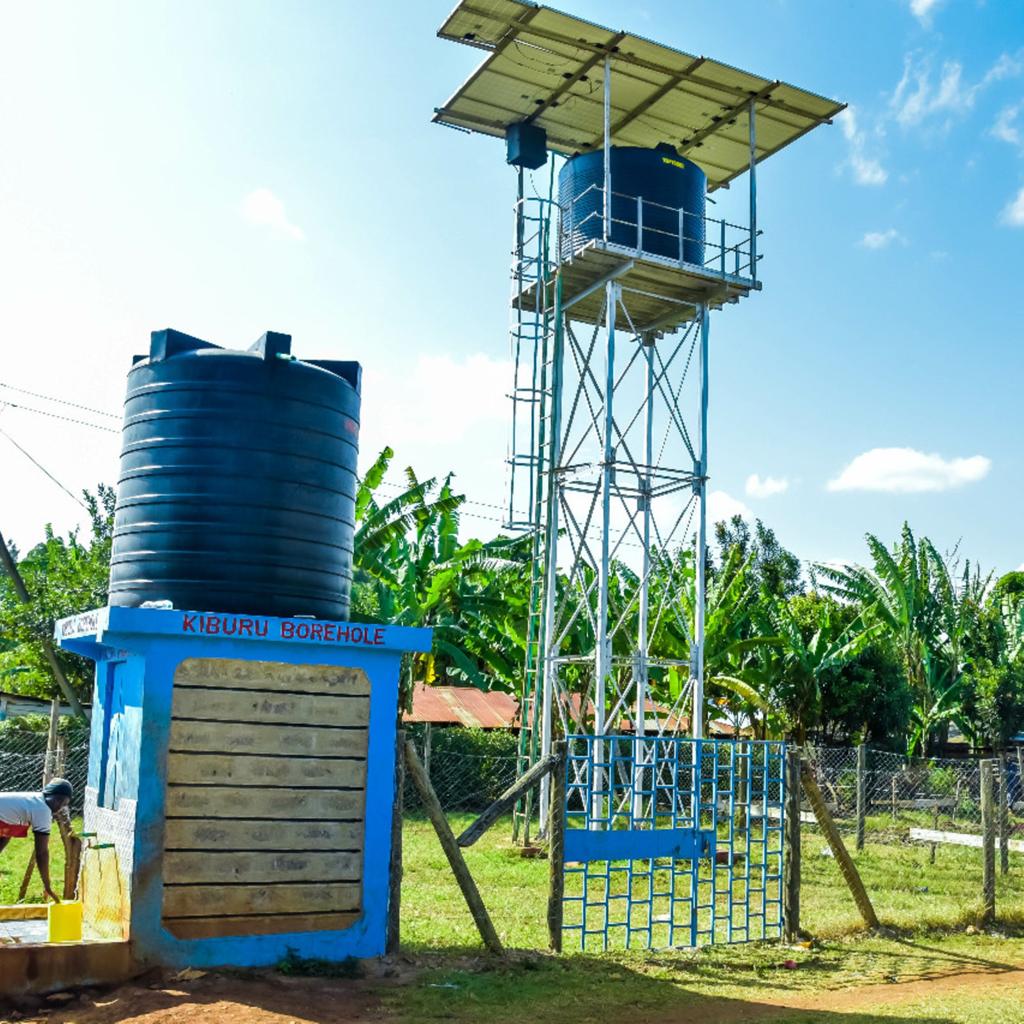
Description: Professional borehole drilling in Kitui County. Hydrogeological surveys, geophysical surveys, drilling, casing, water testing, solar pumps, irrigation and complete water solutions in Kitui, Mwingi, Mutomo, Ikutha, Tseikuru, Kyuso, Kibwezi border areas and across Kenya.
Professional Borehole Drilling Services in Kitui County
Access to reliable water remains one of the most important requirements for households, farms, businesses, schools, institutions, livestock owners and communities throughout Kitui County. Many residents experience seasonal water shortages, unreliable rivers, dry wells, expensive water deliveries and long distances to dependable water sources. For properties that require a more reliable water supply, a professionally planned and constructed borehole can provide an important long-term solution.
GossTech Kenya Technologies provides borehole drilling services in Kitui County, including groundwater surveys, site assessment, drilling, borehole casing, well development, pumping tests, water quality testing, pump installation, solar-powered pumping systems, water storage and distribution solutions.
Kitui is a large county with diverse settlement patterns and water challenges. The needs of a property in Kitui Town or the more densely settled central areas may differ considerably from those of a farm in Mwingi, Mutomo, Ikutha, Kyuso, Tseikuru, Mutha, or a remote village where water infrastructure is limited.
A successful borehole project therefore begins with understanding the site, its geological conditions, groundwater potential, intended water demand and the equipment required to deliver water efficiently.
Whether you are planning a borehole for a home, agricultural farm, livestock project, school, church, commercial property, community water project or industrial facility, GossTech Kenya Technologies offers borehole drilling and water infrastructure solutions in Kitui County, Nairobi and Across Kenya.
Why Borehole Drilling Is Important in Kitui County
Kitui County experiences significant water-access challenges in many areas. Residents depend on a combination of boreholes, wells, seasonal rivers, water pans, dams, water vendors and piped water systems.
The County Government’s development planning documents identify water access as a major priority and highlight the need for boreholes, dams, water harvesting, pipelines and water infrastructure across its wards and sub-counties. The county has also prioritised strategic boreholes and other water projects as part of efforts to improve domestic and agricultural water availability.
Kitui County Government+2
For individual property owners, drilling a borehole may provide several advantages.
1. Reliable domestic water supply
A borehole can support:
Drinking water after appropriate treatment
Cooking
Bathing
Laundry
Cleaning
Toilet flushing
Gardening
Watering trees
Household storage
2. Agricultural production
Farmers may require groundwater for:
Irrigation
Greenhouses
Vegetable production
Fruit trees
Seedling nurseries
Drip irrigation
Livestock watering
Small-scale commercial farming
3. Livestock farming
Water availability is critical for livestock projects involving:
Cattle
Goats
Sheep
Poultry
Camels
Dairy production
Feedlot operations
4. Commercial and institutional use
Boreholes can support:
Schools
Hospitals
Clinics
Churches
Hotels
Restaurants
Construction sites
Factories
Warehouses
Commercial farms
Shopping centres
Community water projects
Borehole Drilling Services in Kitui Town
Kitui Town is one of the major urban centres in the county and serves residential, commercial, institutional and administrative needs.
Properties in Kitui Town and its surrounding areas may require boreholes to supplement existing water supplies, improve reliability or support businesses that consume significant quantities of water.
GossTech Kenya Technologies provides borehole drilling and related services for:
Residential homes
Apartment buildings
Rental properties
Commercial premises
Hotels
Schools
Churches
Hospitals
Agricultural properties
Institutions
Before drilling, the property should be assessed to determine the most suitable drilling location. A groundwater survey helps identify possible groundwater-bearing structures and assists in planning the borehole.
The drilling location should also consider:
Access for drilling machinery
Distance from septic systems
Distance from waste disposal areas
Property boundaries
Existing structures
Electrical installations
Future expansion plans
Water storage location
Pump installation requirements
A carefully selected borehole location can improve the practicality and safety of the entire water project.
Borehole Drilling in Kitui Central
Kitui Central includes residential, commercial, agricultural and institutional properties requiring different water solutions.
Areas around Kitui Town, Miambani and surrounding settlements may have demand for boreholes supporting homes, farms, schools, businesses and community projects.
We assist property owners with:
Groundwater investigations
Geophysical surveys
Borehole drilling
Borehole casing
Borehole completion
Pump testing
Water quality analysis
Submersible pump installation
Solar pumping
Water tank installation
Pipeline installation
A borehole project in Kitui Central should be designed according to the intended water consumption.
For example, a household borehole may have different requirements from a commercial property supplying several buildings or an agricultural farm requiring irrigation throughout the year.
Borehole Drilling in Kitui East
Kitui East covers a broad area with settlements, farms and rural properties that may experience water accessibility challenges.
Boreholes can support homes, schools, agricultural projects, livestock farms and community water systems.
The project may involve more than drilling alone. A complete water solution may require:
Groundwater survey
Borehole drilling
Casing installation
Borehole development
Pumping test
Water quality testing
Pump installation
Solar or electrical power
Storage tanks
Distribution pipelines
The borehole should be designed based on the expected demand, groundwater conditions and the property’s intended use.
Borehole Drilling in Kitui South
Kitui South is an important area for borehole development because many properties require independent water sources for domestic consumption, agriculture and livestock.
Areas associated with Kitui South include:
Mutomo
Ikutha
Mutha
Kasaala
Kwa Mutonga
Kitoo
Kanziko
Surrounding villages and settlements
Water requirements in Kitui South can vary greatly from one property to another. A household may need water for basic domestic activities, while a commercial farm may require a larger water supply for irrigation and livestock.
Our borehole drilling services in Kitui South may include:
Groundwater survey
Borehole siting
Drilling
Casing and screen installation
Gravel packing where required
Borehole development
Pumping tests
Water quality testing
Pump installation
Solar systems
Storage and distribution
The design of the borehole should take into account the expected water demand and local groundwater conditions.
Borehole Drilling in Mwingi
Mwingi is one of the major population and commercial centres within the wider Kitui County region. Water requirements in the Mwingi area include residential supply, businesses, livestock, farming, institutions and community water projects.
GossTech Kenya Technologies provides borehole drilling services across the Mwingi region, including properties requiring independent water supplies.
Borehole drilling in Mwingi Central
Mwingi Central includes homes, businesses, farms, schools, institutions and expanding settlements. Boreholes can supplement existing water infrastructure and provide an alternative source where water supply is unreliable.
We offer:
Borehole drilling
Groundwater surveys
Geophysical investigations
Borehole rehabilitation
Pump replacement
Solar borehole pumping
Water tank installation
Pipeline distribution
Water testing
Borehole drilling in Mwingi North
Mwingi North contains rural settlements, farms, livestock projects and communities requiring reliable water sources.
Our services cover projects in areas such as:
Kyuso
Tseikuru
Ngomeni
Mumoni
Tharaka border areas
Surrounding villages and settlements
Borehole development in these locations should be carefully planned. A groundwater survey can help identify possible drilling targets, although it cannot guarantee that water will be found or predict the exact borehole yield.
Borehole drilling in Mwingi West
Mwingi West has residential properties, agricultural land, livestock operations and rural communities that may benefit from borehole water.
We provide borehole solutions for:
Homes
Farms
Livestock projects
Schools
Churches
Community water projects
Commercial properties
The borehole may be designed with a manual, electrical or solar-powered pumping system depending on the project requirements.
Borehole Drilling in Kyuso
Kyuso and its surrounding areas require water solutions that can serve households, farms, livestock and community institutions.
A borehole can be a valuable investment for a property owner who wants to reduce dependence on water deliveries or seasonal water sources.
Before drilling in Kyuso, the following should be considered:
Groundwater survey results
Expected water demand
Geological conditions
Drilling depth
Borehole diameter
Casing requirements
Pumping requirements
Storage capacity
Solar power requirements
Water quality
A properly designed borehole can become a long-term water asset when the construction, pumping equipment and maintenance requirements are considered from the beginning.
Borehole Drilling in Tseikuru
Tseikuru and neighbouring settlements are among the locations where borehole water may be needed for domestic use, farming, livestock and institutional projects.
GossTech Kenya Technologies provides borehole drilling and groundwater development services for clients in Tseikuru and nearby areas.
Projects may include:
Private residential boreholes
Farm boreholes
School boreholes
Community boreholes
Livestock water supplies
Commercial boreholes
Irrigation boreholes
A borehole project should not be planned using the depth or yield of another borehole as a guarantee. Groundwater conditions can vary significantly over relatively short distances.
For this reason, an individual site assessment is important.
Borehole Drilling in Mutomo
Mutomo is an important location within Kitui South, where dependable water supplies may be required for homes, agriculture, livestock, businesses and institutions.
Borehole drilling in Mutomo can support:
Residential water supply
Commercial farms
Livestock farming
Schools
Churches
Community projects
Agricultural irrigation
Water distribution projects
The drilling plan should consider the property’s expected water demand, groundwater conditions and the type of pumping system needed.
For agricultural boreholes, the water system may need to support a larger storage capacity, irrigation infrastructure and efficient water distribution.
Borehole Drilling in Ikutha
Ikutha and its surrounding areas have properties that may require independent groundwater supplies for domestic, agricultural and livestock use.
We provide borehole drilling solutions in Ikutha for:
Private homes
Farms
Commercial properties
Schools
Community projects
Livestock operations
Irrigation systems
A borehole serving a livestock project may require a different pumping and storage arrangement from a borehole serving a residential house.
For larger water projects, we can assist in planning the water system from drilling to pumping, storage and distribution.
Borehole Drilling in Mutha
Mutha and surrounding settlements may require borehole water for domestic consumption, livestock, agricultural production and community water access.
Our borehole services in Mutha include:
Hydrogeological surveys
Geophysical surveys
Borehole siting
Drilling
Casing
Well development
Pumping tests
Water testing
Pump installation
Solar pumping
Storage tanks
Pipeline installation
Each borehole should be planned according to site conditions and its intended purpose.
Borehole Drilling in Kitui West
Kitui West includes rural and agricultural properties where groundwater can support household water supplies, livestock, irrigation and institutions.
We serve areas including:
Kabati
Kwa Vonza
Mutonguni
Kyangwithya-related neighbouring areas
Rural settlements and farms within Kitui West
Borehole drilling in Kitui West may be required for homes, commercial projects, institutions and farms.
The project should consider whether the groundwater source can sustainably support the intended pumping schedule.
For farms, this is especially important because irrigation demand can be considerably higher than domestic demand.
Borehole Drilling in Kitui Rural
Kitui Rural includes farms, homes, schools, villages and agricultural properties requiring water solutions.
Borehole drilling services may support:
Domestic water
Livestock watering
Irrigation
Greenhouses
Commercial farming
Institutions
Community water supply
The water system may include a borehole, submersible pump, storage tank, solar panels, electrical controls and distribution pipelines.
Borehole Drilling in Yatta and Kwa Vonza Areas
Properties around Yatta and Kwa Vonza may require boreholes to support agriculture, residential development, livestock and commercial projects.
We provide borehole drilling and related water infrastructure services for:
Farms
Residential estates
Schools
Commercial developments
Livestock projects
Agricultural irrigation
Where solar energy is suitable, a solar pumping system may reduce dependence on grid electricity and provide an efficient way to pump water during daylight hours.
Borehole Drilling in Other Areas of Kitui County
GossTech Kenya Technologies serves borehole drilling clients throughout Kitui County.
Our service coverage includes towns, rural settlements, villages, farms and developing areas across the county, including:
Kitui Town
Kitui Central
Kitui East
Kitui South
Kitui West
Kitui Rural
Mwingi Central
Mwingi North
Mwingi West
Kyuso
Tseikuru
Mutomo
Ikutha
Mutha
Kwa Vonza
Miambani
Kabati
Mutonguni
Ngomeni
Mumoni
Kyangwithya
Kitoo
Kanziko
Kasaala
Mwingi
Rural farms
Remote villages
Agricultural settlements
Community water project locations
The county’s administrative planning identifies eight sub-counties and forty wards, making water development a countywide requirement rather than a challenge limited to one town.
Kitui County Government+1
Hydrogeological Survey Before Borehole Drilling in Kitui
A groundwater survey is one of the most important stages of borehole development.
The purpose of the survey is to investigate the site’s geological and hydrogeological conditions and identify possible locations where groundwater may occur.
In Kitui County, the importance of site-specific investigation is particularly high because groundwater conditions can vary considerably between locations.
What is a hydrogeological survey?
A hydrogeological survey examines the relationship between geology, groundwater movement, recharge, aquifers and the proposed borehole location.
The investigation may consider:
Geological formations
Rock types
Weathered zones
Fractures
Fault structures
Groundwater recharge
Existing boreholes
Nearby water sources
Terrain
Drainage patterns
Local water demand
Potential contamination sources
The information helps determine whether a proposed location is suitable for further groundwater investigation.
What is a geophysical survey?
Geophysical investigation uses specialised equipment to measure subsurface characteristics that may help identify possible groundwater-bearing structures.
Depending on the survey method and local conditions, the investigation may help identify:
Weathered rock zones
Fractures
Geological structures
Possible aquifer zones
Variations in subsurface formations
The results are interpreted alongside geological information and local groundwater data.
Why surveys are important in Kitui
Kitui County contains areas with different geological conditions and water availability challenges. County development documents recognise water scarcity and the need to develop groundwater alongside other water sources.
Kitui County Government+1
A survey helps avoid selecting a drilling location purely by guesswork.
However, a groundwater survey cannot guarantee water, a specific depth or a specific yield. Groundwater is a natural resource, and final drilling results must be confirmed during drilling and testing.
How Borehole Drilling Is Carried Out in Kitui County
A professional borehole project involves several stages.
Step 1: Initial consultation
We establish the client’s requirements.
Important questions include:
Is the borehole for a home?
Is it for irrigation?
Is it for livestock?
Is it for a school or institution?
Is it a community project?
How many people will use the water?
What crops will be irrigated?
How much water is required daily?
Is electricity available?
Is solar pumping preferred?
How much water storage is required?
These details help determine the borehole and pumping system requirements.
Step 2: Site assessment
The property is assessed for:
Access
Available space
Ground conditions
Existing structures
Possible drilling locations
Water storage location
Pump installation requirements
Pipeline routes
Electrical or solar installation
Step 3: Groundwater survey
The survey identifies possible drilling locations based on geological and geophysical information.
A suitable location is selected for further development.
Step 4: Drilling mobilisation
Drilling equipment is transported to the site.
Mobilisation costs can depend on:
Distance
Road accessibility
Terrain
Equipment requirements
Site conditions
Drilling rig availability
Remote locations in Kitui may require additional logistical planning.
Step 5: Borehole drilling
The drilling rig begins drilling according to the planned borehole design.
During drilling, the drilling team observes:
Formation changes
Rock conditions
Water strikes
Drilling progress
Borehole stability
Water inflow
The final depth depends on actual geological conditions and the project requirements.
Step 6: Casing installation
Borehole casing is installed to help maintain the structural integrity of the borehole and prevent collapse in unstable formations.
The casing design may include:
Plain casing
Screen casing
Appropriate screen intervals
Gravel pack where required
Borehole sealing
The design must be appropriate for the geological conditions encountered.
Step 7: Borehole development
Development removes drilling residues and improves the connection between the borehole and the surrounding water-bearing formations.
This may involve specialised development techniques depending on the borehole design.
Step 8: Pumping test
A pumping test evaluates the borehole’s performance under pumping conditions.
It helps determine:
Sustainable pumping rate
Water level behaviour
Drawdown
Recovery
Pumping requirements
Potential operating limitations
The pump should not simply be selected based on the borehole’s depth. Pump selection should consider the pumping test results and the water system’s requirements.
Step 9: Water quality testing
Water should be tested before it is used for drinking or other sensitive purposes.
Testing may examine:
pH
Electrical conductivity
Total dissolved solids
Hardness
Turbidity
Iron
Fluoride
Other relevant minerals
Microbiological contamination
The required treatment depends on the actual water quality results.
Step 10: Pump installation
A suitable submersible pump is installed according to:
Borehole depth
Water level
Pumping test results
Required flow rate
Storage capacity
Pipeline length
Elevation
Power availability
Step 11: Water storage and distribution
The water may be pumped into:
Ground tanks
Elevated tanks
Plastic storage tanks
Concrete tanks
Water towers
Irrigation reservoirs
Pipelines distribute water to homes, farms, buildings, livestock areas and irrigation systems.
Borehole Water for Agriculture in Kitui County
Agriculture is one of the major reasons property owners invest in boreholes. Reliable groundwater can help farmers plan production, reduce dependence on rainfall and improve the consistency of agricultural activities.
A borehole may support irrigation where the tested water yield and water quality are suitable for the intended farming activity.
Irrigation boreholes
Irrigation boreholes can supply water to:
Vegetable farms
Greenhouses
Tomato farming
Onion farming
Watermelon farming
Capsicum production
Spinach and sukuma wiki
Fruit orchards
Mango farming
Pawpaw farming
Citrus farming
Banana production
Tree nurseries
Seedling production
Kitchen gardens
The irrigation system should be designed according to the farm’s water requirements.
A borehole producing a modest flow may still be useful if water is pumped into storage and distributed gradually. However, a large commercial irrigation project may require a much higher sustainable supply.
Drip irrigation
Drip irrigation can be an efficient way of distributing borehole water.
Advantages include:
Reduced water wastage
Controlled application
Reduced evaporation
Improved water management
Suitable for vegetable production
Suitable for orchards
Ability to automate irrigation
A borehole supplying drip irrigation may require:
Pump
Storage tank
Filters
Main pipeline
Distribution pipes
Drip lines
Pressure regulators
Irrigation valves
Greenhouse farming
Greenhouse projects may use borehole water for:
Tomatoes
Capsicum
Cucumbers
Seedlings
Herbs
Other high-value crops
The water supply should be planned to meet the crop’s daily irrigation requirements and the greenhouse’s operational schedule.
Fruit farming
Kitui farmers may consider groundwater-supported production of:
Mangoes
Pawpaw
Citrus
Bananas
Avocados where suitable
Other locally appropriate fruit crops
Before committing to irrigation, the farmer should establish the borehole’s sustainable yield and evaluate water quality.
Borehole Water for Livestock in Kitui
Livestock farming requires reliable water throughout the year.
Boreholes may support:
Cattle
Dairy cows
Goats
Sheep
Poultry
Camels
Commercial livestock projects
A livestock borehole system may include:
Borehole
Submersible pump
Solar panels
Water storage tanks
Livestock troughs
Pipeline distribution
Automatic float valves
Backup pumping arrangements
The storage system can be particularly useful where livestock demand is continuous but pumping takes place only during certain hours.
Solar-Powered Borehole Pumping in Kitui County
Solar borehole pumping is a suitable option to consider for properties where electricity is unavailable, unreliable or expensive.
A solar borehole pumping system converts solar energy into electricity to operate a borehole pump.
Components of a solar borehole system
A typical solar pumping installation may include:
Solar panels
Solar pump controller
Submersible pump
Borehole cable
Water level sensors
Protection systems
Mounting structure
Storage tank
Pipeline network
Benefits of solar pumping
Solar pumping may provide:
Reduced electricity expenses
Lower dependence on grid power
Suitable operation in remote areas
Reduced generator fuel consumption
Water pumping during daylight
Potentially lower long-term operating costs
Solar pumping for farms
For irrigation projects, solar pumping can be connected to:
Water storage reservoirs
Elevated tanks
Drip irrigation systems
Sprinkler systems
Livestock water distribution
The solar system should be designed according to the borehole’s actual pumping requirements rather than simply installing the largest available pump.
Solar pumping for homes
Residential solar boreholes may pump water into elevated storage tanks, allowing the household to use gravity-fed water when the pump is not operating.
Water Storage Solutions for Kitui Boreholes
A borehole alone may not provide the complete water solution required by a property.
Storage allows water to be pumped when conditions are favourable and used later.
Ground-level tanks
Ground tanks may be used where the water is pumped from the borehole into storage before distribution.
Elevated tanks
Elevated tanks provide gravity pressure for water distribution.
They may supply:
Houses
Bathrooms
Kitchens
Toilets
Laundry areas
Livestock troughs
Irrigation systems
Large water storage systems
Agricultural and commercial projects may require larger storage arrangements.
These may include:
Multiple tanks
Concrete reservoirs
Steel tanks
Large plastic tanks
Water towers
The correct tank capacity depends on:
Daily water demand
Borehole yield
Pumping schedule
Number of users
Irrigation requirements
Livestock demand
Backup requirements
Borehole Water Treatment in Kitui County
Borehole water should not automatically be assumed to be safe for drinking.
Groundwater may contain minerals or contaminants that require treatment depending on the location.
Why water testing is important
Water testing helps determine whether the water is suitable for:
Drinking
Cooking
Bathing
Irrigation
Livestock
Commercial use
Possible water treatment systems
Depending on the water quality results, treatment may include:
Sediment filtration
Removes suspended particles and sediment.
Iron removal
Some groundwater may require treatment to reduce excessive iron.
Water softening
May be required where water hardness is high.
Reverse osmosis
May be considered where dissolved minerals or specific contaminants require advanced treatment.
Disinfection
May be required to address microbiological risks.
The treatment system should be selected based on laboratory water test results rather than guesswork.
Borehole Rehabilitation and Repair Services in Kitui
Not every water problem requires drilling a new borehole.
Existing boreholes may experience problems such as:
Reduced water production
Pump failure
Sand production
Electrical faults
Damaged cables
Pump blockage
Low water levels
Corrosion
Casing problems
Poor water quality
Faulty control panels
GossTech Kenya Technologies can assist with borehole-related maintenance and water system troubleshooting.
Borehole pump replacement
A failed submersible pump may require replacement.
The replacement pump should be selected according to:
Borehole depth
Static water level
Dynamic water level
Pumping test results
Flow requirement
Pipe diameter
Power supply
Solar pump repair
Solar pumping systems may experience problems involving:
Solar panels
Wiring
Controllers
Pump motors
Protection devices
Water level sensors
Proper diagnosis is important before replacing components.
Borehole maintenance
Routine maintenance helps identify problems before they become serious.
Maintenance may include:
Pump inspection
Electrical inspection
Water level monitoring
Pump performance checks
Tank inspection
Pipeline inspection
Water quality monitoring
Borehole Drilling for Schools, Churches and Institutions in Kitui
Institutions often require substantial and consistent water supplies.
GossTech Kenya Technologies provides borehole solutions for:
Primary schools
Secondary schools
Colleges
Vocational training centres
Churches
Hospitals
Health centres
Children’s homes
Community centres
Religious institutions
Institutional borehole projects may require:
Groundwater survey
Borehole drilling
Pump testing
Water treatment
Large storage tanks
Elevated tank structures
Pipeline distribution
Multiple water points
Solar pumping
Backup systems
The water system should be designed according to the number of users and daily consumption.
Borehole Drilling for Commercial Properties
Businesses may require water for operational purposes.
Commercial boreholes can support:
Hotels
Restaurants
Lodges
Construction projects
Manufacturing facilities
Car washes
Commercial farms
Warehouses
Shopping centres
Rental apartments
Commercial residential developments
A commercial borehole should be designed with consideration for water demand, operating hours, storage capacity and the consequences of water supply interruptions.
Indicative Borehole Drilling Costs in Kitui County
Borehole drilling costs vary significantly depending on the site, geological conditions, depth, equipment, casing requirements, pump specifications and the complete water system.
The following are indicative planning estimates only, not fixed quotations.
| Service/Component | Indicative Cost (KSh) |
|---|---|
| Hydrogeological survey | 40,000–100,000 |
| Geophysical survey | 35,000–100,000 |
| Permits and approvals | 30,000–150,000+ |
| Mobilisation | 50,000–200,000+ |
| Drilling per metre | 6,000–12,000+ |
| Borehole casing per metre | 2,500–6,000+ |
| Screen casing per metre | 3,000–7,000+ |
| Gravel packing | 20,000–100,000+ |
| Borehole development | 30,000–100,000+ |
| Pumping test | 30,000–100,000+ |
| Water quality testing | 15,000–50,000+ |
| Submersible pump | 50,000–300,000+ |
| Pump installation | 30,000–100,000+ |
| Electrical installation | 30,000–150,000+ |
| Solar pumping system | 150,000–800,000+ |
| Water storage tanks | 20,000–300,000+ |
| Tank structure | 50,000–500,000+ |
Estimated complete borehole project budgets
| Project type | Indicative Budget |
|---|---|
| Basic residential borehole project | KSh 1.2M–2.0M |
| Residential borehole with pump and storage | KSh 1.5M–2.8M |
| Residential borehole with solar system | KSh 2.0M–4.5M+ |
| Commercial or institutional borehole | KSh 2.5M–4.5M+ |
| Large irrigation or livestock project | Project-specific |
These estimates can change significantly depending on the actual depth, geology, casing design, pump capacity, water yield, solar requirements, storage, treatment and distribution infrastructure.
A proper quotation should be prepared after assessing the project requirements.
Why Choose GossTech Kenya Technologies for Borehole Drilling in Kitui?
When investing in a borehole, it is important to consider the entire water system rather than drilling alone.
GossTech Kenya Technologies assists clients with borehole and water infrastructure planning, including:
Groundwater surveys
Geophysical investigations
Borehole site selection
Drilling coordination and services
Borehole casing
Well development
Pumping tests
Water quality testing
Submersible pump installation
Solar borehole pumping
Water storage
Water distribution
Irrigation systems
Borehole maintenance
Pump replacement
Water system troubleshooting
We understand that a borehole is a major investment. The goal is to plan a water system that matches the customer’s needs, site conditions and available budget.
Frequently Asked Questions About Borehole Drilling in Kitui County
1. How much does borehole drilling cost in Kitui County?
The total cost depends on the drilling depth, geology, casing, pump, solar system, water storage and other requirements. A complete residential project may range from approximately KSh 1.2 million to KSh 2 million or more, depending on specifications.
2. Is a groundwater survey necessary before drilling?
A groundwater survey is strongly recommended. It helps identify possible drilling locations and provides information for planning the borehole. However, it cannot guarantee water or a specific yield.
3. Can you drill boreholes in Mwingi?
Yes. Borehole drilling services are available for projects in Mwingi and surrounding areas, including Mwingi Central, Mwingi North, Mwingi West, Kyuso, Tseikuru and surrounding settlements.
4. Do you drill boreholes in Mutomo and Ikutha?
Yes. We provide borehole drilling and related water solutions for properties in Mutomo, Ikutha, Mutha and surrounding areas of Kitui South.
5. Can a borehole supply water for irrigation?
Yes, provided the borehole has a suitable sustainable yield and the water quality is appropriate for the intended crops. Irrigation systems should be designed according to the available water supply.
6. Can I use solar power for my borehole?
Yes. Solar-powered pumping systems can be installed where suitable. The system is designed based on pump requirements, water levels, pumping rate and storage arrangements.
7. Can borehole water be used for drinking?
Borehole water should be tested before drinking. If treatment is required, an appropriate treatment system should be installed based on laboratory results.
8. How deep should a borehole in Kitui be?
There is no single depth suitable for every location. The depth depends on geological conditions, groundwater occurrence, survey findings and drilling results.
9. Do you install water tanks and pipelines?
Yes. We can help plan water storage and distribution systems, including tanks, elevated structures, pipelines, pumping systems and solar equipment.
10. Do you serve remote areas of Kitui County?
Yes. We provide borehole and water solutions across Kitui County, including rural settlements, farms, villages and remote project locations, subject to site access and mobilisation arrangements.
11. Can you repair an existing borehole?
Yes. Existing boreholes may require pump replacement, electrical repairs, maintenance, rehabilitation or troubleshooting depending on the problem.
12. Do you provide borehole services outside Kitui?
Yes. Our service coverage includes Nairobi and Across Kenya.
Get Professional Borehole Drilling Services in Kitui County
If you are planning to drill a borehole in Kitui County, whether in Kitui Town, Mwingi, Kyuso, Tseikuru, Mutomo, Ikutha, Mutha, Kwa Vonza, Kabati, Miambani or a rural village, contact GossTech Kenya Technologies for professional borehole and water infrastructure solutions.
We assist with planning water projects for residential homes, farms, livestock, commercial properties, schools, institutions and community water projects.
GossTech Kenya Technologies
📞 Phone: 0723613664
📧 Email: info@gosstech.co.ke
🌐 Website: www.gosstech.co.ke
Borehole Drilling | Groundwater Surveys | Pump Installation | Solar Pumping | Water Storage | Irrigation | Water Testing
Serving Kitui County, Nairobi and Across Kenya.