
Borehole Drilling in Elgeyo Marakwet County | GossTech Kenya Technologies
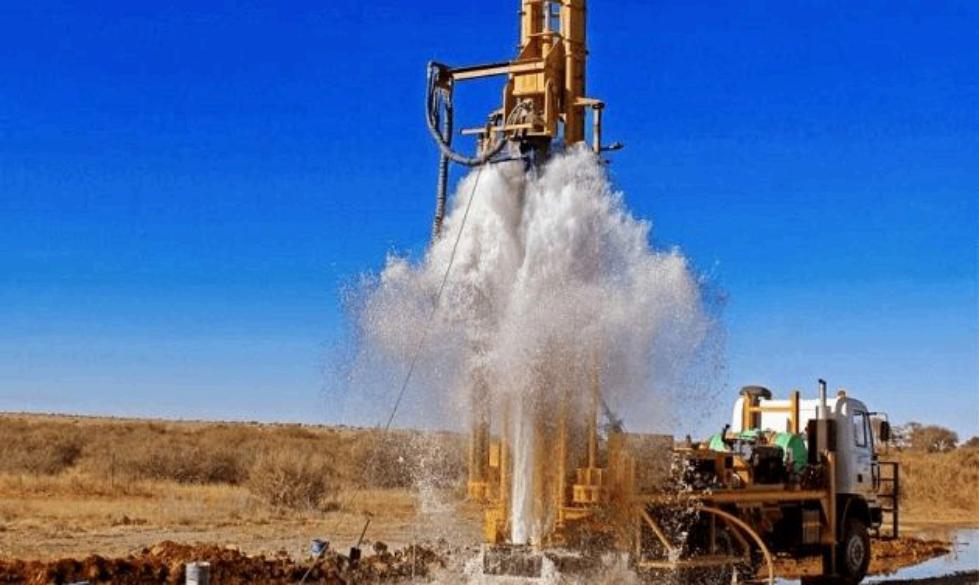
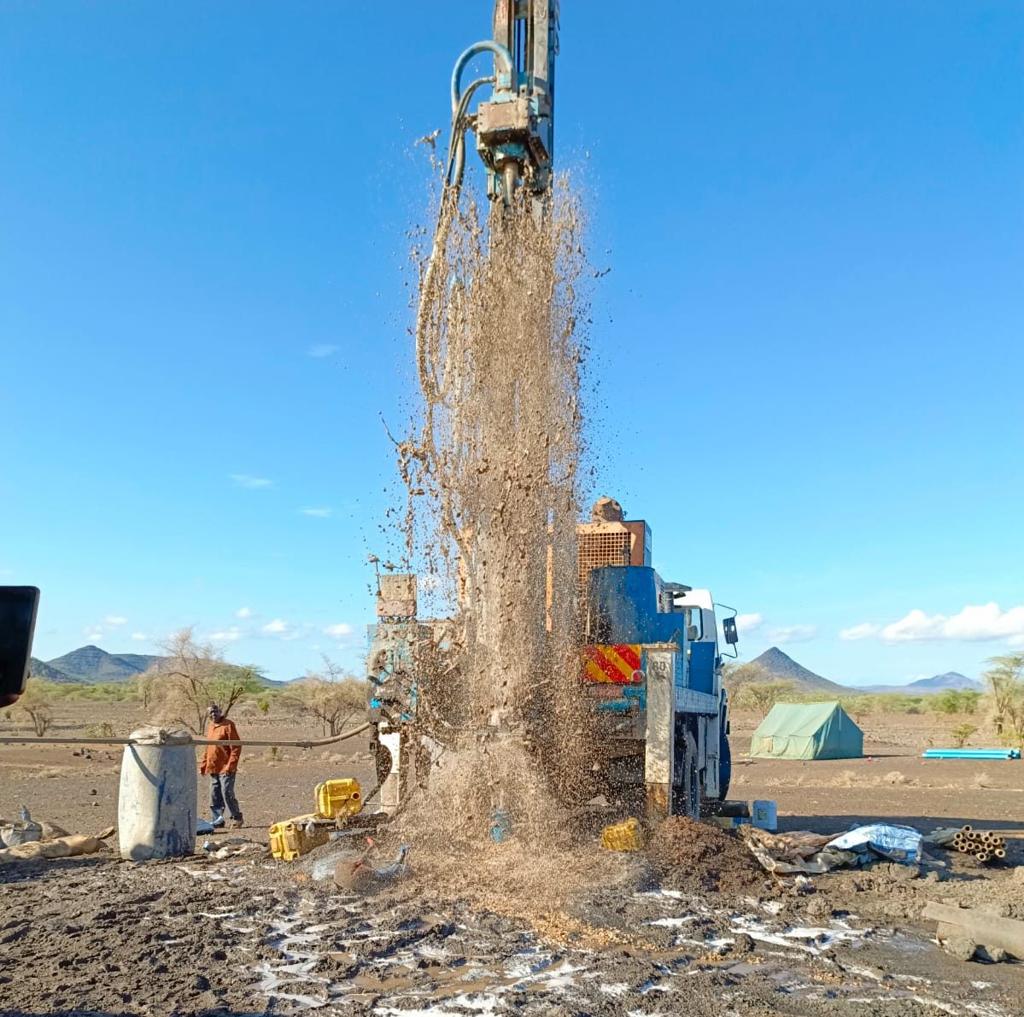
Description: Looking for borehole drilling in Elgeyo Marakwet County? GossTech Kenya Technologies provides hydrogeological surveys, geophysical surveys, borehole drilling, pump installation, solar pumping, water storage, testing, treatment and borehole maintenance in Iten, Kapsowar, Chepkorio, Kerio Valley and across Kenya.
Professional Borehole Drilling Services in Elgeyo Marakwet County
Water is one of the most important resources for households, agricultural activities, livestock, businesses, schools, healthcare facilities and community development. In Elgeyo Marakwet County, where the landscape ranges from highland areas and steep escarpments to the warmer and drier Kerio Valley, reliable water supply is essential for economic growth and daily life.
GossTech Kenya Technologies offers borehole drilling services in Elgeyo Marakwet County, including hydrogeological surveys, geophysical surveys, borehole drilling, casing installation, borehole development, pumping tests, submersible pump installation, solar pumping systems, water storage, water quality testing, treatment, borehole repair and rehabilitation.
Whether you are planning a borehole for a home in Iten, a farm in Chepkorio, a school in Kapsowar, a livestock project in Kerio Valley, a commercial property in Tambach or a community water project in Marakwet East, professional groundwater investigation and borehole planning are important.
Our borehole services are available throughout Elgeyo Marakwet County, Nairobi and Across Kenya.
Elgeyo Marakwet County has four sub-counties—Keiyo North, Keiyo South, Marakwet West and Marakwet East—and 20 electoral wards. The county’s distinct highland, escarpment and valley environments mean that groundwater conditions and water-supply requirements can vary substantially across the county.
elgeyomarakwet.go.ke+1
1. Borehole Drilling in Iten and Keiyo North
Iten is an important urban and administrative centre in Elgeyo Marakwet County. Its surrounding areas include residential properties, farms, institutions, businesses, sporting facilities, commercial establishments and rural communities.
Borehole drilling in Iten and neighbouring areas may help property owners develop independent or supplementary water supplies where appropriate.
Our services cover areas including:
Iten town
Tambach
Kamariny
Emsoo
Kapchemutwa
Chepkorio
Kaptagat vicinity
Kessup
Kipkabus vicinity
Kipsaos
Kapchorwa
Rural settlements around Iten
Agricultural properties
Residential developments
Institutional properties
Borehole drilling in Iten town
Residential and commercial properties in Iten may require water for:
Domestic consumption
Cooking
Cleaning
Laundry
Toilets
Landscaping
Gardens
Businesses
Hotels
Rental properties
Schools
Healthcare facilities
A borehole project in Iten should be planned according to the property’s geology, groundwater conditions, intended water use and available space.
Boreholes for highland farms
Agricultural properties around Iten and Keiyo North may require water for:
Dairy farming
Livestock
Vegetable production
Greenhouses
Farm households
Irrigation
Agricultural processing
The correct borehole location should be identified through appropriate investigation rather than selecting a drilling location based solely on nearby water sources.
2. Borehole Drilling Across Keiyo North Sub-County
Keiyo North includes highland communities, settlements, farms, trading centres and residential properties. Borehole projects in the area require consideration of local terrain, geological formations, groundwater recharge and the intended use of water.
GossTech Kenya Technologies provides borehole drilling services throughout Keiyo North, including:
Iten
Tambach
Emsoo
Kamariny
Kapchemutwa
Kessup
Kapkenda
Chepkorio vicinity
Rural areas surrounding Iten
Agricultural settlements
Residential developments
Schools and institutions
Keiyo North wards
Emsoo
Tambach
Kamariny
Kapchemutwa
Borehole drilling in Tambach
Tambach and its surrounding communities may require groundwater infrastructure for domestic supply, livestock, farming, businesses and institutions.
Boreholes may be considered for:
Private homes
Farms
Schools
Churches
Health facilities
Hotels
Commercial buildings
Livestock projects
Site assessment is important because the geological conditions and water availability can differ between locations.
Boreholes in Kamariny
Kamariny and surrounding settlements have agricultural and residential water requirements.
A borehole may support:
Domestic water
Dairy operations
Irrigation
Livestock
Greenhouse projects
Farm workers’ accommodation
Commercial activities
Where solar pumping is considered, the borehole yield and required water volume should be matched with the pumping system and storage capacity.
3. Borehole Drilling in Keiyo South Sub-County
Keiyo South is one of the important agricultural and settlement areas of Elgeyo Marakwet County. The sub-county includes highland, escarpment and areas transitioning toward the Kerio Valley environment.
Our services cover:
Chepkorio
Kaptarakwa
Metkei
Soy North
Soy South
Kapkenda
Biretwo
Kabiemit
Kapsaos
Kamariny vicinity
Rural farms
Agricultural settlements
Commercial properties
Institutional developments
Keiyo South wards
Kapkatarakwa
Kabiemit
Chepkorio
Metkei
Soy South
Soy North
Borehole drilling in Chepkorio
Chepkorio and its surrounding agricultural settlements may require water for residential use, farms, livestock, horticulture, institutions and commercial operations.
Borehole water systems can be planned for:
Household water supply
Dairy farming
Irrigation
Greenhouse farming
Poultry
Livestock watering
Schools
Commercial buildings
A borehole project should incorporate an assessment of groundwater conditions, water demand, storage requirements and pumping equipment.
Boreholes in Soy North and Soy South
Soy North and Soy South contain communities with agricultural and domestic water requirements.
Water infrastructure in these areas includes borehole drilling, solarisation, storage and distribution initiatives. County development information has documented borehole and solar water projects in Soy North, including the Kotito area, while other projects in the county involve borehole development and solar pumping.
Elgeyo Marakwet County+2
A properly designed borehole can be considered for:
Farm irrigation
Livestock
Domestic water
Agricultural processing
Community supply
Schools
Healthcare facilities
Commercial enterprises
Borehole drilling in Metkei
Metkei and surrounding areas may require water for agricultural production, households, livestock and institutions.
Borehole development should be preceded by appropriate groundwater investigation to assess whether the proposed location is suitable.
4. Borehole Drilling in Marakwet West Sub-County
Marakwet West includes highland settlements, escarpment areas, agricultural communities, trading centres and rural locations. Water needs differ depending on elevation, terrain, rainfall, settlement patterns and available water infrastructure.
We provide borehole drilling services in:
Kapsowar
Lelan
Arror
Moiben/Kuserwo
Cherangany/Chebororwa
Sengwer
Chesongoch
Cheptong
Kapcherop vicinity
Kapsowar town
Rural settlements
Farms
Schools
Commercial properties
Community projects
Marakwet West wards
Sengwer
Lelan
Cherangany/Chebororwa
Arror
Kapsowar
Moiben/Kuserwo
Borehole drilling in Kapsowar
Kapsowar is an important centre within Marakwet West and has residential, commercial, institutional and agricultural water requirements.
Boreholes may be considered for:
Residential homes
Schools
Hospitals and healthcare facilities
Hotels
Farms
Livestock
Commercial businesses
Community water systems
The intended borehole yield should be evaluated against the water requirements of the proposed property.
Borehole drilling in Lelan
Lelan and surrounding highland communities may require water for farms, domestic supply, livestock and institutions.
Borehole projects in Lelan should consider:
Terrain
Access for drilling machinery
Geological formations
Groundwater recharge
Existing water sources
Pumping requirements
Storage capacity
Pipeline distribution
Borehole drilling in Arror
Arror and neighbouring areas have water needs associated with homes, farming, livestock, schools and community development.
Where borehole drilling is proposed, groundwater investigation is important because terrain and underground formations may influence drilling conditions.
Borehole drilling in Moiben/Kuserwo
Moiben/Kuserwo contains rural and agricultural communities that may require supplementary water sources.
A borehole can potentially support:
Domestic supply
Irrigation
Livestock
Farm operations
Institutional supply
Community water systems
The project should be planned around the intended use, available groundwater and the infrastructure required to deliver water reliably.
5. Borehole Drilling in Marakwet East Sub-County
Marakwet East includes communities around the escarpment and Kerio Valley environment. Parts of the area experience significant water supply challenges, making groundwater development, storage, solar pumping and water distribution important components of water infrastructure planning.
Our services cover:
Kapyego
Endo
Sambirir
Embobut/Embolot
Tot
Chesongoch
Sondeo
Kiptumbur
Koisabul
Kerio Valley settlements
Rural villages
Agricultural properties
Livestock farms
Schools
Community projects
Marakwet East wards
Kapyego
Endo
Sambirir
Embobut/Embolot
Borehole drilling in Kapyego
Kapyego and surrounding communities may require water for households, livestock, agriculture, schools and community supply systems.
Borehole projects can be designed with:
Borehole drilling
Casing
Development
Pumping tests
Submersible pumps
Solar pumping
Water tanks
Pipelines
Water treatment
Boreholes in Endo
Endo contains rural communities and agricultural areas where water infrastructure may support domestic consumption, livestock and productive activities.
Groundwater investigations should consider the site’s geological conditions and possible groundwater-bearing structures.
Borehole drilling in Sambirir
Sambirir and neighbouring communities may benefit from borehole projects where groundwater conditions are suitable.
A complete water system may include borehole drilling, solar pumping, storage tanks and distribution pipelines.
Borehole drilling in Embobut/Embolot
The Embobut/Embolot area includes communities, farms, settlements and institutions that may require water infrastructure.
Site investigation and access planning are particularly important when working in locations with steep terrain or difficult road access.
6. Groundwater Conditions and Borehole Drilling Challenges in Elgeyo Marakwet
Elgeyo Marakwet County is geographically distinctive because it contains highland areas, the escarpment and the Kerio Valley. These environments can have significantly different groundwater characteristics.
The county’s terrain and ecological zones influence settlement patterns, agriculture, water infrastructure and the type of water supply systems needed in different locations.
Maarifa Centre+1
Highland areas
Highland areas may have different groundwater conditions from the valley floor and escarpment.
Groundwater investigations may consider:
Geological formations
Weathered zones
Fractures
Underground structures
Groundwater recharge
Local springs
Drainage
Existing wells and boreholes
Elevation
Properties around Iten, Tambach, Kamariny, Chepkorio and surrounding highland settlements require site-specific investigation.
Escarpment areas
The escarpment presents distinctive terrain and geological conditions.
Borehole drilling projects may need to consider:
Steep slopes
Access challenges
Geological structures
Fractured rock
Weathered formations
Landslide-prone areas
Equipment positioning
Safe drilling operations
Pipeline routing
A borehole site should be selected carefully to ensure machinery can reach the property and operate safely.
Kerio Valley
Kerio Valley experiences different environmental and water-supply conditions compared with some highland areas.
Groundwater exploration in the valley may involve investigating geological formations, potential aquifers, water quality and sustainable abstraction.
County water projects and borehole developments have been undertaken in the valley to address water shortages and improve domestic, livestock and agricultural water access.
asalrd.go.ke+2
Why groundwater conditions vary
Groundwater occurrence can be influenced by:
Rock type
Geological structures
Fractures
Weathered zones
Aquifer characteristics
Recharge
Local topography
Groundwater depth
Seasonal changes
Existing abstraction
A borehole drilled in one village does not necessarily have the same depth or yield as a borehole in a nearby village.
Important groundwater considerations
Some documented hydrogeological investigations in Elgeyo Marakwet have identified locations with relatively low groundwater potential and recommended deeper investigation and carefully selected drilling locations. One site-specific investigation in the county recommended drilling to approximately 220 metres, while neighbouring borehole yields were reported to vary. These findings are specific to that investigation and should not be treated as a standard depth for the entire county.
kelcop.or.ke
This is why professional hydrogeological and geophysical investigations are important before drilling.
7. Hydrogeological Survey Services in Elgeyo Marakwet
A hydrogeological survey is an important stage of borehole development.
GossTech Kenya Technologies helps clients assess proposed borehole locations before investing in drilling.
What a hydrogeological survey investigates
A survey may evaluate:
Geological formations
Groundwater occurrence
Local topography
Drainage patterns
Existing water sources
Nearby boreholes
Potential groundwater recharge
Groundwater contamination risks
Proposed water demand
Suitable drilling locations
Site accessibility
Survey for residential properties
For homes in Iten, Kapsowar, Chepkorio, Tambach, Kapyego and other settlements, surveys can help identify a suitable drilling location.
The proposed location should consider:
Buildings
Septic tanks
Sewer systems
Property boundaries
Underground cables
Water storage
Access for drilling machinery
Future construction
Survey for farms
Agricultural properties may require assessment of multiple possible borehole locations.
The survey can help guide decisions regarding:
Borehole location
Irrigation water supply
Livestock water
Farm storage
Pump installation
Solar pumping
Pipeline routing
Survey for community projects
Community water projects may require larger water systems.
The assessment may consider:
Population
Daily water demand
Community facilities
Livestock
Storage
Distribution networks
Water kiosks
Pumping requirements
A hydrogeological survey improves planning but does not guarantee water or a particular borehole yield.
8. Geophysical Survey Before Borehole Drilling
Geophysical surveys help investigate subsurface conditions and identify potential groundwater exploration targets.
Depending on the site and geology, appropriate geophysical techniques can help evaluate underground formations and possible groundwater-bearing structures.
Why geophysical surveys are important
They help:
Investigate subsurface formations
Identify possible fractures
Assess weathered zones
Investigate geological structures
Identify potential groundwater-bearing zones
Guide proposed drilling locations
Reduce reliance on guesswork
Geophysical investigations in the highlands
In highland locations, investigations may assess the relationship between geology, weathering, fractures and groundwater occurrence.
Geophysical investigations in the escarpment
Escarpment properties require consideration of terrain, geological structures, fractured formations and access.
Geophysical investigations in Kerio Valley
In the valley, groundwater exploration may require careful consideration of local geology, aquifer conditions, groundwater quality and the suitability of the proposed borehole location.
The survey findings should be interpreted professionally and used to guide drilling decisions.
9. Professional Borehole Drilling Process
GossTech Kenya Technologies provides borehole development solutions through a planned process.
Step 1: Site assessment
We assess the property to understand the project requirements.
The assessment considers:
Property location
Intended water use
Site accessibility
Proposed drilling location
Existing structures
Underground utilities
Septic systems
Drainage
Nearby water sources
Storage requirements
Pumping requirements
Step 2: Hydrogeological assessment
The geological and groundwater conditions of the proposed location are evaluated.
The assessment helps establish the proposed drilling strategy.
Step 3: Geophysical survey
Where required, geophysical investigations are carried out to assist with identifying suitable drilling locations.
Step 4: Planning and regulatory compliance
The project is planned according to applicable technical, water-resource and environmental requirements.
Step 5: Mobilisation
Drilling equipment, personnel and materials are transported to the site.
Mobilisation costs depend on location, accessibility, equipment requirements and distance.
Step 6: Borehole drilling
Drilling begins at the selected location.
The borehole is drilled according to the proposed design and actual geological conditions encountered.
Step 7: Casing installation
Casing is installed to support and protect the borehole.
The casing design depends on:
Borehole diameter
Geological formations
Depth
Borehole design
Groundwater conditions
Technical specifications
Step 8: Screen installation
Screen casing is installed in appropriate sections where required to allow groundwater entry while helping manage formation materials.
Step 9: Gravel packing and sealing
Depending on the borehole design, gravel packing and sealing may be carried out to support the borehole construction and protect the groundwater source.
Step 10: Borehole development
The borehole is developed to remove drilling-related materials and improve the borehole’s performance.
Development methods may include airlifting, pumping and other appropriate techniques.
Step 11: Pumping test
A pumping test helps evaluate borehole performance.
The test may provide information regarding:
Water levels
Drawdown
Pumping rate
Recovery
Borehole performance
Step 12: Water quality testing
Water is tested according to the intended use and relevant requirements.
Step 13: Pump installation
An appropriate pump is selected based on the borehole characteristics and required water delivery.
Step 14: Storage and distribution
The borehole is connected to water storage and distribution infrastructure.
Step 15: Commissioning
The complete water system is inspected and tested before being placed into operation.
10. Borehole Drilling for Homes in Elgeyo Marakwet
Homeowners throughout Elgeyo Marakwet may require dependable water supply for everyday domestic activities.
A residential borehole can potentially serve:
Drinking water after appropriate testing and treatment
Cooking
Bathing
Laundry
Toilets
House cleaning
Gardening
Landscaping
Livestock
Car washing
Domestic water storage
Residential boreholes in Iten
Homeowners in Iten and surrounding areas may consider boreholes where water demand exceeds the available supply or where independent water supply is desirable.
Boreholes for rural homes
Rural properties may require boreholes to provide water for households and nearby activities.
A rural borehole system may include:
Borehole
Submersible pump
Solar system or electricity
Storage tank
Tank stand
Pipeline
Water treatment
Boreholes for rental properties
Rental developments require dependable water supply for tenants.
The borehole system should consider:
Number of tenants
Daily consumption
Storage capacity
Pumping schedule
Water pressure
Distribution
Maintenance
Backup supply
11. Borehole Drilling for Agriculture
Agriculture is an important economic activity in Elgeyo Marakwet County.
The county contains diverse agricultural environments, from highland farming areas to the escarpment and the Kerio Valley. These areas support different farming activities, including dairy farming, crop production, horticulture and livestock keeping.
Maarifa Centre
Borehole water may support agricultural activities where water availability and quality are suitable.
Irrigation boreholes
Boreholes may support:
Vegetables
Tomatoes
Onions
Cabbages
Potatoes
Greenhouses
Horticulture
Fruit production
Nursery operations
Seed production
Irrigation farming
Irrigation system planning
The water system should be designed according to:
Farm size
Crop requirements
Soil characteristics
Irrigation method
Water quality
Borehole yield
Storage
Pumping schedule
Possible irrigation systems include:
Drip irrigation
Sprinkler irrigation
Micro-irrigation
Surface irrigation where appropriate
Greenhouse farming
Greenhouse projects may require water for:
Drip irrigation
Fertigation
Cleaning
Nursery operations
Crop management
A borehole system should be designed according to the greenhouse’s crop production and daily water requirements.
Dairy farming
Dairy farms may require water for:
Livestock drinking
Milking operations
Cleaning
Milk handling
Farm sanitation
Workers’ facilities
Dairy processing
Reliable water supply is important for farm operations and livestock welfare.
Livestock boreholes
Boreholes may supply water for:
Cattle
Goats
Sheep
Poultry
Other livestock
A livestock borehole project may include:
Borehole
Submersible pump
Solar pumping
Storage tanks
Water troughs
Pipeline distribution
Water demand should be calculated according to livestock numbers and the expected operating conditions.
12. Borehole Drilling for Commercial Properties
Commercial businesses in Elgeyo Marakwet may require water for daily operations, customers, employees, cleaning, sanitation and production.
GossTech Kenya Technologies provides borehole-related solutions for:
Hotels
Lodges
Restaurants
Schools
Hospitals
Clinics
Offices
Shopping centres
Apartments
Factories
Warehouses
Car washes
Construction sites
Commercial farms
Institutions
Residential developments
Boreholes for hotels and lodges
Hotels and accommodation facilities may use water for:
Guest bathrooms
Kitchens
Laundry
Cleaning
Landscaping
Swimming pools
Staff facilities
A borehole system should be designed around occupancy and expected daily consumption.
Boreholes for car washes
Car washes require water for vehicle cleaning and associated operations.
A borehole system may include:
Borehole
Pump
Storage
Pressure equipment
Filtration
Pipeline distribution
Water recycling, where applicable
Water recycling systems can be incorporated into the design where appropriate.
Boreholes for construction projects
Construction projects may require water for:
Concrete works
Masonry
Dust control
Cleaning
Worker sanitation
General construction operations
Temporary or permanent boreholes may be considered depending on project duration, requirements and groundwater conditions.
13. Boreholes for Schools, Hospitals and Institutions
Institutions require water for daily operations and sanitation.
We provide borehole drilling solutions for:
Primary schools
Secondary schools
Colleges
Universities
Training centres
Hospitals
Clinics
Churches
Children’s homes
Community institutions
Government facilities
Rehabilitation centres
Institutional water demand may include:
Drinking
Handwashing
Toilets
Kitchens
Cleaning
Laundry
Laboratories
Gardens
Staff accommodation
School borehole projects
School borehole systems should be designed according to:
Student population
Staff population
Daily water consumption
Kitchen requirements
Sanitation
Storage
Borehole yield
Pumping requirements
Healthcare boreholes
Healthcare facilities require careful consideration of water quality, storage, treatment and reliability.
Depending on the facility, water may be needed for:
Patient care
Cleaning
Sanitation
Laundry
Kitchens
Laboratories
Medical operations
Appropriate water testing and treatment are particularly important for healthcare facilities.
14. Solar-Powered Borehole Pumping in Elgeyo Marakwet
Solar-powered borehole pumping can be a practical solution for farms, homes, institutions and community water projects.
This option may be especially useful in rural locations where electricity infrastructure is limited or where property owners want to reduce dependence on grid power.
Solar borehole systems may include:
Solar panels
Submersible pump
Pump controller
Solar mounting structure
Electrical cables
Protection systems
Storage tanks
Distribution pipelines
Benefits of solar borehole pumping
Reduced dependence on electricity
Solar pumping can operate using energy generated from sunlight.
Suitable for remote locations
Solar systems can be considered for rural farms, livestock operations and community projects.
Water storage integration
Water can be pumped into tanks during suitable solar conditions and stored for use later.
Agricultural applications
Solar pumping can support:
Irrigation
Livestock
Greenhouses
Farm operations
Potential reduction in operational energy costs
Solar pumping may reduce energy expenses depending on the system design, operating requirements and comparison with alternative power sources.
Solar system sizing
A solar system should be designed according to:
Borehole depth
Static water level
Pumping water level
Required pumping rate
Daily water demand
Pump power
Solar availability
Tank capacity
Delivery height
Pipeline losses
An undersized solar system may fail to provide the required daily water volume.
15. Water Storage and Distribution Systems
Borehole storage is important because it allows water to be collected and used according to household, farm, institutional or commercial demand.
A complete water system may include:
Ground-level storage tanks
Elevated water tanks
Steel tanks
Plastic tanks
Concrete tanks
Tank towers
Pressure pumps
Distribution pipelines
Water kiosks
Livestock troughs
Irrigation pipelines
Ground-level storage tanks
Ground-level tanks can be used for residential, agricultural, commercial and institutional applications.
Elevated tanks
Elevated tanks can provide gravity-fed water distribution where appropriate.
Water towers
Large developments and community water projects may require elevated tank structures to improve water distribution and pressure.
Agricultural storage
Farm storage may be needed to balance borehole pumping with irrigation demand.
Community water distribution
Community water projects may require:
Borehole
Solar pumping
Storage tanks
Water kiosks
Pipeline networks
Household connections
Livestock watering points
Storage capacity should be calculated according to the project’s water demand, pumping rate and operational requirements.
16. Borehole Water Testing and Treatment
Borehole water should not automatically be assumed safe for drinking because it is groundwater.
Water quality can vary significantly between locations and individual boreholes.
Water testing
Testing may include:
| Parameter | Importance |
|---|---|
| pH | Indicates acidity or alkalinity |
| Turbidity | Measures cloudiness |
| Electrical conductivity | Indicates dissolved ionic content |
| Total dissolved solids | Indicates dissolved substances |
| Hardness | Assesses calcium and magnesium |
| Iron | May cause staining and metallic taste |
| Manganese | May affect water quality and cause staining |
| Nitrates | Important for drinking-water safety |
| Fluoride | Important where relevant |
| Microbiological tests | Assess contamination risks |
Testing should be carried out according to the intended use and relevant water quality standards.
Water treatment options
Depending on laboratory results, treatment may involve:
Sediment filtration
Sand filtration
Activated carbon
Iron removal
Manganese removal
Water softening
Reverse osmosis
Ultraviolet treatment
Chlorination
Specialised filtration
A treatment system should be selected according to actual water test results rather than installing equipment without knowing the water quality.
17. Borehole Repair, Rehabilitation and Maintenance
GossTech Kenya Technologies also provides borehole maintenance and repair solutions.
Boreholes may experience problems after years of use due to mechanical failure, electrical problems, sediment, reduced groundwater availability or other technical issues.
Common borehole problems
Reduced water production
Possible causes include:
Pump malfunction
Screen blockage
Sediment accumulation
Changes in groundwater conditions
Excessive pumping
Borehole deterioration
Pump failure
A submersible pump may fail due to:
Electrical faults
Mechanical wear
Sand
Dry running
Incorrect pump sizing
Voltage problems
Excessive operating cycles
Pump not starting
Possible causes include:
Power failure
Electrical cable problems
Controller failure
Motor damage
Protection system activation
Sand production
Sand may indicate problems with borehole construction, formation conditions, screen integrity, development or pumping operation.
Low pressure
Low pressure may be associated with:
Pump problems
Pipeline leaks
Blocked filters
Insufficient storage
Incorrect pump selection
Undersized pipelines
Borehole rehabilitation
Depending on the borehole’s condition, rehabilitation may include:
Borehole inspection
Pump removal
Cleaning
Borehole development
Sediment removal
Pump replacement
Electrical repairs
Pipe replacement
Improvement of borehole headworks
The appropriate repair method should be determined after assessing the actual condition of the borehole.
18. Borehole Drilling Costs in Elgeyo Marakwet County
The cost of borehole drilling in Elgeyo Marakwet depends on the location, geological conditions, drilling depth, access, casing requirements, pump installation and water infrastructure.
Properties in highland, escarpment and valley areas may have different drilling and mobilisation requirements.
The following figures are indicative planning estimates, not fixed quotations.
| Service/component | Indicative cost (KSh) |
|---|---|
| Hydrogeological survey | 40,000–100,000 |
| Geophysical survey | 35,000–100,000 |
| Permits and approvals | 30,000–150,000+ |
| Mobilisation | 50,000–200,000+ |
| Borehole drilling per metre | 6,000–12,000+ |
| Plain casing per metre | 2,500–6,000+ |
| Screen casing per metre | 3,000–7,000+ |
| Gravel packing | 20,000–100,000+ |
| Borehole development | 30,000–100,000+ |
| Pumping test | 30,000–100,000+ |
| Water quality testing | 15,000–50,000+ |
| Submersible pump | 50,000–300,000+ |
| Pump installation | 30,000–100,000+ |
| Electrical installation | 30,000–150,000+ |
| Solar pumping system | 150,000–800,000+ |
| Water storage tanks | 20,000–300,000+ |
| Tank tower/structure | 50,000–500,000+ |
| Pipeline installation | Depends on distance and specifications |
| Water treatment system | Depends on water quality and system |
Estimated complete borehole project budgets
| Project type | Indicative budget |
|---|---|
| Basic residential borehole | KSh 1.2M–2.0M+ |
| Residential borehole with storage | KSh 1.5M–2.8M+ |
| Residential borehole with solar | KSh 2.0M–4.5M+ |
| Commercial borehole | KSh 2.5M–4.5M+ |
| Institutional borehole | KSh 2.5M–4.5M+ |
| Agricultural borehole | Project-specific |
| Community borehole system | Project-specific |
Why borehole prices differ in Elgeyo Marakwet
The final cost may be affected by:
Site location
Terrain
Access for drilling machinery
Mobilisation distance
Geological formations
Drilling depth
Borehole diameter
Casing requirements
Screen casing
Gravel packing
Borehole development
Pumping tests
Pump specifications
Solar system size
Water storage
Pipeline distance
Water treatment
Regulatory requirements
For a property in Iten, Kapsowar, Chepkorio, Tambach, Kapyego, Kerio Valley or another location, an accurate quotation should be based on the proposed site and project requirements.
19. Borehole Permits and Regulatory Requirements
Borehole drilling in Kenya should comply with applicable water-resource, environmental and technical requirements.
Depending on the project, the owner may need to address:
Water-resource authorization
Borehole drilling permits
Hydrogeological reports
Water resource permits
Environmental considerations
Groundwater abstraction requirements
Borehole completion documentation
Pumping tests
Water quality testing
Intended water-use requirements
Applicable requirements should be confirmed before drilling begins.
The Elgeyo Marakwet County water-sector framework also addresses borehole site identification and drilling oversight, reflecting the importance of following relevant approvals and requirements.
elgeyomarakwet.go.ke
For commercial, institutional, agricultural and community projects, additional requirements may apply depending on the project’s scale and intended use.
20. Frequently Asked Questions About Borehole Drilling in Elgeyo Marakwet
How much does borehole drilling cost in Elgeyo Marakwet?
The cost depends on drilling depth, geology, casing, mobilisation, pump installation, solar pumping, storage and other requirements. A complete project may cost approximately KSh 1.2 million to KSh 4.5 million or more depending on the specifications.
How deep should a borehole be in Iten?
There is no universal depth for Iten or Elgeyo Marakwet County. Borehole depth depends on the geological formations and groundwater conditions at the specific property.
Can I drill a borehole in Kerio Valley?
Borehole drilling may be considered in Kerio Valley where groundwater conditions and site suitability support the project. Proper groundwater investigation is important before drilling.
Can a borehole supply water to a farm?
Yes, a borehole may support irrigation, livestock, dairy farming, greenhouse production and other agricultural activities, subject to the available groundwater and appropriate water use.
Is a hydrogeological survey necessary?
A hydrogeological survey is an important part of groundwater exploration. It helps assess the site and guide drilling decisions, but it cannot guarantee water or a particular yield.
Can I use solar power to pump borehole water?
Yes. Solar pumping may be suitable for homes, farms, livestock projects, institutions and community water systems.
Is borehole water safe to drink?
Not automatically. Borehole water should be tested before drinking or cooking. Treatment may be required depending on the test results.
Can an existing borehole be repaired?
Yes. Depending on the problem, borehole repair or rehabilitation may involve cleaning, development, pump replacement, electrical repairs or other interventions.
Do you drill boreholes in remote areas of Elgeyo Marakwet?
Yes. We provide borehole services in rural communities, farms, trading centres, institutions and other areas throughout the county, subject to site accessibility and project requirements.
Do you provide borehole drilling outside Elgeyo Marakwet?
Yes. Our service coverage includes Nairobi and Across Kenya.
21. Contact GossTech Kenya Technologies for Borehole Drilling in Elgeyo Marakwet
Are you planning to drill a borehole in Iten, Tambach, Chepkorio, Kapsowar, Kapyego, Arror, Lelan, Endo, Sambirir, Kerio Valley or any other part of Elgeyo Marakwet County?
Contact GossTech Kenya Technologies for professional borehole drilling and water-system solutions.
We can assist with:
Hydrogeological surveys
Geophysical surveys
Borehole site selection
Borehole drilling
Borehole casing
Borehole development
Pumping tests
Submersible pump installation
Solar borehole pumping
Water storage
Water distribution
Water testing
Water treatment
Borehole repair
Borehole rehabilitation
Water system maintenance
GossTech Kenya Technologies
📞 Phone: 0723613664
📧 Email: info@gosstech.co.ke
🌐 Website: www.gosstech.co.ke
Service coverage: Elgeyo Marakwet County, Nairobi and Across Kenya.
Whether you need a borehole for a home, farm, livestock, apartment development, hotel, school, institution, commercial property or community project, contact us to discuss your water requirements.
Reliable water starts with proper groundwater investigation, professional drilling and a well-designed water system.