
Borehole Drilling in Tharaka-Nithi County, Kenya – GossTech Kenya Technologies
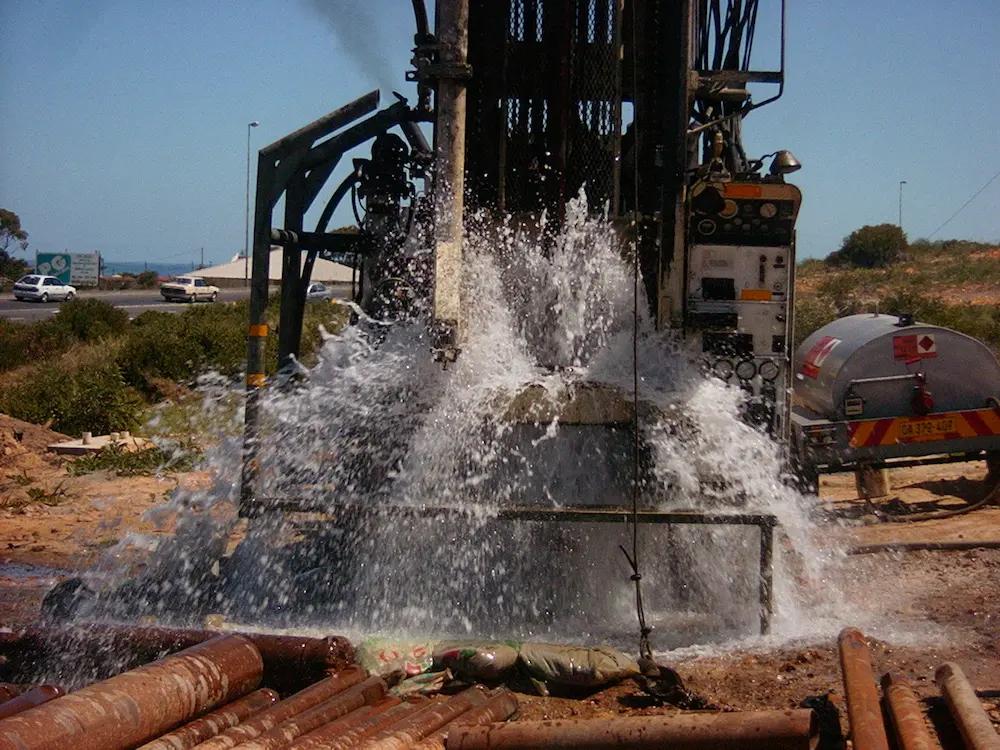
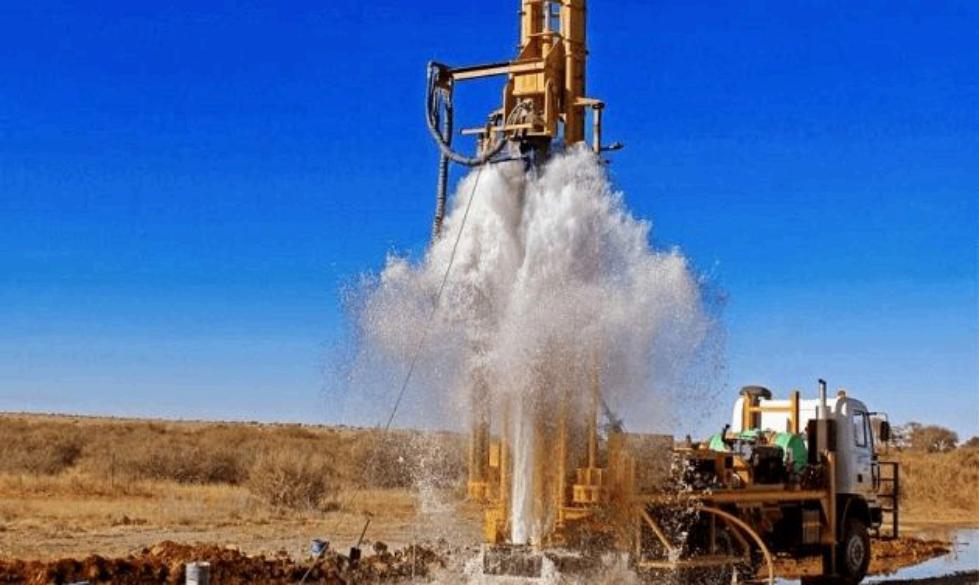
Description: Professional borehole drilling in Tharaka-Nithi County. Groundwater surveys, borehole drilling, casing, pumping tests, water testing, solar pumps and complete water solutions in Chuka, Kathwana, Marimanti, Chogoria, Chiakariga, Tharaka, Maara, Muthambi and across Kenya.
Professional Borehole Drilling Services in Tharaka-Nithi County
Reliable water supply is essential for households, farms, livestock, businesses, schools, hospitals, hotels, institutions and communities throughout Tharaka-Nithi County. While some areas benefit from rivers, springs, dams, sand dams and piped water systems, many residents and property owners continue to experience challenges accessing sufficient water throughout the year.
GossTech Kenya Technologies provides professional borehole drilling services in Tharaka-Nithi County, helping property owners, farmers, institutions and communities develop dependable groundwater supply systems.
Our services include groundwater surveys, hydrogeological investigations, geophysical surveys, borehole siting, drilling, casing installation, borehole development, pumping tests, water quality testing, submersible pump installation, solar water pumping, storage tanks, water distribution and borehole maintenance.
We serve Chuka, Kathwana, Marimanti, Chogoria, Chiakariga, Magutuni, Gatunga, Mukothima, Tunyai, Ndagani, Mitheru, Muthambi, Mwimbi, Igambang’ombe, Tharaka North, Tharaka South, Maara and surrounding communities.
Whether you are planning a borehole for a home, agricultural farm, dairy operation, commercial property, school, church, hospital, hotel, community water project or industrial facility, GossTech Kenya Technologies can help you plan a complete water supply solution.
Our services are available in Tharaka-Nithi County, Nairobi and Across Kenya.
Why Borehole Drilling Is Important in Tharaka-Nithi County
Tharaka-Nithi County has diverse climatic, geographical and agricultural conditions. Areas around Chuka, Maara, Mwimbi and Chogoria experience different conditions from the drier areas of Tharaka North, Tharaka South and the eastern parts of the county.
Water demand continues to increase due to:
Population growth
Expansion of residential settlements
Agricultural development
Livestock farming
Irrigation
Commercial businesses
Educational institutions
Healthcare facilities
Hotels and tourism
Industrial activities
Community water projects
County planning documents describe the importance of water sources including rivers, wells, springs, dams and boreholes. Some households, particularly in more remote and drier areas, may travel significant distances to access water.
tharakanithi.go.ke+1
A properly planned borehole can provide an additional water source and improve water security for properties where existing supplies are insufficient.
Borehole Drilling in Chuka
Chuka is one of the major urban centres in Tharaka-Nithi County and serves residential, commercial, institutional and agricultural communities.
Borehole drilling services in Chuka may be required for:
Private homes
Apartments
Rental properties
Commercial buildings
Hotels
Restaurants
Schools
Hospitals
Churches
Agricultural farms
Construction sites
Residential boreholes in Chuka
Homeowners may consider drilling a borehole where piped water supply is unreliable, insufficient or expensive.
A residential borehole may provide water for:
Cooking
Drinking after suitable treatment
Bathing
Laundry
Cleaning
Gardening
Landscaping
Livestock
Water storage
A complete residential borehole project can include groundwater assessment, drilling, casing, development, pumping tests, pump installation, water testing and storage.
Boreholes for apartments in Chuka
Apartment buildings have higher water demand than individual homes.
The borehole system may require:
Higher-capacity pumps
Larger storage tanks
Elevated tank structures
Pressure booster pumps
Automated controls
Distribution piping
Water treatment
Backup power
The design should be based on the number of occupants and the borehole’s tested sustainable yield.
Commercial boreholes in Chuka
Businesses may require groundwater for daily operations.
We provide borehole solutions for:
Hotels
Restaurants
Offices
Shopping centres
Car washes
Warehouses
Construction projects
Commercial farms
The water system must be designed according to the business’s daily and peak water demand.
Borehole Drilling in Kathwana
Kathwana is the county headquarters and an important administrative and commercial centre. Residential development, offices, institutions and businesses create demand for reliable water supply.
Borehole drilling in Kathwana can support:
Residential properties
County offices and institutional facilities
Commercial premises
Rental apartments
Schools
Churches
Hotels
Construction developments
Community water projects
Boreholes for homes in Kathwana
A private borehole can provide water for household use and reduce reliance on other water sources.
Before drilling, the property should be assessed to establish the appropriate borehole location, possible drilling depth, access for machinery and expected water demand.
Boreholes for commercial premises
Commercial premises may need water for sanitation, cleaning, kitchens, customers, employees and daily business operations.
A commercial borehole system may include a submersible pump, storage tanks, pressure systems, water treatment and distribution piping.
Water storage in Kathwana
Storage tanks are important because they allow the borehole to pump water when conditions are suitable while ensuring that water remains available during periods of high demand.
The tank size should be determined by daily consumption and borehole yield.
Borehole Drilling in Chogoria
Chogoria is an important settlement and agricultural area in Maara, with residential, commercial, educational and farming activities.
Borehole drilling in Chogoria may be considered for:
Residential homes
Commercial properties
Farms
Greenhouses
Schools
Hospitals
Churches
Hotels
Agricultural institutions
Community water supply
Boreholes for agricultural land in Chogoria
Agricultural water supply is important for farms requiring water during dry periods.
Boreholes may support:
Vegetable production
Horticulture
Greenhouse farming
Dairy farming
Livestock
Fruit trees
Farm homes
Agricultural processing
The irrigation design should be based on the borehole’s tested yield.
Boreholes for institutions
Institutions in Chogoria may require dependable water for students, staff, patients, kitchens, sanitation, cleaning and other operations.
A borehole can be integrated with storage tanks, pumping systems and water treatment where necessary.
Borehole Drilling in Maara
Maara includes residential, agricultural and institutional areas where groundwater may be considered as an alternative or supplementary water source.
We provide borehole drilling services in Maara and surrounding areas including:
Chogoria
Mitheru
Mariani-side communities
Muthambi-side communities
Rural settlements
Agricultural areas
Residential boreholes in Maara
A residential borehole may be designed to provide water for:
Homes
Compounds
Rental properties
Residential developments
Gardens
Domestic storage
The system may include a borehole pump, storage tank, water distribution system and treatment equipment.
Boreholes for Maara farms
Farmers may require groundwater for crop production and livestock.
A properly planned agricultural borehole can support:
Irrigation
Greenhouses
Vegetable farming
Fruit production
Dairy farms
Livestock watering
Before planning irrigation, it is essential to determine whether the borehole’s sustainable yield can support the proposed farming operation.
Borehole Drilling in Muthambi
Muthambi and surrounding communities have residential, agricultural and community water requirements.
Borehole drilling may support:
Private homes
Farms
Livestock
Schools
Churches
Community projects
Commercial premises
Water projects in the wider Muthambi area have included distribution and connections aimed at improving access to water for households, demonstrating the importance of water infrastructure in the region.
climatefinanceken.go.ke+1
Boreholes for homes and rural properties
Rural property owners may require water for household activities, farming, livestock and storage.
The borehole location should be assessed before drilling to determine suitable groundwater targets and avoid unnecessary risks.
Boreholes for agriculture
Agricultural boreholes can supplement rainfall and other water sources.
The water supply system may incorporate:
Borehole drilling
Submersible pump
Solar panels
Water storage
Drip irrigation
Filters
Distribution pipelines
Borehole Drilling in Mwimbi
Mwimbi and surrounding settlements contain agricultural and residential communities requiring water for domestic and farming purposes.
Borehole drilling services may be required for:
Homes
Farms
Livestock
Schools
Churches
Commercial properties
Community water systems
Agricultural boreholes in Mwimbi
Agriculture can benefit from supplementary water during periods when rainfall is insufficient.
Farmers may use boreholes for:
Vegetable farming
Greenhouses
Fruit trees
Dairy farming
Livestock
Farm operations
The borehole must be evaluated before determining how much water can safely be pumped for irrigation.
Boreholes for schools and institutions
Institutional water systems can be designed according to the number of users and daily consumption.
A school borehole may supply:
Student drinking water after treatment
Kitchens
Toilets
Handwashing
Cleaning
Gardens
Borehole Drilling in Igambang’ombe
Igambang’ombe is an important area within Tharaka-Nithi County, including agricultural and residential communities.
Borehole drilling may be required in:
Igambang’ombe
Magumoni
Itugururu
Surrounding settlements
Agricultural properties
Community water projects
County water and climate-related development initiatives have included water infrastructure in Igambang’ombe, reflecting the continuing importance of water development in the area.
climatefinanceken.go.ke+1
Boreholes for residential properties
Residents may consider boreholes where they require an independent water source.
A borehole may be designed to supply domestic water, storage tanks, gardens, livestock and other property requirements.
Boreholes for farms
Agricultural boreholes can support:
Irrigation
Livestock
Poultry
Greenhouse farming
Fruit production
Farm homes
Agricultural businesses
Borehole Drilling in Tharaka North
Tharaka North contains communities where water access is a significant concern for households, livestock farmers, institutions and agricultural activities.
The area includes settlements and communities such as:
Tharaka North
Gatunga
Mukothima
Nkondi
Kamarandi
Chiakariga-side communities
Rural villages and homesteads
In some locations, residents may depend on seasonal water sources, community water projects, water pans, dams, sand dams, wells and boreholes.
County planning information highlights water access challenges in some lower and drier parts of the county, including Tharaka North, where households may travel considerable distances to obtain water.
tharakanithi.go.ke+1
Boreholes in Gatunga
Gatunga and surrounding communities may require groundwater for:
Domestic water
Livestock
Community water projects
Schools
Agricultural activities
Commercial premises
A borehole can help provide an additional water source where existing supplies are insufficient.
Borehole drilling in Mukothima
Mukothima and neighbouring communities may benefit from groundwater development for domestic, agricultural and livestock water supply.
A borehole project should consider:
Groundwater assessment
Drilling location
Geological conditions
Water demand
Expected pumping rate
Storage
Solar pumping
Distribution infrastructure
Boreholes in Nkondi
Nkondi and surrounding settlements may require boreholes for homes, livestock, community projects and farming.
The project should begin with a site assessment and groundwater investigation before drilling.
Boreholes in Tharaka North rural communities
Rural borehole projects may be designed to supply several households or a community.
A community borehole may incorporate:
Borehole drilling
Casing
Pump installation
Solar pumping
Storage tanks
Water kiosks
Distribution pipes
Livestock troughs
Water treatment
The system should be designed around the tested borehole yield and realistic demand.
Borehole Drilling in Tharaka South
Tharaka South includes areas with residential settlements, farming communities and livestock activities.
Water supply is particularly important for households, agriculture, livestock and community development.
Borehole drilling services may be required in:
Tharaka South
Marimanti
Tunyai
Chiakariga
Magutuni
Katharaka
Surrounding villages and settlements
Boreholes in Marimanti
Marimanti is an important commercial and settlement centre serving surrounding communities.
Borehole drilling may be required for:
Homes
Shops
Rental properties
Hotels
Schools
Churches
Livestock
Agricultural farms
Community water projects
Boreholes for livestock in Marimanti
Livestock water supply is an important consideration in areas where livestock keeping is a major livelihood.
A borehole system may be designed to supply:
Cattle
Goats
Sheep
Poultry
Other livestock
Storage tanks and water troughs can be incorporated into the system.
Borehole drilling in Tunyai
Tunyai and surrounding communities may require groundwater for residential, agricultural and livestock applications.
Boreholes can support:
Homes
Farms
Livestock
Schools
Commercial businesses
Community projects
Boreholes in Chiakariga
Chiakariga is an important centre in the Tharaka region.
Borehole drilling may support residential properties, farms, businesses, schools and community water projects.
Water development initiatives in the area have also included dams, sand dams and other water infrastructure, highlighting the need for diversified water sources.
climatefinanceken.go.ke+1
Boreholes in Magutuni
Magutuni and surrounding agricultural communities may require water for:
Homes
Livestock
Farming
Irrigation
Commercial properties
Schools
Community projects
Groundwater assessment is important before selecting the drilling location.
Groundwater Surveys and Borehole Siting in Tharaka-Nithi County
Before drilling, it is important to assess the proposed location and determine whether the site has geological characteristics that may support groundwater development.
GossTech Kenya Technologies can assist clients with groundwater investigation and borehole siting.
Hydrogeological surveys
A hydrogeological assessment considers the area’s geology, groundwater conditions and available information.
The investigation may consider:
Geological formations
Groundwater occurrence
Existing boreholes
Wells
Springs
Rivers
Terrain
Drainage
Groundwater recharge
Aquifer characteristics
Possible drilling targets
The survey assists in planning but cannot guarantee water, a specific borehole depth or a particular yield.
Geophysical surveys
Geophysical investigations help examine subsurface conditions and identify potential groundwater targets.
Depending on the method and geological setting, a survey may help identify:
Fractured rock zones
Weathered formations
Geological boundaries
Possible aquifer zones
Variations in subsurface resistivity
The results must be interpreted together with geological observations and other available information.
Choosing the right drilling point
A borehole site should be selected carefully.
Important considerations include:
Groundwater potential
Geological conditions
Access for drilling equipment
Property boundaries
Existing buildings
Underground utilities
Septic tanks
Pit latrines
Surface drainage
Flooding risks
Borehole maintenance access
Space for storage tanks
Why borehole siting matters
Poor siting may result in unnecessary drilling costs or a borehole that does not meet the owner’s water requirements.
A proper assessment helps guide the drilling location and project design.
Understanding Groundwater Conditions in Tharaka-Nithi
Tharaka-Nithi County has varied terrain and climatic conditions.
The wetter highland areas around Maara, Chogoria, Mwimbi and parts of Chuka differ from the drier lowland areas associated with Tharaka North and Tharaka South.
Groundwater availability is not uniform throughout the county.
Depending on the site, groundwater may occur within weathered formations, fractured rocks or other groundwater-bearing geological structures.
Why borehole depths vary
Borehole depth depends on:
Geological formations
Aquifer location
Groundwater levels
Fractures
Weathered rock
Terrain
Local groundwater conditions
Survey findings
Intended water use
A borehole in Chogoria may not have the same drilling requirements as a borehole in Marimanti or Mukothima.
Why borehole yields vary
Water production depends on:
Aquifer characteristics
Geological formations
Fracture networks
Borehole construction
Borehole development
Pumping conditions
Seasonal groundwater variations
A borehole’s sustainable yield must be determined through appropriate testing.
Water quality in Tharaka-Nithi
Groundwater may contain naturally occurring minerals or contaminants from environmental and human activities.
Water testing is recommended before drinking or using groundwater for sensitive purposes.
Potential parameters include:
pH
Electrical conductivity
Total dissolved solids
Hardness
Iron
Fluoride
Nitrates
Chlorides
Turbidity
Microbiological contamination
Treatment requirements should be based on laboratory results.
The Borehole Drilling Process in Tharaka-Nithi County
GossTech Kenya Technologies provides a structured borehole drilling process to help clients understand the project from planning to commissioning.
1. Initial consultation
We discuss the client’s water requirements and project location.
The consultation establishes whether the borehole is intended for:
Domestic use
Irrigation
Livestock
Commercial purposes
Institutional purposes
Community supply
We also assess expected water demand, site access, budget and project requirements.
2. Groundwater investigation
The proposed location is assessed using appropriate groundwater investigation methods.
Depending on the project, this may include:
Hydrogeological assessment
Geophysical survey
Geological interpretation
Review of nearby boreholes
Site inspection
3. Borehole siting
The proposed drilling location is identified based on survey findings and practical site conditions.
The location should allow drilling equipment to access the site safely.
4. Permits and regulatory requirements
Borehole drilling must comply with applicable Kenyan water-resource, environmental and regulatory requirements.
Depending on the project, the required approvals and documentation should be obtained before drilling.
5. Mobilization
Drilling equipment, materials and personnel are transported to the property.
Mobilization costs may depend on:
Distance
Road conditions
Site access
Equipment
Location
Project size
6. Drilling
The drilling operation penetrates the ground to reach suitable groundwater-bearing formations.
The drilling method depends on:
Geological conditions
Expected depth
Borehole diameter
Site conditions
Project specifications
7. Borehole casing
Casing is installed to support the borehole and prevent collapse where required.
The borehole construction may include:
Plain casing
Screen sections
Gravel pack
Sealing materials
The construction design depends on the geological formations encountered.
8. Borehole development
Development helps remove drilling-related materials and improve borehole performance.
Methods may include:
Airlifting
Pumping
Surging
Other suitable development techniques
9. Pumping test
A pumping test evaluates borehole performance.
The test helps determine:
Pumping rate
Drawdown
Water-level recovery
Borehole performance
Appropriate pumping conditions
10. Water quality testing
Water samples are tested to establish whether the water is suitable for the intended purpose.
11. Pump installation
The pump is selected based on the borehole’s tested performance and the water system requirements.
12. Water storage
Water is pumped into storage tanks where necessary.
13. Water distribution
The water is distributed to homes, farms, institutions or other facilities.
14. Commissioning
The complete system is tested and checked before being handed over.
Borehole Drilling for Residential Homes in Tharaka-Nithi
Homeowners throughout Tharaka-Nithi may consider drilling a borehole to improve water security and reduce reliance on unreliable water supplies.
Residential boreholes are suitable for:
Private homes
Rural homesteads
Residential compounds
Villas
Rental properties
Apartments
Housing developments
Gated communities
Domestic water supply
A residential borehole can supply water for:
Bathing
Cooking
Laundry
Cleaning
Toilets
Gardening
Landscaping
Livestock
Water storage
Water intended for drinking should be tested and treated where necessary.
Boreholes for rental properties
Landlords may invest in boreholes to improve water availability for tenants.
A complete system may include:
Borehole
Submersible pump
Storage tanks
Elevated tank structures
Pressure pumps
Distribution pipes
Water treatment
Boreholes for apartments
Apartments have different water requirements depending on the number of residents.
The design should consider:
Number of units
Occupancy
Daily consumption
Peak demand
Borehole yield
Storage
Pumping capacity
Backup systems
Borehole Drilling for Agriculture in Tharaka-Nithi County
Agriculture is an important economic activity in Tharaka-Nithi County. The county supports crop farming, dairy production, livestock keeping and other agricultural activities.
Tharaka Nithi County Government+1
Water is important for crop production, livestock and farm operations.
Irrigation boreholes
Boreholes may support irrigation for:
Vegetables
Greenhouses
Horticultural crops
Fruit trees
Bananas
Other locally suitable crops
An irrigation borehole should be planned according to the farm’s actual water demand.
Greenhouse farming
Greenhouses require consistent water management.
A borehole system may be integrated with:
Storage tanks
Drip irrigation
Filtration
Fertigation
Solar pumping
Automated irrigation controls
Boreholes for fruit farming
Fruit farms may require supplementary irrigation during periods of limited rainfall.
Water distribution should be designed to minimize wastage and avoid excessive pumping.
Boreholes for dairy farming
Dairy farms require water for:
Animal drinking
Cleaning
Milking operations
Dairy equipment
Farm workers
General farm activities
The water system should be designed according to the number of animals and farm requirements.
Borehole Drilling for Livestock in Tharaka-Nithi
Livestock farming is important in many parts of the county, particularly in areas where livestock keeping forms part of local livelihoods.
Boreholes can provide water for:
Cattle
Goats
Sheep
Poultry
Pigs
Other livestock
Livestock water systems
A complete livestock water system may include:
Borehole
Pump
Solar panels
Storage tanks
Water troughs
Distribution pipes
Float valves
Water storage for livestock
Storage is essential because livestock may require water throughout the day.
Water can be pumped into tanks and distributed to troughs.
Boreholes for pastoral and agro-pastoral communities
Borehole projects can help improve water access for livestock and households where existing water sources are insufficient.
The system must be designed according to the borehole’s sustainable yield and intended demand.
Borehole Drilling for Schools and Institutions
GossTech Kenya Technologies provides borehole solutions for institutions throughout Tharaka-Nithi County.
Potential clients include:
Primary schools
Secondary schools
Colleges
Universities
Hospitals
Health centres
Churches
Children’s homes
Community centres
Religious institutions
School boreholes
Schools may require water for:
Students
Teachers
Kitchens
Toilets
Handwashing
Cleaning
Gardens
Boarding facilities
A school borehole should be designed based on student population and daily consumption.
Hospital boreholes
Healthcare facilities require reliable water for hygiene, sanitation, cleaning and patient care.
A hospital borehole system may include:
Larger storage capacity
Pumping redundancy
Water treatment
Backup power
Pressure distribution
Church boreholes
Churches may require water for congregations, sanitation, cleaning, community activities and events.
Community water projects
Community boreholes may serve multiple households and institutions.
A community project can include:
Borehole drilling
Pump installation
Solar pumping
Storage
Water kiosks
Distribution pipelines
Livestock water points
Water treatment
Borehole Drilling for Commercial Properties in Tharaka-Nithi
Commercial businesses may require reliable water for operations, employees, customers and sanitation.
GossTech Kenya Technologies provides borehole water solutions for:
Hotels
Lodges
Restaurants
Shopping centres
Office buildings
Factories
Warehouses
Car washes
Commercial farms
Construction projects
Food-processing facilities
Boreholes for hotels
Hotels may require water for:
Guest rooms
Kitchens
Laundry
Bathrooms
Cleaning
Landscaping
Swimming pools
Staff facilities
A hotel borehole system should be sized according to occupancy and peak water demand.
Boreholes for restaurants
Restaurants require water for:
Food preparation
Cleaning
Dishwashing
Toilets
Handwashing
Water quality is especially important for food-related operations.
Boreholes for car washes
Car washes may consume substantial amounts of water.
A borehole system can be integrated with:
Storage tanks
Filtration
Water recycling systems where applicable
Pressure pumps
Water distribution equipment
Boreholes for construction sites
Construction projects may require water for:
Concrete works
Dust suppression
Cleaning
Workers
Site operations
A borehole may be considered where existing supplies are inadequate.
Solar-Powered Borehole Pumping in Tharaka-Nithi
Solar pumping is an option for boreholes in locations where electricity is unavailable, unreliable or expensive.
GossTech Kenya Technologies can help plan solar-powered water pumping systems.
Solar borehole system components
A system may include:
Solar panels
Solar mounting structures
Submersible pump
Pump controller
Electrical cables
Water pipes
Storage tanks
Float switches
Protection systems
Benefits of solar pumping
Solar-powered borehole systems can offer:
Reduced electricity expenses
Reduced generator fuel costs
Suitable operation in remote locations
Reduced reliance on grid electricity
Water pumping during sunlight hours
Lower operating costs where appropriately designed
Solar pumping in rural Tharaka-Nithi
Solar pumping may be particularly useful for rural properties, farms and community projects.
Water can be pumped during the day and stored for use during the evening or when solar pumping is unavailable.
Solar pumping for irrigation
Farmers can combine solar pumping with:
Drip irrigation
Storage tanks
Water filters
Automated irrigation
Water distribution pipelines
The solar system must be sized according to the pump’s electrical requirements and water demand.
Water Storage and Distribution Systems
A borehole alone is not always sufficient to provide a reliable water supply.
Water storage and distribution infrastructure are essential parts of the project.
Water storage tanks
Depending on demand, a project may require:
Small domestic tanks
Medium-sized storage tanks
Large commercial tanks
Ground-level tanks
Elevated tanks
Steel tanks
Plastic tanks
Concrete reservoirs
Elevated tanks
Elevated tanks can provide gravity-fed distribution and reduce dependence on pressure pumps for certain applications.
The tank structure must be designed appropriately for the tank capacity and installation location.
Distribution systems
Water may be distributed to:
Houses
Apartments
Farms
Livestock troughs
Irrigation systems
Schools
Commercial buildings
Community water points
Pressure systems
Where gravity is insufficient, pressure pumps can be installed to distribute water.
Borehole Water Testing and Treatment in Tharaka-Nithi
Groundwater quality should be established before water is used for drinking or sensitive applications.
Water that looks clear is not necessarily safe for drinking.
Water quality testing
Testing may include:
pH
Electrical conductivity
Total dissolved solids
Turbidity
Hardness
Iron
Fluoride
Nitrates
Chlorides
Microbiological testing
Water treatment solutions
Depending on the results, treatment may include:
Sediment filters
Sand filtration
Activated carbon filtration
Iron removal systems
Water softeners
Reverse osmosis
UV disinfection
Chlorination
The appropriate treatment system depends on the test results and intended use.
Water for livestock
Water quality is also important for livestock.
Testing may help determine whether groundwater is suitable for animals and whether treatment is required.
Water for irrigation
Irrigation water quality can affect soil and crop performance.
Testing may assess salinity and other parameters relevant to the planned crops and irrigation system.
Borehole Maintenance and Repair in Tharaka-Nithi County
Boreholes require proper operation and maintenance to ensure long-term performance.
Routine maintenance can help identify problems before they lead to complete system failure.
Common borehole problems
Property owners may experience:
Reduced water production
Pump failure
Low water pressure
Sand in water
Muddy water
Pump overheating
Electrical faults
Damaged pump cables
Faulty control panels
Tank filling problems
Changes in water quality
Borehole pump repairs
Borehole pump services may include:
Pump inspection
Pump removal
Pump replacement
Cable inspection
Electrical testing
Control panel repairs
Pump installation
Performance testing
Borehole rehabilitation
An existing borehole may require rehabilitation where its performance has deteriorated.
Possible services include:
Borehole inspection
Cleaning
Development
Sediment removal
Pump replacement
Pumping tests
Water quality testing
The appropriate rehabilitation method depends on the cause of the problem.
Preventive maintenance
Routine maintenance can include:
Monitoring water levels
Checking pumping rates
Inspecting electrical connections
Checking pump controls
Inspecting storage tanks
Monitoring water quality
Checking leaks
Maintaining solar equipment
Borehole Drilling Costs in Tharaka-Nithi County
The cost of drilling a borehole in Tharaka-Nithi depends on the location, geological conditions, drilling depth, casing requirements, pump specifications, water storage, solar installation and the intended use of the borehole.
The following figures are indicative budgeting estimates and are not fixed quotations.
Estimated borehole-related costs
| Service | Indicative Cost (KSh) |
|---|---|
| Hydrogeological survey | 40,000–100,000 |
| Geophysical survey | 35,000–100,000 |
| Permits and approvals | 30,000–150,000+ |
| Mobilization | 50,000–200,000+ |
| Drilling per metre | 6,000–12,000+ |
| Casing per metre | 2,500–6,000+ |
| Screens per metre | 3,000–7,000+ |
| Gravel pack | 20,000–100,000+ |
| Borehole development | 30,000–100,000+ |
| Pumping test | 30,000–100,000+ |
| Water quality testing | 15,000–50,000+ |
| Submersible pump | 50,000–300,000+ |
| Pump installation | 30,000–100,000+ |
| Electrical installation | 30,000–150,000+ |
| Solar pumping system | 150,000–800,000+ |
| Water storage tanks | 20,000–300,000+ |
| Tank support structure | 50,000–500,000+ |
Estimated complete project budgets
| Project Type | Indicative Budget |
|---|---|
| Basic residential borehole | KSh 1.2M–2.0M |
| Residential borehole with pump and storage | KSh 1.5M–2.8M |
| Residential solar borehole | KSh 2.0M–4.5M+ |
| Commercial borehole | KSh 2.5M–4.5M+ |
| Institutional borehole | KSh 2.5M–5M+ |
| Agricultural borehole | Project-specific |
| Livestock borehole | Project-specific |
| Community borehole | Project-specific |
| Large irrigation borehole | Project-specific |
Actual costs may differ substantially depending on the drilling depth, geological formations, casing specifications, pump capacity, storage, water treatment and site access.
For an accurate quotation, the project location and intended use should be assessed.
Areas Served for Borehole Drilling in Tharaka-Nithi County
GossTech Kenya Technologies provides borehole drilling and water supply solutions throughout Tharaka-Nithi County, including urban centres, rural villages, farms and community projects.
Chuka and Igambang’ombe areas
Chuka
Chuka Town
Igambang’ombe
Magumoni
Itugururu
Ndagani
Surrounding villages
Maara areas
Chogoria
Mitheru
Maara
Surrounding agricultural settlements
Muthambi and Mwimbi areas
Muthambi
Mwimbi
Kandungu
Surrounding settlements
Tharaka North areas
Tharaka North
Gatunga
Mukothima
Nkondi
Surrounding villages
Tharaka South areas
Tharaka South
Marimanti
Tunyai
Chiakariga
Magutuni
Katharaka
Surrounding settlements
We also serve nearby communities and clients throughout Kenya.
Frequently Asked Questions About Borehole Drilling in Tharaka-Nithi
How much does borehole drilling cost in Tharaka-Nithi?
The cost depends on the drilling depth, geology, casing, pump, storage, solar equipment and other project requirements. A complete project may cost from approximately KSh 1.2 million upwards, depending on specifications.
How deep should a borehole be in Tharaka-Nithi?
Borehole depth varies depending on the location and geological formations. Chuka, Chogoria, Maara, Marimanti, Mukothima and other locations may have different drilling requirements. A groundwater assessment is recommended before drilling.
Can I drill a borehole in Marimanti?
Yes. Boreholes may be considered for residential, commercial, agricultural, livestock and community water projects in Marimanti, subject to site assessment and applicable requirements.
Can a borehole supply water for irrigation?
Yes, provided the borehole’s tested yield can support the intended irrigation demand. Irrigation planning should consider crop water requirements, farm size, pumping hours and storage.
Can you install solar-powered borehole pumps?
Yes. We provide solar borehole pumping solutions for suitable projects, including farms, homes, rural properties and community water systems.
Is borehole water safe for drinking?
Water should be tested before drinking. Treatment may be required depending on the laboratory results.
Do you drill boreholes in rural areas?
Yes. We serve rural properties, farms, institutions, homesteads and community projects throughout Tharaka-Nithi County, subject to site accessibility.
Can you repair an existing borehole?
Yes. Existing boreholes may require pump replacement, cleaning, rehabilitation, electrical repairs, development or performance testing.
Do you install water tanks?
Yes. Borehole projects can include storage tanks, elevated tank structures, distribution pipes, pressure pumps and related water infrastructure.
Do you provide borehole drilling outside Tharaka-Nithi?
Yes. GossTech Kenya Technologies provides borehole drilling and water solutions in Nairobi and Across Kenya.
Get a Borehole Drilling Quotation in Tharaka-Nithi County
Are you planning to drill a borehole in Chuka, Kathwana, Chogoria, Marimanti, Chiakariga, Mukothima, Gatunga, Mitheru, Muthambi, Mwimbi, Igambang’ombe or any other location in Tharaka-Nithi County?
GossTech Kenya Technologies can help you plan your borehole project from groundwater investigation to drilling, pumping, storage and water distribution.
Our services include:
Hydrogeological surveys
Geophysical surveys
Borehole siting
Borehole drilling
Borehole casing
Borehole development
Pumping tests
Water quality testing
Submersible pump installation
Solar borehole pumping
Water storage tanks
Water distribution systems
Water treatment
Borehole maintenance
Borehole rehabilitation
Contact GossTech Kenya Technologies
Phone: 0723613664
Email: info@gosstech.co.ke
Website: www.gosstech.co.ke
Professional Borehole Drilling Services in Tharaka-Nithi County, Nairobi and Across Kenya.