
Borehole Drilling in Kwale County, Kenya – Professional Borehole Drilling Services by GossTech Kenya Technologies
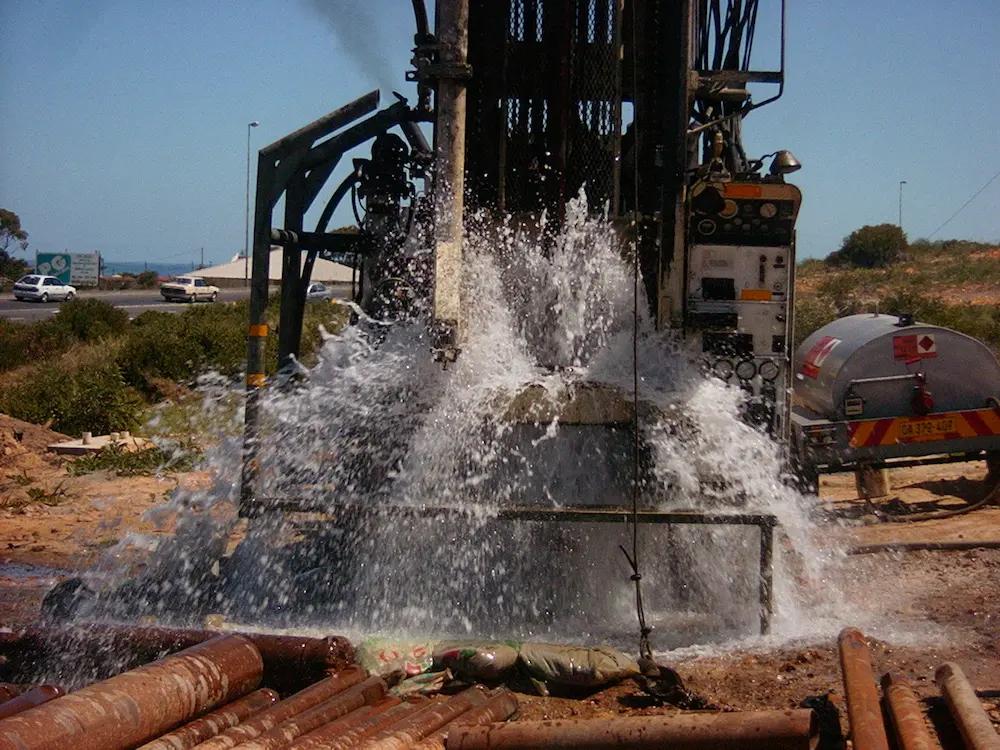
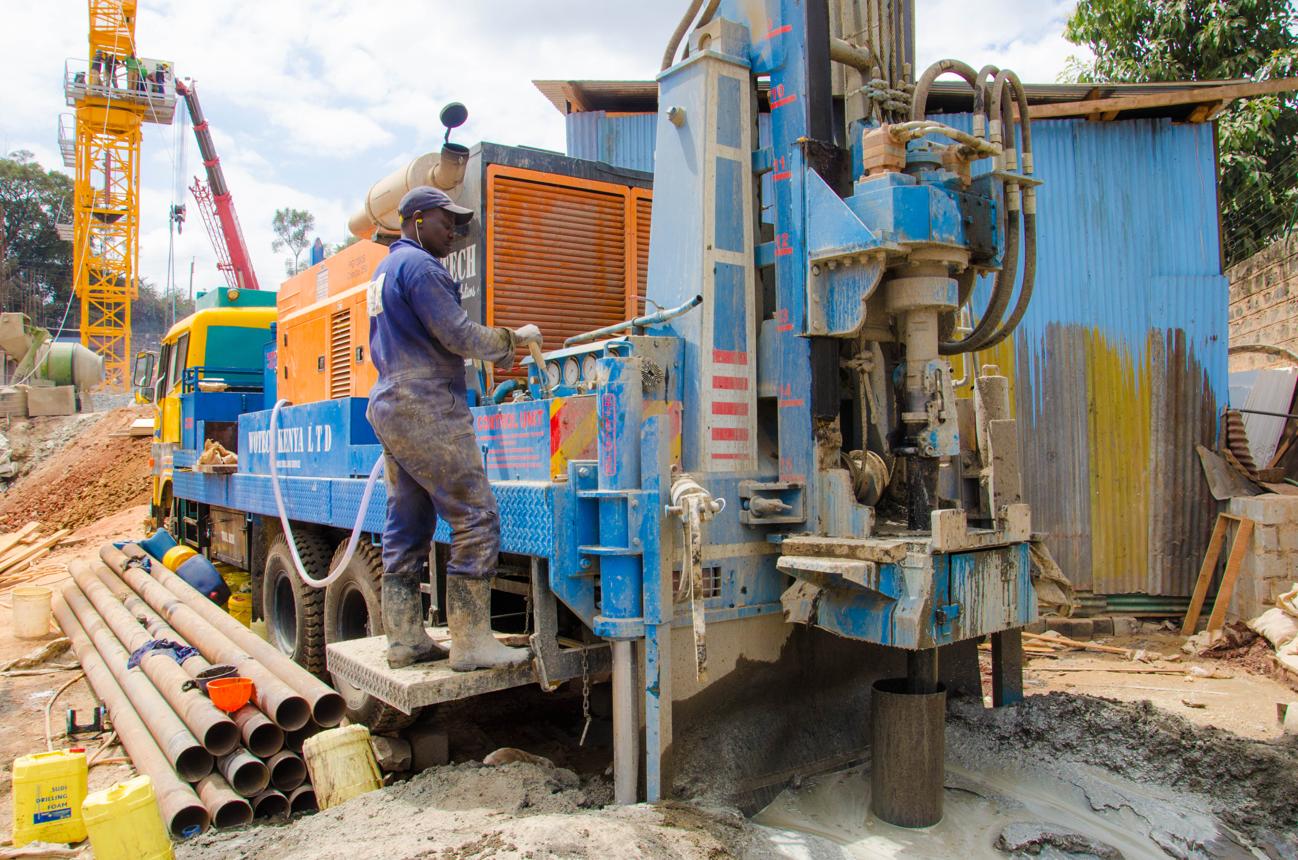
Description: Looking for borehole drilling in Kwale County? GossTech Kenya Technologies offers borehole drilling, water surveys, pump installation, solar pumping, water testing and complete water supply solutions in Kwale, Diani, Ukunda, Msambweni, Lunga Lunga, Kinango and across Kenya.
Professional Borehole Drilling Services in Kwale County
Looking for professional borehole drilling services in Kwale County? GossTech Kenya Technologies provides borehole drilling, hydrogeological surveys, geophysical surveys, borehole construction, submersible pump installation, solar borehole pumping systems, water quality testing and complete water supply solutions throughout Kwale County. We serve homeowners, hotels, resorts, apartment developers, commercial properties, schools, institutions, farms, construction projects and communities in Kwale Town, Diani, Ukunda, Msambweni, Tiwi, Kinango, Lunga Lunga, Vanga, Shimba Hills, Mwereni, Pongwe, Ramisi and surrounding areas. Whether you need a borehole for domestic water supply, hospitality operations, agricultural use, commercial activities, institutional facilities or a large development project, GossTech Kenya Technologies provides comprehensive groundwater solutions from site investigation and drilling to pump installation, solar pumping, water storage and distribution. We provide borehole drilling services in Kwale County, Nairobi and Across Kenya.
Kwale County is an important coastal region with residential developments, tourism facilities, agricultural activities, commercial centres, institutions and expanding communities. Reliable water supply is essential for homes, hotels, resorts, schools, hospitals, businesses, farms and construction projects.
For property owners who experience water supply challenges, drilling a borehole can provide an alternative or supplementary water source, depending on the availability, quality and sustainable yield of groundwater at the proposed site.
However, successful borehole drilling requires much more than simply bringing a drilling rig to a property. Proper groundwater investigation, geological assessment, drilling, casing installation, borehole development, pumping tests, water quality testing and correct pump selection are essential components of a successful borehole project.
GossTech Kenya Technologies provides comprehensive borehole drilling and water supply solutions designed to meet the needs of different properties and projects in Kwale County.
Borehole Drilling Services in Different Areas of Kwale County
Borehole Drilling in Diani and Ukunda
Diani and Ukunda are among the most prominent residential, commercial and tourism destinations in Kwale County. The areas have hotels, resorts, apartments, villas, restaurants, schools, commercial centres and rapidly developing residential properties.
GossTech Kenya Technologies provides borehole drilling and water system solutions in:
Diani
Ukunda
Gombato
Bongwe
Kinondo
Diani Beach
Tiwi
Mwabungo
Kombani
Mwakamba
Mvindeni
Golini
Mwakalanga
Mwaweche
Nearby residential estates and developments
Boreholes may be considered for domestic water supply, hotel operations, landscaping, laundry operations, swimming pools, construction projects and commercial activities.
For hospitality facilities, the water system may require high-capacity storage, correctly sized pumps, water treatment equipment and reliable distribution infrastructure.
Borehole Drilling in Msambweni
Msambweni has residential communities, agricultural areas, institutions, commercial facilities and coastal developments with varying water requirements.
Our borehole services extend to:
Msambweni Town
Ramisi
Shimoni
Wasini Island-related mainland projects
Mwaweche
Mivumoni
Kikoneni border areas
Kinondo
Lunga Lunga border areas
Mkwiro mainland access areas
Mwandimu
Mamburi
Mwakalanga
Nearby villages and settlements
We offer borehole drilling solutions for residential properties, farms, institutions, hotels, commercial facilities and community water projects.
Groundwater assessment is particularly important when determining the appropriate drilling location, expected depth, borehole construction specifications and water quality.
Borehole Drilling in Tiwi
Tiwi is an important coastal area with residential developments, tourism facilities, agricultural land and communities requiring dependable water sources.
We provide borehole drilling services in:
Tiwi
Maweni
Chai Mabu
Mwakamba
Waa
Ng’ombeni
Waa Ng’ombeni
Mwalukombe
Kombani
Mferejini
Nearby villages and settlements
A borehole project in Tiwi may involve groundwater investigation, drilling, casing, screens, development, pumping tests, pump installation, water storage and distribution.
Borehole Drilling in Kwale Town
Kwale Town is the county headquarters and an important administrative, commercial and residential centre.
We serve:
Kwale Town
Kwale Municipality
Matuga
Golini
Tsimba
Mkongani
Waa
Ng’ombeni
Kubo
Kubo South
Tiwi
Kombani
Mwalukombe
Nearby residential and institutional developments
Borehole water can be considered for homes, businesses, institutions, schools, offices, construction projects and agricultural activities, subject to groundwater availability and water quality.
Borehole Drilling in Kinango
Kinango Sub-County covers a large area with rural communities, agricultural activities, livestock-related activities, settlements and developing centres.
We provide borehole drilling and water supply solutions in:
Kinango Town
Kasemeni
Ndavaya
Puma
Mackinnon Road
Mackinnon
Samburu
Chengoni
Mwavumbo
Bofu
Mariakani border areas
Mwaluphamba
Maji ya Chumvi-related areas
Mazeras border areas
Shimba Hills-related settlements
Rural villages and farms
Boreholes in rural and semi-arid areas may be particularly important for domestic water supply, livestock, agriculture, institutions and community water projects.
Borehole Drilling in Lunga Lunga
Lunga Lunga is an important border and rural area with communities, agricultural activities, businesses and developing settlements.
Our services cover:
Lunga Lunga Town
Vanga
Mwereni
Dzombo
Pongwe
Kikoneni
Kijazini
Mwangulu
Ramisi border areas
Menzamwenye
Mkonjwe
Magaoni
Zengwa
Gandini
Mwandurya
Hehe
Kibuyuni
Nearby villages and settlements
Borehole water systems may be designed for homes, farms, schools, institutions, livestock, commercial activities and community water projects.
The final drilling plan must be based on site investigations, groundwater conditions and the required water production.
Groundwater and Geological Considerations in Kwale County
Kwale County has varied geographical and geological conditions, ranging from coastal plains and coastal uplands to inland plateaus and semi-arid areas.
The county’s geographical conditions influence water availability, groundwater recharge, drilling requirements and the type of water supply infrastructure required.
The County Government’s spatial planning documents identify important groundwater systems and aquifers associated with areas including Msambweni, Diani, Tiwi, Mwachema, Umba and Mwena. These water resources have been identified as important for domestic, agricultural, commercial and institutional water supply.
Maarifa+1
Groundwater conditions are not identical throughout Kwale. A drilling project in Diani may encounter different conditions from a project in Kinango, Samburu, Mackinnon Road, Lunga Lunga or the inland parts of Matuga.
For this reason, we recommend conducting the appropriate groundwater investigations before drilling.
Why a Groundwater Survey Is Important in Kwale
A proper groundwater investigation helps:
Identify potentially suitable drilling locations.
Evaluate subsurface geological conditions.
Identify possible groundwater-bearing formations.
Estimate potential drilling depth.
Assess the possibility of groundwater occurrence.
Guide borehole construction specifications.
Help determine the expected water quality.
Reduce the risks associated with poor borehole positioning.
Assist with planning the borehole budget.
Kwale County’s own development plans have included drilling and equipping boreholes, solar-powered pumping, water towers, water treatment and water distribution infrastructure in several areas.
kwale.go.ke+2
The Complete Borehole Drilling Process in Kwale County
A professional borehole project involves several stages. Each stage contributes to the quality, performance and long-term reliability of the water supply.
Stage 1: Client Consultation and Water Requirements Assessment
Before drilling begins, we establish the client’s water needs.
We determine whether the borehole is intended for:
Residential domestic use
Hotels and resorts
Apartments
Commercial properties
Schools
Hospitals
Farms
Livestock
Irrigation
Construction sites
Industrial use
Community water supply
The estimated daily water requirement influences the borehole design, pump selection, storage capacity and distribution system.
For example, a borehole intended to supply a small household may have very different equipment requirements from one designed for a hotel, school or community.
Stage 2: Site Assessment
The proposed drilling location is assessed to determine whether it is accessible and suitable for drilling operations.
The assessment considers:
Access for drilling machinery
Available space
Nearby buildings
Underground infrastructure
Existing wells and boreholes
Drainage
Site safety
Proposed tank location
Pump installation requirements
Water distribution layout
The site should allow drilling machinery to operate safely and should be selected with consideration for protecting the borehole from potential contamination.
Stage 3: Hydrogeological Survey
The hydrogeological survey assesses the groundwater environment and available information about the proposed drilling location.
It may consider:
Geological characteristics
Groundwater occurrence
Existing borehole records
Nearby water sources
Topography
Drainage
Groundwater recharge
Local hydrogeological conditions
The findings help guide the drilling strategy.
Stage 4: Geophysical Survey
Geophysical investigations are conducted using suitable equipment and methods to assess subsurface conditions.
The investigation may help identify geological structures and potentially favourable groundwater-bearing zones.
The survey assists in selecting a drilling location and making recommendations regarding drilling depth and project design.
It is important to understand that a groundwater survey reduces uncertainty but cannot guarantee a successful borehole or a specific water yield.
Stage 5: Permits and Regulatory Requirements
Before drilling, the project must comply with applicable water resource and environmental requirements.
The relevant approvals, permissions and regulatory processes should be confirmed according to the proposed project, groundwater abstraction requirements and applicable regulations.
Stage 6: Mobilization of Drilling Equipment
Once preparations are complete, the drilling machinery, tools, compressors, drilling materials, pipes and other equipment are mobilized to the site.
Mobilization costs depend on:
Location
Road accessibility
Distance
Equipment requirements
Site conditions
Drilling programme
Stage 7: Borehole Drilling
Drilling begins at the selected location.
The drilling team penetrates the subsurface through the geological formations while monitoring drilling progress and formation characteristics.
During drilling, important observations include:
Rock formations
Soil formations
Fractures
Water-bearing zones
Water inflows
Borehole stability
Drilling depth
Formation changes
The final drilling depth is determined by actual site conditions and the technical requirements of the project.
Stage 8: Borehole Casing Installation
Casing pipes are installed to support and protect the borehole.
The casing helps prevent collapse and provides a stable structure for the pumping system.
Casing diameter, material and installation depth depend on borehole specifications and geological conditions.
Stage 9: Screen Installation
Where necessary, borehole screens are installed in appropriate water-bearing sections.
Screens allow groundwater to enter the borehole while helping control the entry of formation materials.
Proper screen selection is important for reducing sand production and improving borehole performance.
Stage 10: Gravel Packing
Where the borehole design requires it, gravel pack material is installed around the screened sections.
The gravel pack provides a filtering zone and supports the proper functioning of the screen and groundwater entry system.
Stage 11: Borehole Development
The borehole is developed to remove drilling debris, fine particles and other materials introduced during drilling.
Development improves the connection between the borehole and surrounding groundwater-bearing formations.
Depending on the borehole design and geological conditions, suitable development techniques may include airlifting, pumping and other methods.
Stage 12: Pumping Test
The borehole is tested to determine its performance.
Testing helps establish:
Water discharge
Static water level
Pumping water level
Drawdown
Recovery characteristics
Sustainable pumping conditions
The results are used to guide the selection of an appropriate pump.
Stage 13: Water Quality Testing
Water samples are collected and submitted for appropriate laboratory testing.
Testing may include:
pH
Electrical conductivity
Total dissolved solids
Turbidity
Hardness
Chlorides
Iron
Fluoride
Nitrates
Microbiological parameters
Other relevant chemical parameters
Water quality testing is important because groundwater that looks clean may contain dissolved substances or microorganisms that make it unsuitable for certain uses.
Stage 14: Submersible Pump Installation
After the borehole performance has been assessed, the appropriate submersible pump is selected and installed.
Pump selection is based on:
Borehole depth
Water level
Borehole yield
Required flow rate
Pumping head
Tank elevation
Pipe diameter
Power requirements
Intended daily water usage
Stage 15: Solar Pumping System Installation
For clients interested in renewable energy, we can provide solar-powered borehole pumping systems.
The system may include:
Solar panels
Solar pump controller
Submersible pump
Borehole cable
Delivery pipes
Solar mounting structure
Water level controls
Storage tanks
Protection equipment
Solar pumping systems can be useful for rural properties, farms, institutions, hotels, community water projects and locations where conventional electricity is expensive or unavailable.
Stage 16: Water Storage and Distribution
A completed borehole project may include:
Water storage tanks
Elevated tank structures
Ground storage tanks
Water pipelines
Plumbing connections
Pressure systems
Float switches
Automatic controls
Water treatment equipment
The storage system should be designed around the expected daily water demand and the borehole’s production capacity.
Kwale County Sub-County, Ward and Local Area Coverage
GossTech Kenya Technologies serves borehole drilling customers throughout Kwale County, including urban centres, rural villages, residential developments, farms, institutions and commercial properties.
Kwale County has four main constituencies and 20 county assembly wards according to the county’s planning and administrative documents. The ward structure is useful for identifying local service coverage.
2027+1
1. Matuga Sub-County
Areas served include:
Kwale Town
Tsimba Golini
Waa Ng’ombeni
Tiwi
Kubo South
Mkongani
Kombani
Golini
Mwalukombe
Mwakamba
Mvindeni
Ng’ombeni
Waa
Chai Mabu
Mferejini
Maweni
Kwa Nyale
Nearby villages, estates, farms and developments
Matuga has five wards:
Tsimba Golini
Waa Ng’ombeni
Mkongani
Kubo South
Tiwi
2. Msambweni Sub-County
Areas served include:
Msambweni
Ukunda
Diani
Ramisi
Kinondo
Gombato
Bongwe
Mivumoni
Mwaweche
Mamburi
Mwandimu
Kinondo area
Beach-side developments
Hotels and resorts
Residential estates
Nearby villages and settlements
Msambweni has four wards:
Gombato Bongwe
Ukunda
Kinondo
Ramisi
3. Kinango Sub-County
Areas served include:
Kinango
Kasemeni
Ndavaya
Puma
Mackinnon Road
Samburu
Chengoni
Mwavumbo
Mariakani border areas
Mazeras border areas
Bofu
Rural settlements
Farms
Livestock areas
Nearby villages
Kinango has seven wards:
Ndavaya
Puma
Mackinnon Road
Chengoni/Samburu
Mwavumbo
Kasemeni
Kinango
4. Lunga Lunga Sub-County
Areas served include:
Lunga Lunga
Vanga
Mwereni
Dzombo
Pongwe
Kikoneni
Mwangulu
Menzamwenye
Mkonjwe
Magaoni
Zengwa
Gandini
Mwandurya
Hehe
Kibuyuni
Nearby villages and settlements
Lunga Lunga has four wards:
Mwereni
Vanga
Dzombo
Pongwe/Kikoneni
County administrative and ward structures may be updated over time. This service coverage list includes major locations and settlements and is not intended to be a complete listing of every village or sub-location.
Borehole Drilling for Hotels, Resorts and Tourism Properties in Kwale
Kwale County has a significant hospitality sector, particularly around Diani, Ukunda, Tiwi, Msambweni, Kinondo and other coastal locations.
Hotels, resorts and tourism facilities often have substantial water requirements.
A borehole project for a hotel may need to account for:
Guest accommodation
Laundry facilities
Kitchens
Swimming pools
Landscaping
Housekeeping
Staff facilities
Restaurants
Cleaning
Water storage
Water treatment
We can assist with borehole projects and supporting infrastructure designed around the property’s expected water demand.
For hospitality facilities, water quality is particularly important because the water may be used by guests, employees and food preparation facilities. Proper testing and any necessary treatment must be considered before the water is used for drinking or other sensitive applications.
Borehole Drilling for Homes and Residential Estates in Kwale
Homeowners in Kwale County may require boreholes to supplement their existing water supply or establish a private water source.
We offer residential borehole solutions for:
Private homes
Villas
Gated communities
Apartment buildings
Residential estates
Holiday homes
Rental properties
New developments
A residential borehole project may include:
Groundwater survey
Borehole drilling
Casing installation
Borehole screens
Gravel packing
Development
Pumping test
Water quality testing
Submersible pump
Water tank
Tank stand
Pipeline installation
Solar pumping system
The system should be designed according to the household’s water demand and the borehole’s production capacity.
Borehole Drilling for Farms and Agricultural Projects
Kwale County contains agricultural areas, livestock zones and rural properties where groundwater may support agricultural activities.
Borehole water may be considered for:
Irrigation
Livestock watering
Greenhouses
Nurseries
Crop production
Farm workers’ accommodation
Poultry projects
Dairy projects
Cleaning and agricultural operations
The borehole and pumping system should be designed according to the expected daily water requirement.
Large irrigation projects require careful consideration of sustainable abstraction, pump capacity, storage, distribution and the relevant regulatory requirements.
Borehole Drilling Cost in Kwale County
The cost of borehole drilling in Kwale County depends on the drilling depth, geological formations, casing requirements, pump specifications, water quality, equipment and the intended use of the borehole.
A borehole for a private home may have different specifications from one serving a hotel, apartment development, institution, farm or community water project.
Factors determining borehole drilling cost
Hydrogeological survey
Geophysical survey
Borehole permits and approvals
Drilling depth
Geological formations
Borehole diameter
Casing materials
Screen installation
Gravel packing
Borehole development
Pumping test
Water quality testing
Submersible pump
Solar pumping system
Electrical installation
Water storage tanks
Elevated tank structures
Pipelines
Water treatment
Mobilization and accessibility
Indicative Borehole Drilling Budget
The following figures are preliminary planning estimates only. They are not a fixed quotation and may vary according to actual project conditions.
| Borehole component | Indicative cost (KSh) |
|---|---|
| Hydrogeological survey | 40,000–100,000 |
| Geophysical survey | 35,000–100,000 |
| Permits and approvals | 30,000–150,000+ |
| Mobilization | 50,000–200,000 |
| Drilling per metre | 6,000–12,000+ |
| Casing per metre | 2,500–6,000+ |
| Screens per metre | 3,000–7,000+ |
| Gravel packing | 20,000–100,000+ |
| Borehole development | 30,000–100,000+ |
| Pumping test | 30,000–100,000+ |
| Water testing | 15,000–50,000+ |
| Submersible pump | 50,000–300,000+ |
| Pump installation | 30,000–100,000+ |
| Electrical installation | 30,000–150,000+ |
| Solar pumping system | 150,000–800,000+ |
| Water storage tank | 20,000–300,000+ |
| Tank support structure | 50,000–500,000+ |
Example project budgets
| Project | Preliminary budget |
|---|---|
| Basic residential borehole project | KSh 1.2M–2.0M |
| Residential borehole with pump and storage | KSh 1.5M–2.8M |
| Apartment or commercial project | KSh 2.5M–4.5M+ |
| Solar-powered borehole system | KSh 2.0M–4.5M+ |
| Large hotel, institution or community project | Project-specific |
These are illustrative estimates. Actual costs depend on depth, drilling conditions, borehole construction specifications, pumping capacity, storage, treatment and other project requirements.
Kwale County’s own development programmes have allocated several million Kenyan shillings to individual borehole drilling and equipping projects, illustrating that complete water projects can involve substantial infrastructure beyond the drilling itself.
kwale.go.ke+1
For an accurate quotation, the proposed site and required water system should be assessed before finalizing the budget.
Why Choose GossTech Kenya Technologies for Borehole Drilling in Kwale?
Choosing the right borehole contractor is important because drilling and groundwater development are significant investments.
Complete Borehole Solutions
We can assist with the borehole project from initial investigations to drilling, pump installation, water storage and distribution.
Site-Specific Planning
We understand that different areas of Kwale County have different geological and groundwater conditions. Borehole planning should therefore be based on the proposed site rather than assumptions.
Professional Borehole Construction
Proper drilling, casing, screen installation, development and testing are important for the performance and longevity of a borehole.
Pump and Water System Solutions
We assist in selecting pumping equipment according to the borehole’s performance and the client’s water requirements.
Solar Water Pumping
We provide solar pumping solutions for properties looking to use solar energy to pump groundwater.
Residential and Commercial Projects
Our services are suitable for homes, apartments, hotels, resorts, schools, businesses, institutions, farms and construction projects.
Water Storage and Distribution
We can assist with tanks, tank structures, pipelines, controls, pressure systems and other components required for a complete water supply installation.
Countywide Service Coverage
We serve clients throughout Kwale County and other parts of Kenya.
Frequently Asked Questions About Borehole Drilling in Kwale County
1. Do you drill boreholes in Diani and Ukunda?
Yes. We provide borehole drilling services in Diani, Ukunda, Gombato, Bongwe, Kinondo, Tiwi, Kombani and surrounding areas.
2. Do you provide borehole drilling in Kwale Town?
Yes. We serve Kwale Town, Matuga, Tsimba Golini, Waa, Ng’ombeni, Mkongani, Kubo South, Tiwi and neighbouring locations.
3. Do you drill boreholes in Kinango?
Yes. Our service coverage includes Kinango, Kasemeni, Ndavaya, Puma, Mackinnon Road, Samburu, Chengoni, Mwavumbo and surrounding villages.
4. Do you offer borehole drilling in Lunga Lunga?
Yes. We serve Lunga Lunga, Vanga, Mwereni, Dzombo, Pongwe, Kikoneni, Menzamwenye, Magaoni and surrounding communities.
5. Can you drill a borehole for a hotel?
Yes. We provide borehole solutions for hotels, resorts, lodges, guest houses and tourism facilities. The project is designed according to water demand, groundwater conditions, storage and pumping requirements.
6. Can borehole water be used for drinking?
It may be suitable, but water quality testing must be conducted before it is used for drinking. If treatment is necessary, an appropriate water treatment system should be installed.
7. Do you install solar borehole pumps?
Yes. We provide solar-powered borehole pumping solutions, including solar panels, controllers, pumps and associated installation equipment, depending on the project’s requirements.
8. How deep should a borehole be drilled in Kwale?
The depth depends on the location, geological conditions, groundwater-bearing formations, water demand and findings from investigations and drilling.
9. How much does borehole drilling cost in Kwale?
The price depends on the drilling depth, geology, casing, pump, storage, solar equipment, treatment requirements and other project specifications. We recommend a site-specific assessment before issuing a final quotation.
10. Do you offer borehole rehabilitation?
Borehole rehabilitation and related maintenance can be assessed depending on the existing borehole’s condition, performance and the problem affecting water production.
11. Do you serve rural villages and farms?
Yes. We serve rural properties, villages, farms, institutions, commercial developments and residential locations throughout Kwale County.
12. Do you offer borehole services outside Kwale?
Yes. GossTech Kenya Technologies provides borehole drilling and water supply solutions in Nairobi and Across Kenya.
Contact GossTech Kenya Technologies for Borehole Drilling in Kwale County
If you are planning to drill a borehole in Kwale County, contact GossTech Kenya Technologies for professional borehole drilling and complete water supply solutions.
We serve homeowners, developers, hotels, resorts, apartments, institutions, farms, businesses, schools, construction projects and communities throughout:
Kwale Town, Diani, Ukunda, Msambweni, Tiwi, Kinango, Lunga Lunga, Vanga, Ramisi, Shimba Hills, Mwereni, Dzombo, Pongwe, Kikoneni, Mackinnon Road, Kasemeni, Ndavaya, Puma, Samburu, Mwavumbo and surrounding areas.
GossTech Kenya Technologies
Borehole Drilling | Groundwater Surveys | Pump Installation | Solar Borehole Systems | Water Storage | Water Testing
📞 Phone: 0723613664
📧 Email: info@gosstech.co.ke
🌐 Website: www.gosstech.co.ke
Professional Borehole Drilling in Kwale County, Nairobi and Across Kenya.