
Description: GossTech Kenya Technologies offers professional borehole drilling, hydrogeological surveys, water testing, pump installation and borehole construction across all 47 counties in Kenya. Get reliable water solutions for homes, farms, businesses, schools and institutions.
Borehole Drilling in Kenya by GossTech Kenya Technologies
Reliable access to water is one of the most important requirements for residential homes, agricultural farms, commercial properties, schools, hospitals, hotels, factories, institutions, construction projects and communities throughout Kenya. With changing weather patterns, prolonged dry seasons, increasing population, growing urban settlements and unreliable municipal water supplies, many property owners are increasingly investing in boreholes as a dependable alternative source of water.
GossTech Kenya Technologies provides borehole drilling services throughout Kenya, offering water drilling solutions for residential, commercial, industrial, agricultural and institutional projects. Our services are designed to help clients identify suitable groundwater locations, drill boreholes professionally, construct durable borehole structures, install pumping systems and develop dependable water supply infrastructure.
We serve customers in all 47 counties of Kenya, including Nairobi, Kiambu, Machakos, Kajiado, Nakuru, Mombasa, Kisumu, Nyeri, Meru, Uasin Gishu, Kakamega, Bungoma, Turkana, Garissa, Wajir, Mandera and every other county in the country.
Whether you need a borehole for a private residence, a farm, a school, a hospital, an apartment complex, a hotel, a factory, a church, a commercial property or a community water project, GossTech Kenya Technologies can help guide you through the process from initial assessment to a completed water supply system.
This comprehensive guide explains the borehole drilling process in Kenya, the procedures involved, the equipment used, estimated costs, borehole construction stages, water testing, pump installation, maintenance and the geographical areas we serve.
1. What Is Borehole Drilling?
Borehole drilling is the process of creating a deep, narrow hole into the ground to access underground water stored within geological formations known as aquifers.
An aquifer is a geological formation containing water that can be extracted through a properly constructed borehole.
Unlike shallow wells, boreholes are generally drilled using specialized drilling machines capable of penetrating different types of underground formations, including:
Soil
Clay
Sand
Gravel
Weathered rock
Fractured rock
Hard rock
Volcanic formations
Sedimentary formations
The depth of a borehole varies depending on the geology of the location, the depth of the groundwater-bearing formations, the anticipated water demand and the results of hydrogeological investigations.
A borehole may be relatively shallow in some locations and significantly deeper in others. Therefore, borehole depth should never be assumed based solely on neighbouring properties.
Two properties located within the same neighbourhood may have different groundwater conditions.
Professional investigation and drilling are essential to determine the appropriate depth and construction requirements.
2. Why Borehole Water Is Important in Kenya
Kenya experiences different climatic conditions, with some regions receiving adequate rainfall while others experience prolonged droughts and water shortages.
Many areas depend on:
Municipal water supplies
Water bowsers
Rivers
Dams
Rainwater harvesting
Shallow wells
Boreholes
Boreholes offer an alternative water supply that can reduce dependence on unreliable external water sources.
Benefits of drilling a borehole
| Benefit | Explanation |
|---|---|
| Reliable water supply | Provides an independent source of water when municipal supplies are unavailable |
| Reduced water bills | Can reduce recurring expenditure on purchased water |
| Agricultural productivity | Supports irrigation and livestock farming |
| Property value | A dependable water source can increase the usefulness and attractiveness of a property |
| Commercial operations | Supports hotels, factories, apartments, schools and businesses |
| Drought resilience | Provides access to groundwater during periods of limited rainfall |
| Community access | Can supply water to communities and institutions |
| Construction support | Supplies water for building projects |
| Improved convenience | Reduces dependence on water deliveries |
| Long-term investment | Properly constructed and maintained boreholes can provide water for many years |
3. Borehole Drilling Services Offered by GossTech Kenya Technologies
GossTech Kenya Technologies provides comprehensive borehole and groundwater-related services.
Our services include:
| Service | Description |
|---|---|
| Hydrogeological survey | Investigation of underground geological formations and groundwater potential |
| Geophysical survey | Identification of suitable drilling locations using specialized investigation equipment |
| Borehole site identification | Selection of the most suitable drilling location |
| Borehole drilling | Drilling through soil, rock and underground formations |
| Borehole casing installation | Installation of protective casing to stabilize borehole walls |
| Screen installation | Installation of screened sections where groundwater enters the borehole |
| Gravel packing | Placement of suitable gravel around screened sections where required |
| Borehole development | Removal of drilling debris and fine particles |
| Pumping test | Assessment of borehole performance and sustainable water yield |
| Water quality testing | Testing groundwater for physical, chemical and microbiological characteristics |
| Submersible pump installation | Installation of pumping equipment |
| Solar borehole systems | Installation of solar-powered pumping solutions |
| Electrical pumping systems | Installation of electric borehole pumping systems |
| Water storage installation | Installation of tanks and storage infrastructure |
| Pipeline installation | Connection of borehole water to buildings, farms and distribution systems |
| Water treatment | Installation of appropriate filtration and treatment systems |
| Borehole rehabilitation | Restoration of poorly performing or older boreholes |
| Borehole maintenance | Routine servicing and inspection |
4. The Borehole Drilling Process in Kenya: Step-by-Step
Borehole drilling involves several technical stages.
The process should not simply involve bringing a drilling machine to a site and drilling randomly. Proper groundwater investigation, planning, drilling, construction, testing and installation are essential.
Below is the process followed during a professional borehole project.
Step 1: Client Consultation and Site Assessment
The first stage is understanding the client’s water requirements and the characteristics of the property.
At GossTech Kenya Technologies, the assessment begins by understanding why the client needs water.
Different projects have different requirements.
For example:
| Project | Typical Water Requirement |
|---|---|
| Residential home | Domestic consumption, cleaning and gardening |
| Apartment building | Multiple households and shared facilities |
| Hotel | Guest accommodation, laundry, kitchens and landscaping |
| Farm | Irrigation, livestock and agricultural activities |
| School | Students, sanitation, kitchens and cleaning |
| Hospital | Medical operations, sanitation and general consumption |
| Factory | Production processes, cleaning and cooling |
| Construction site | Concrete mixing, construction and site operations |
| Community project | Multiple households and public facilities |
During site assessment, the following may be considered:
Property location
Accessibility
Available drilling space
Nearby structures
Existing water sources
Neighbouring boreholes
Potential contamination sources
Electricity availability
Solar installation possibilities
Tank installation location
Water distribution requirements
The client may also be advised on the approximate infrastructure required after drilling.
This is important because the cost of drilling alone does not necessarily represent the total cost of a complete water supply project.
Step 2: Hydrogeological Survey
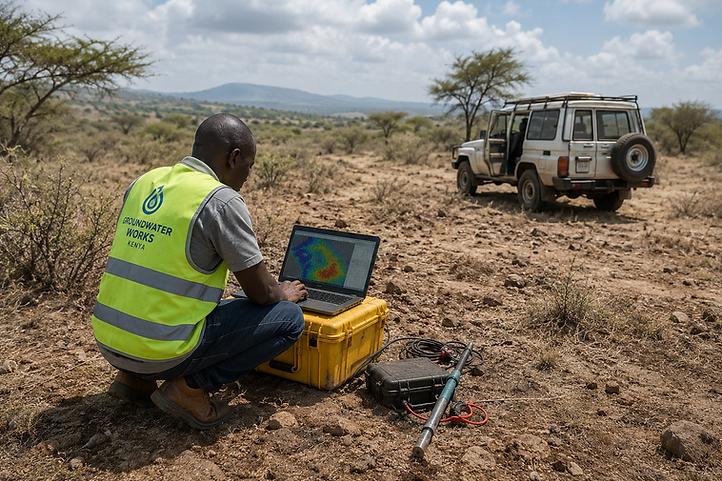
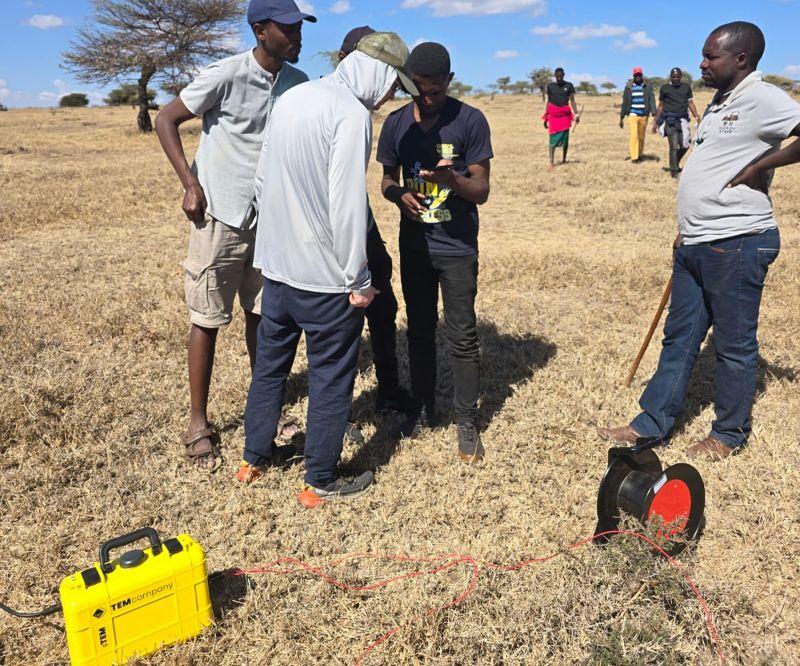
A hydrogeological survey is an important preliminary investigation carried out before borehole drilling.
The purpose is to investigate the geological and groundwater conditions of an area and identify the likelihood of encountering groundwater at a suitable depth.
What happens during a hydrogeological survey?
A qualified hydrogeological specialist may examine:
Geological maps
Geological formations
Groundwater occurrence
Existing boreholes
Water levels
Rock formations
Groundwater recharge
Drainage patterns
Terrain
Potential drilling depths
Possible aquifer formations
The investigation helps determine whether the proposed location is suitable for drilling.
Why is this process important?
Drilling without adequate investigation can increase the risk of:
Drilling in unsuitable locations
Poor borehole yields
Unnecessarily deep drilling
Increased drilling costs
Poor water quality
Borehole failure
The survey is therefore an important investment in reducing uncertainty before the drilling operation begins.
Step 3: Geophysical Survey
Geophysical investigation may be conducted to identify underground structures that could contain groundwater.
One commonly used technique is electrical resistivity surveying.
The method involves introducing electrical current into the ground through electrodes and measuring the response of the underground formations.
Different geological materials have different electrical properties.
These differences can help specialists interpret:
Underground rock formations
Weathered zones
Fractures
Geological boundaries
Possible groundwater-bearing formations
Potential aquifer zones
How is electrical resistivity surveying carried out?
The process generally involves:
Identifying the proposed survey area.
Setting up specialized survey equipment.
Placing electrodes on the ground.
Conducting electrical measurements.
Collecting readings at different positions.
Interpreting the results.
Identifying potentially suitable drilling locations.
The survey findings are interpreted alongside geological information and other available groundwater data.
Important note
A geophysical survey improves the understanding of underground conditions but does not guarantee that a borehole will produce a particular amount of water.
Groundwater conditions can vary considerably.
5. Borehole Permits and Regulatory Requirements
Before drilling begins, borehole projects must comply with applicable Kenyan laws, regulations and water-resource requirements.
Depending on the project, the required documentation and approvals may include:
Hydrogeological survey reports
Water-resource authorization
Drilling permits
Environmental approvals where applicable
Construction approvals
Water-resource assessment documentation
Borehole completion documentation
Water quality testing reports
Requirements can depend on the location, project size, water use and applicable regulations.
Clients should ensure that the necessary approvals are obtained before drilling commences.
GossTech Kenya Technologies can assist clients in understanding the documentation and approvals required for their borehole projects.
6. Step Four: Borehole Site Selection
After the hydrogeological and geophysical investigations, the proposed drilling location is selected.
The drilling site should be suitable for the drilling machine and should also consider the completed borehole infrastructure.
Factors considered when selecting a drilling site
| Factor | Importance |
|---|---|
| Groundwater potential | Increases the likelihood of identifying suitable water-bearing formations |
| Geological formations | Determines the expected drilling conditions |
| Accessibility | Allows drilling machinery to reach the site |
| Distance from buildings | Helps provide suitable space for construction and maintenance |
| Distance from contamination sources | Helps protect groundwater quality |
| Electricity availability | Important where electric pumping is planned |
| Solar exposure | Useful for solar pumping systems |
| Tank location | Helps facilitate water storage and distribution |
| Future expansion | Allows additional infrastructure to be installed |
| Drainage | Helps protect the borehole from surface contamination |
The selected location should accommodate both the drilling process and the finished borehole installation.
7. Step Five: Mobilization of Drilling Equipment
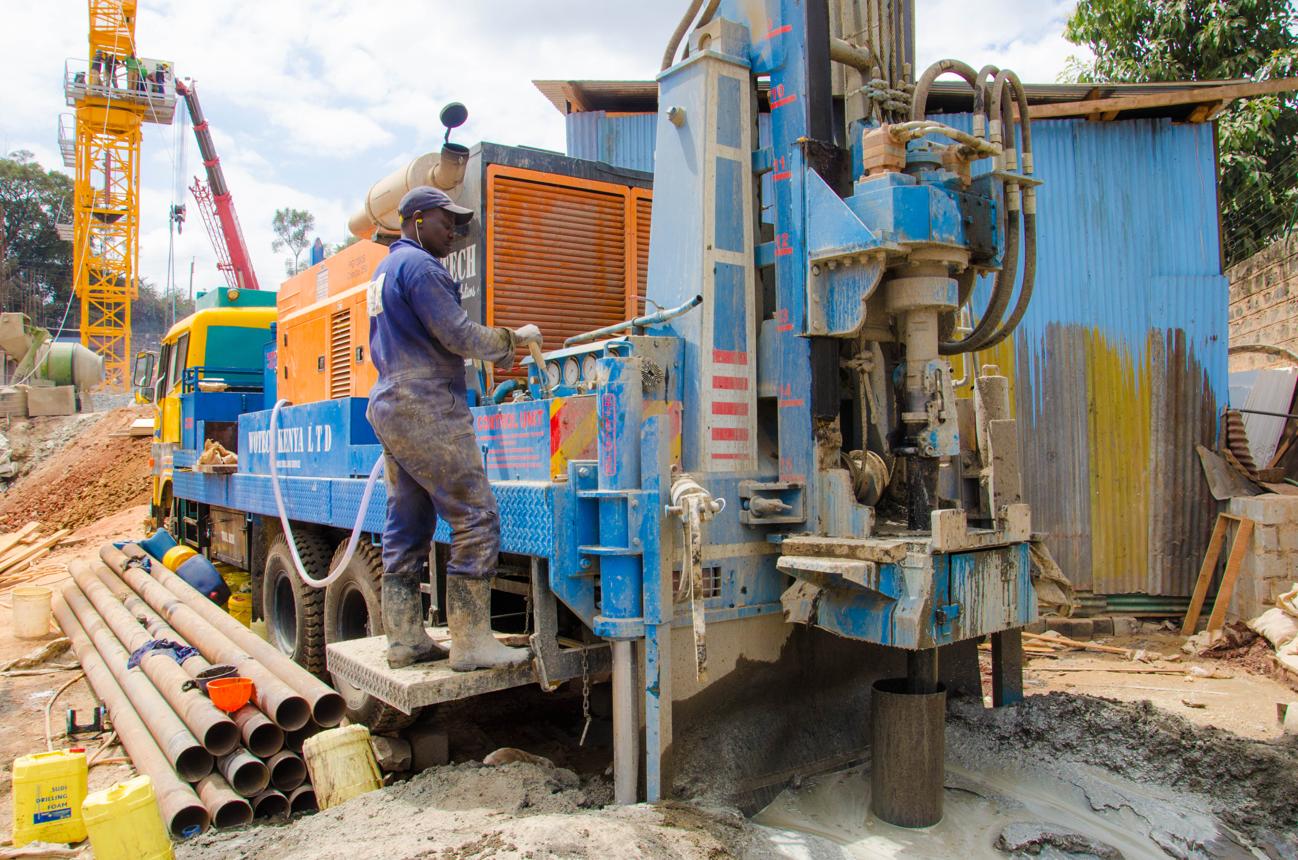
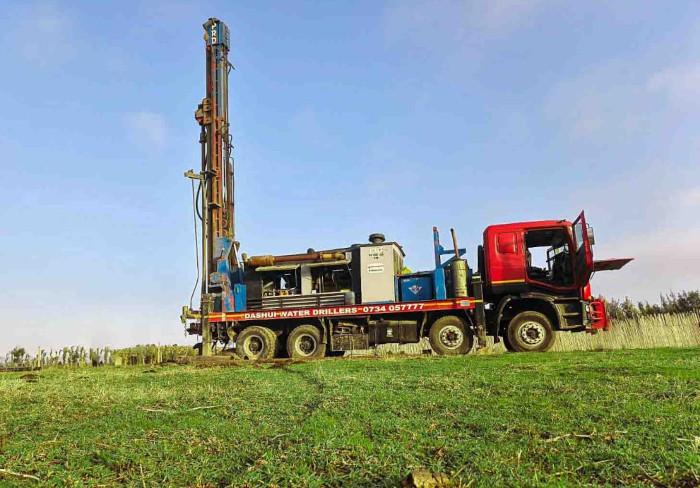
Once the drilling site is approved and preparations are complete, drilling equipment is mobilized.
Depending on the geology and project requirements, the equipment may include:
Borehole drilling rig
Air compressor
Drill pipes
Drill bits
Hammer equipment
Mud pumps
Water tanks
Drilling accessories
Casing materials
Safety equipment
Support vehicles
The drilling rig is positioned at the selected location.
The drilling team checks:
Machine stability
Drilling alignment
Site accessibility
Safety conditions
Equipment functionality
Availability of drilling materials
Water or compressed air requirements
Proper mobilization is important because drilling equipment is heavy and requires suitable working conditions.
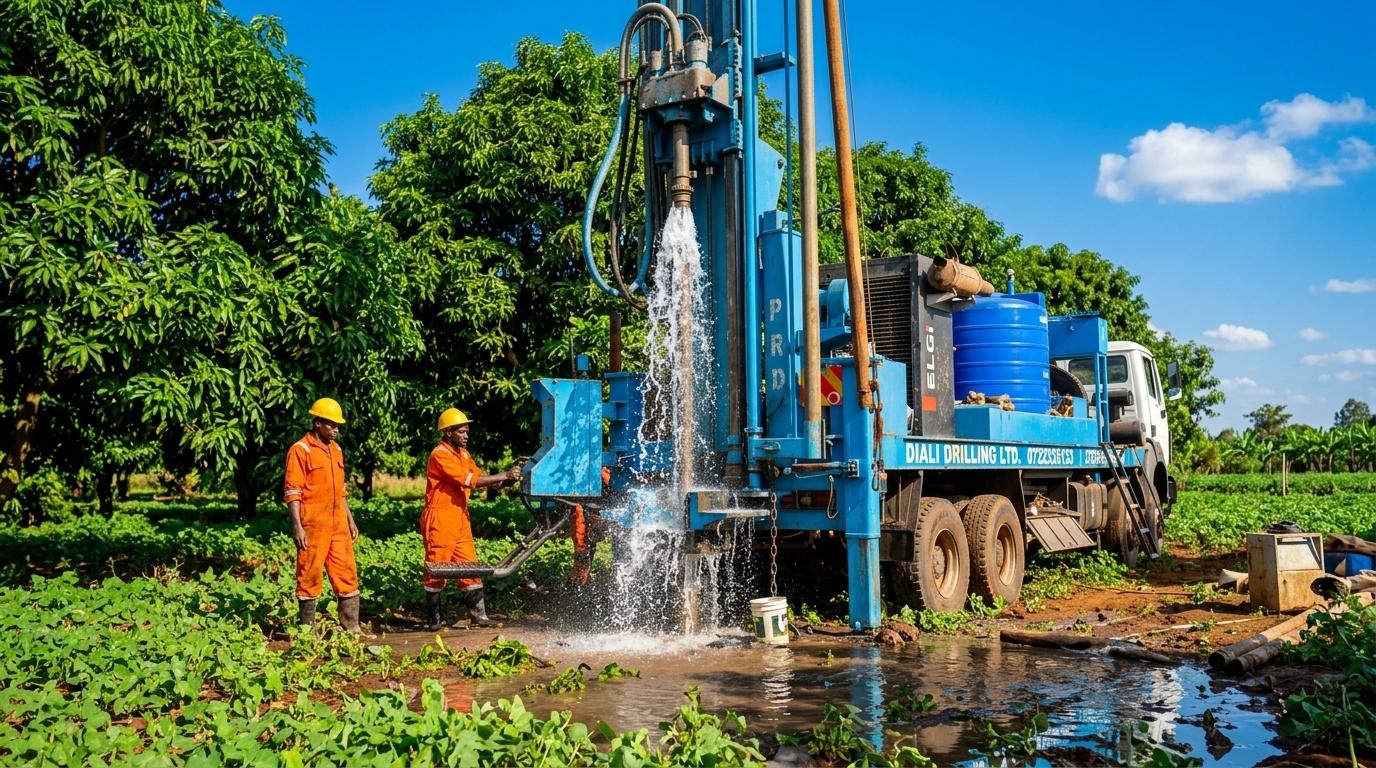
8. Step Six: Actual Borehole Drilling
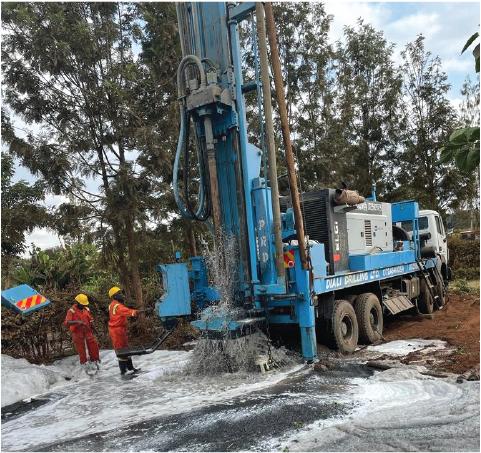
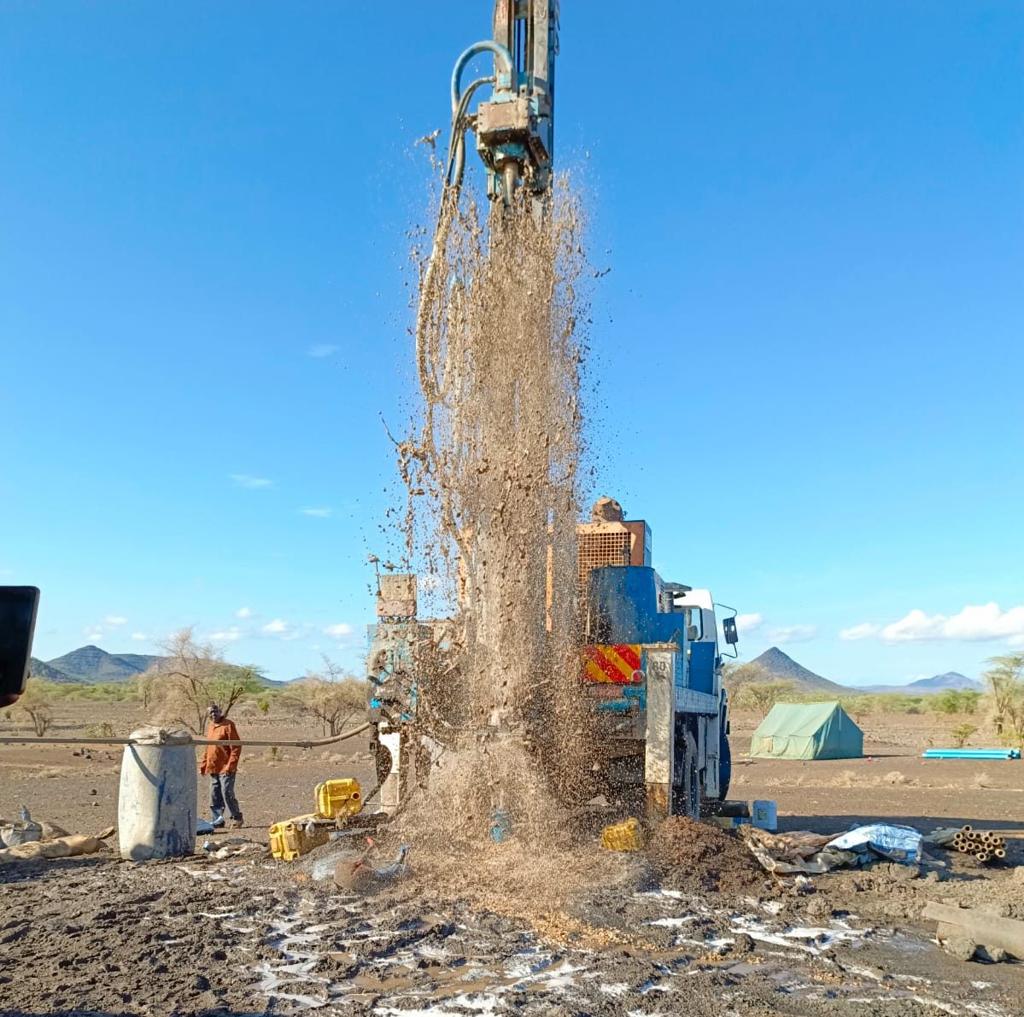
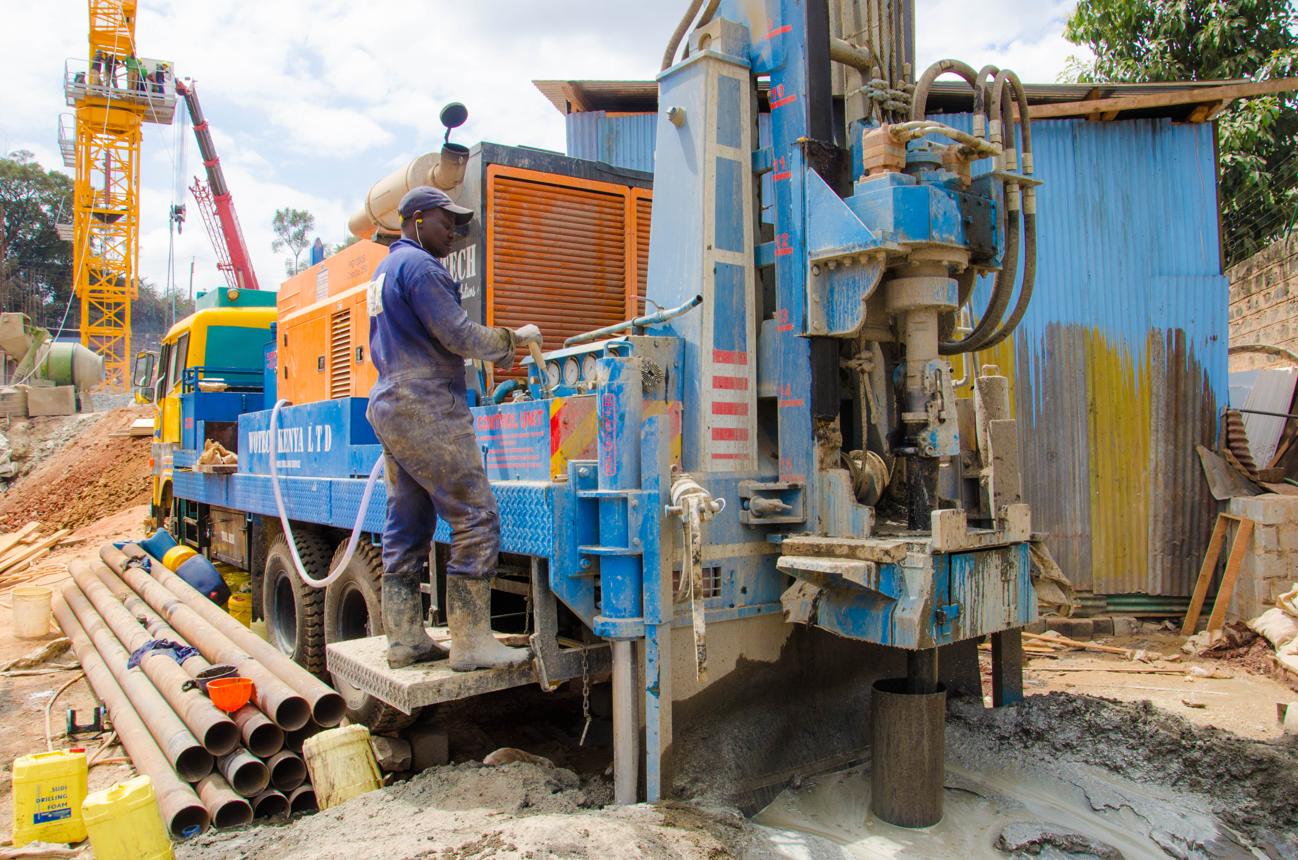
The drilling method depends on the geological formations encountered.
Common methods include:
Rotary drilling
Rotary drilling involves rotating a drill bit to penetrate underground formations.
The method may be suitable for different geological conditions depending on the equipment and drilling system used.
Down-the-hole hammer drilling
Down-the-hole hammer drilling is commonly used in hard rock formations.
A hammer located near the drill bit delivers repeated impact energy to break the rock.
Compressed air is used to operate the hammer and remove drilling cuttings from the borehole.
Air drilling
Compressed air may be used to remove rock fragments and other drilling debris from the borehole.
The drilling method selected depends on:
Geological conditions
Expected borehole depth
Rock hardness
Equipment availability
Drilling diameter
Project requirements
What happens during drilling?
The drilling team progressively penetrates the underground formations.
During the operation, the team monitors:
Drilling depth
Rock formations
Changes in geological materials
Water strikes
Drilling speed
Borehole stability
Water inflow
Air pressure
Drilling debris
The geological formations encountered are recorded.
This information is important because it helps determine the borehole construction design.
9. Step Seven: Recording Geological Formations
As drilling progresses, the drilling team records the geological materials encountered.
For example:
| Depth Range | Formation Encountered | Possible Significance |
|---|---|---|
| Surface | Soil | Surface formation |
| Shallow depth | Clay | May restrict groundwater movement |
| Intermediate depth | Weathered rock | May contain groundwater |
| Deeper formation | Fractured rock | Potential groundwater-bearing zone |
| Deeper formation | Hard rock | May require specialized drilling |
| Aquifer zone | Water-bearing formation | Potential groundwater source |
The actual geological sequence differs from one location to another.
The drilling records help determine:
Borehole depth
Casing requirements
Screen placement
Potential water-bearing zones
Borehole construction requirements
10. Step Eight: Water Strikes and Aquifer Identification
During drilling, groundwater may be encountered at different depths.
A water strike occurs when drilling intersects a groundwater-bearing formation.
The drilling team records:
Depth of water strike
Estimated water inflow
Formation characteristics
Number of water-bearing zones
Changes in drilling conditions
The presence of water during drilling does not automatically mean that the borehole can sustain the intended pumping rate.
The borehole must subsequently be developed and tested.
11. Step Nine: Borehole Casing Installation
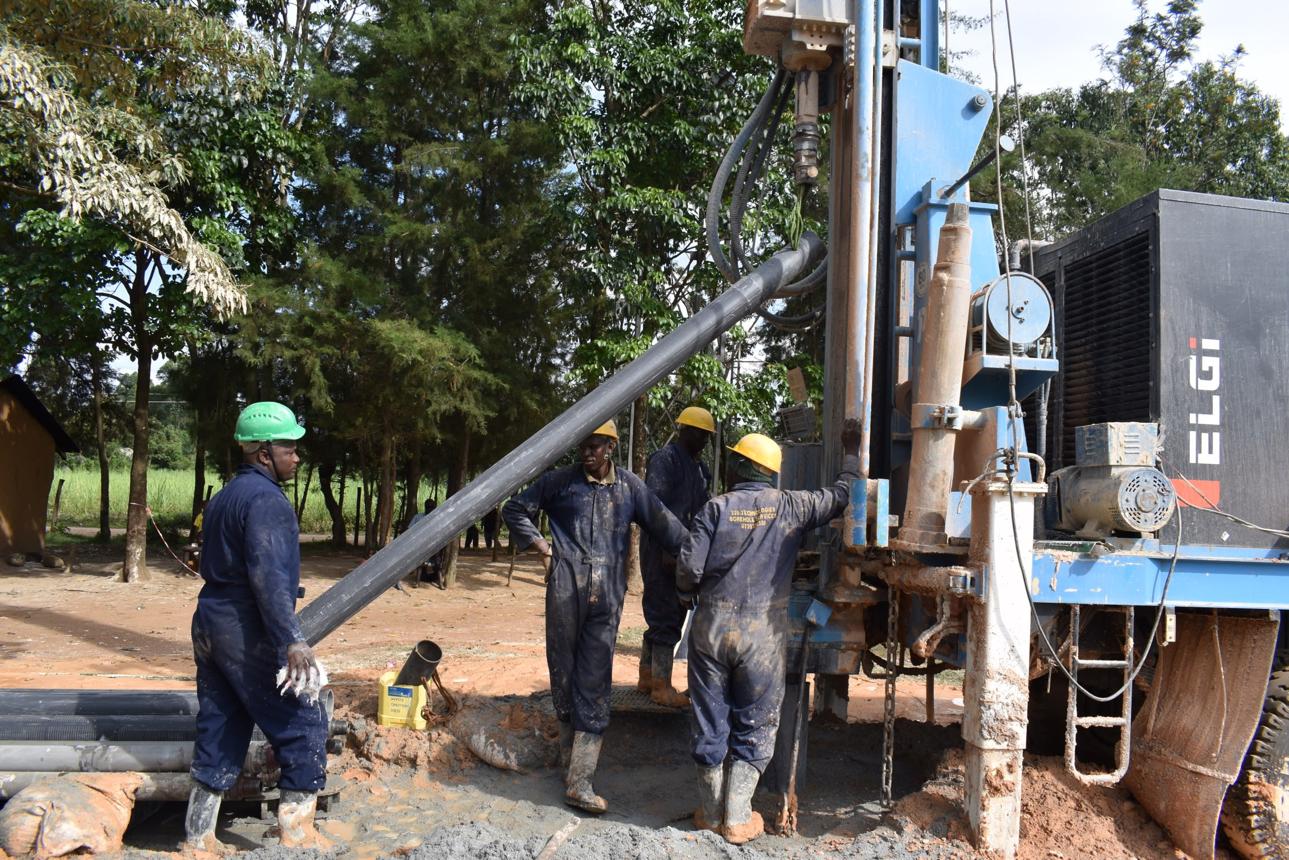
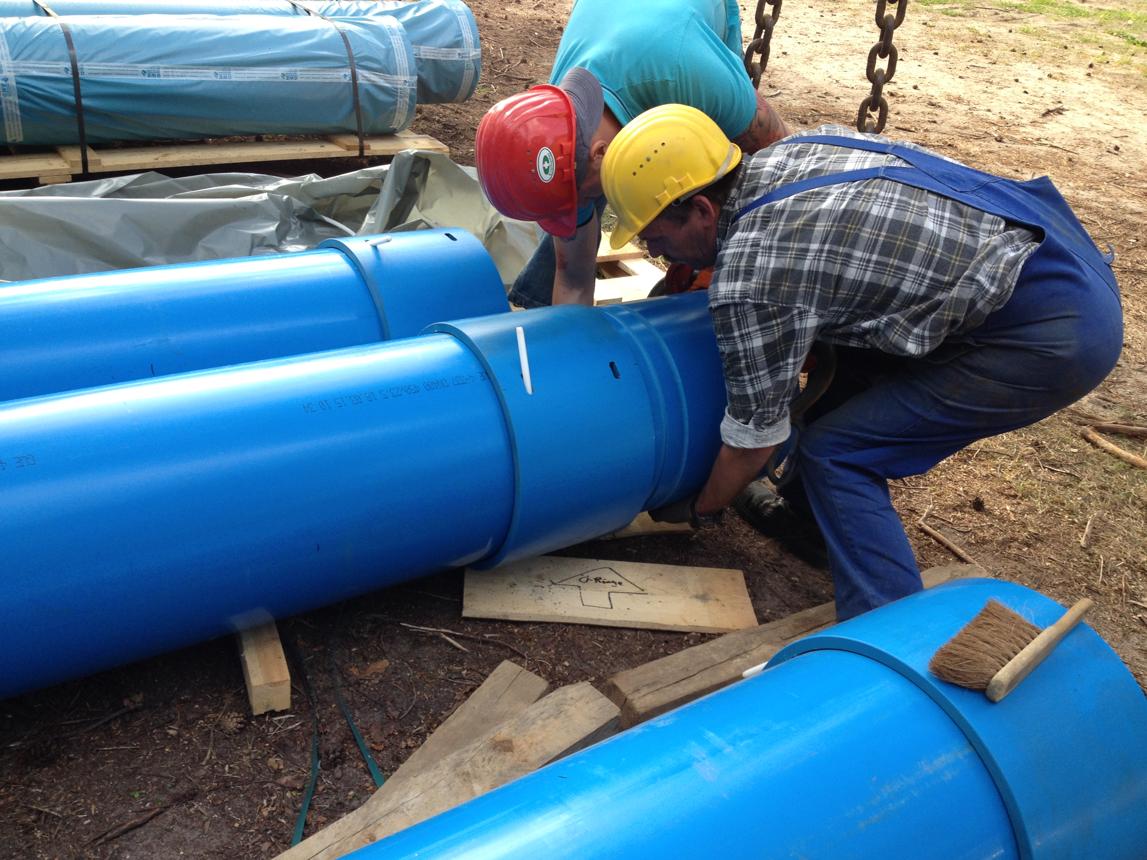
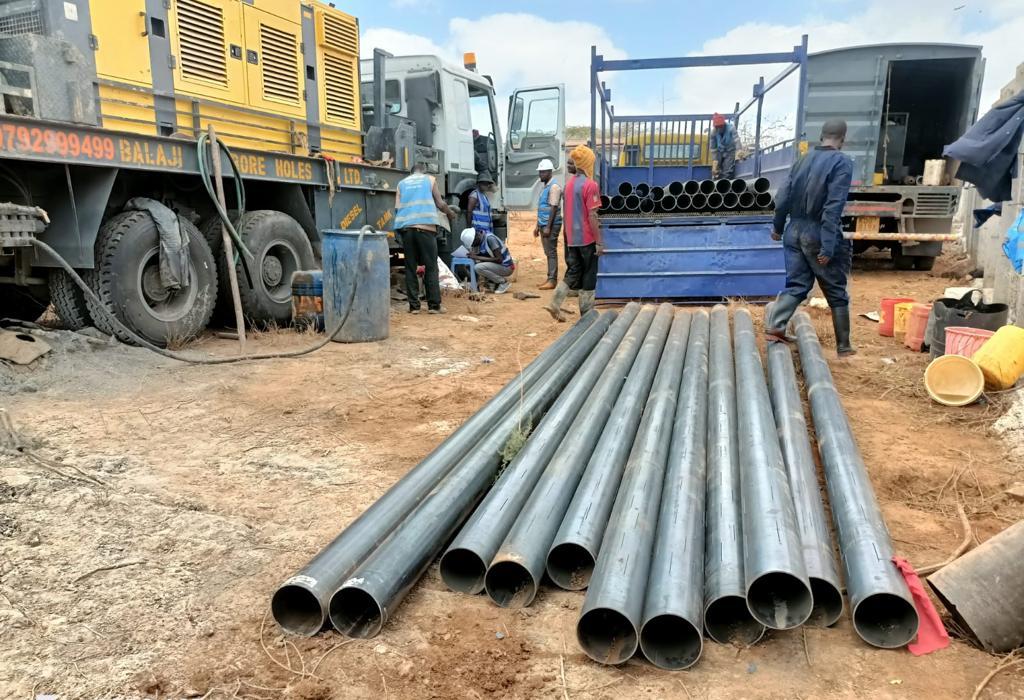
Borehole casing may be made from suitable materials depending on:
Borehole depth
Geological formations
Water quality
Borehole diameter
Structural requirements
Expected pumping conditions
Why casing is important
Casing helps:
Stabilize the borehole
Prevent collapse
Isolate unstable formations
Protect the borehole
Support pumping equipment
Improve the durability of the installation
Casing specifications should be selected based on the borehole design.
12. Step Ten: Borehole Screen Installation
Borehole screens allow groundwater to enter the borehole while helping prevent excessive quantities of sand and formation particles from entering.
Screens are generally installed at appropriate groundwater-bearing sections.
The screen design depends on:
Formation characteristics
Aquifer type
Borehole diameter
Expected groundwater inflow
Geological materials
A correctly designed screen system helps improve borehole performance and can reduce sediment entering the pumping system.
13. Step Eleven: Gravel Packing
Where required, gravel packing involves placing appropriately selected gravel around the screened sections of the borehole.
The gravel pack is designed to improve the flow of water into the borehole and help control the movement of formation particles.
The gravel should be selected according to the formation characteristics and borehole design.
Gravel packing may be required in particular geological conditions, especially where formations contain unconsolidated materials.
14. Step Twelve: Borehole Development
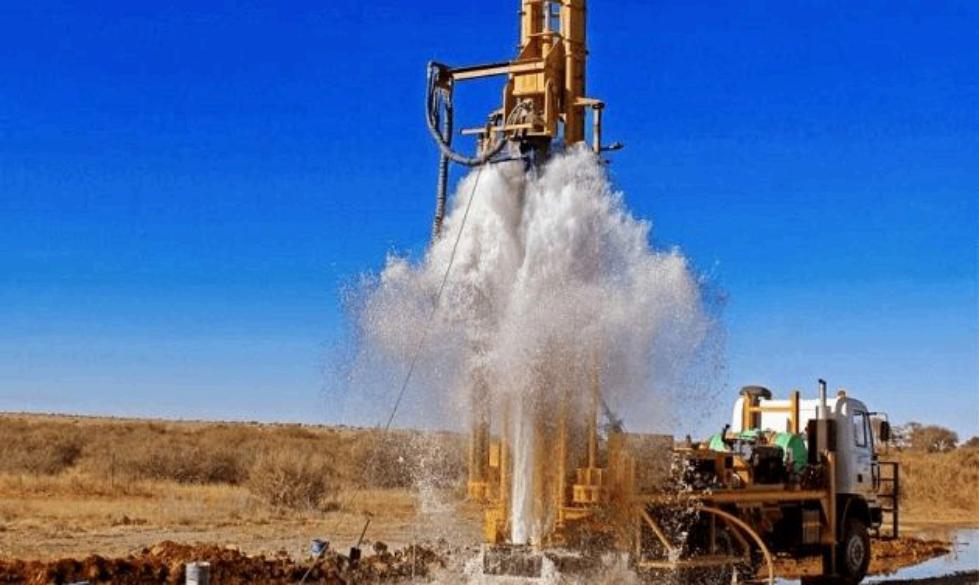
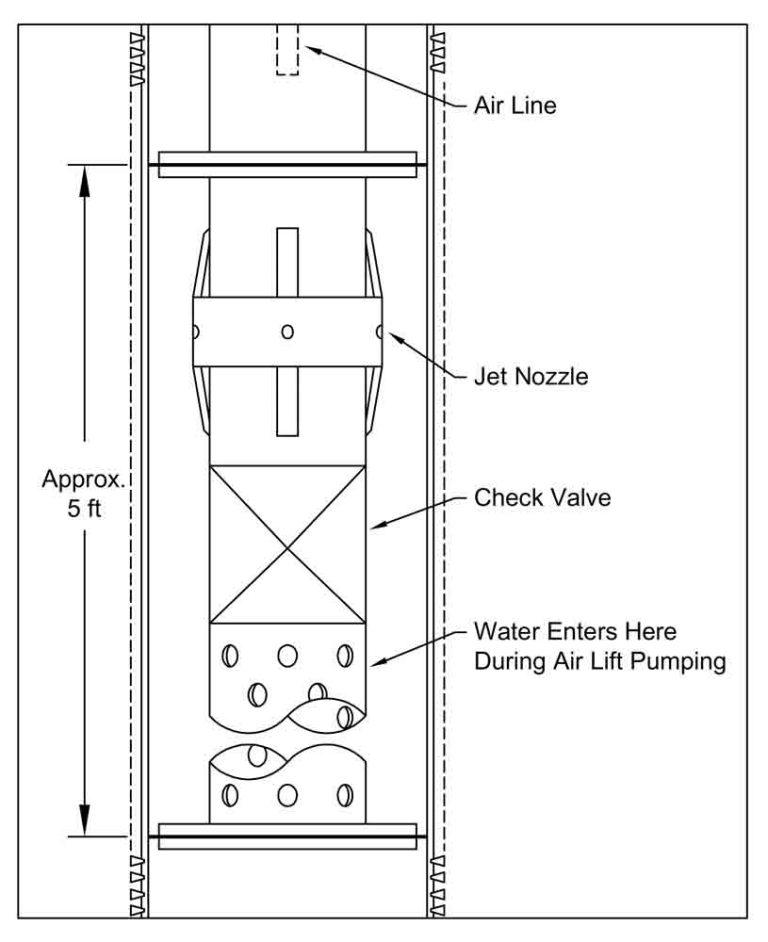
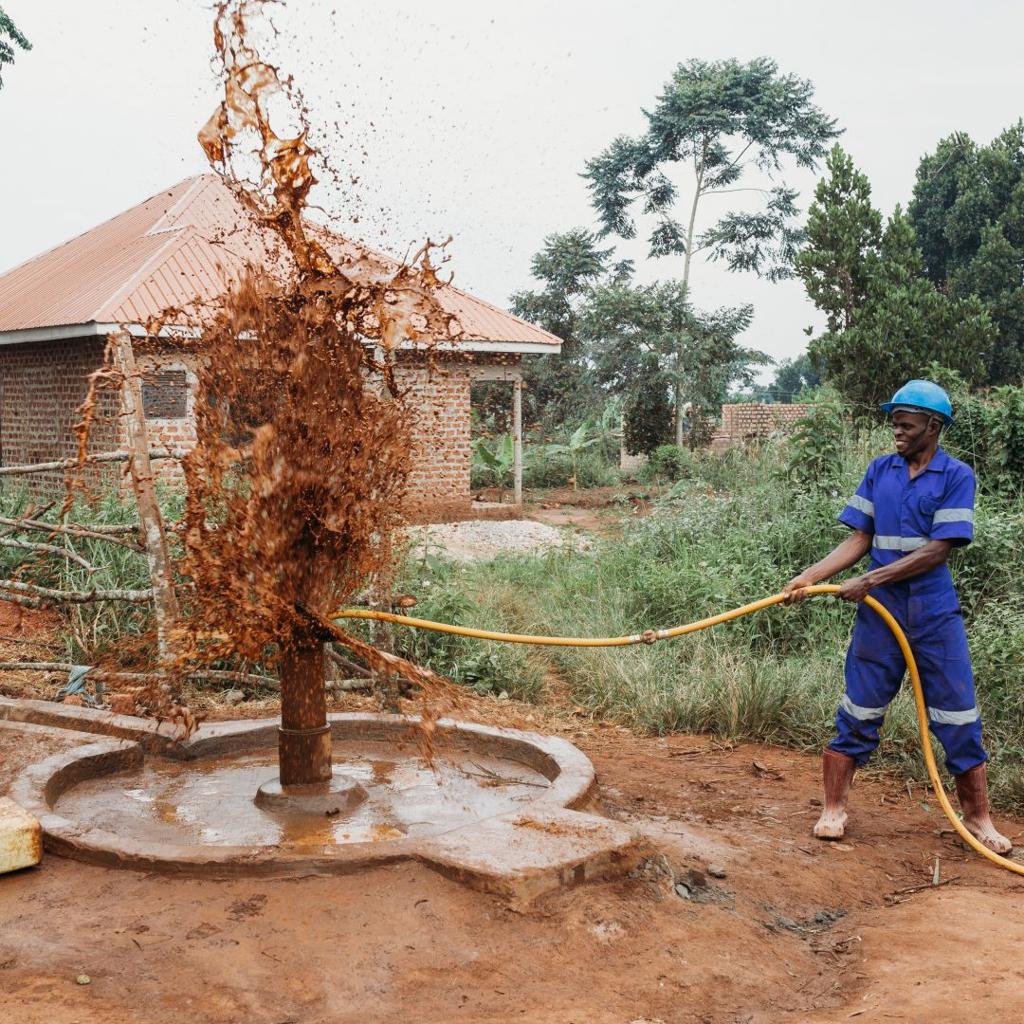
Borehole development is an important process carried out after drilling and construction.
The purpose is to remove:
Drilling debris
Fine particles
Sand
Mud
Sediment
Residual drilling materials
Development can involve specialized techniques such as airlifting, pumping, surging or other suitable methods.
Why borehole development is important
Proper development helps:
Improve water clarity
Remove drilling debris
Improve water flow into the borehole
Reduce sediment
Improve borehole efficiency
Prepare the borehole for pumping tests
A borehole should not be considered complete simply because drilling has stopped.
Development is an essential part of preparing it for use.
15. Step Thirteen: Pumping Test
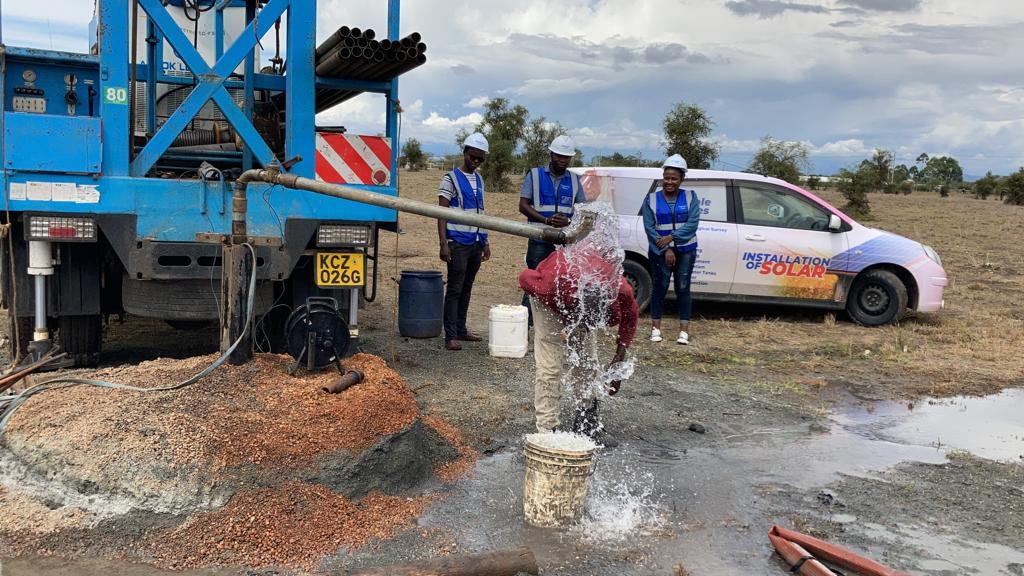
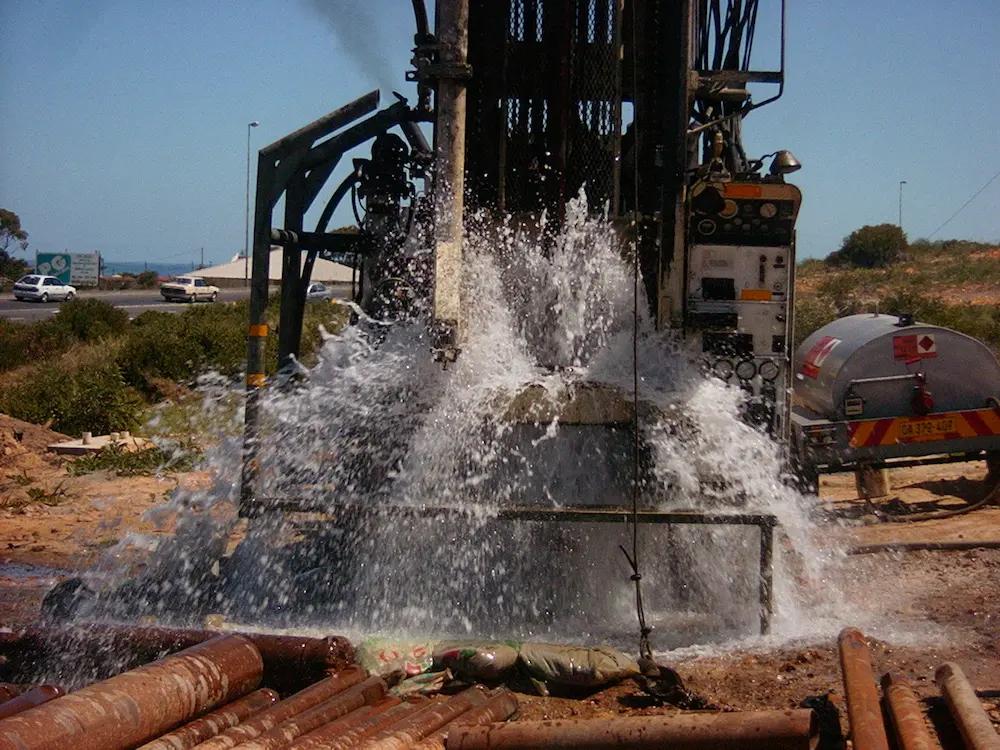
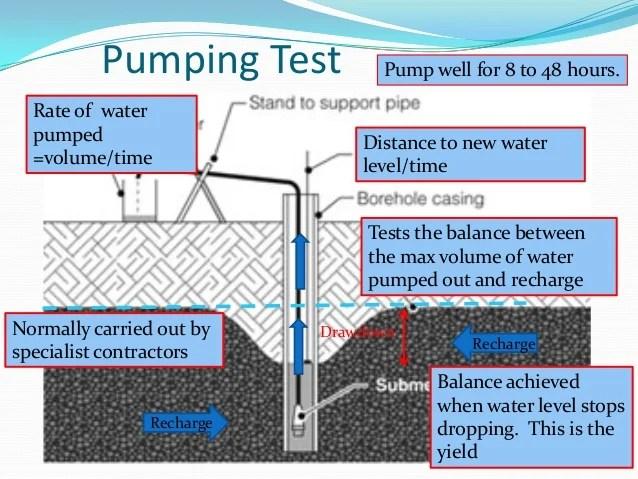
A pumping test evaluates the performance of a borehole.
The test helps establish how much water the borehole can produce under specified pumping conditions.
What is measured during a pumping test?
| Measurement | Purpose |
|---|---|
| Pumping rate | Determines the quantity of water being pumped |
| Static water level | Measures water level before pumping |
| Pumping water level | Measures water level during pumping |
| Drawdown | Determines how much the water level declines during pumping |
| Recovery | Evaluates how quickly the water level recovers after pumping stops |
| Duration | Helps evaluate borehole performance |
| Sediment | Assesses whether excessive sand or particles are being discharged |
Why is a pumping test important?
A pumping test helps determine:
Suitable pump capacity
Appropriate pumping rate
Borehole performance
Water availability
Pumping system requirements
Storage requirements
The pump should be selected based on the borehole’s performance and the client’s water demand.
Installing a pump that is too powerful may cause excessive drawdown or undesirable pumping conditions.
16. Step Fourteen: Water Quality Testing
Groundwater is not automatically safe for drinking simply because it looks clean.
Water may contain substances that cannot be detected through visual inspection.
Water quality testing may assess:
pH
Turbidity
Electrical conductivity
Total dissolved solids
Hardness
Iron
Fluoride
Nitrates
Other chemical parameters
Microbiological contamination
The appropriate testing requirements depend on the intended use of the water.
Water intended for drinking
Water intended for human consumption should undergo suitable laboratory testing.
Where necessary, treatment systems may be recommended.
Possible treatment solutions include:
Sediment filtration
Activated carbon filtration
Iron removal
Fluoride treatment
Water softening
Reverse osmosis
Ultraviolet disinfection
Chlorination
The treatment system should be selected according to the actual water test results.
17. Step Fifteen: Submersible Pump Installation
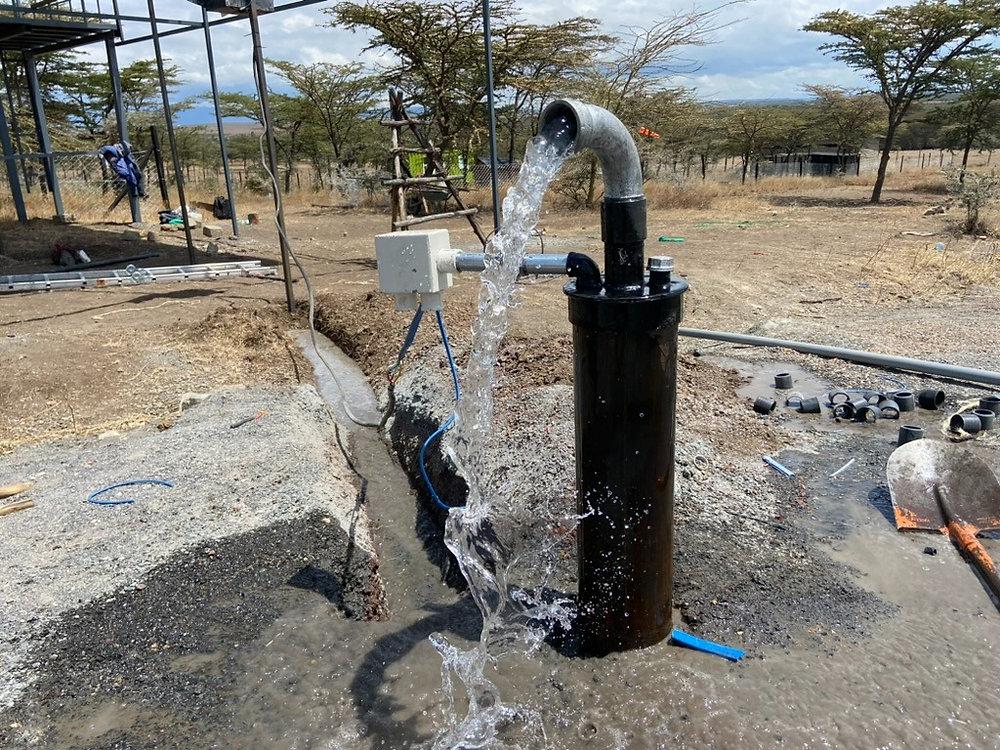
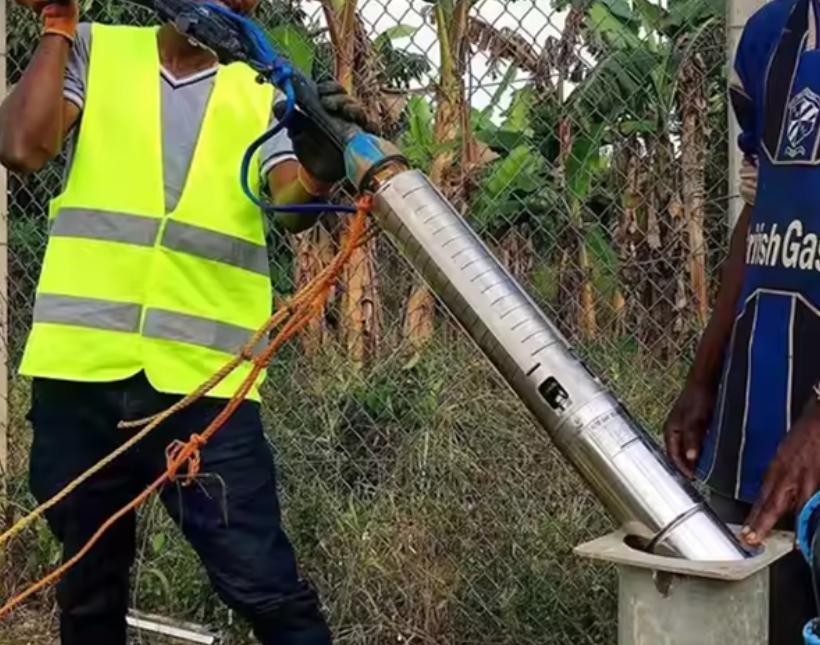
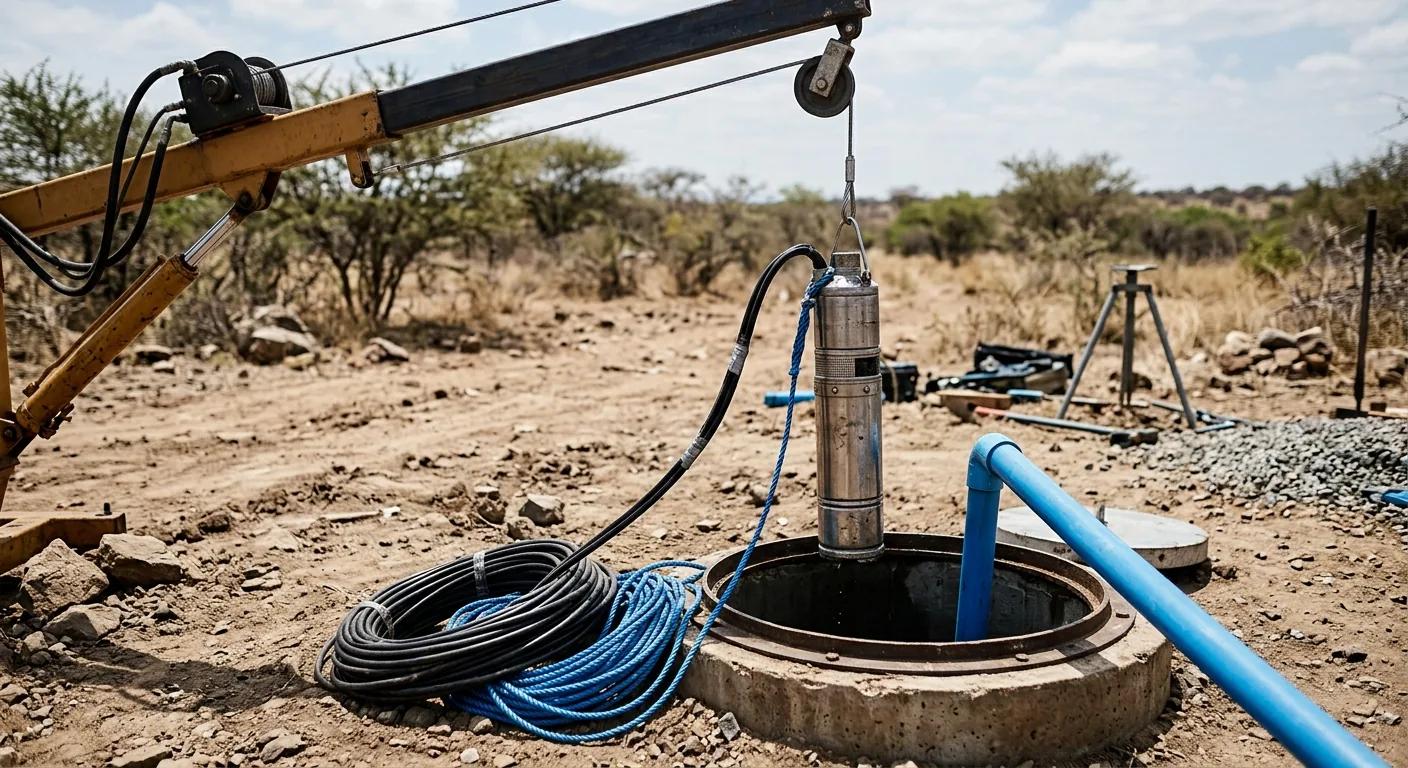
Submersible pumps are designed to operate underwater within boreholes.
The installation may include:
Submersible pump
Pump motor
Rising main
Electrical cable
Control panel
Protection devices
Pump suspension system
Water level monitoring equipment
Selecting the right pump
The pump selection depends on:
Borehole depth
Pumping water level
Required water flow
Delivery height
Pipeline distance
Storage tank height
Pressure requirements
Borehole yield
Electricity availability
A pump should not be selected based only on horsepower.
The pump must be capable of delivering the required water volume at the required operating head.
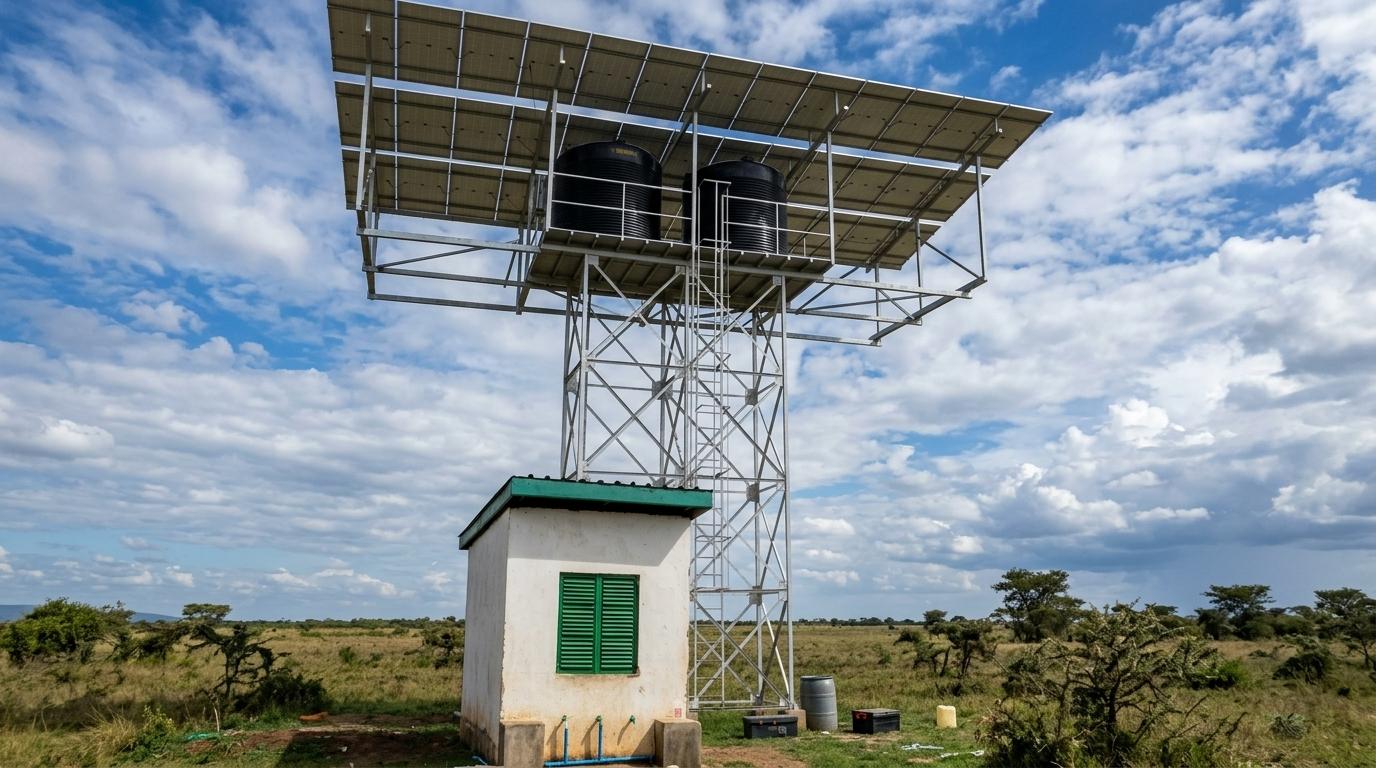
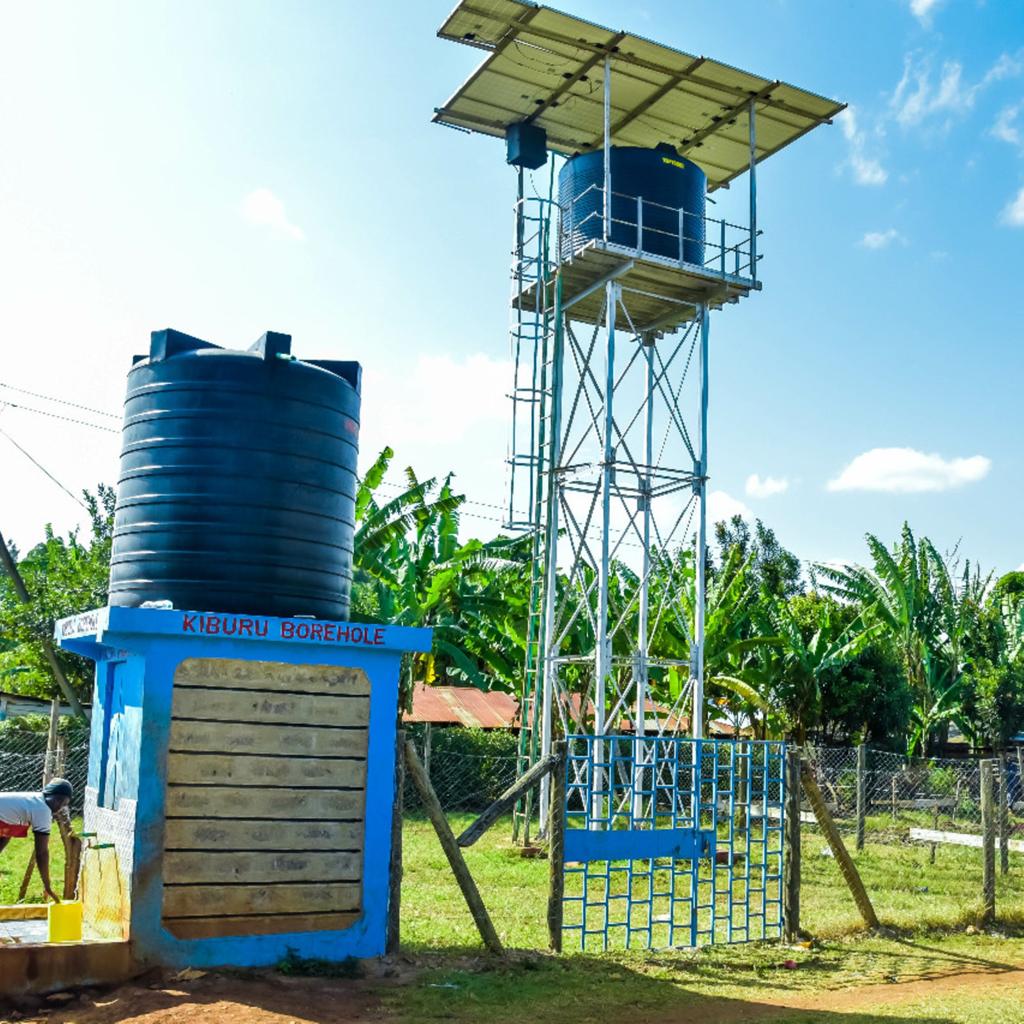
18. Solar Borehole Pump Installation
Solar pumping systems are increasingly popular in Kenya, particularly in areas where electricity is unavailable or expensive.
A solar borehole pumping system may include:
Solar panels
Solar pump
Pump controller
Electrical cables
Mounting structure
Borehole piping
Storage tank
Advantages of solar borehole pumping
| Advantage | Explanation |
|---|---|
| Reduced electricity costs | Uses solar energy |
| Suitable for remote locations | Can operate without grid electricity |
| Lower operating costs | Reduces reliance on electricity |
| Agricultural applications | Suitable for irrigation |
| Environmentally friendly | Uses renewable energy |
| Daytime water pumping | Can pump water during sunlight hours |
Solar pumping may be especially suitable for:
Farms
Schools
Rural homes
Community projects
Livestock facilities
Remote institutions
However, solar system design should consider water demand, seasonal solar conditions, pump requirements and storage capacity.
19. Step Sixteen: Water Storage Tank Installation
A borehole system is often connected to water storage tanks.
The storage system may consist of:
Plastic water tanks
Steel tanks
Elevated tanks
Ground-level tanks
Concrete storage structures
Storage capacity depends on:
Daily water demand
Pumping capacity
Available pumping hours
Intended use
Number of users
For example, a residential property may require a different storage capacity from a commercial farm or apartment building.
20. Step Seventeen: Pipeline Installation and Distribution
After pumping and storage infrastructure is installed, water can be distributed to the required locations.
Distribution systems may supply:
Houses
Bathrooms
Kitchens
Gardens
Irrigation systems
Livestock watering points
Schools
Hospitals
Hotels
Industrial equipment
Pipeline installation should consider:
Pipe diameter
Pressure requirements
Distance
Elevation
Water demand
Pipeline materials
Valves
Connections
Leakage prevention
A properly designed distribution system ensures that water reaches the required locations efficiently.
21. Step Eighteen: Water Treatment Installation
Depending on water quality test results, treatment may be necessary.
Groundwater in different parts of Kenya may have varying characteristics.
Some areas may have:
High fluoride levels
Iron
Hard water
Salinity
Excessive mineral content
Sediment
Microbiological contamination
Water treatment should be based on laboratory results rather than assumptions.
GossTech Kenya Technologies can assist clients in determining suitable water treatment options for their borehole systems.
22. Step Nineteen: Borehole Completion and Handover
After construction, pumping installation, testing and distribution infrastructure are completed, the borehole system can be handed over to the client.
The completed project may include:
Borehole construction
Casing installation
Pump installation
Pumping test results
Water quality test results
Water storage system
Pipeline connections
Electrical installation
Solar system installation where applicable
Operational guidance
Maintenance recommendations
The client should understand how the system operates and how to maintain it.
23. Approximate Borehole Drilling Costs in Kenya
Borehole costs vary significantly depending on location, geological formations, drilling depth, borehole diameter, equipment, casing materials, pump requirements and project complexity.
The following figures are indicative budgeting estimates only, not fixed quotations.
Actual prices should be confirmed after site assessment and technical investigation.
Estimated borehole drilling costs
| Item | Approximate Cost in Kenya (KSh) |
|---|---|
| Hydrogeological survey | 40,000 – 100,000 |
| Geophysical survey | 35,000 – 100,000 |
| Permits and documentation | 30,000 – 150,000+ |
| Mobilization | 50,000 – 200,000 |
| Drilling | 6,000 – 12,000+ per metre |
| Borehole casing | 2,500 – 6,000+ per metre |
| Screen installation | 3,000 – 7,000+ per metre |
| Gravel packing | 20,000 – 100,000+ |
| Borehole development | 30,000 – 100,000+ |
| Pumping test | 30,000 – 100,000+ |
| Water quality testing | 15,000 – 50,000+ |
| Submersible pump | 50,000 – 300,000+ |
| Pump installation | 30,000 – 100,000+ |
| Electrical installation | 30,000 – 150,000+ |
| Solar pumping system | 150,000 – 800,000+ |
| Water storage tanks | 20,000 – 300,000+ |
| Tank support structure | 50,000 – 500,000+ |
| Pipeline installation | Depends on distance and materials |
Example Borehole Budget Estimates
Example 1: Small residential borehole project
| Item | Estimated Cost |
|---|---|
| Hydrogeological survey | KSh 60,000 |
| Geophysical survey | KSh 50,000 |
| Mobilization | KSh 80,000 |
| Drilling, approximately 100 metres | KSh 800,000 |
| Casing and screen | KSh 350,000 |
| Development | KSh 50,000 |
| Pumping test | KSh 50,000 |
| Water testing | KSh 25,000 |
| Pump and installation | KSh 150,000 |
| Basic electrical installation | KSh 60,000 |
| Estimated total | KSh 1,675,000 |
This is an illustrative budget. The actual cost may be lower or higher depending on site conditions, drilling rates, depth and equipment.
Example 2: Medium-sized borehole project
| Item | Estimated Cost |
|---|---|
| Survey and investigation | KSh 100,000 |
| Mobilization | KSh 100,000 |
| Drilling, approximately 150 metres | KSh 1,200,000 |
| Casing and screen | KSh 500,000 |
| Development | KSh 80,000 |
| Pumping test | KSh 70,000 |
| Water quality testing | KSh 35,000 |
| Pump and installation | KSh 220,000 |
| Storage system | KSh 150,000 |
| Electrical installation | KSh 100,000 |
| Estimated total | KSh 2,555,000 |
Example 3: Solar borehole project
| Item | Estimated Cost |
|---|---|
| Survey and investigation | KSh 100,000 |
| Mobilization | KSh 120,000 |
| Drilling | KSh 1,400,000 |
| Casing and screen | KSh 550,000 |
| Development and testing | KSh 150,000 |
| Water quality testing | KSh 35,000 |
| Solar pump system | KSh 350,000 |
| Solar panels and installation | KSh 250,000 |
| Storage tanks | KSh 200,000 |
| Distribution piping | KSh 150,000 |
| Estimated total | KSh 3,305,000 |
24. What Determines the Cost of Borehole Drilling?
Borehole drilling costs are not identical across Kenya.
Several factors determine the final quotation.
1. Borehole depth
The deeper the borehole, the more drilling time, materials and equipment may be required.
2. Geological formations
Hard rock may require specialized drilling equipment.
Different formations can influence drilling speed and operational costs.
3. Location
Some sites are difficult to access.
Mobilization costs may be higher for remote locations.
4. Borehole diameter
A larger borehole may require more drilling work and additional materials.
5. Casing requirements
Different geological conditions require different casing designs.
6. Water yield
A borehole producing a high yield may require a different pumping system from one producing a lower yield.
7. Pumping depth
The pump must be capable of lifting water from the operating water level to the required destination.
8. Electricity or solar requirements
A solar system may involve additional costs for panels, mounting structures and controllers.
9. Storage capacity
Large storage systems require additional tanks, supports and distribution infrastructure.
10. Water treatment
Specialized treatment systems may be required depending on water quality.
25. Why Choose GossTech Kenya Technologies for Borehole Drilling?
Choosing the right borehole contractor is important because a borehole is a substantial investment.
GossTech Kenya Technologies provides water solutions designed around the client’s location, water needs and project requirements.
Reasons to choose us
1. Nationwide service coverage
We serve customers throughout all 47 counties in Kenya.
Whether your project is in Nairobi, Mombasa, Kisumu, Nakuru, Eldoret, Turkana, Garissa, Meru, Machakos, Kakamega, Nyeri or another part of Kenya, our services are available nationwide.
2. Complete borehole solutions
We can assist with multiple stages of the project, including:
Survey
Site assessment
Drilling
Borehole construction
Pump installation
Solar pumping
Water storage
Pipeline installation
Water treatment
This helps clients coordinate their water projects more conveniently.
3. Residential and commercial expertise
We provide solutions for:
Residential properties
Apartments
Farms
Hotels
Schools
Hospitals
Factories
Commercial buildings
Institutions
Churches
Community projects
4. Customized water solutions
Every property has different water requirements.
We consider the intended water use when designing the borehole system.
5. Professional planning
Proper planning helps reduce unnecessary costs and improve the overall project process.
6. Equipment and technical approach
Borehole drilling requires suitable machinery and technical understanding of underground formations.
7. Pumping solutions
We assist with selecting suitable pumping systems according to borehole depth, yield and water demand.
8. Solar water pumping options
We can provide solar pumping solutions for properties seeking to reduce electricity dependency.
9. Water storage and distribution
A borehole is most useful when water can be delivered to the intended locations.
We can help integrate storage tanks and distribution systems.
10. Nationwide accessibility
Our commitment is to serve customers throughout Kenya, including urban, peri-urban, rural and remote locations.
26. GossTech Kenya Technologies Borehole Drilling Services in All 47 Counties
GossTech Kenya Technologies serves clients throughout Kenya.
Below is a comprehensive geographical coverage section covering all 47 counties and their principal administrative areas.
Important clarification: Kenya’s administrative boundaries, subcounty structures, divisions, locations, sublocations and village names are extensive and may change administratively. The following coverage list identifies counties and their commonly recognized subcounty and major area coverage. It is not an exhaustive gazetteer of every individual village, sublocation or administrative division. Our borehole services are available across these counties, including additional localities and villages upon project assessment.
The national coverage list is based on Kenya’s county framework. Kenya has 47 counties, with administrative structures that include counties, sub-counties, wards and national-government units such as divisions, locations and sublocations. The exact administrative listing can differ depending on whether county-government or national-government structures are used.
State Department for Devolution+2
County-by-county borehole drilling coverage
1. Mombasa County
We serve borehole drilling projects in:
Mvita
Nyali
Kisauni
Likoni
Changamwe
Jomvu
Areas include Mombasa Island, Nyali, Bamburi, Shanzu, Mtwapa-border areas, Tudor, Tononoka, Likoni, Shelly Beach, Changamwe, Jomvu, Mikindani and surrounding localities.
2. Kwale County
Coverage includes:
Matuga
Msambweni
Lunga Lunga
Kinango
Areas include Kwale Town, Ukunda, Diani, Tiwi, Msambweni, Lunga Lunga, Kinango, Samburu and surrounding rural settlements.
3. Kilifi County
Coverage includes:
Kilifi North
Kilifi South
Ganze
Malindi
Magarini
Rabai
Kaloleni
Areas include Kilifi Town, Mtwapa, Watamu, Malindi, Ganze, Mariakani, Rabai, Kaloleni, Tezo, Mnarani and surrounding villages.
4. Tana River County
Coverage includes:
Garsen
Galole
Bura
Areas include Hola, Garsen, Bura, Madogo, Kipini, Ngao, Tana Delta settlements and surrounding villages.
5. Lamu County
Coverage includes:
Lamu East
Lamu West
Areas include Lamu Town, Mokowe, Mpeketoni, Witu, Hindi, Faza, Kiunga and surrounding settlements.
6. Taita-Taveta County
Coverage includes:
Voi
Taveta
Wundanyi
Mwatate
Areas include Voi, Taveta, Mwatate, Wundanyi, Taita Hills settlements, Kasigau, Maungu and surrounding villages.
7. Garissa County
Coverage includes:
Garissa Township
Balambala
Lagdera
Dadaab
Fafi
Ijara
Areas include Garissa Town, Dadaab, Bura East, Balambala, Ijara, Fafi and surrounding settlements.
8. Wajir County
Coverage includes:
Wajir East
Wajir West
Wajir North
Wajir South
Wajir Central
Eldas
Areas include Wajir Town, Eldas, Buna, Griftu, Habaswein, Tarbaj, Khorof Harar and surrounding communities.
9. Mandera County
Coverage includes:
Mandera East
Mandera West
Mandera North
Mandera South
Banissa
Lafey
Areas include Mandera Town, Banissa, Lafey, Rhamu, Elwak, Takaba and surrounding settlements.
10. Marsabit County
Coverage includes:
Saku
North Horr
Laisamis
Moyale
Areas include Marsabit Town, Moyale, Laisamis, North Horr, Loiyangalani, Sololo and surrounding settlements.
11. Isiolo County
Coverage includes:
Isiolo
Garbatulla
Merti
Areas include Isiolo Town, Garbatulla, Merti, Kinna, Sericho and surrounding villages.
12. Meru County
Coverage includes:
Imenti North
Imenti South
Imenti Central
Tigania East
Tigania West
Buuri
Igembe North
Igembe South
Igembe Central
Areas include Meru Town, Nkubu, Maua, Mikinduri, Timau, Laare, Tigania, Igembe, Nanyuki-border settlements and surrounding villages.
13. Tharaka-Nithi County
Coverage includes:
Chuka/Igambang’ombe
Maara
Tharaka North
Tharaka South
Areas include Chuka, Kathwana, Marimanti, Chiakariga, Chogoria, Magumoni and surrounding settlements.
14. Embu County
Coverage includes:
Manyatta
Runyenjes
Mbeere North
Mbeere South
Areas include Embu Town, Runyenjes, Siakago, Kiritiri, Ishiara, Karurumo, Mwea-border areas and surrounding villages.
15. Kitui County
Coverage includes:
Kitui Central
Kitui East
Kitui West
Kitui South
Kitui Rural
Mwingi North
Mwingi Central
Mwingi West
Areas include Kitui Town, Mwingi, Mutomo, Ikutha, Kyuso, Tseikuru, Kabati, Kwa Vonza, Kanyonyoo and surrounding settlements.
16. Machakos County
Coverage includes:
Machakos Town
Mavoko
Kathiani
Kangundo
Matungulu
Masinga
Yatta
Ndithini
Areas include Machakos Town, Athi River, Mlolongo, Syokimau, Kitengela-border areas, Kangundo, Tala, Joska, Matungulu, Masinga, Yatta and surrounding settlements.
17. Makueni County
Coverage includes:
Makueni
Kibwezi East
Kibwezi West
Kilome
Mbooni
Kaiti
Areas include Wote, Makindu, Kibwezi, Emali, Sultan Hamud, Mbooni, Kilome, Kathonzweni and surrounding villages.
18. Nyandarua County
Coverage includes:
Ol Kalou
Ndaragwa
Kinangop
Kipipiri
Ol Jorok
Areas include Ol Kalou, Engineer, Njabini, Naivasha-border areas, Ndaragwa, Nyahururu-border areas, Kipipiri and surrounding settlements.
19. Nyeri County
Coverage includes:
Nyeri Town
Mathira
Othaya
Tetu
Kieni East
Kieni West
Areas include Nyeri Town, Karatina, Othaya, Mukurwe-ini, Nanyuki-border areas, Kieni, Mweiga, Mathira and surrounding villages.
20. Kirinyaga County
Coverage includes:
Kirinyaga Central
Kirinyaga East
Kirinyaga West
Mwea
Areas include Kerugoya, Kutus, Kagio, Wang’uru, Mwea, Kianyaga, Baricho and surrounding settlements.
21. Murang’a County
Coverage includes:
Murang’a South
Murang’a North
Kandara
Gatanga
Kigumo
Kangema
Mathioya
Areas include Murang’a Town, Kenol, Maragua, Kandara, Kangema, Kiria-ini, Kigumo, Gatanga, Kiharu and surrounding villages.
22. Kiambu County
Coverage includes:
Kiambu
Thika
Ruiru
Juja
Githunguri
Gatundu North
Gatundu South
Limuru
Lari
Kikuyu
Kabete
Kiambaa
Areas include Kiambu Town, Thika, Ruiru, Juja, Githunguri, Gatundu, Limuru, Kikuyu, Kabete, Wangige, Banana, Ruaka, Ndenderu, Kamiti, Ridgeways-border areas, Kiambu Road estates, Runda, Muthaiga North-border areas, Tigoni, Uplands and surrounding settlements.
23. Turkana County
Coverage includes:
Turkana Central
Turkana East
Turkana West
Turkana North
Turkana South
Loima
Areas include Lodwar, Kakuma, Lokichogio, Lokichar, Kalokol, Loima, Turkwel and surrounding settlements.
24. West Pokot County
Coverage includes:
Kapenguria
Pokot South
Pokot Central
Pokot North
Areas include Kapenguria, Makutano, Sigor, Chepareria, Kacheliba, Alale and surrounding settlements.
25. Samburu County
Coverage includes:
Samburu East
Samburu North
Samburu West
Areas include Maralal, Baragoi, Wamba, Archers Post, Suguta Marmar and surrounding villages.
26. Trans Nzoia County
Coverage includes:
Kiminini
Saboti
Cherangany
Endebess
Kwanza
Areas include Kitale, Kiminini, Endebess, Kwanza, Saboti, Cherangany, Sitatunga and surrounding settlements.
27. Uasin Gishu County
Coverage includes:
Turbo
Moiben
Soy
Ainabkoi
Kapseret
Kesses
Areas include Eldoret, Turbo, Soy, Moiben, Kapseret, Kesses, Ainabkoi, Huruma, Langas, Pioneer, Elgon View, Cheptiret and surrounding settlements.
28. Elgeyo-Marakwet County
Coverage includes:
Keiyo North
Keiyo South
Marakwet East
Marakwet West
Areas include Iten, Tambach, Chepkorio, Kapsowar, Chesoi, Tot, Kapcherop and surrounding villages.
29. Nandi County
Coverage includes:
Nandi Hills
Chesumei
Emgwen
Mosop
Aldai
Tinderet
Areas include Kapsabet, Nandi Hills, Mosoriot, Chepterwai, Kabiyet, Tinderet, Aldai, Lessos and surrounding villages.
30. Baringo County
Coverage includes:
Baringo Central
Baringo North
Baringo South
Tiaty
Mogotio
Eldama Ravine
Areas include Kabarnet, Eldama Ravine, Marigat, Mogotio, Tiaty, Kipsaraman, Chemolingot, Barwessa and surrounding settlements.
31. Laikipia County
Coverage includes:
Laikipia East
Laikipia West
Laikipia North
Areas include Nanyuki, Nyahururu, Rumuruti, Doldol, Sipili, Ol Moran, Wiyumiririe, Ngobit and surrounding settlements.
32. Nakuru County
Coverage includes:
Nakuru Town East
Nakuru Town West
Naivasha
Gilgil
Molo
Njoro
Rongai
Subukia
Bahati
Kuresoi North
Kuresoi South
Areas include Nakuru City, Naivasha, Gilgil, Molo, Njoro, Rongai, Subukia, Bahati, Kuresoi, Mai Mahiu, Elburgon, Lanet, Menengai, Pipeline and surrounding settlements.
33. Narok County
Coverage includes:
Narok North
Narok South
Narok East
Narok West
Kilgoris
Emurua Dikirr
Areas include Narok Town, Kilgoris, Ololulunga, Ntulele, Suswa, Emurua Dikirr, Transmara and surrounding settlements.
34. Kajiado County
Coverage includes:
Kajiado Central
Kajiado East
Kajiado North
Kajiado West
Kajiado South
Areas include Kajiado Town, Ngong, Kitengela, Isinya, Athi River-border settlements, Ongata Rongai, Karen-border areas, Namanga, Loitokitok, Mashuru and surrounding settlements.
35. Kericho County
Coverage includes:
Ainamoi
Belgut
Bureti
Kipkelion East
Kipkelion West
Soin/Sigowet
Areas include Kericho Town, Litein, Kipkelion, Londiani, Soin, Belgut, Kabianga and surrounding villages.
36. Bomet County
Coverage includes:
Bomet Central
Bomet East
Chepalungu
Konoin
Sotik
Areas include Bomet Town, Sotik, Longisa, Chepalungu, Konoin, Mulot and surrounding settlements.
37. Kakamega County
Coverage includes:
Kakamega Central
Kakamega East
Kakamega North
Kakamega South
Kakamega West
Butere
Mumias East
Mumias West
Matungu
Lugari
Likuyani
Navakholo
Areas include Kakamega Town, Mumias, Butere, Malava, Lugari, Likuyani, Matungu, Navakholo, Shinyalu, Lurambi, Khwisero and surrounding villages.
38. Vihiga County
Coverage includes:
Vihiga
Sabatia
Hamisi
Emuhaya
Luanda
Areas include Mbale, Luanda, Chavakali, Hamisi, Sabatia, Emuhaya, Kaimosi and surrounding settlements.
39. Bungoma County
Coverage includes:
Bungoma Central
Bungoma East
Bungoma North
Bungoma South
Bungoma West
Kimilili
Sirisia
Tongaren
Webuye East
Webuye West
Areas include Bungoma Town, Webuye, Kimilili, Sirisia, Chwele, Tongaren, Malakisi, Kanduyi, Bumula and surrounding settlements.
40. Busia County
Coverage includes:
Busia
Teso North
Teso South
Nambale
Butula
Funyula
Budalangi
Areas include Busia Town, Malaba, Amukura, Nambale, Butula, Funyula, Port Victoria, Budalangi and surrounding villages.
41. Siaya County
Coverage includes:
Alego Usonga
Gem
Bondo
Rarieda
Ugenya
Ugunja
Areas include Siaya Town, Bondo, Yala, Ugunja, Ukwala, Gem, Rarieda, Usenge and surrounding settlements.
42. Kisumu County
Coverage includes:
Kisumu East
Kisumu West
Kisumu Central
Nyando
Muhoroni
Nyakach
Seme
Areas include Kisumu City, Ahero, Maseno, Muhoroni, Nyakach, Seme, Kombewa, Kibos, Otonglo and surrounding villages.
43. Homa Bay County
Coverage includes:
Homa Bay Town
Ndhiwa
Rangwe
Suba North
Suba South
Mbita
Kabondo Kasipul
Kasipul
Areas include Homa Bay Town, Mbita, Oyugis, Ndhiwa, Kendu Bay, Rangwe, Rachuonyo, Suba and surrounding settlements.
44. Migori County
Coverage includes:
Migori
Rongo
Awendo
Uriri
Suna East
Suna West
Kuria East
Kuria West
Areas include Migori Town, Rongo, Awendo, Isebania, Kuria, Uriri, Suna, Macalder and surrounding villages.
45. Kisii County
Coverage includes:
Kitutu Chache North
Kitutu Chache South
Nyaribari Chache
Nyaribari Masaba
Bobasi
Bomachoge Borabu
Bomachoge Chache
South Mugirango
Bonchari
Areas include Kisii Town, Suneka, Ogembo, Nyamache, Keroka-border settlements, Marani, Bobasi, Bomachoge and surrounding villages.
46. Nyamira County
Coverage includes:
Nyamira North
Nyamira South
Borabu
Manga
Areas include Nyamira Town, Keroka, Manga, Nyamira North, Borabu, Ekerenyo and surrounding settlements.
47. Nairobi County
Coverage includes:
Westlands
Dagoretti North
Dagoretti South
Langata
Kibra
Roysambu
Kasarani
Ruaraka
Embakasi South
Embakasi North
Embakasi Central
Embakasi East
Embakasi West
Makadara
Kamukunji
Starehe
Mathare
Areas include Nairobi CBD, Karen, Langata, Runda, Westlands, Parklands, Kileleshwa, Kilimani, Lavington, Ridgeways, Kasarani, Roysambu, Embakasi, Umoja, Donholm, Ruai, Kamulu, Joska, Utawala, Syokimau-border areas, Mlolongo-border areas, Dagoretti, Kibera, Mathare, Eastleigh and surrounding estates.
27. Borehole Drilling for Different Types of Clients
GossTech Kenya Technologies provides borehole solutions tailored to different customers and water requirements.
Borehole drilling for residential homes
Homeowners often drill boreholes to reduce dependence on municipal water supplies and water deliveries.
Residential boreholes can supply water for:
Drinking after appropriate treatment
Cooking
Bathing
Laundry
Cleaning
Gardening
Swimming pools
Car washing
The borehole system may include a submersible pump, storage tank, pressure system, distribution piping and water treatment.
Borehole drilling for farms
Agriculture is one of the major applications of borehole water.
Farm boreholes may support:
Drip irrigation
Sprinkler irrigation
Greenhouse farming
Vegetable farming
Fruit farming
Livestock watering
Poultry farming
Dairy farming
Irrigation of commercial crops
Before drilling for agricultural purposes, the client should consider the water demand of the proposed farming operation.
A large farm may require a higher-capacity water system, larger storage infrastructure and a carefully designed pumping schedule.
Boreholes for schools and learning institutions
Schools require water for:
Students
Teachers
Sanitation
Kitchens
Cleaning
Laboratories
Landscaping
Boreholes can help schools improve water availability and reduce the effects of water shortages.
Boreholes for hospitals and healthcare facilities
Healthcare facilities require dependable water for:
Hygiene
Cleaning
Sanitation
Laundry
Kitchens
General operations
Water quality is particularly important for healthcare facilities. Testing and appropriate treatment are necessary before water is used for applications requiring specific quality standards.
Boreholes for hotels and hospitality businesses
Hotels, lodges, resorts, guest houses and restaurants may require substantial quantities of water.
Boreholes may support:
Guest rooms
Bathrooms
Laundry
Kitchens
Swimming pools
Landscaping
Cleaning
The borehole and storage systems should be designed around expected occupancy and water consumption.
Boreholes for factories and industries
Industrial facilities may use water for:
Production
Cooling
Cleaning
Processing
Sanitation
Manufacturing
Industrial water requirements may vary considerably.
Some industries may require specialized water treatment before groundwater can be used in production.
Boreholes for apartment buildings
Apartment buildings can benefit from borehole systems that supply multiple households.
The design may include:
High-capacity pumps
Large storage tanks
Pressure pumps
Distribution networks
Water meters
Treatment equipment
The system should be designed around the number of households and expected daily water demand.
28. Borehole Drilling for Irrigation in Kenya
Agriculture is highly dependent on water availability.
Rain-fed agriculture may be affected by:
Delayed rainfall
Prolonged drought
Unpredictable weather
Seasonal water shortages
Borehole water can support irrigation where groundwater resources and applicable water-resource requirements permit.
Irrigation applications
| Farming Activity | Borehole Application |
|---|---|
| Vegetable farming | Irrigation of vegetables |
| Greenhouse farming | Controlled irrigation |
| Fruit farming | Orchard irrigation |
| Dairy farming | Drinking water and farm cleaning |
| Poultry farming | Drinking water |
| Livestock farming | Animal watering |
| Flower farming | Irrigation |
| Commercial crops | Supplementary irrigation |
Important considerations
Before drilling a borehole for irrigation, the farmer should evaluate:
Crop water requirements
Farm size
Groundwater yield
Borehole depth
Pumping hours
Storage capacity
Irrigation method
Seasonal water demand
Energy requirements
A borehole may not necessarily be able to supply unlimited quantities of water.
The sustainable pumping rate should be established through suitable investigation and testing.
29. How Much Water Can a Borehole Produce?
Borehole water yield varies depending on the geological formation and groundwater conditions.
Some boreholes produce relatively modest quantities of water, while others can provide higher flows.
Yield is influenced by:
Aquifer characteristics
Geological fractures
Groundwater recharge
Borehole depth
Borehole construction
Pumping conditions
Seasonal groundwater variations
The actual yield should be established through a pumping test.
Example of water demand planning
| User | Possible Water Requirement Consideration |
|---|---|
| Small home | Household consumption |
| Large home | Household, landscaping and additional facilities |
| Apartment | Number of occupants |
| School | Student population and facilities |
| Hotel | Occupancy, laundry and guest facilities |
| Farm | Crops, livestock and irrigation |
| Factory | Production processes |
| Community | Number of households and public facilities |
A borehole should be designed around the actual demand rather than simply selecting the largest available pump.
30. Borehole Depth in Kenya
There is no universal borehole depth applicable to every location in Kenya.
The required depth depends on:
Groundwater conditions
Geological formations
Aquifer depth
Existing borehole information
Survey findings
Intended water use
A borehole in one county may require a different depth from one in another county.
Even within the same county, neighbouring locations can have different groundwater conditions.
The drilling depth should therefore be determined using appropriate technical investigations and drilling observations.
31. Borehole Maintenance
Proper maintenance helps protect a borehole investment.
Boreholes should be inspected periodically to identify potential problems.
Common borehole problems
| Problem | Possible Cause |
|---|---|
| Reduced water flow | Lower groundwater levels, pump problems or blockage |
| Sand in water | Formation instability or screen issues |
| Pump failure | Electrical or mechanical problems |
| Excessive electricity consumption | Pump inefficiency or unsuitable operating conditions |
| Cloudy water | Sediment or changes in groundwater conditions |
| Pump frequently switching on and off | Pressure system problems |
| No water | Pump failure, electrical fault or groundwater issue |
| Low pressure | Pumping or distribution problems |
| Water quality changes | Groundwater conditions or contamination |
Recommended maintenance activities
Inspect pumping equipment
Check electrical connections
Inspect pump controls
Monitor water levels
Check water flow
Inspect pipelines
Check storage tanks
Clean water tanks
Test water quality periodically
Monitor unusual sediment
Service pumps when necessary
32. Signs Your Borehole May Need Repair
Contact a borehole specialist if you notice:
Water flow has significantly reduced.
The pump is running but no water is coming out.
The pump is making unusual noises.
Water contains excessive sand.
Water has changed colour.
Water has an unusual smell.
The pump frequently trips.
Electricity consumption has increased unexpectedly.
The borehole produces water intermittently.
The storage tank takes unusually long to fill.
Early inspection may help identify problems before they become more expensive.
33. Borehole Rehabilitation
Older boreholes may experience declining performance.
Rehabilitation may involve:
Borehole inspection
Pump removal
Borehole cleaning
Development
Sediment removal
Pump replacement
Electrical repairs
Water testing
Restoration of water flow
Not every poorly performing borehole requires a new borehole.
A technical assessment may determine whether rehabilitation is possible.
GossTech Kenya Technologies can assist clients who have existing boreholes requiring inspection, repair or improvement.
34. Borehole Drilling FAQs
How long does borehole drilling take?
The time required depends on drilling depth, geological conditions, site accessibility, equipment and borehole construction requirements.
Drilling itself may take several days, while the complete project—including surveys, approvals, testing, pump installation and infrastructure—may take longer.
Can I drill a borehole anywhere on my property?
Not every location is equally suitable.
A proper investigation should help identify a suitable drilling location.
The site must also comply with applicable regulations and consider contamination risks, accessibility and infrastructure requirements.
Does a hydrogeological survey guarantee water?
No survey can guarantee a specific water quantity in every circumstance.
Hydrogeological and geophysical investigations help reduce uncertainty and identify potentially suitable locations, but groundwater conditions are naturally variable.
Is borehole water safe for drinking?
Not automatically.
Groundwater should be tested to determine whether it is suitable for the intended use.
Treatment may be necessary.
Can borehole water be used for irrigation?
Yes, where groundwater quality, quantity and applicable requirements make it suitable.
Water testing may be important for agricultural applications, especially where soil salinity or mineral content may affect crops.
Can I install solar pumping?
Yes. Solar pumping systems can be designed according to the borehole depth, pumping requirements, water demand and available solar conditions.
What is the difference between drilling and a complete borehole project?
Drilling creates the borehole.
A complete water supply project may additionally involve:
Survey
Approvals
Casing
Screens
Development
Pumping tests
Water testing
Pump installation
Solar system
Storage tanks
Pipeline installation
Treatment
How much does borehole drilling cost in Kenya?
Costs depend on location, depth, geological formations, casing, pump requirements and other infrastructure.
An initial budget may range from hundreds of thousands of shillings for some components to several million shillings for a complete borehole system.
The final quotation should be based on the project requirements.
Does GossTech Kenya Technologies serve rural areas?
Yes. Our stated service coverage includes rural, urban, peri-urban and remote areas throughout all 47 counties of Kenya, subject to site accessibility and project arrangements.
Can GossTech drill boreholes outside Nairobi?
Yes. GossTech Kenya Technologies offers borehole drilling services throughout Kenya, including all counties outside Nairobi.
Do you install borehole pumps?
Yes. Borehole pumping solutions can include submersible pumps, electrical pumping systems and solar-powered systems depending on project requirements.
Do you provide water tanks?
Water storage systems can be included as part of a complete borehole water supply project.
Do you serve farms?
Yes. We serve farms requiring boreholes for irrigation, livestock watering, dairy operations, poultry farming, greenhouse farming and other agricultural activities.
35. Contact GossTech Kenya Technologies for Borehole Drilling
If you are planning to drill a borehole in Kenya, the first step is to assess your location, water requirements and the appropriate drilling approach.
GossTech Kenya Technologies is ready to assist homeowners, farmers, businesses, institutions, developers and communities seeking reliable borehole drilling and water supply solutions.
We serve Nairobi and across Kenya, including all 47 counties, their towns, estates, rural settlements and surrounding villages.
GossTech Kenya Technologies
Professional Borehole Drilling & Water Solutions
📞 Phone: 0723613664
✉️ Email: info@gosstech.co.ke
🌐 Website: www.gosstech.co.ke
📍 Service coverage: Nairobi and Across Kenya – All 47 Counties
Our borehole services include
Hydrogeological surveys
Geophysical surveys
Borehole site identification
Borehole drilling
Borehole casing
Screen installation
Gravel packing
Borehole development
Pumping tests
Water quality testing
Submersible pump installation
Solar borehole pumping
Water storage tanks
Pipeline installation
Water treatment
Borehole rehabilitation
Borehole maintenance
Get a Borehole Drilling Quotation
Whether you need a borehole for your home, farm, hotel, apartment, school, hospital, factory, commercial building or community project, contact GossTech Kenya Technologies for an assessment and quotation.
We can help you plan your borehole project, understand the drilling process, determine the necessary equipment and develop a suitable water supply solution.
GossTech Kenya Technologies – Your Trusted Partner for Borehole Drilling and Water Solutions Across Kenya.